Are you looking for awesome facts about your favorite animals? Look no further!
Here at The Fact Site, we’ve gathered the most interesting animal fact images, including facts about your favorite mammals, reptiles, birds, insects, and much more!
From the cutest pets to the oldest dinosaurs, these animal facts will leave you wanting more!
We add new animal facts regularly, so please bookmark us to stay updated with our latest and greatest animal facts.
Animal Facts
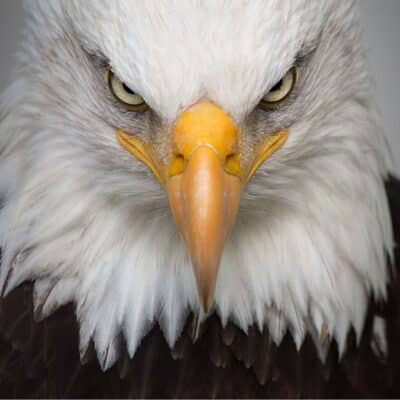
Eagles have the best eyesight in the animal kingdom. They can see about eight times further than humans and quickly shift focus, essentially zooming their eyes.
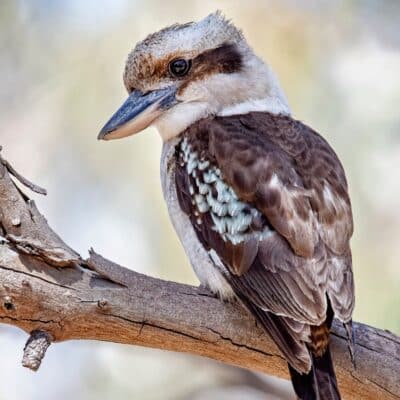
The kookaburra is native to Australia and New Guinea; its calls are often used as sound effects in movies for jungles in Africa or South America.

Roughly 33% of cats are not affected by catnip. The euphoric reaction commonly associated with catnip is hereditary.

Due to their intelligence and agility, ferrets have been employed to run cables through confined spaces.

The blue ghost firefly, a rare species in the Southern Appalachian forests, emits a blue glow lasting up to a minute each time.
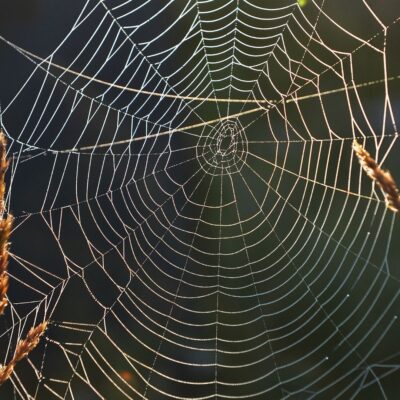
Contrary to popular belief, we don’t eat eight spiders in our sleep every year. This myth was first shared in 1993 to highlight gullibility but ironically spread as truth.

In some parts of the world, spiked dog collars are still used for their original purpose: to protect shepherding dogs from predators like wolves.

Humans aren’t the only animals that make drum beats. Macaque monkeys and even some rodents have been observed drumming with their paws.
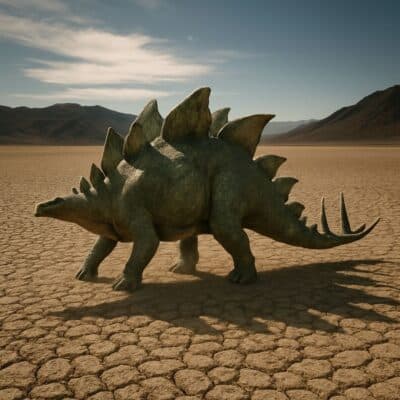
The group of spikes at the end of stegosaurid tails is called the “thagomizer.” They had no distinct name until the term was coined in 1982 by a cartoonist.

Mosquitoes helped the Continental Army during the American Revolution by spreading malaria among British troops.

Ambergris, an ingredient in some luxury perfumes, is produced in the digestive system of sperm whales. It smells like poop when fresh but gains a sweet scent after aging.
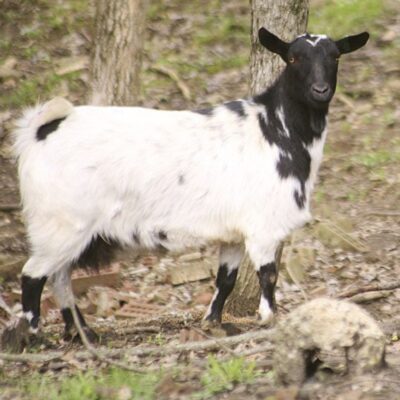
The myotonic goat, also known as the Tennessee fainting goat, stiffens and may fall over when startled or excited due to a hereditary condition called myotonia congenita.
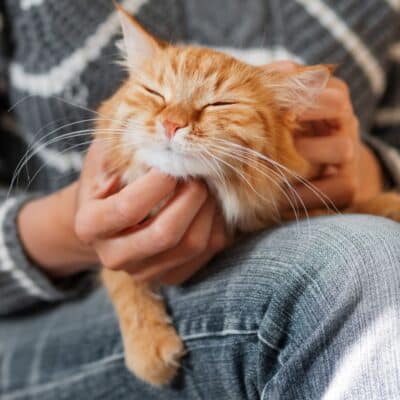
Adult cats typically only meow at humans, not other cats. Kittens meow to their mother, but once they get a little older, they don’t meow to other cats.
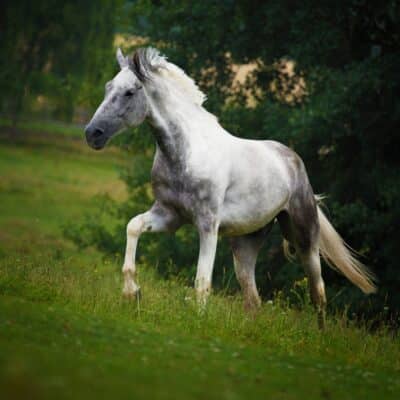
One horse can have approximately 15 horsepower. Horsepower is about 746 watts. The term was coined in the late 18th century.
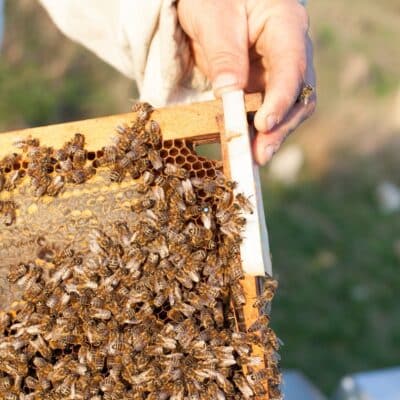
A beekeeper in South Australia taught his dog Bazz to sniff out an infectious disease that wipes out bee colonies, then invented a dog beekeeper suit for Bazz the Beekeeper.


Sea snakes hydrate by drinking from a freshwater layer that forms on the ocean’s surface after rainfall.
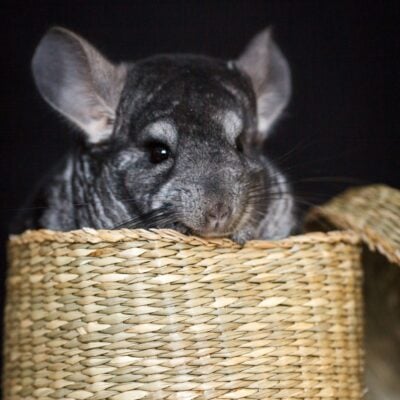
Chinchillas kept in groups can sometimes have stress convulsions during feeding if they see others from their group getting food first.
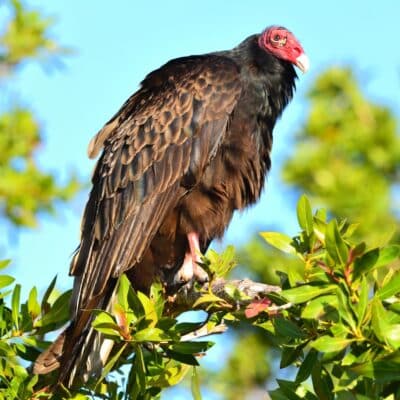
Turkey vultures use defensive vomit as a method to repel potential threats and can project their vomit up to 10 feet.
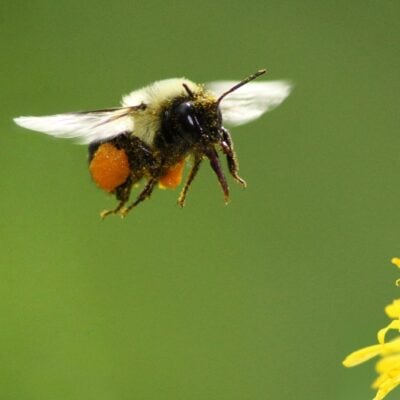
When bumblebees flap their wings, they generate a positive charge, which transfers to the flowers they land on. This tells other bees not to visit the flower.