If you’re like me and a bit of a history buff, you’re in the right place! You’ll love reading these interesting facts about historical events, people, and ancient civilizations.
Here, we bring together the most interesting & unknown history fact pictures that you didn’t know you needed to know!
From World War I to crazy historic civilizations, these interesting facts should leave you more knowledgeable than before.
We continuously add new history-related facts here, so why not bookmark us to stay updated with our most interesting facts?
History Facts
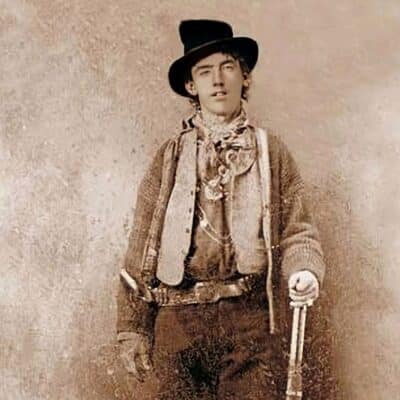
Historically, an “outlaw” was someone who was no longer protected by the law as punishment for a crime, allowing members of the public to persecute them at will legally.
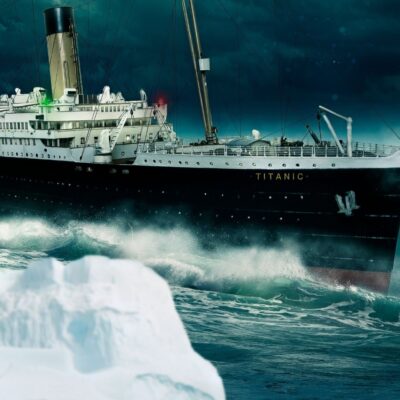
A contributing factor to the Titanic sinking was the use of faulty, low-quality rivets made of a lower-grade iron than what was standard for the time.
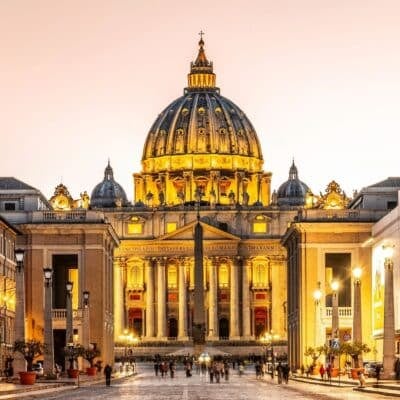
Pope Celestine V was reluctantly elected as Pope after sending the Cardinals an angry letter warning of divine judgment if they didn’t choose a pope soon.
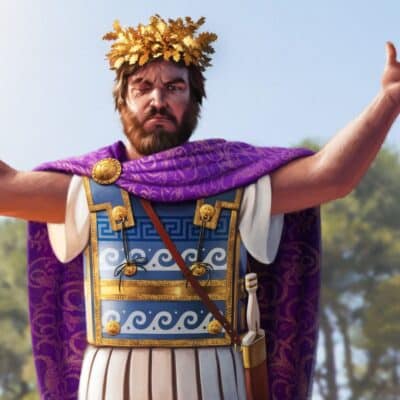
The King of Macedon threatened to raze Sparta, saying “If I bring my army into your land, I will raze your city.” The Spartans replied: “If.” No attempt was made to capture the city.

Of the 77 Olympians competing in the golf tournament at the 1904 Summer Olympics, 74 represented the USA, and 3 represented Canada. Canada won the gold medal.
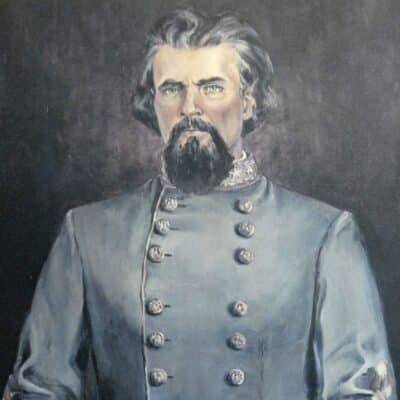
Nathan Bedford Forrest, the first Grand Wizard of the Ku Klux Klan, later changed his mind and argued in defense of racial equality.

In 18th-century England, having a pineapple was a symbol of wealth because of high import fees. They were often used as displays instead of being eaten.
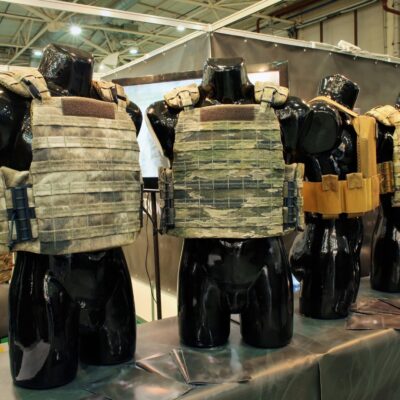
Casimir Zeglen, a Polish priest, invented a silk bulletproof vest and personally demonstrated its effectiveness by wearing it during public tests where he was shot at.

Raw salmon sushi gained popularity in Japan only after the Norwegian salmon industry began a marketing campaign in the 1980s and 1990s to sell its parasite-free farmed Atlantic salmon.
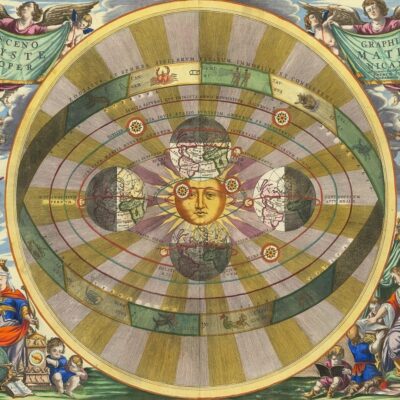
In the 3rd century BC, the Greek astronomer Aristarchus of Samos proposed that the Earth and other planets revolve around the Sun.
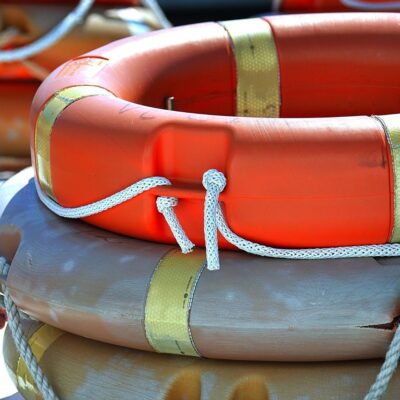
In 1985, the New Orleans lifeguards threw a pool party to celebrate a season without a single drowning. Ironically, a man drowned in the pool that night.

The first jet aircraft was invented in Nazi Germany. Development started in 1936, and the first takeoff occurred on August 27, 1939.

The Man in the Iron Mask was an unidentified prisoner held in a French prison for 34 years until his death in 1703. He was made to wear a mask so no one could identify him.

In the 1800s, some wealthy people wore dentures made from teeth pulled from dead soldiers at the Battle of Waterloo; these later became known as “Waterloo teeth.”
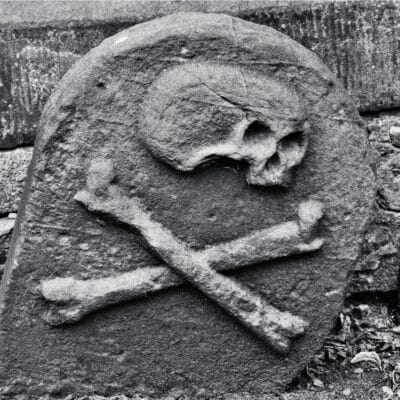
The Black Death killed so many people in the 14th century that the world population did not recover to pre-plague levels until the 17th century.
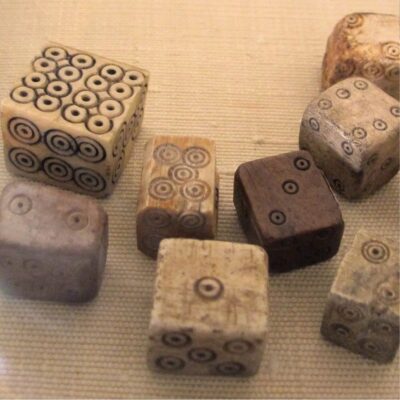
Some of the oldest dice ever discovered were found at Skara Brae in the Orkney Islands of Scotland. Used between 3100 and 2400 BC, they were carved from bone, often from sheep or cattle.
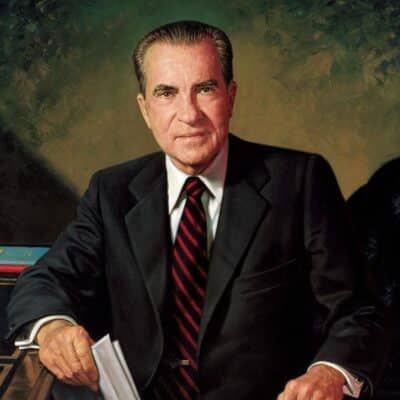
After Lyndon B. Johnson’s death in January 1973, Richard Nixon was the only living US President until Gerald Ford succeeded him in August 1974.
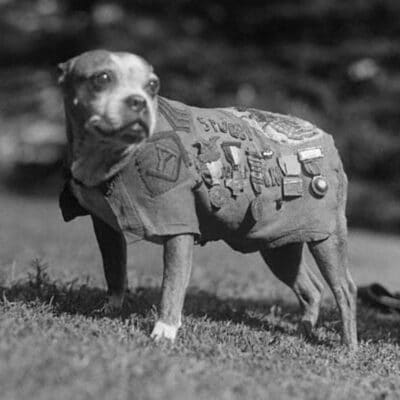
The first formal guide dog training school was established in Oldenburg, Germany, in 1916 to assist soldiers blinded in combat during World War I.
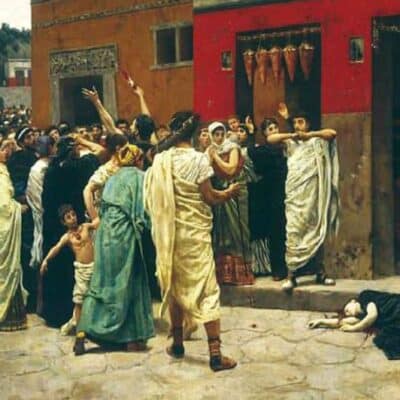
In ancient Rome, commoners would evacuate entire cities in acts of revolt called “Secessions of the Plebeians,” leaving the elite in the cities to fend for themselves.

In the 1930s, Meyer Lansky (a major Jewish mob figure) frequently disrupted Nazi rallies by breaking limbs, cracking skulls, and throwing attendants out of windows.
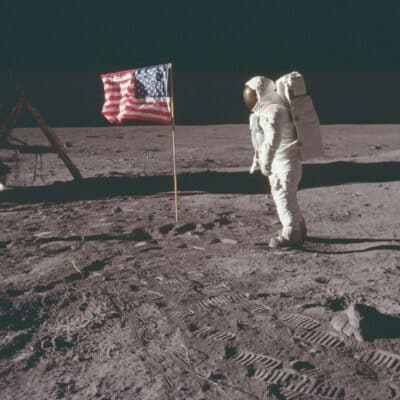
When Buzz Aldrin first stepped onto the Moon, his first words were “Beautiful view. Magnificent desolation.”
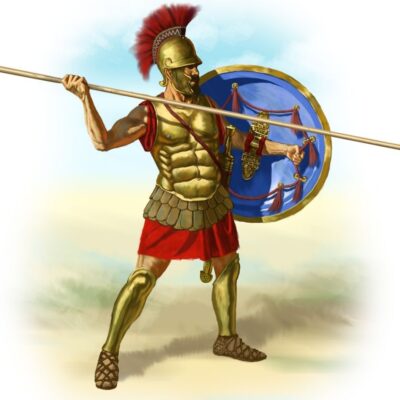
The character Russell Crowe played in “Gladiator” was based on at least four different historical people.