Is anyone else feeling hungry? Just me, hmm… well, these food and drink facts are gonna leave you hungry (or thirsty) for more!
Here at The Fact Site, we have rounded up the most interesting facts about your favorite foods or beverages, and you can see them all right here!
From strange fruit & vegetables to your favorite dairy products, these fun facts should please your appetite.
We add new tasty facts often, so please bookmark this page to keep updated with the latest food & drink facts.
Food & Drink Facts
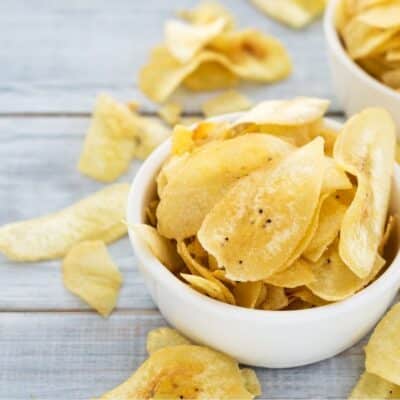
The first recorded use of the term “chips” to describe fried potatoes was in Charles Dickens’ classic novel “A Tale of Two Cities.”
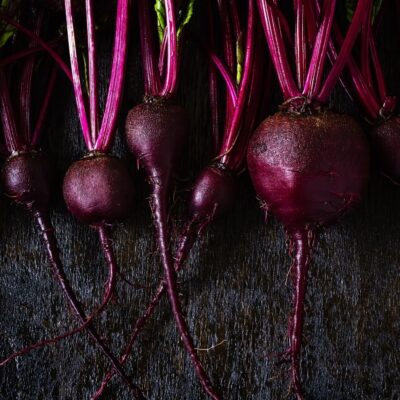
Beeturia is the term used for when your pee turns a reddish-pink color after eating too much beetroot.

Due to their semi-aquatic nature, the Catholic Church once considered beavers to be fish, fit for consumption on meatless Fridays.

Walmart found that sales of strawberry Pop-Tarts spike significantly in the days leading up to a hurricane, increasing by about seven times their normal rate.
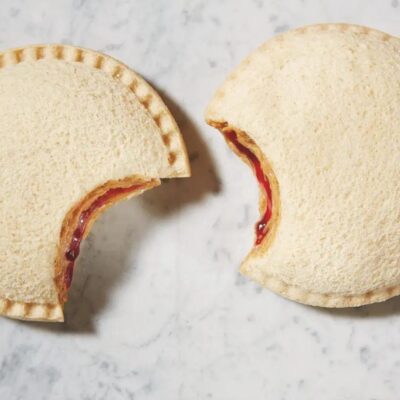
Smuckers Uncrustables sends all of the crusts they cut off their sandwiches to be made into animal feed.
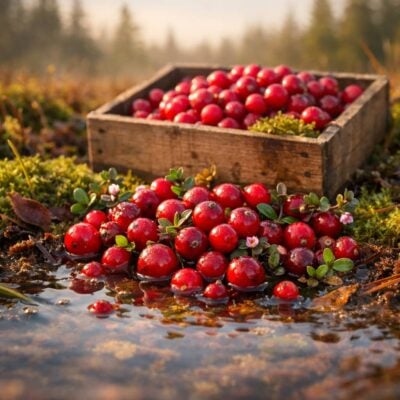
Cranberries are native to North America and are one of only three fruits native to the continent that are grown commercially.
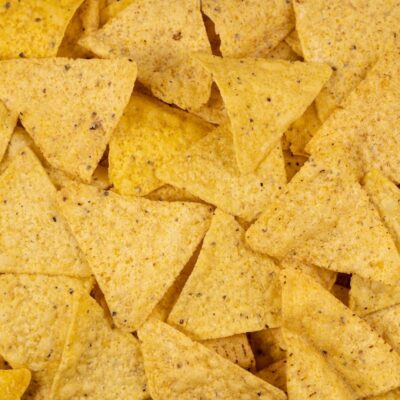
Doritos were engineered with an optimized mix of fat, salt, acids, and fast-melting ingredients that trigger the brain’s reward system, which makes them surprisingly hard to stop eating.
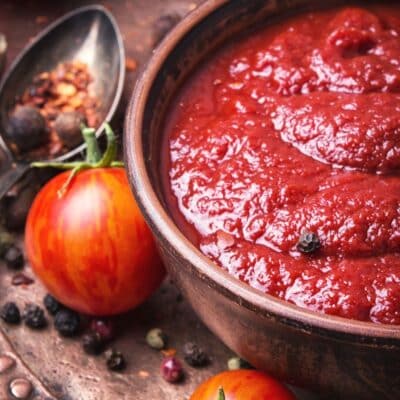
Ketchup started as a British attempt to replicate a Chinese fermented fish sauce called “kê-tsiap” before evolving into the tomato-based condiment we know today.
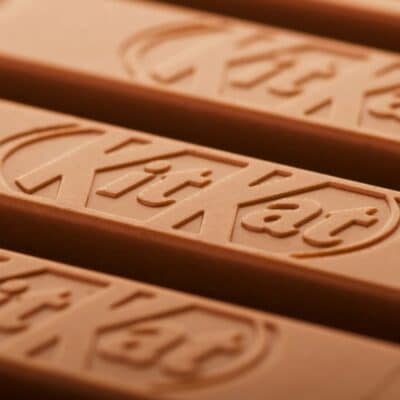
Nestlé produces KitKat and Rolo globally, with the exception of the U.S., where these products are manufactured by their competitor, Hershey’s.
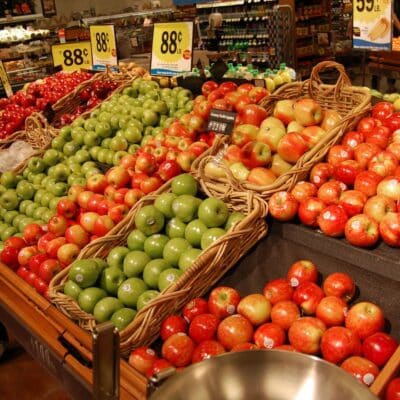
On average, apples sold in supermarkets are already 9-12 months old. They are picked unripe, treated with chemicals, waxed and boxed, then kept in cold storage.

Spam mail got its name from a “Monty Python” skit that joked about Spam canned meat being everywhere and impossible to avoid.

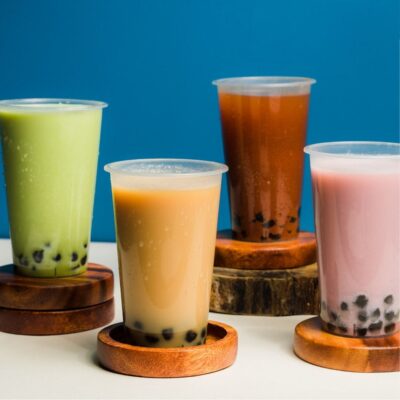
In 2019, it was reported that bubble tea shops were so profitable that even the Yakuza were getting in on the business.
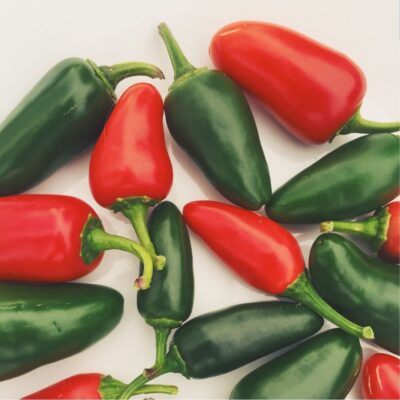
Chipotles aren’t a separate chili pepper species. They are simply red, fully ripened jalapeños that have been smoked and dried.
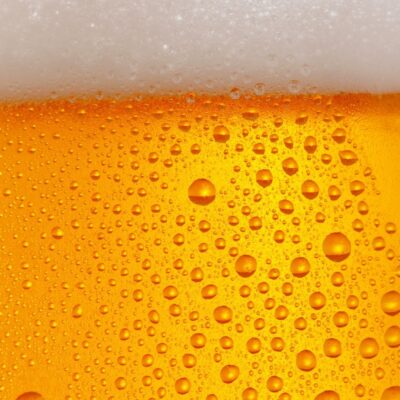
More than ninety TV shows and movies, including Parks & Recreation, Workaholics, and Star Trek, used the same beer prop, Heisler Beer.
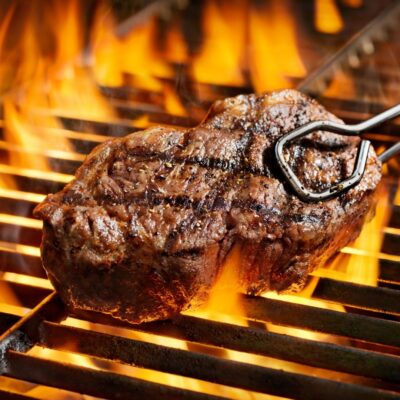
Space apparently smells like seared steak, hot metal, and welding fumes. This smell lingers on the spacesuits of astronauts after they perform spacewalks.
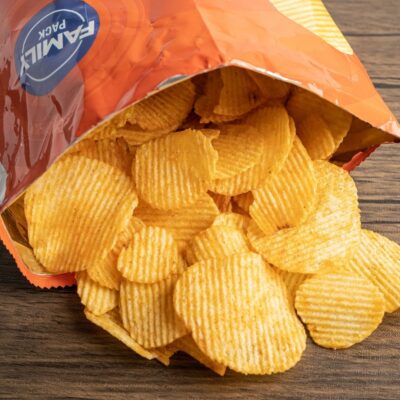
Potato chip bags are filled with nitrogen gas to prevent oxidation and maintain crispness, ensuring the chips stay fresh and unspoiled.
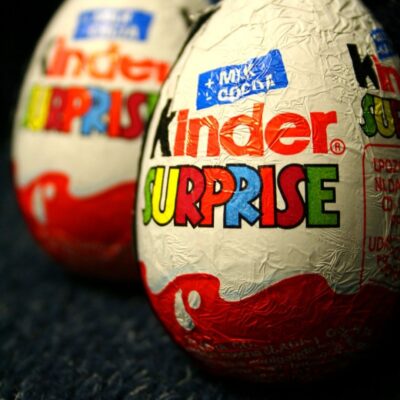
Kinder Surprise Eggs are banned in the United States due to an FDA law from 1938 that forbids any confection with “non-nutritive objects” inside.
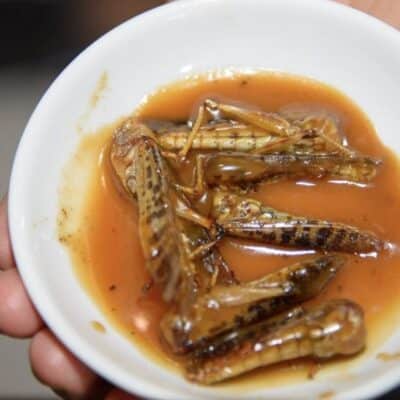
A priest and book publisher devised recipes inspired by biblical foods, including a locust soup to represent John the Baptist’s diet of “locusts and wild honey.”
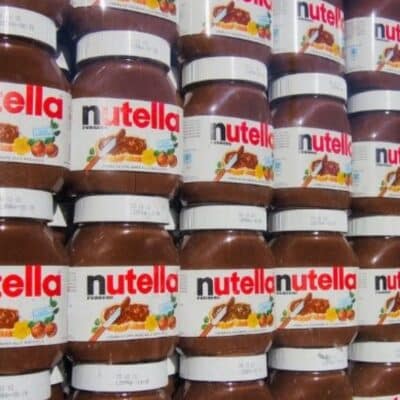
Nutella was invented during World War II when an Italian pastry maker mixed hazelnuts into chocolate to extend his chocolate ration.