If you’re like me and a bit of a history buff, you’re in the right place! You’ll love reading these interesting facts about historical events, people, and ancient civilizations.
Here, we bring together the most interesting & unknown history fact pictures that you didn’t know you needed to know!
From World War I to crazy historic civilizations, these interesting facts should leave you more knowledgeable than before.
We continuously add new history-related facts here, so why not bookmark us to stay updated with our most interesting facts?
History Facts
In 1937, a major fire broke out at the Fox Film Studios in New Jersey. The fire destroyed 75% of their movies, including most of their silent films.
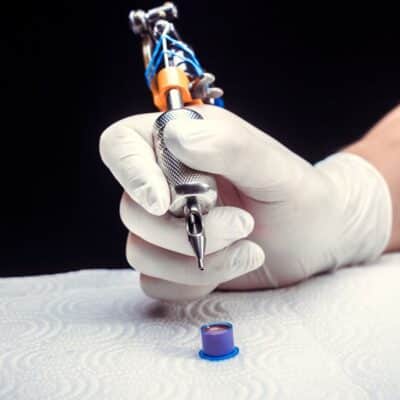
Thomas Edison invented an electric pen in 1876, which was later adapted to become the first electric tattoo machine in 1891.
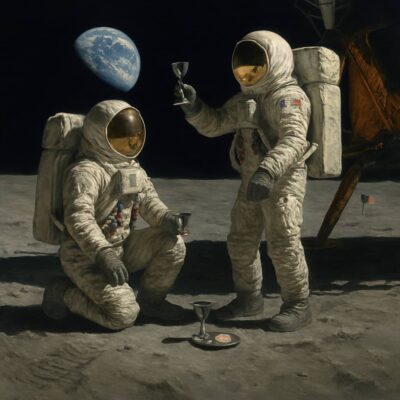
When Neil Armstrong and Buzz Aldrin landed on the moon, Buzz conducted a private communion service, drinking wine from a silver chalice he’d brought from his church.
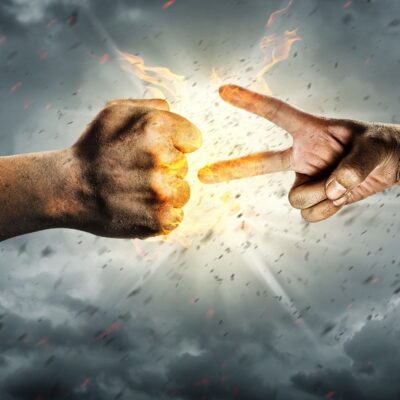
“Rock, paper, scissors” originated in China during the Han dynasty (206 BCE – 220 CE), where it was known as “shoushiling.”
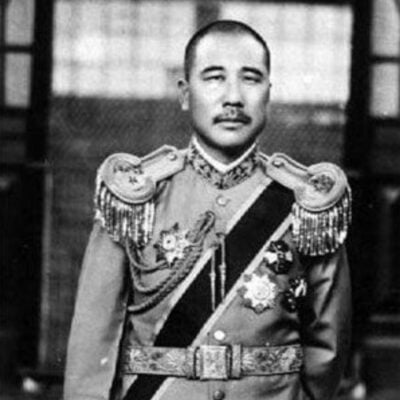
Zhang Zongchang, who ruled Shandong in the 1920s, was nicknamed “Three Don’t Knows” because he never knew how much money or how many concubines he had, nor how many men were in his army.
In 1880, the pilgrim ship SS Jeddah was abandoned by its captain in a storm and reported sunk, but it survived until another ship towed it to Aden with almost all 953 passengers alive.

Two diseases have been successfully eradicated: smallpox in 1980 after the last case in 1977, and rinderpest in 2011 after the last case in 2001.
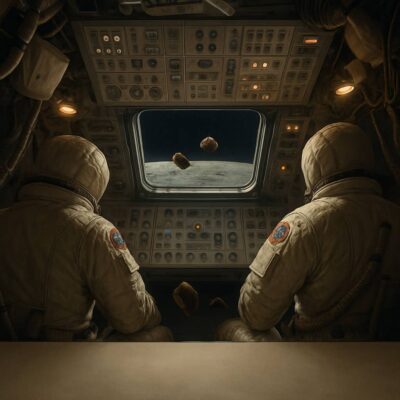
During the Apollo 10 mission, astronauts found a floating turd in the cabin on two separate occasions, but no one ever admitted to it.
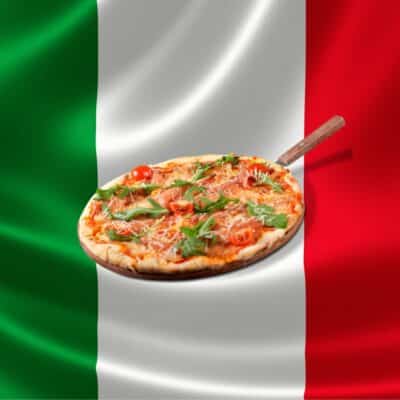
In 1889, Margherita pizza was crafted to honor Queen Margherita, using ingredients that symbolize the Italian flag’s colors: tomato, mozzarella, and basil.
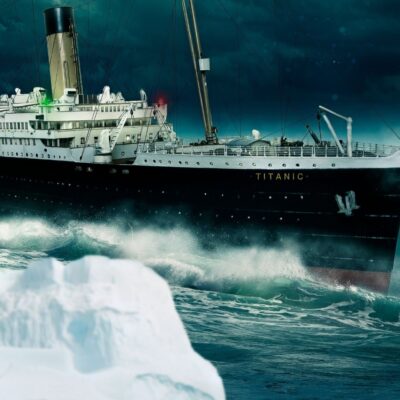
A contributing factor to the Titanic sinking was the use of faulty, low-quality rivets made of a lower-grade iron than what was standard for the time.
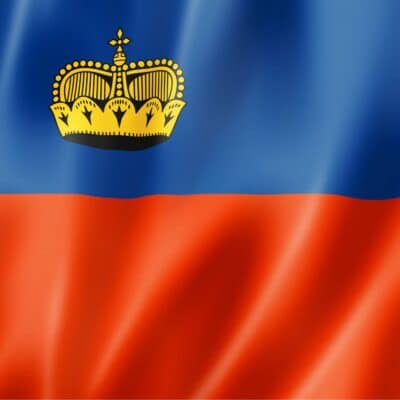
Liechtenstein realized at the 1936 Olympic Games that its blue-red flag was identical to Haiti’s civil flag, so the following year, they added a gold crown to distinguish it.
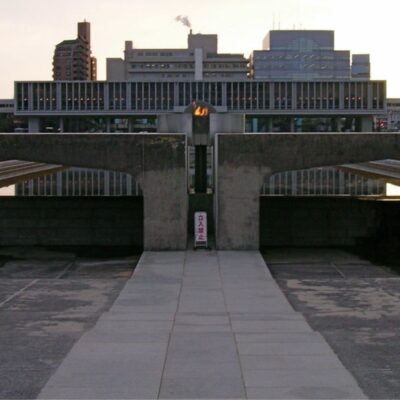
A peace flame has been burning in Hiroshima, Japan, since it was lit in 1964. It will only be put out once all nuclear bombs on the planet are destroyed.

The apple tree that inspired Sir Isaac Newton’s theory of gravity is still alive and growing fruit at Woolsthorpe Manor in Lincolnshire, England.
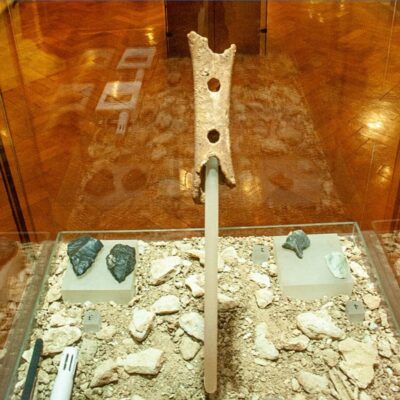
The Divje Babe flute, dated to 50,000-60,000 years ago, may be the world’s oldest musical instrument, though some attribute its holes to animal bites.
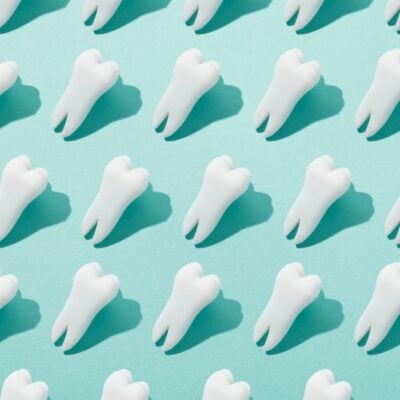
In the 1800s, some wealthy people wore dentures made from teeth pulled from dead soldiers at the Battle of Waterloo; these later became known as “Waterloo teeth.”
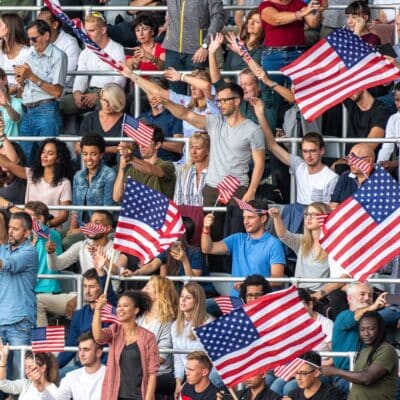
The original Star-Spangled Banner was sewn on a brewery floor in Baltimore in 1813 by Mary Pickersgill and her daughter.
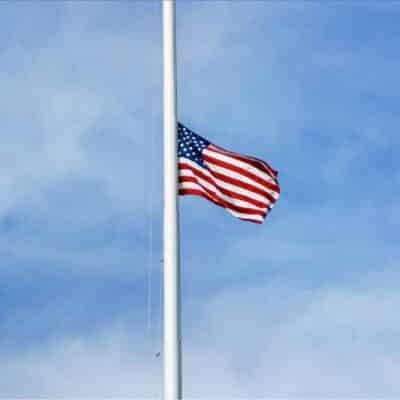
In the opening credits of Gilligan’s Island, as the SS Minnow sails out of the harbor, flags can be seen in the background flying at half-mast to honor the death of JFK.
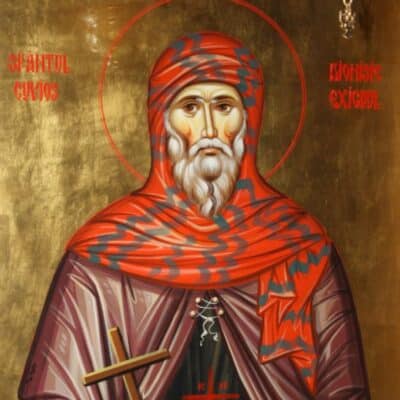
The Anno Domini (A.D.) system was proposed by a monk in 525 A.D. to calculate the date of Easter, but widespread adoption did not occur until the 9th century.
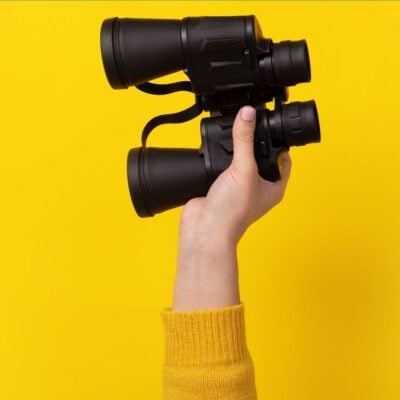
There were binoculars on board the Titanic, but they were locked in a box, and the key was left ashore. If the binoculars had been accessible, the icebergs may have been spotted.

When Boston went into lockdown after the 2013 Marathon bombing, authorities asked Dunkin’ Donuts to remain open to supply food and drinks to police and emergency responders.
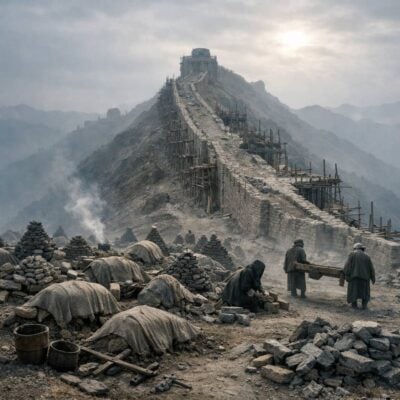
It’s estimated that around 400,000 workers lost their lives during the initial construction of the Great Wall of China.
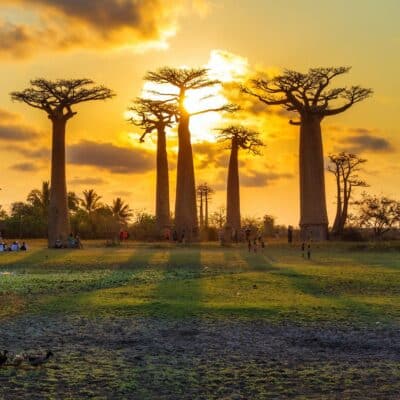
The origin of the name “Madagascar” is uncertain, but a theory widely accepted by historians is that Marco Polo likely confused the island with the Somali city of Mogadishu.