If you’re like me and a bit of a history buff, you’re in the right place! You’ll love reading these interesting facts about historical events, people, and ancient civilizations.
Here, we bring together the most interesting & unknown history fact pictures that you didn’t know you needed to know!
From World War I to crazy historic civilizations, these interesting facts should leave you more knowledgeable than before.
We continuously add new history-related facts here, so why not bookmark us to stay updated with our most interesting facts?
History Facts
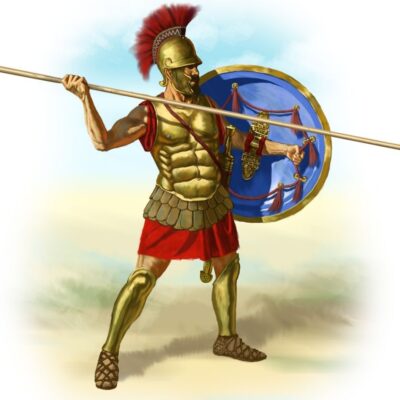
The character Russell Crowe played in “Gladiator” was based on at least four different historical people.

In 1991, Yugoslav tank driver Vladimir Živković deserted the Vukovar front by driving his tank to Belgrade and parking it outside the federal parliament in protest.

In 1979, Elvita Adams jumped from the 86th floor of the Empire State Building but was blown back onto the 85th floor by a gust of wind, surviving the fall with a fractured hip.
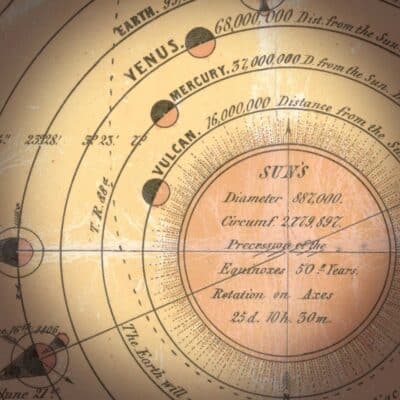
Astronomers in the 1800s believed there was one extra planet in the Solar System. Vulcan, the hypothetical planet, was meant to be between Mercury and the Sun.
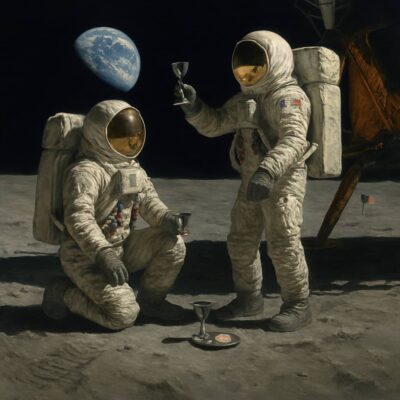
When Neil Armstrong and Buzz Aldrin landed on the moon, Buzz conducted a private communion service, drinking wine from a silver chalice he’d brought from his church.

A peace flame has been burning in Hiroshima, Japan, since it was lit in 1964. It will only be put out once all nuclear bombs on the planet are destroyed.

When Boston went into lockdown after the 2013 Marathon bombing, authorities asked Dunkin’ Donuts to remain open to supply food and drinks to police and emergency responders.
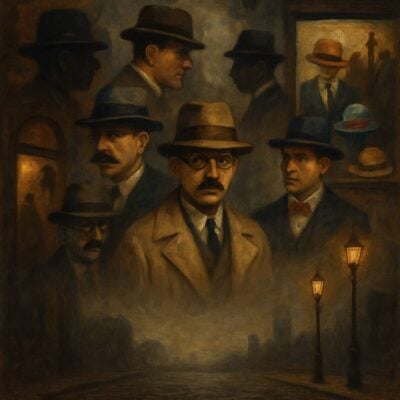
Despite being 5′5″ tall (165 cm) and having no prior detective experience, Izzy Einstein made about 4,900 arrests from 1920 to 1925 by relying on disguises and wit rather than force.
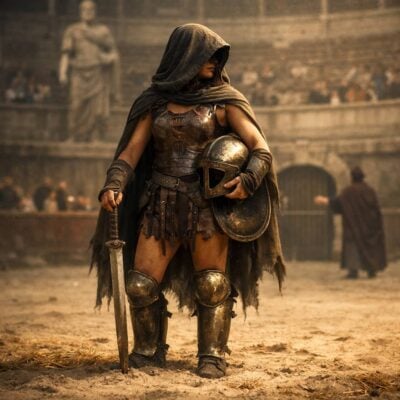
A female gladiator in ancient Rome was called a gladiatrix, but women’s participation in arena combat was rare and outlawed after AD 200.

The longest Cricket Test match lasted over 12 days between England and South Africa in 1939 and ended in a draw because the English team had to catch their boat home.
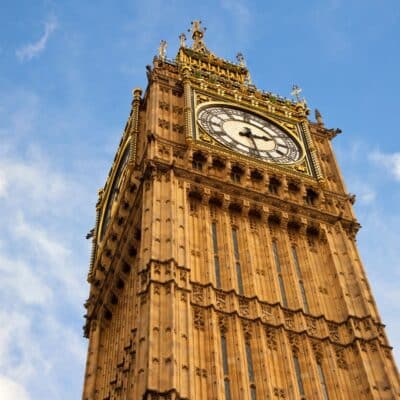
No reigning British monarch has entered the House of Commons chamber since King Charles I attempted to arrest five MPs in 1642.

The Golden Orphism Book is one of the world’s oldest surviving books. It’s made of six gold pages bound together, and dates back to approximately 600–660 BC.
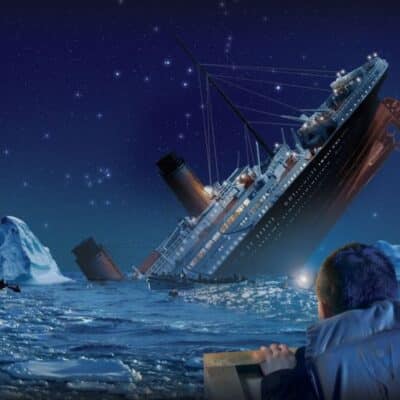
After the Titanic disaster, survivors and the families of victims filed claims totaling $16 million, but White Star Line contested liability and settled in 1915 for just $664,000.
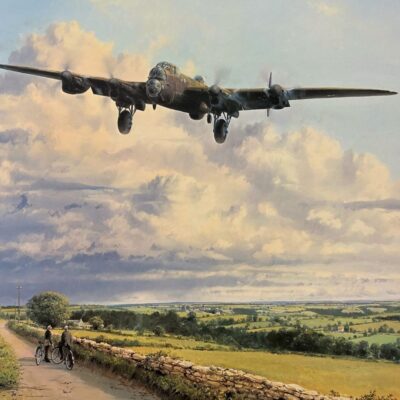
Jean Maridor, a French pilot, died on August 3, 1944, when his attempt to deflect a V-1 bomb led to an explosion. His sacrifice prevented the bomb from hitting a field hospital.
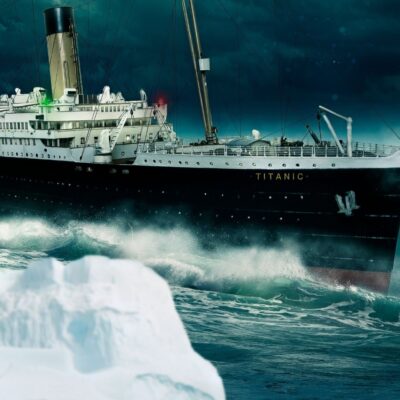
A contributing factor to the Titanic sinking was the use of faulty, low-quality rivets made of a lower-grade iron than what was standard for the time.

In 1911, stuntman Bobby Leach became the first man to survive going over Niagara Falls in a steel barrel. He died 15 years later from slipping on an orange peel and getting gangrene.


The first Academy Awards, held on May 16, 1929, featured 12 award presentations and lasted just 15 minutes.
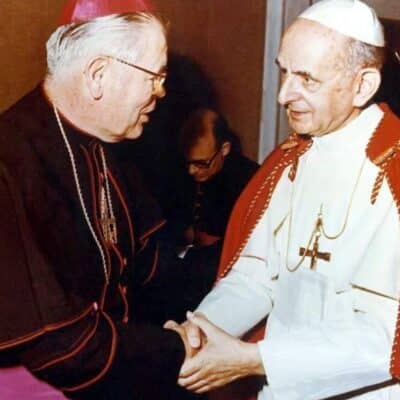
After Apollo 11 launched from Cape Canaveral in 1969, the bishop of Orlando joked that he was bishop of the Moon according to Canon Laws relating to newly discovered territories.
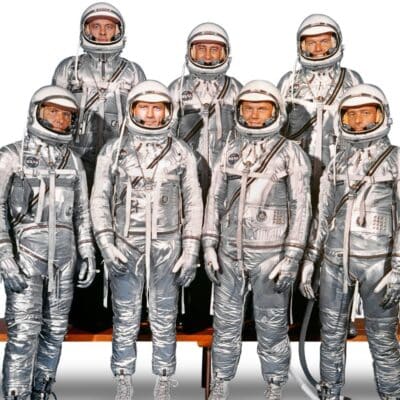
Two of the original Mercury 7 astronauts wore regular work boots spray-painted silver in the famous photograph of them in their flight suits.
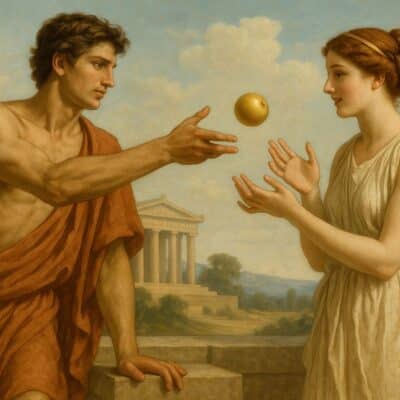
In Ancient Greece, throwing an apple to a woman was a symbolic gesture of romantic interest, and catching it indicated acceptance of that interest.
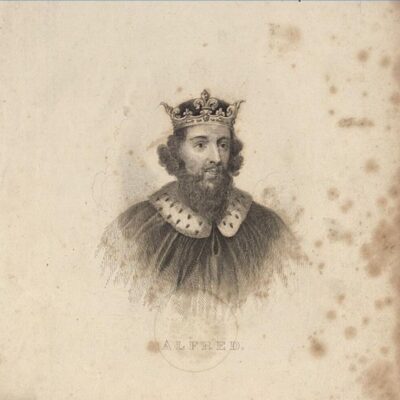
The name Alfred means “elf counsel” in Old English, combining “ælf” (elf) and “ræd” (counsel). One of the earliest famous Alfreds was Alfred the Great.
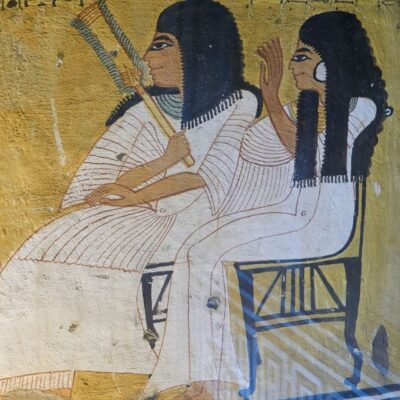
Ancient Egyptians were among the earliest cultures to use makeup, with evidence of cosmetic use dating back as far as 5,000 years.