If you’re like me and a bit of a history buff, you’re in the right place! You’ll love reading these interesting facts about historical events, people, and ancient civilizations.
Here, we bring together the most interesting & unknown history fact pictures that you didn’t know you needed to know!
From World War I to crazy historic civilizations, these interesting facts should leave you more knowledgeable than before.
We continuously add new history-related facts here, so why not bookmark us to stay updated with our most interesting facts?
History Facts
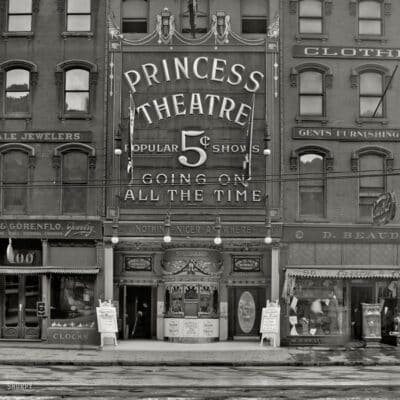
A nickelodeon was a type of early movie theater that charged 5 cents (a nickel) for admission and was the precursor to modern cinema.
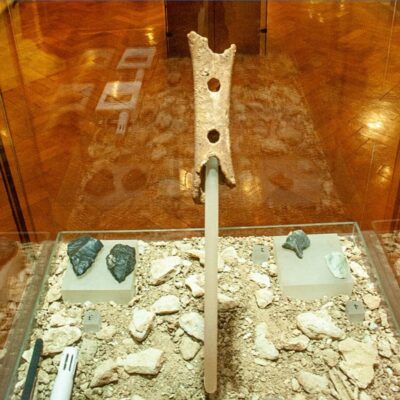
The Divje Babe flute, dated to 50,000-60,000 years ago, may be the world’s oldest musical instrument, though some attribute its holes to animal bites.

Following the Chernobyl disaster, sunflowers were planted in an attempt to remove radioactive elements from contaminated water and soil.
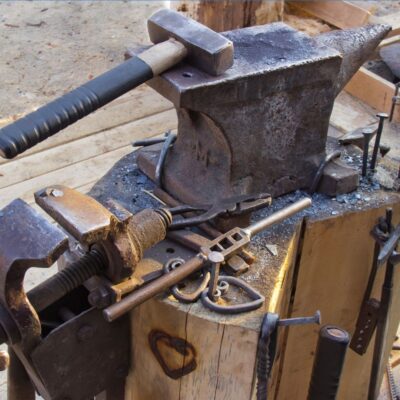
Blacksmiths aren’t the only type of smiths; whitesmiths, for example, work with tin and other lighter-colored metals.

Around 10,000 underground nuclear bunkers were built during the Cold War in Beijing. They were later sold as real estate and are currently inhabited by over a million people.
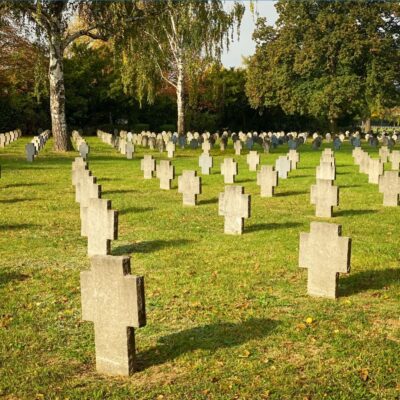
Approximately 70–85 million people lost their lives during World War II. Only 21–25 million of those were military personnel; the rest were civilians.

After the 9/11 attacks, a Maasai tribe in Kenya gifted 14 cows to the United States in a gesture of sympathy and solidarity.

In 1992, a North Dakota teen lost his arms in a farm accident, but managed to call for help by using his mouth to open a door and dial for help with a pencil. Both arms were reattached.
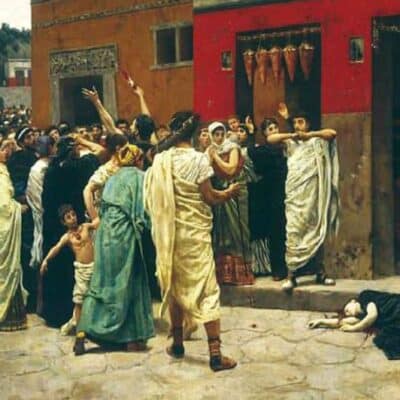
In ancient Rome, commoners would evacuate entire cities in acts of revolt called “Secessions of the Plebeians,” leaving the elite in the cities to fend for themselves.
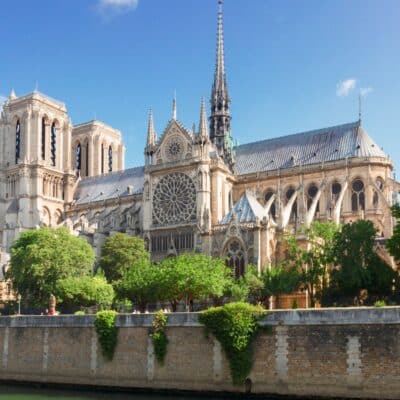
Notre-Dame Cathedral in Paris was mainly constructed between 1163 and 1260, though work on details continued for centuries.
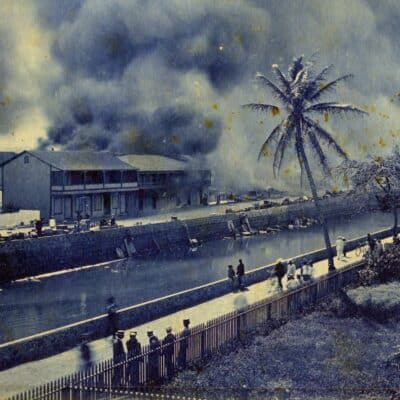
In 1900, Chinatown in Honolulu had a series of controlled fires to prevent the spread of the plague. The fires got out of control, but four months later, Honolulu was plague-free.
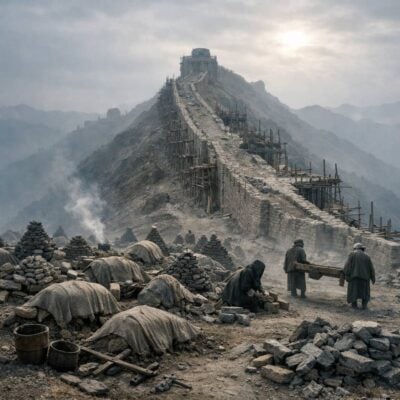
It’s estimated that around 400,000 workers lost their lives during the initial construction of the Great Wall of China.

The Quakers invented price tags to stop haggling, believing it was unethical to charge customers differently.

During the first iPhone presentation in 2007, Steve Jobs had to switch between several iPhones to prevent crashes due to limited RAM and unstable software.
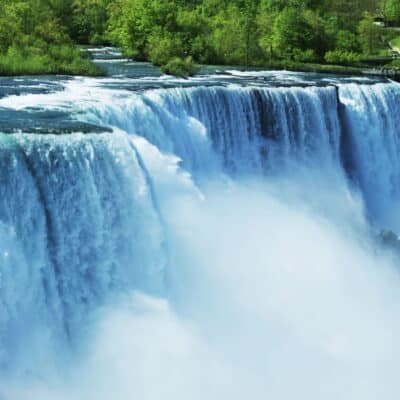
In 1911, stuntman Bobby Leach became the first man to survive going over Niagara Falls in a steel barrel. He died 15 years later from slipping on an orange peel and getting gangrene.

In 1896, bars in New York often served the same sandwich to different customers all day as a loophole to avoid laws that required them to serve meals with alcohol sales.
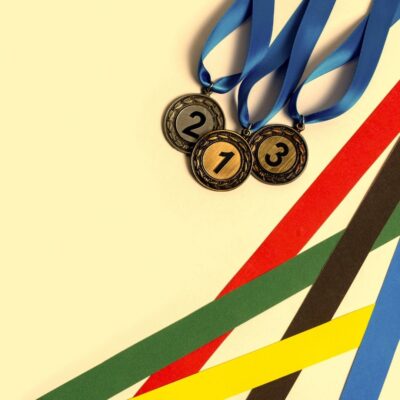
From 1912 to 1952, the Olympics featured an art competition category, with medals awarded for painting, architecture, sculpture, music, and literature.
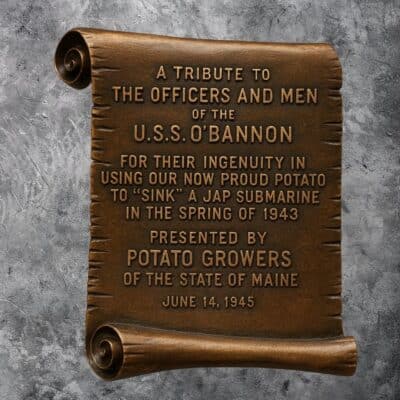
In 1943, off the Russell Islands, USS O’Bannon’s crew threw potatoes at a Japanese submarine’s deck crew to keep them from their gun before sinking the sub with gunfire and charges.
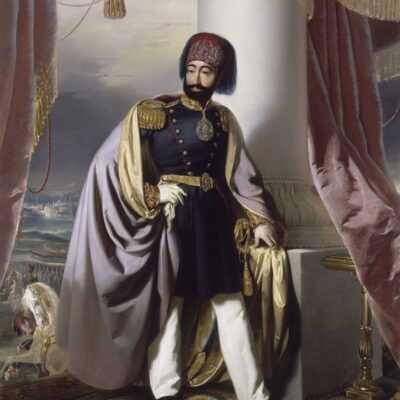
Mahmud II, who ruled the Ottoman Empire from 1808 to 1839, is believed to have had about 19 consorts and fathered at least 37 children, including 18 sons and 19 daughters.
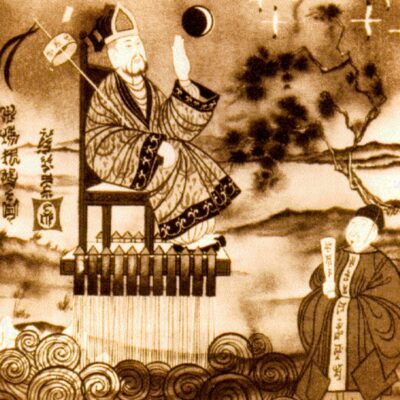
According to legend, a 16th-century Chinese official named Wan Hu tried to launch himself into space using 50 gunpowder rockets strapped to a chair. He was never seen again.
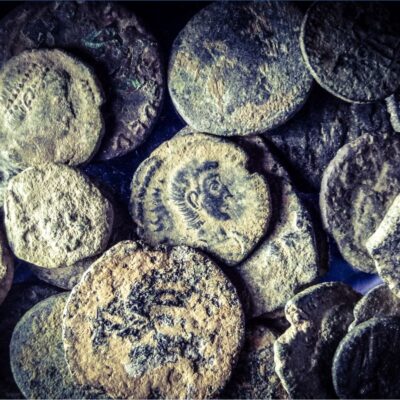
The first known minted coins were in Lydia in the late 7th century BC using a natural gold and silver alloy. They were created under early Lydian kings to standardize trade and payments.
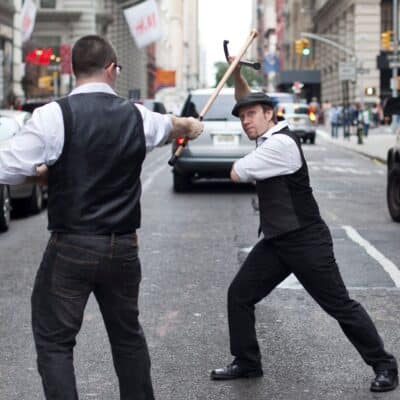
Bartitsu is a form of martial arts that originated in Victorian England. It was geared toward the upper class as a method of self-defense.