If you’re like me and a bit of a history buff, you’re in the right place! You’ll love reading these interesting facts about historical events, people, and ancient civilizations.
Here, we bring together the most interesting & unknown history fact pictures that you didn’t know you needed to know!
From World War I to crazy historic civilizations, these interesting facts should leave you more knowledgeable than before.
We continuously add new history-related facts here, so why not bookmark us to stay updated with our most interesting facts?
History Facts

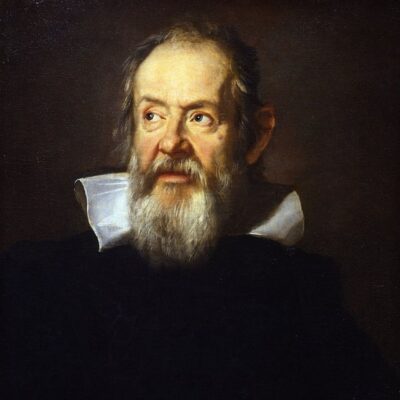
In 1992, a mere 359 years after condemning him for heresy for it, the Vatican admitted that Galileo’s theory that the Earth revolves around the sun was correct.

On October 4, 1957, the Soviet Union launched Sputnik 1, the first artificial satellite, an event that ignited the Space Race and led to the creation of NASA in 1958.
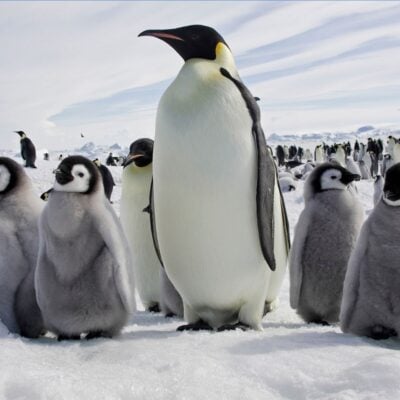
From 1948 to 1958, a Florida man tricked locals into thinking a 15-foot-tall penguin had visited their local beach by wearing giant cast-iron shoes shaped like penguin feet.
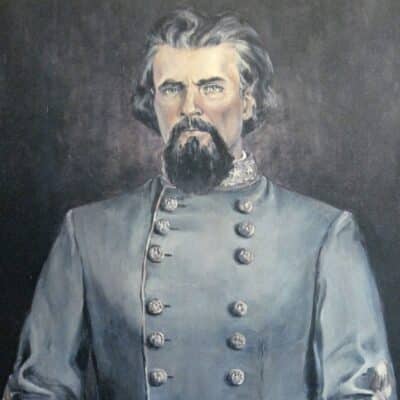
Nathan Bedford Forrest, the first Grand Wizard of the Ku Klux Klan, later changed his mind and argued in defense of racial equality.
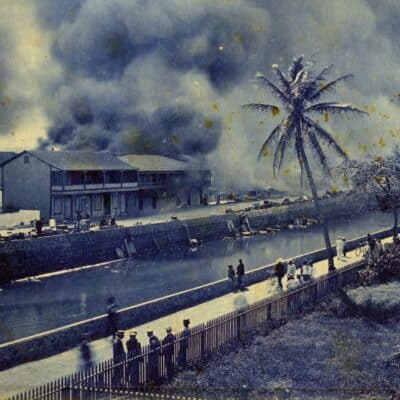
In 1900, Chinatown in Honolulu had a series of controlled fires to prevent the spread of the plague. The fires got out of control, but four months later, Honolulu was plague-free.

After the 9/11 attacks, a Maasai tribe in Kenya gifted 14 cows to the United States in a gesture of sympathy and solidarity.
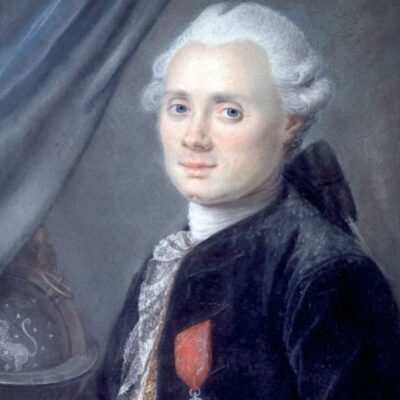
In the 18th century, French astronomer Charles Messier cataloged 110 of the most fascinating astronomical objects he found while searching the night sky for comets.

Of the 77 Olympians competing in the golf tournament at the 1904 Summer Olympics, 74 represented the USA, and 3 represented Canada. Canada won the gold medal.
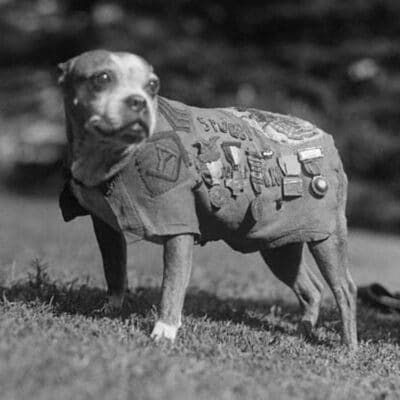
The first formal guide dog training school was established in Oldenburg, Germany, in 1916 to assist soldiers blinded in combat during World War I.
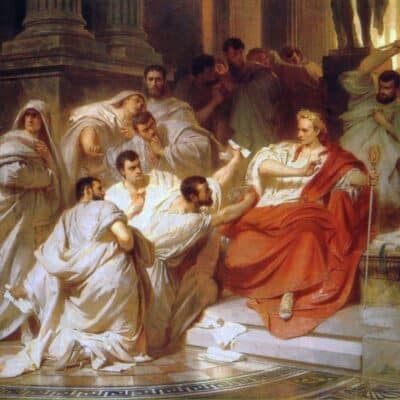
Popularized by the Shakespeare play, many people think Julius Caesar’s last words were “And you, Brutus?” In reality, he said, “You too, my child?”

In 2014, the Fresno chapter of the Hells Angels waited in line for five days at a Walmart to purchase over 200 bicycles, which they donated to children in need.
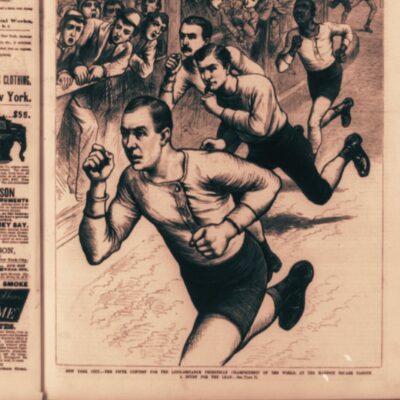
In the 19th Century, endurance walking was a huge spectator sport. Pedestrianism, as it was known, often saw participants walk hundreds of miles.
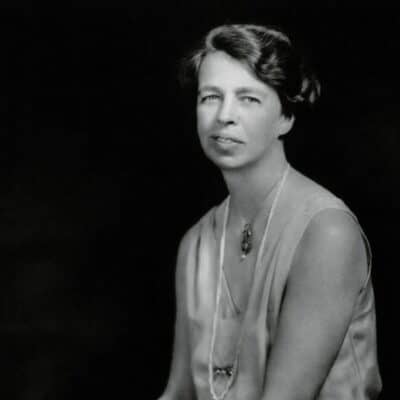

When coffee first emerged in the Ottoman Empire in the 16th century, it was considered a drug, and its consumption was forbidden.
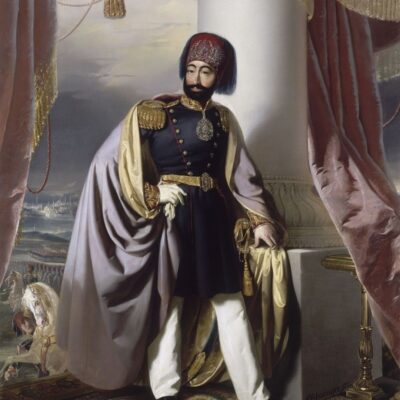
Mahmud II, who ruled the Ottoman Empire from 1808 to 1839, is believed to have had about 19 consorts and fathered at least 37 children, including 18 sons and 19 daughters.
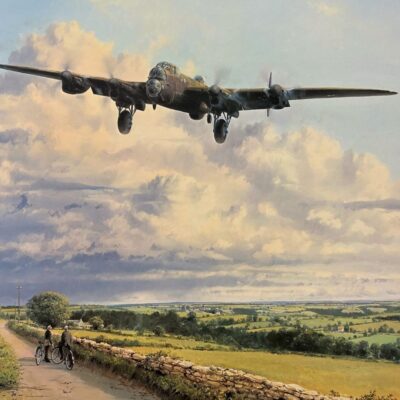
Jean Maridor, a French pilot, died on August 3, 1944, when his attempt to deflect a V-1 bomb led to an explosion. His sacrifice prevented the bomb from hitting a field hospital.
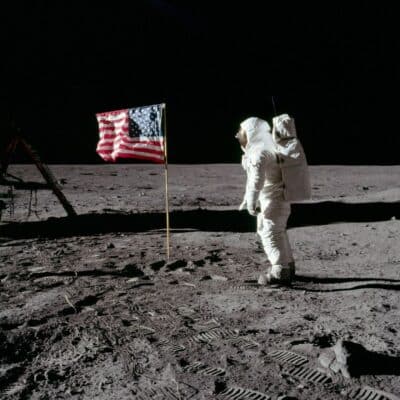
Public interest in space exploration declined after the 1969 moon landing, with many Americans questioning the costs and priorities of NASA’s missions.
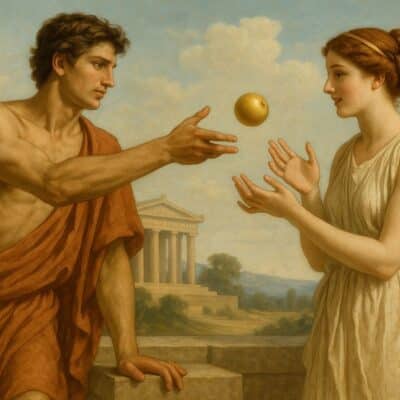
In Ancient Greece, throwing an apple to a woman was a symbolic gesture of romantic interest, and catching it indicated acceptance of that interest.
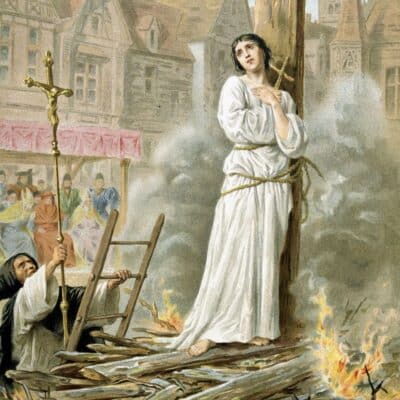
In 1456, 25 years after her execution, Joan of Arc was declared innocent in a retrial initiated by Pope Callixtus III.

Nightingale floors in feudal Japan were designed to chirp when stepped on, serving as an early intruder alert system against ninjas.

During the first iPhone presentation in 2007, Steve Jobs had to switch between several iPhones to prevent crashes due to limited RAM and unstable software.
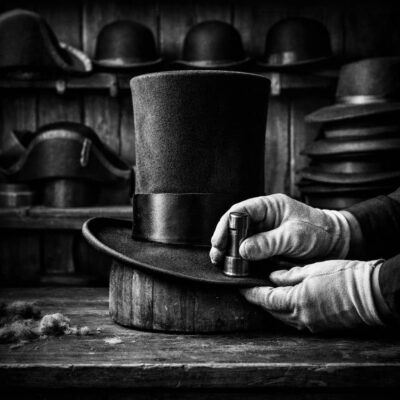
From 1784 to 1811, men’s hats were taxed by the British government, with licensed sellers required to place a revenue stamp inside each hat.