If you’re like me and a bit of a history buff, you’re in the right place! You’ll love reading these interesting facts about historical events, people, and ancient civilizations.
Here, we bring together the most interesting & unknown history fact pictures that you didn’t know you needed to know!
From World War I to crazy historic civilizations, these interesting facts should leave you more knowledgeable than before.
We continuously add new history-related facts here, so why not bookmark us to stay updated with our most interesting facts?
History Facts
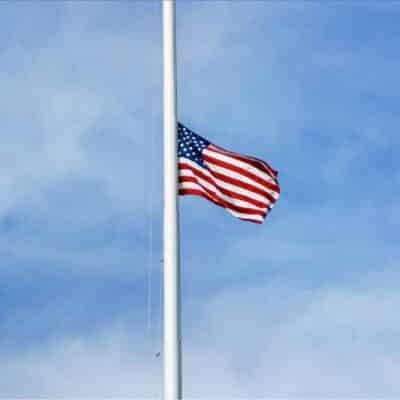
In the opening credits of Gilligan’s Island, as the SS Minnow sails out of the harbor, flags can be seen in the background flying at half-mast to honor the death of JFK.
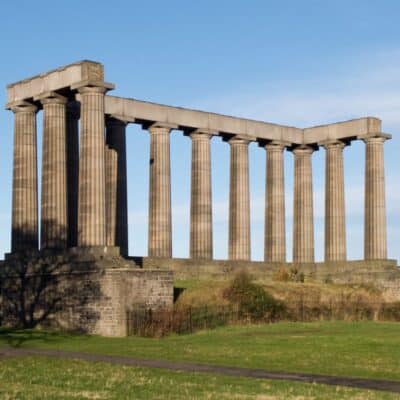
In 1826, Scotland wanted to replicate the Parthenon bigger and cheaper. It was never completed and is now nicknamed “Scotland’s Disgrace.”
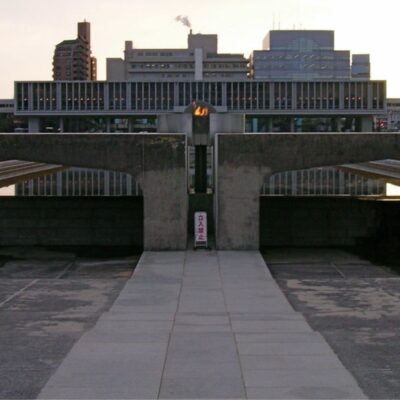
A peace flame has been burning in Hiroshima, Japan, since it was lit in 1964. It will only be put out once all nuclear bombs on the planet are destroyed.
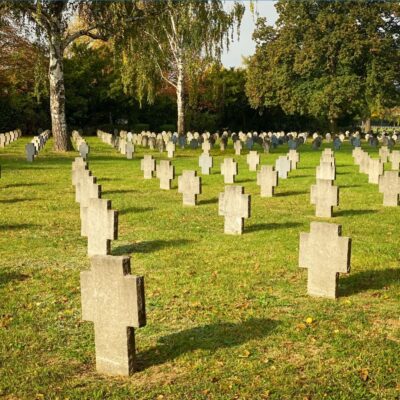
Approximately 70–85 million people lost their lives during World War II. Only 21–25 million of those were military personnel; the rest were civilians.

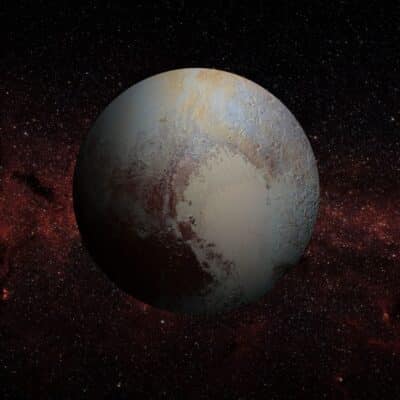
In 1930, an 11-year-old girl proposed the name “Pluto” for the newly discovered planet, inspired by the Roman god of the underworld.
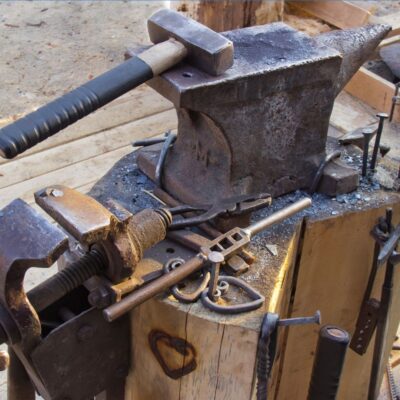
Blacksmiths aren’t the only type of smiths; whitesmiths, for example, work with tin and other lighter-colored metals.
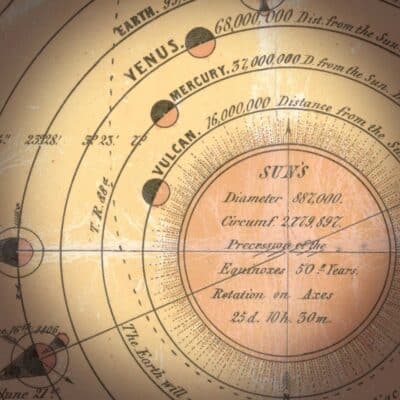
Astronomers in the 1800s believed there was one extra planet in the Solar System. Vulcan, the hypothetical planet, was meant to be between Mercury and the Sun.
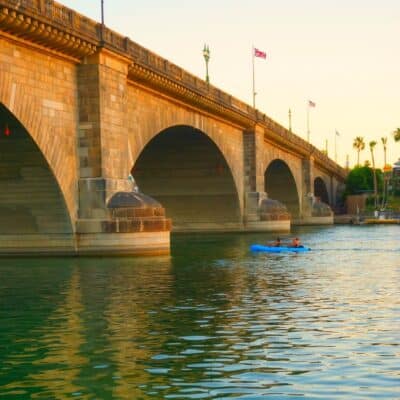
The 1831 London Bridge couldn’t handle the amount of traffic it was getting, so in 1968, it was sold, dismantled, and rebuilt in Arizona as a tourist attraction in Lake Havasu City.
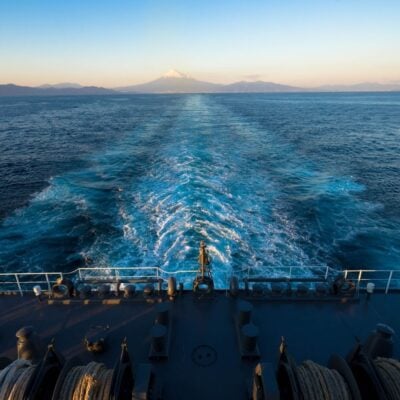
In January 1945, the German ship Wilhelm Gustloff was sunk by a Soviet submarine in the Baltic Sea, killing about 9,400 people and making it the deadliest maritime disaster in history.
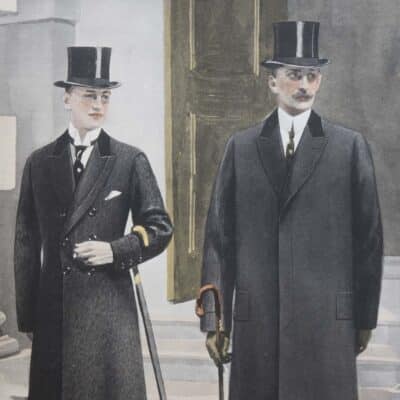
In historical England, a “gentleman” referred to a man of inherited social rank, lower than an esquire but higher than a yeoman or tradesman.
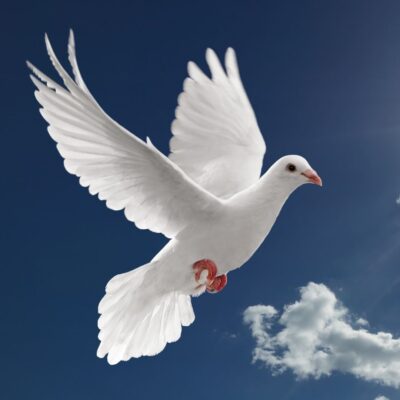
Pope Fabian, who served from 236 to 250 AD, was appointed to his position because a dove landed on his head during the election. He wasn’t even a candidate.
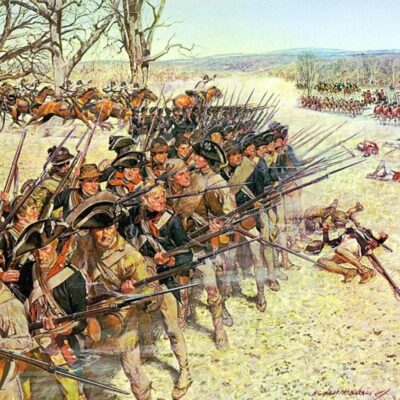
Mosquitoes helped the Continental Army during the American Revolution by spreading malaria among British troops.
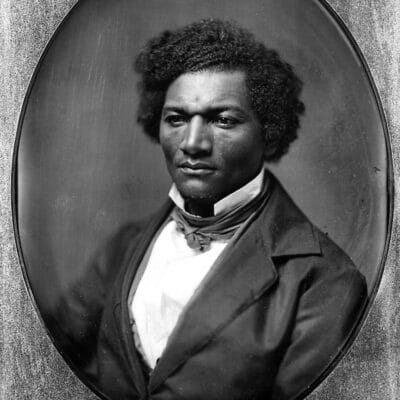
Frederick Douglass was the most photographed American of the 19th century. He aimed to ensure an accurate depiction of Black Americans during the Civil War.
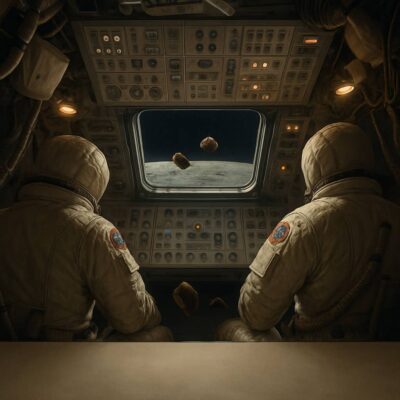
During the Apollo 10 mission, astronauts found a floating turd in the cabin on two separate occasions, but no one ever admitted to it.
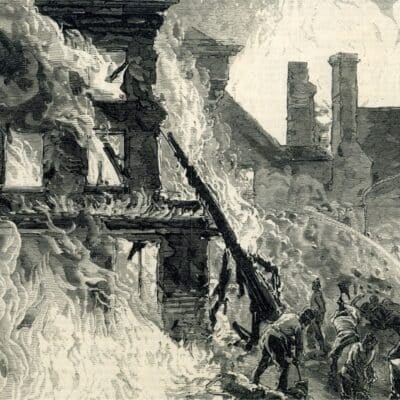
In the 1875 Dublin whiskey fire, 13 people died not from the flames but from alcohol poisoning after whiskey from burning warehouses flooded the streets and was drunk by residents.
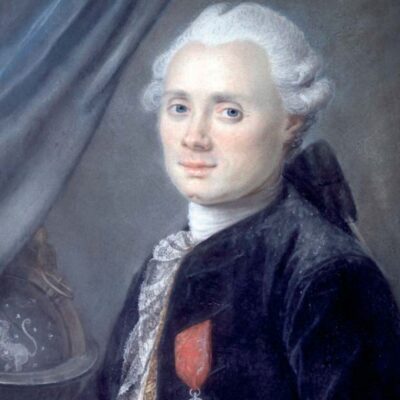
In the 18th century, French astronomer Charles Messier cataloged 110 of the most fascinating astronomical objects he found while searching the night sky for comets.
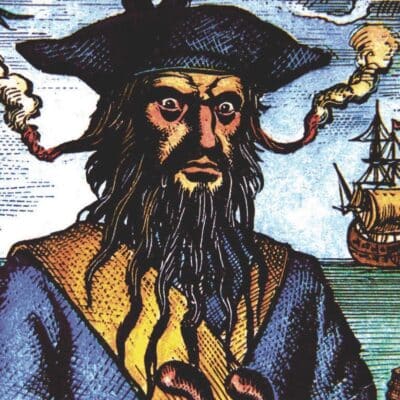
When Blackbeard captured ships, many of the enslaved Africans on board would go on to become pirates. By the time he died, nearly one-third of his crew were former slaves.
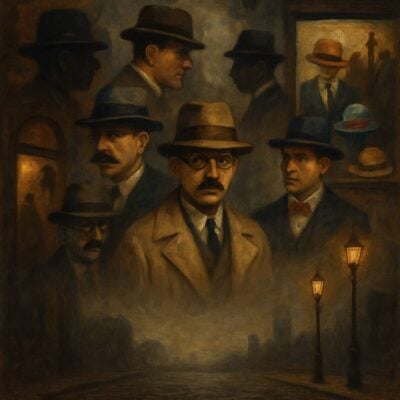
Despite being 5′5″ tall (165 cm) and having no prior detective experience, Izzy Einstein made about 4,900 arrests from 1920 to 1925 by relying on disguises and wit rather than force.
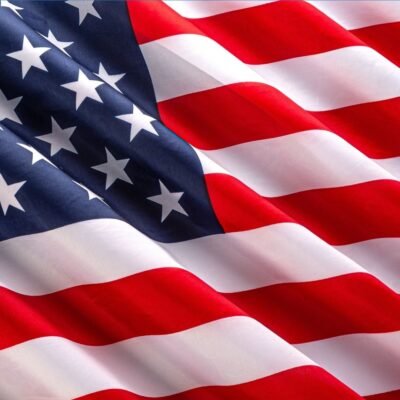
The 49-star U.S. flag was introduced on July 4, 1959, after Alaska became a state. It was replaced a year later by the 50-star flag following Hawaii’s statehood.

The apple tree that inspired Sir Isaac Newton’s theory of gravity is still alive and growing fruit at Woolsthorpe Manor in Lincolnshire, England.
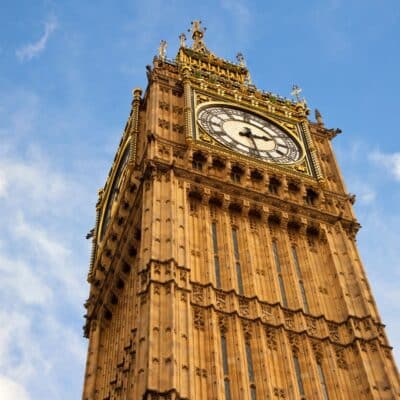
No reigning British monarch has entered the House of Commons chamber since King Charles I attempted to arrest five MPs in 1642.