If you’re like me and a bit of a history buff, you’re in the right place! You’ll love reading these interesting facts about historical events, people, and ancient civilizations.
Here, we bring together the most interesting & unknown history fact pictures that you didn’t know you needed to know!
From World War I to crazy historic civilizations, these interesting facts should leave you more knowledgeable than before.
We continuously add new history-related facts here, so why not bookmark us to stay updated with our most interesting facts?
History Facts
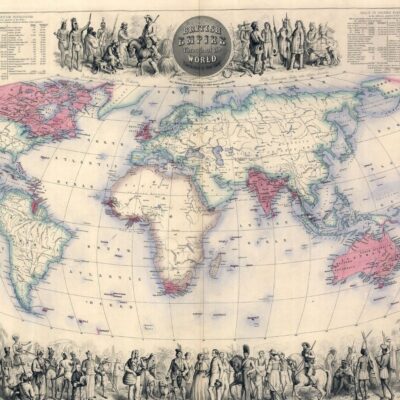
At its peak, the British Empire covered about 35.5 million square kilometers, which is 93.4 percent of the Moon’s surface area.
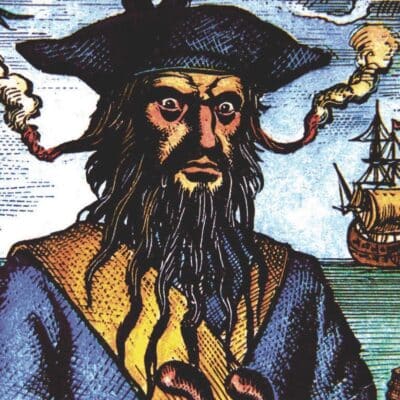
When Blackbeard captured ships, many of the enslaved Africans on board would go on to become pirates. By the time he died, nearly one-third of his crew were former slaves.
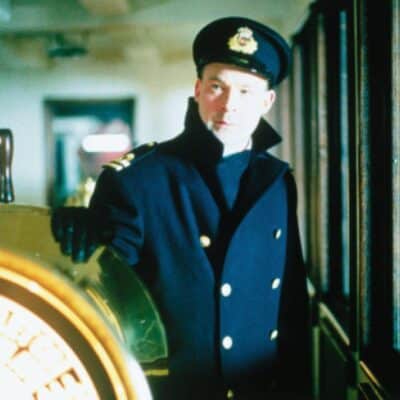
In the Titanic movie, crew member William Murdoch shot a passenger and then took his own life. In real life, he went down with the ship while filling lifeboats and saving lives.
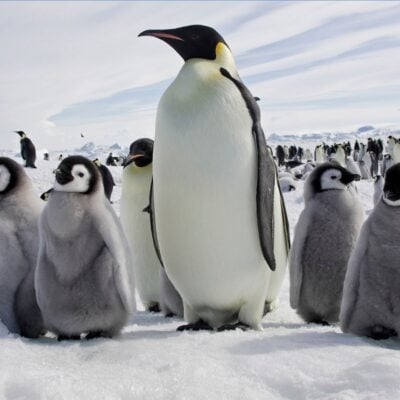
From 1948 to 1958, a Florida man tricked locals into thinking a 15-foot-tall penguin had visited their local beach by wearing giant cast-iron shoes shaped like penguin feet.
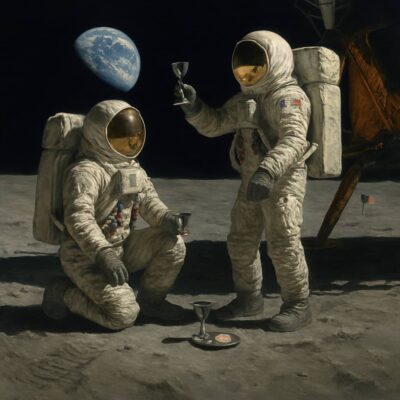
When Neil Armstrong and Buzz Aldrin landed on the moon, Buzz conducted a private communion service, drinking wine from a silver chalice he’d brought from his church.
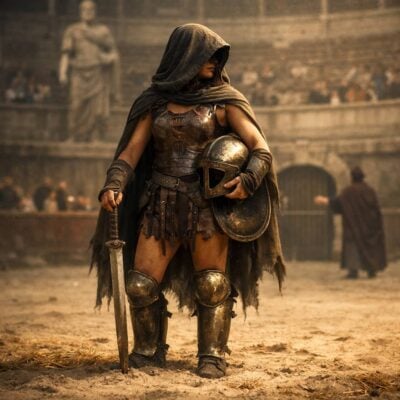
A female gladiator in ancient Rome was called a gladiatrix, but women’s participation in arena combat was rare and outlawed after AD 200.
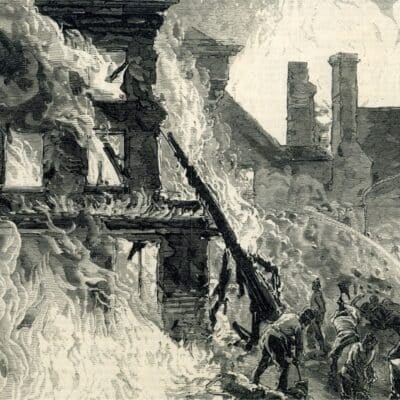
In the 1875 Dublin whiskey fire, 13 people died not from the flames but from alcohol poisoning after whiskey from burning warehouses flooded the streets and was drunk by residents.
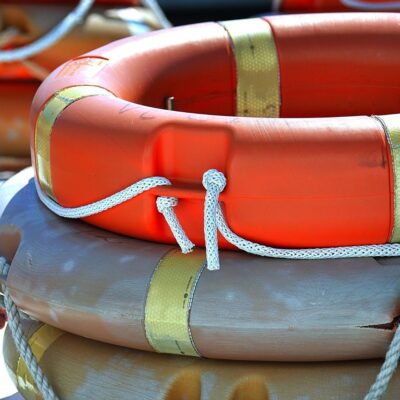
In 1985, the New Orleans lifeguards threw a pool party to celebrate a season without a single drowning. Ironically, a man drowned in the pool that night.
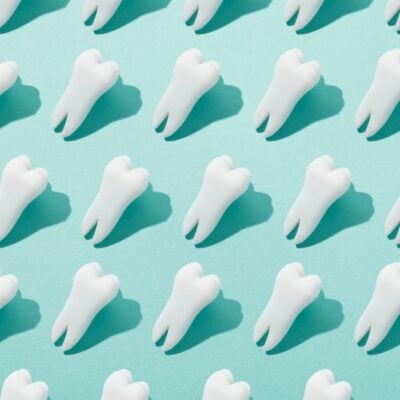
In the 1800s, some wealthy people wore dentures made from teeth pulled from dead soldiers at the Battle of Waterloo; these later became known as “Waterloo teeth.”
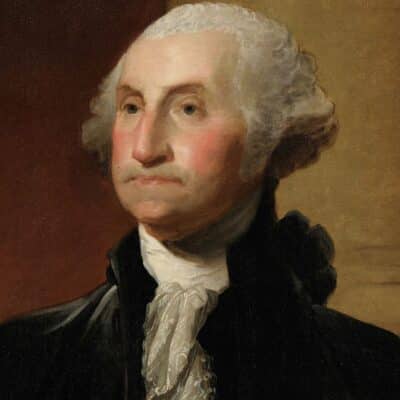
When George Washington died, Napoleon Bonaparte of France gave a personal eulogy and ordered a ten-day mourning period for France.

In 1937, a major fire broke out at the Fox Film Studios in New Jersey. The fire destroyed 75% of their movies, including most of their silent films.
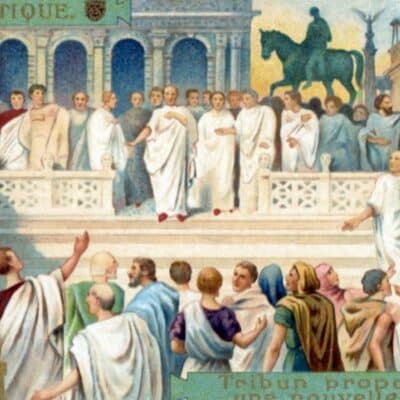
If the electors of the Holy Roman Emperor did not vote within 30 days, they were only allowed to eat bread and water and were forbidden to leave the city.
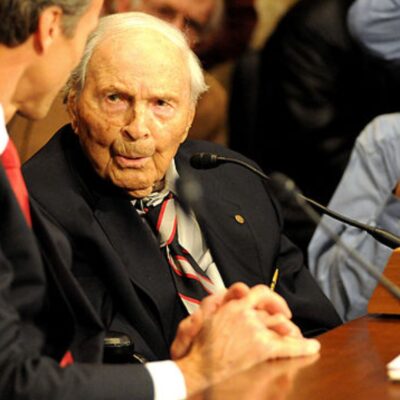
Corporal Frank Buckles was the last surviving American soldier from WWI, passing away in 2011 at age 110. His advice for a long life was, “When you start to die… don’t.”

In 18th-century England, having a pineapple was a symbol of wealth because of high import fees. They were often used as displays instead of being eaten.
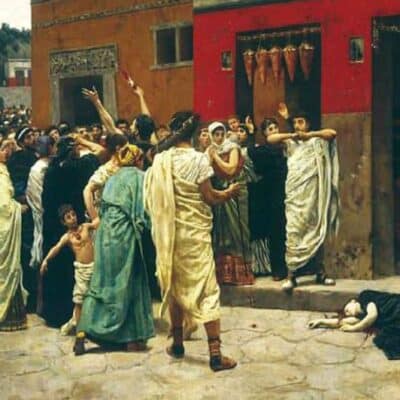
In ancient Rome, commoners would evacuate entire cities in acts of revolt called “Secessions of the Plebeians,” leaving the elite in the cities to fend for themselves.
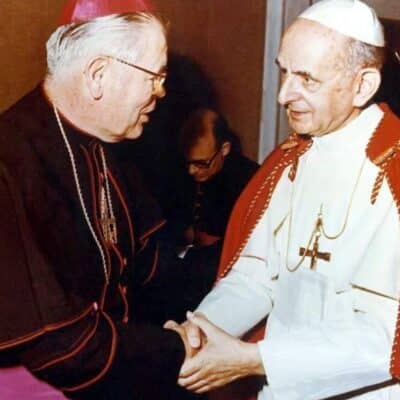
After Apollo 11 launched from Cape Canaveral in 1969, the bishop of Orlando joked that he was bishop of the Moon according to Canon Laws relating to newly discovered territories.
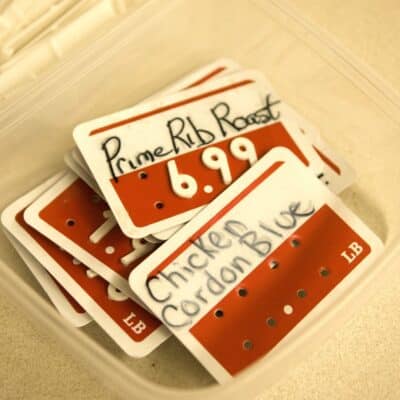
The Quakers invented price tags to stop haggling, believing it was unethical to charge customers differently.
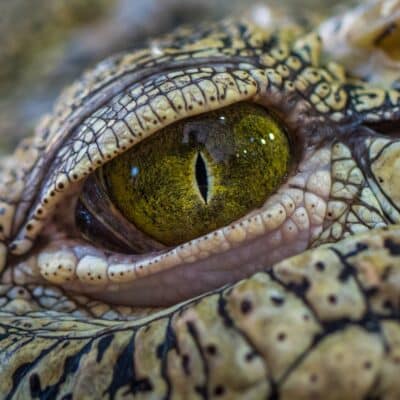
On August 25, 2010, a plane in Congo crashed due to panic caused by an escaped crocodile, resulting in 20 deaths and two survivors, including the crocodile.
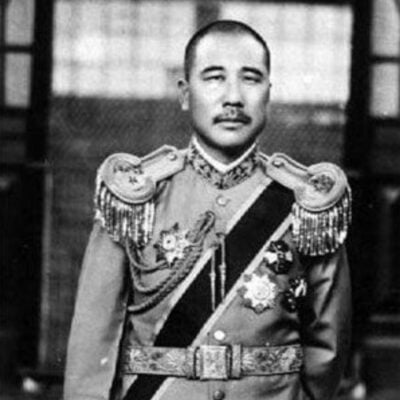
Zhang Zongchang, who ruled Shandong in the 1920s, was nicknamed “Three Don’t Knows” because he never knew how much money or how many concubines he had, nor how many men were in his army.
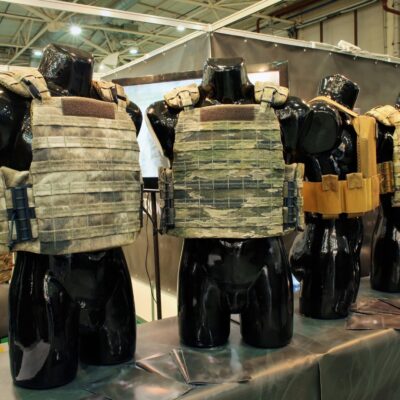
Casimir Zeglen, a Polish priest, invented a silk bulletproof vest and personally demonstrated its effectiveness by wearing it during public tests where he was shot at.
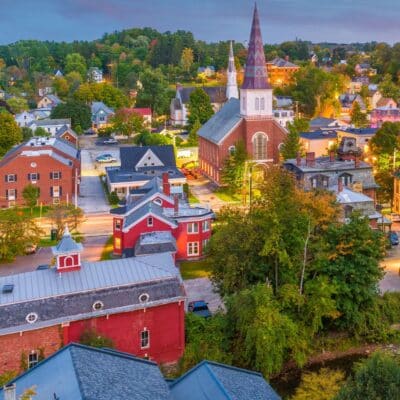
From 1777 until its admission to the United States in 1791, Vermont existed as a self-governing independent state. It had its own copper coins and operated its own postal service.
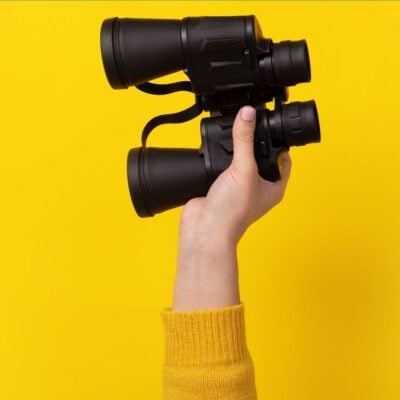
There were binoculars on board the Titanic, but they were locked in a box, and the key was left ashore. If the binoculars had been accessible, the icebergs may have been spotted.
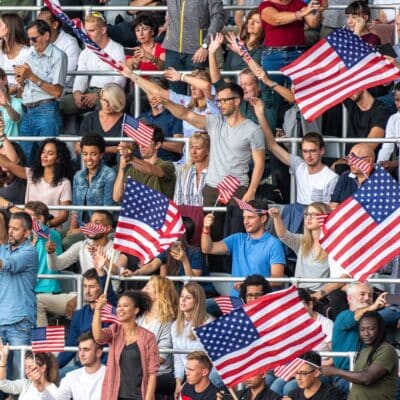
The original Star-Spangled Banner was sewn on a brewery floor in Baltimore in 1813 by Mary Pickersgill and her daughter.