Are you looking for awesome facts about your favorite animals? Look no further!
Here at The Fact Site, we’ve gathered the most interesting animal fact images, including facts about your favorite mammals, reptiles, birds, insects, and much more!
From the cutest pets to the oldest dinosaurs, these animal facts will leave you wanting more!
We add new animal facts regularly, so please bookmark us to stay updated with our latest and greatest animal facts.
Animal Facts

Pal, a male collie initially hired as a stunt dog for the 1943 movie “Lassie Come Home,” performed so well that he was recast as Lassie, replacing the original female collie.

“Bookworm” originally referred to insects such as beetle larvae, silverfish, or cockroaches that damage books, while paper lice feed on mold in poorly maintained books.

One of the oldest animals on Earth is the ctenophore, also known as a comb jelly, with the oldest fossils dating back approximately 525 million years.
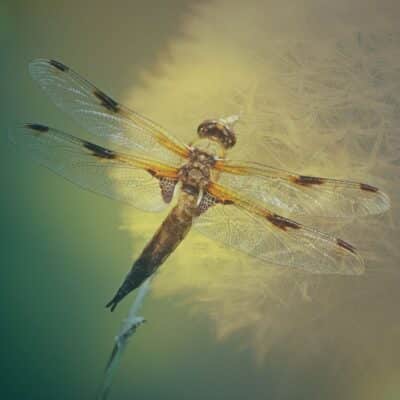
Dragonflies existed over 300 million years ago, long before dinosaurs, with some prehistoric species having wingspans as large as 2.5 feet.
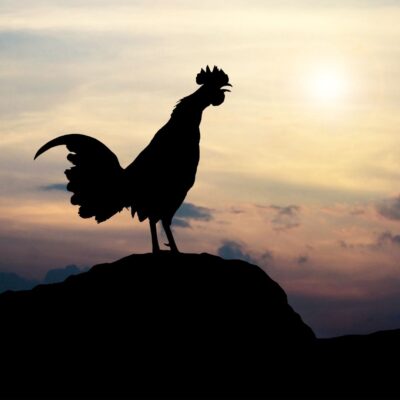
When roosters crow, soft tissues in their heads close off their ear canals, acting as natural earplugs.
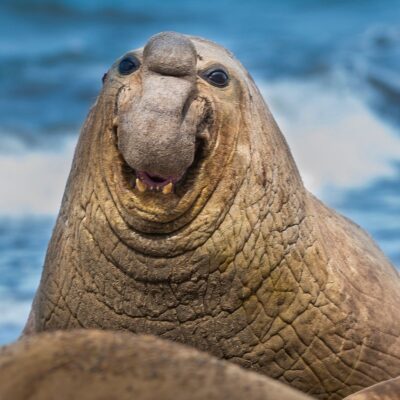
Elephant seals can dive up to 5,000 feet (1,524 meters) deep and remain submerged for as long as two hours, tolerating the crushing pressures of the deep sea.
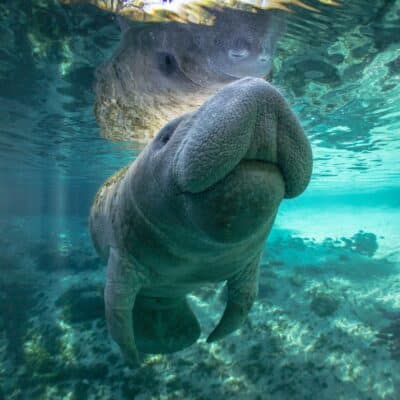
Manatees can develop cold stress syndrome when water temperatures fall below 68°F, as their fat does not provide effective insulation against the cold.
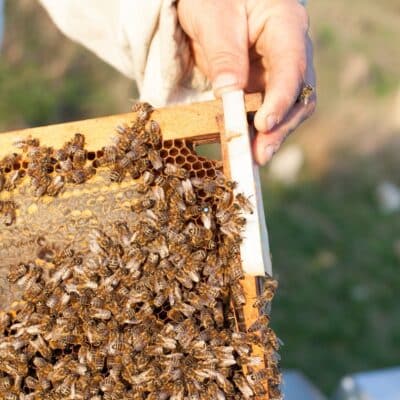
A beekeeper in South Australia taught his dog Bazz to sniff out an infectious disease that wipes out bee colonies, then invented a dog beekeeper suit for Bazz the Beekeeper.

Honey and items immersed in honey can be preserved for centuries. The long shelf life is due to an enzyme found in the stomachs of bees.

Due to their intelligence and agility, ferrets have been employed to run cables through confined spaces.
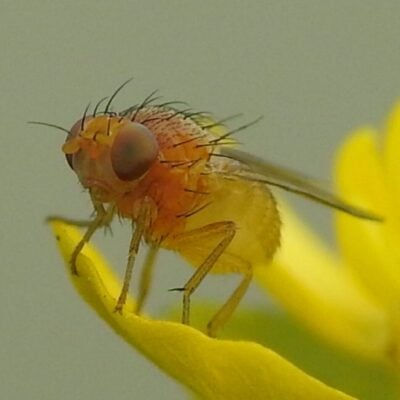
Humans were not the first living creatures in space; fruit flies earned that title when they were launched aboard a U.S. rocket in 1947 to study radiation exposure.

Although a lion has appeared on Britain’s coat of arms since at least 1189 AD, the country hasn’t had wild lions since the Stone Age.
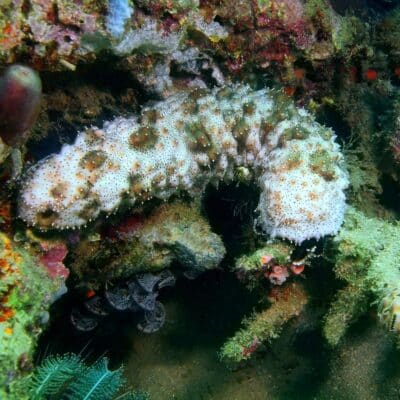
Sea cucumbers eject their organs to fend off predators during fights, and then grow them back within a few days.
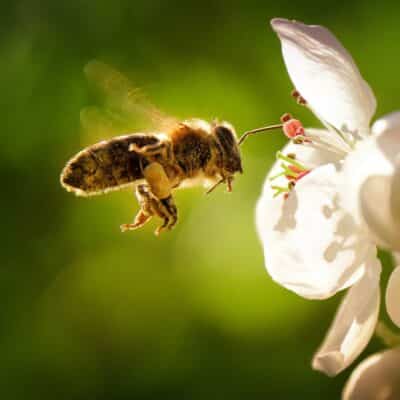
Bees actually have knees, but the phrase “bee’s knees” became popular in the 1920s simply because it sounded catchy.
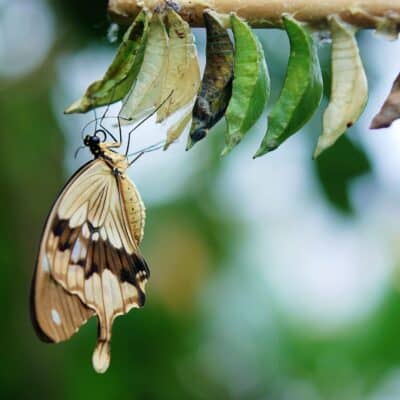
During metamorphosis, caterpillars turn most of their tissues into liquid. However, the imaginal discs, which will develop into structures like wings, legs, and antennae, remain intact.

There is a species of horse fly with a golden abdomen named “Scaptia beyonceae” in honor of Beyoncé.
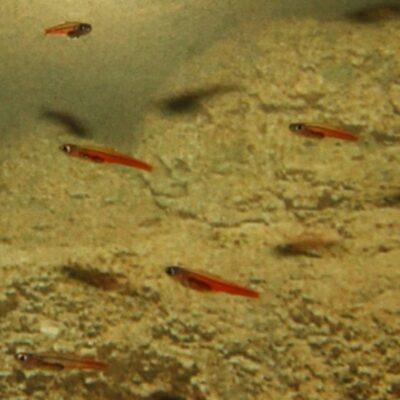
At just 0.24 inches (6.2 millimeters) long when mature, male Photocorynus spiniceps are the smallest fish in the world.

In the 1870s, 37 cats were trained to deliver mail in Liège, Belgium, but the experiment was short-lived due to inefficiency, with most cats taking up to a day for deliveries.

Founded in 2013, South Africa’s Black Mamba Anti-Poaching Unit is a female-led force that’s reduced poaching by 89% and nearly eliminated snaring in its conservation areas.

George Washington was a fan of hunting hounds and kept more than 30 of them. According to one of his journals, three of the hounds were named Drunkard, Tipler & Tipsy.