Are you looking for awesome facts about your favorite animals? Look no further!
Here at The Fact Site, we’ve gathered the most interesting animal fact images, including facts about your favorite mammals, reptiles, birds, insects, and much more!
From the cutest pets to the oldest dinosaurs, these animal facts will leave you wanting more!
We add new animal facts regularly, so please bookmark us to stay updated with our latest and greatest animal facts.
Animal Facts

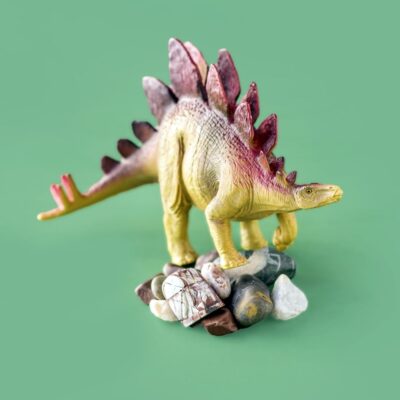
Stegosauruses did not coexist in the same time frame as Tyrannosaurus Rex. In fact, the T-rex lived closer in time to us than it did to Stegosauruses.

Bulls don’t actually hate the color red. Instead, they charge at the motion the red cape makes when a matador waves it. The cape is dyed red to hide the blood stains.
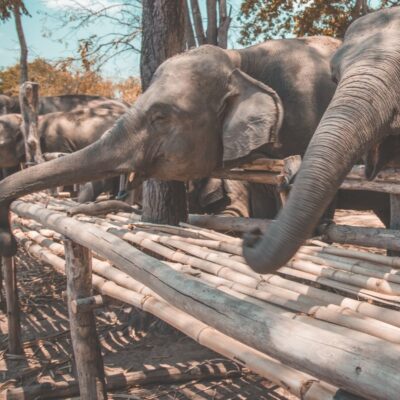
As of 2024, studies indicate that in China, over 70% of captive Asian elephants are overweight or obese.

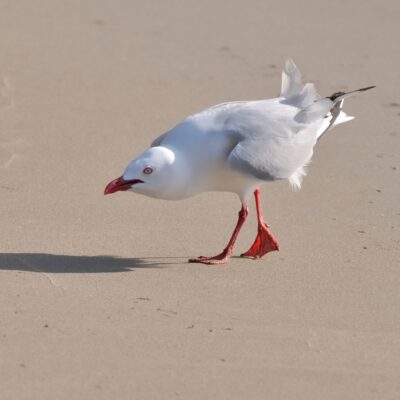
The seagulls in Alfred Hitchcock’s movie “The Birds” were fed a mixture of wheat and whiskey. It was the only way to get them to stand around so much instead of flying away.

After Animal Planet aired two fake documentaries on mermaids, the U.S. government issued a statement to clarify that mermaids do not exist.
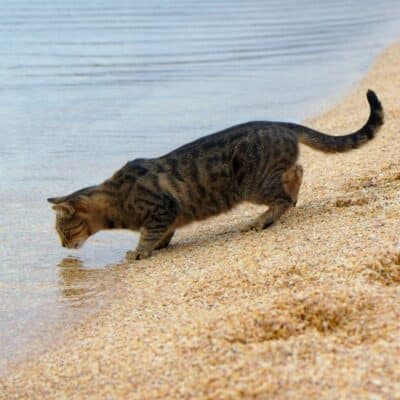
Cats can hydrate from seawater because their kidneys efficiently filter out the salt, while humans and most animals risk dehydration from drinking seawater.
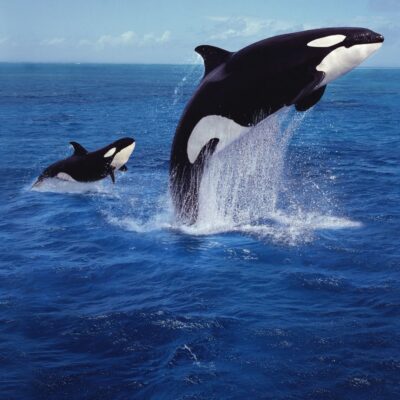
In 1996, researchers found a young orca with severe spine and fin injuries. Unable to hunt, the calf, called Stumpy, was cared for by up to five different orca pods.
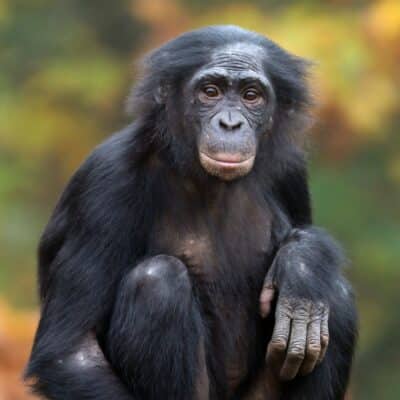
Brian the Bonobo was treated with Paxil for anxiety, and he was documented sharing his pills with other apes during his recovery.

There are two species of African spiders named after “The Dude” from The Big Lebowski. They are called “Anelosimus biglebowski” and “Anelosimus dude.”

Dragonflies existed over 300 million years ago, long before dinosaurs, with some prehistoric species having wingspans as large as 2.5 feet.

After the 9/11 attacks, a Maasai tribe in Kenya gifted 14 cows to the United States in a gesture of sympathy and solidarity.
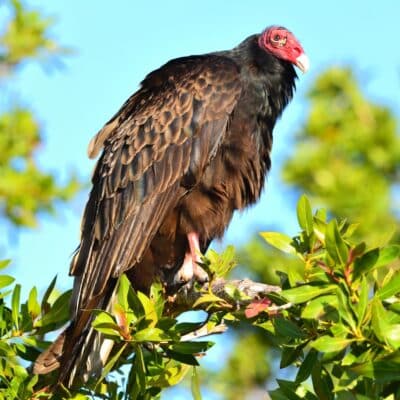
Turkey vultures use defensive vomit as a method to repel potential threats and can project their vomit up to 10 feet.
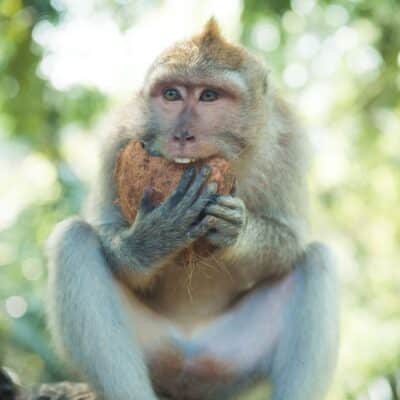
In Thailand, coconut farmers utilize trained macaque monkeys, which can harvest up to 1,600 coconuts a day, compared to 80 to 200 coconuts picked by human workers.

Over 99% of the five billion species that have ever lived on Earth throughout the planet’s history are extinct.

Dogs can be allergic to human dander, causing symptoms like itching and sneezing. Recovery can take up to 12 months with treatments like corticosteroids and immunotherapy.

In some parts of the world, spiked dog collars are still used for their original purpose: to protect shepherding dogs from predators like wolves.

Honey and items immersed in honey can be preserved for centuries. The long shelf life is due to an enzyme found in the stomachs of bees.
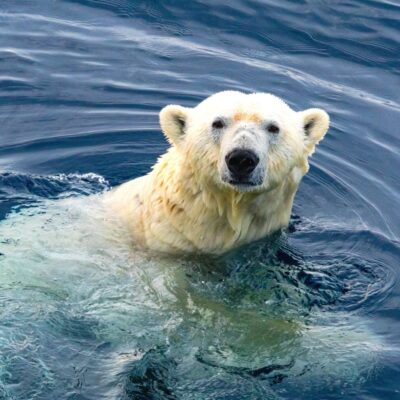
In 2019, a state of emergency was declared in one of Russia’s Arctic regions due to a mass invasion of polar bears.
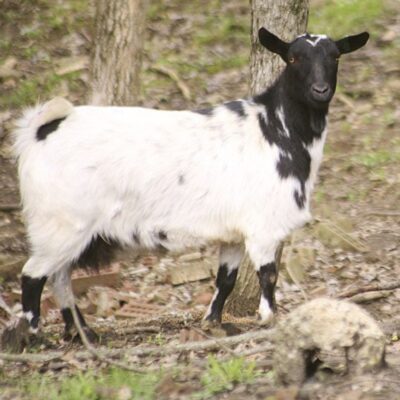
The myotonic goat, also known as the Tennessee fainting goat, stiffens and may fall over when startled or excited due to a hereditary condition called myotonia congenita.
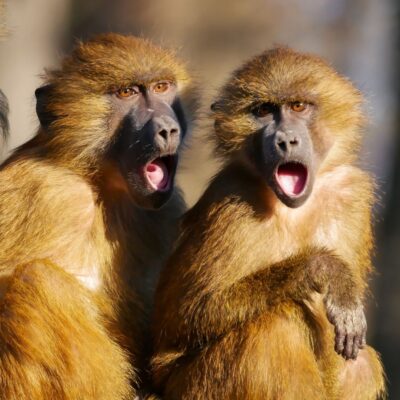
In 1970, the first successful head/brain transplant was performed on a monkey. The monkey was able to smell, hear, and taste, but was sadly paralyzed and died nine days later.