Are you looking for awesome facts about your favorite animals? Look no further!
Here at The Fact Site, we’ve gathered the most interesting animal fact images, including facts about your favorite mammals, reptiles, birds, insects, and much more!
From the cutest pets to the oldest dinosaurs, these animal facts will leave you wanting more!
We add new animal facts regularly, so please bookmark us to stay updated with our latest and greatest animal facts.
Animal Facts
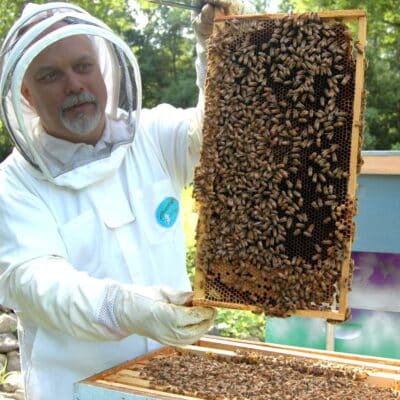
Eating bananas near bee hives may provoke aggression, as the banana scent resembles an alarm pheromone bees release when defending the hive.
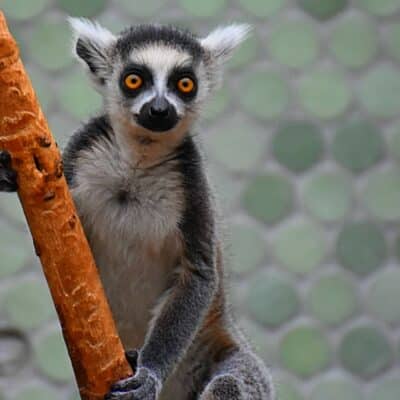
Lemurs are named from the Latin term “lemures,” meaning spirits or ghosts, because of their nocturnal activity and slow, mysterious movements.

Contrary to popular belief, we don’t eat eight spiders in our sleep every year. This myth was first shared in 1993 to highlight gullibility but ironically spread as truth.

Founded in 2013, South Africa’s Black Mamba Anti-Poaching Unit is a female-led force that’s reduced poaching by 89% and nearly eliminated snaring in its conservation areas.

Cats can hydrate from seawater because their kidneys efficiently filter out the salt, while humans and most animals risk dehydration from drinking seawater.

Manatees can develop cold stress syndrome when water temperatures fall below 68°F, as their fat does not provide effective insulation against the cold.

In 1996, researchers found a young orca with severe spine and fin injuries. Unable to hunt, the calf, called Stumpy, was cared for by up to five different orca pods.

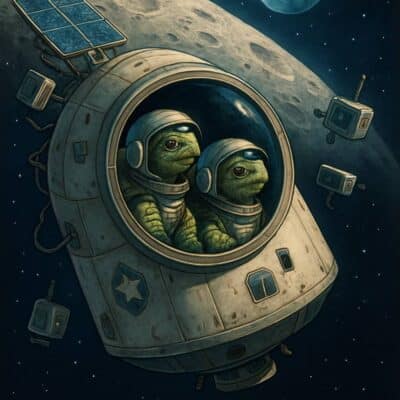
The first living creatures to orbit the Moon weren’t humans but tortoises! They spent seven days there in 1968 before returning safely to Earth.

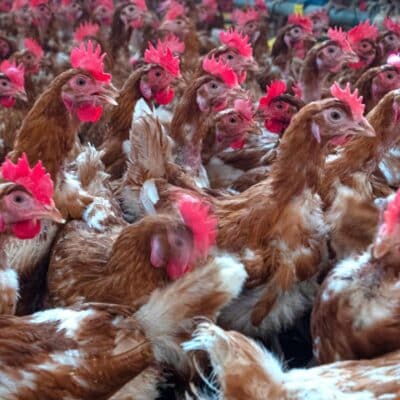
At the start of the 20th century, “chicken spectacles” were popularly used in the U.S. to prevent chickens from feather pecking or eating each other by restricting their vision.
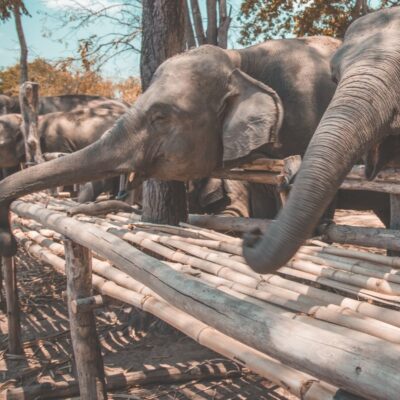
As of 2024, studies indicate that in China, over 70% of captive Asian elephants are overweight or obese.
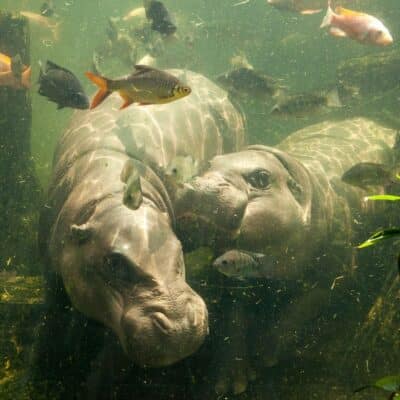
Hippopotamuses are the closest living relatives to whales, dolphins, and porpoises, having split from their common ancestor about 50-55 million years ago.


Honey bees visit around 2 million flowers and fly more than 55,000 miles to make just 1 pound of honey.


In 1970, the first successful head/brain transplant was performed on a monkey. The monkey was able to smell, hear, and taste, but was sadly paralyzed and died nine days later.

Sea cucumbers eject their organs to fend off predators during fights, and then grow them back within a few days.

Humans were not the first living creatures in space; fruit flies earned that title when they were launched aboard a U.S. rocket in 1947 to study radiation exposure.

In Switzerland, it’s illegal to own just one guinea pig. This is due to the fact that they’re social animals and require companionship to prevent loneliness and associated health issues.