Are you looking for awesome facts about your favorite animals? Look no further!
Here at The Fact Site, we’ve gathered the most interesting animal fact images, including facts about your favorite mammals, reptiles, birds, insects, and much more!
From the cutest pets to the oldest dinosaurs, these animal facts will leave you wanting more!
We add new animal facts regularly, so please bookmark us to stay updated with our latest and greatest animal facts.
Animal Facts

Although a lion has appeared on Britain’s coat of arms since at least 1189 AD, the country hasn’t had wild lions since the Stone Age.
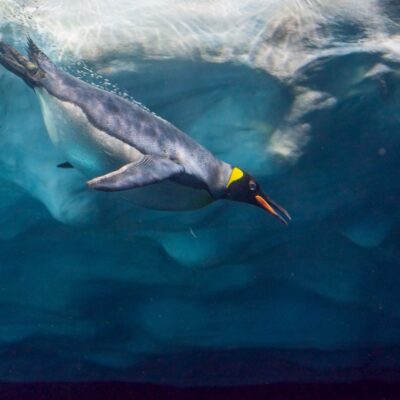
Emperor penguins have been recorded diving as deep as 1,850 feet (550 meters) and can hold their breath for more than 20 minutes.
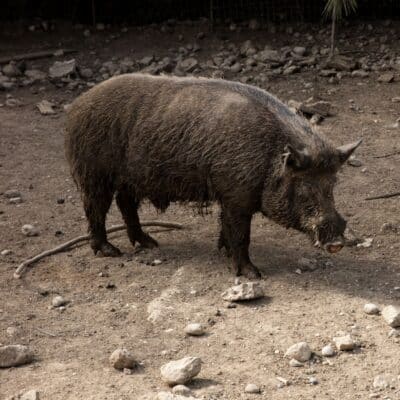
In Texas, the feral hog population is so bad that they’d have to kill 70% of all existing hogs each year in order to keep it from getting worse.

After the 9/11 attacks, a Maasai tribe in Kenya gifted 14 cows to the United States in a gesture of sympathy and solidarity.
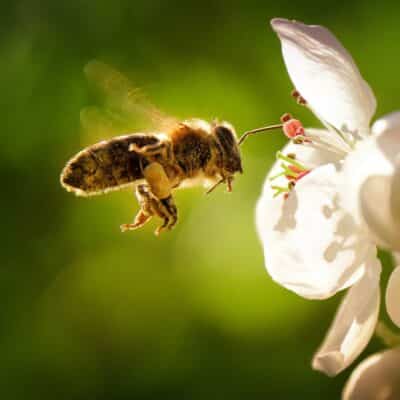
Bees actually have knees, but the phrase “bee’s knees” became popular in the 1920s simply because it sounded catchy.

Honey bees visit around 2 million flowers and fly more than 55,000 miles to make just 1 pound of honey.

From 1953 to 1957, NBC’s Today Show had a chimpanzee co-host named J. Fred Muggs. It is estimated he brought in the network around $100 million.

While hunting, stoats perform wild jumps, spins, and twists to mesmerize rabbits. This behavior allows the stoat to get close enough to launch an attack.
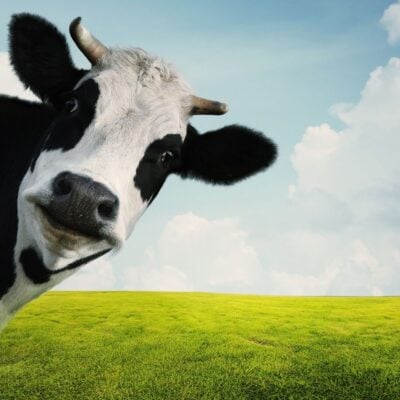
Research shows that cow tipping is unlikely. Standing cows require up to 899 pounds of force (4,000 newtons) to tip, requiring up to fourteen people in a coordinated effort.

One of the oldest animals on Earth is the ctenophore, also known as a comb jelly, with the oldest fossils dating back approximately 525 million years.

Dolphins have a typical cruising speed of 5-7 miles per hour (8-11 km/h), but some species, like the short-beaked common dolphin, can reach up to 37 mph (60 km/h).

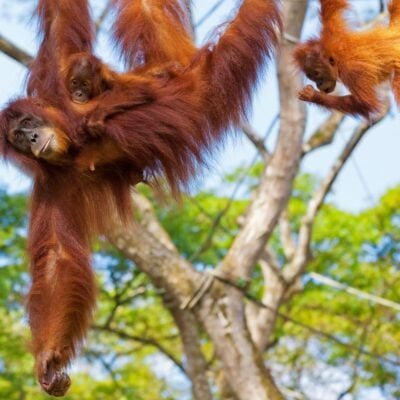
The name “orangutan” is derived from the Malay and Indonesian words orang, meaning “person,” and hutan, meaning “forest,” thus “person of the forest.”
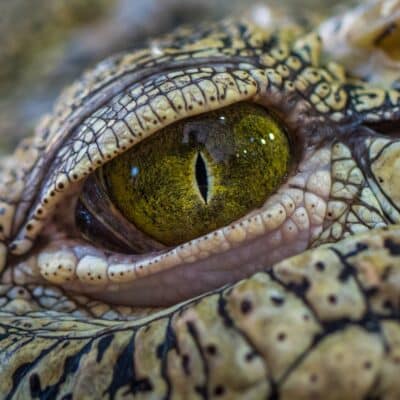
On August 25, 2010, a plane in Congo crashed due to panic caused by an escaped crocodile, resulting in 20 deaths and two survivors, including the crocodile.


Instead of roaring, Tyrannosaurus rexes likely produced booming sounds via closed-mouth vocalization, with deep frequencies that could carry over miles.
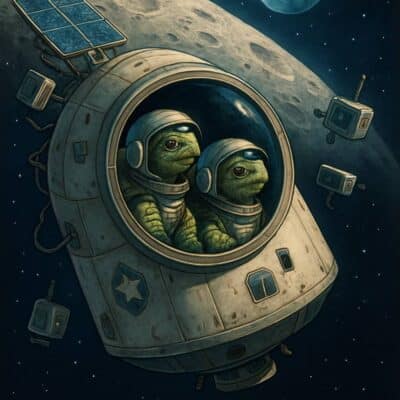
The first living creatures to orbit the Moon weren’t humans but tortoises! They spent seven days there in 1968 before returning safely to Earth.

Dogs can be allergic to human dander, causing symptoms like itching and sneezing. Recovery can take up to 12 months with treatments like corticosteroids and immunotherapy.
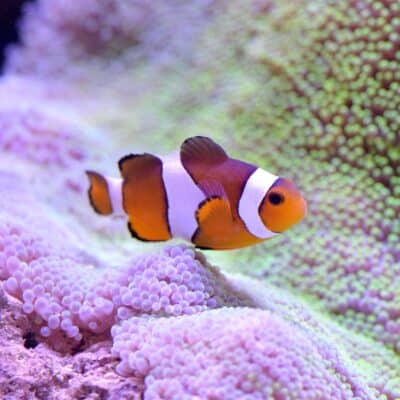
Schools of clownfish have a hierarchy with a female at the top. When the top female dies, the most dominant male changes his sex to female and takes over.

Cigar beetles lay eggs in tobacco, and these eggs can later hatch inside cigars when kept in warm, humid conditions, potentially infesting an entire collection.
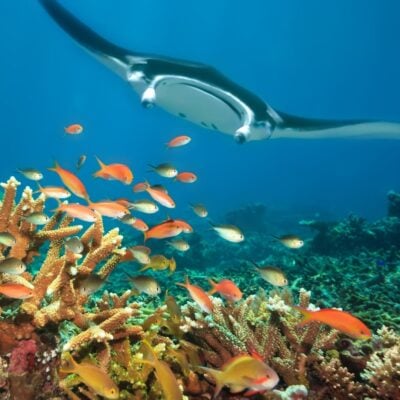
Giant manta rays have the largest brain-to-body ratio of any fish, with particularly well-developed areas for learning, problem-solving, and communicating.
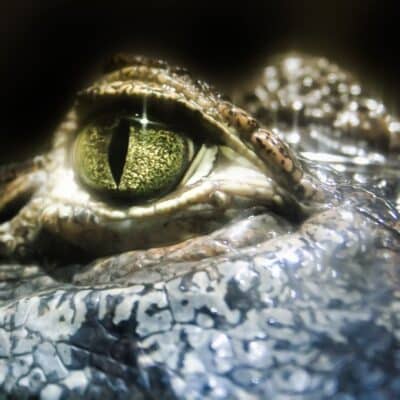
There is an unknown number of Nile crocodiles in Florida. They are the second-largest crocodile and are more dangerous than Florida’s native crocodiles and alligators.

The sport of squirrel fishing involves participants trying to catch squirrels and lift them into the air by using a fishing pole with a nut as bait.