Are you looking for awesome facts about your favorite animals? Look no further!
Here at The Fact Site, we’ve gathered the most interesting animal fact images, including facts about your favorite mammals, reptiles, birds, insects, and much more!
From the cutest pets to the oldest dinosaurs, these animal facts will leave you wanting more!
We add new animal facts regularly, so please bookmark us to stay updated with our latest and greatest animal facts.
Animal Facts
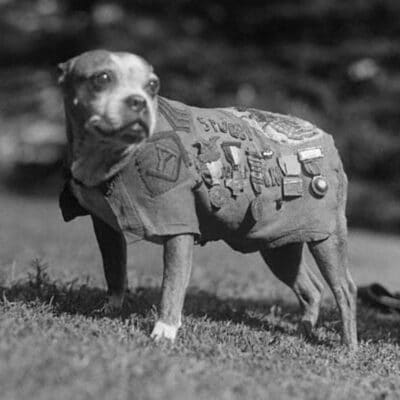
The first formal guide dog training school was established in Oldenburg, Germany, in 1916 to assist soldiers blinded in combat during World War I.

Perfluorohexane dissolves large amounts of oxygen, allowing animals to survive underwater by inhaling oxygenated liquid.


As a defense mechanism, hagfish excrete a slime that expands by 10,000 times in a fraction of a second, and is 100,000 times softer than Jell-O.
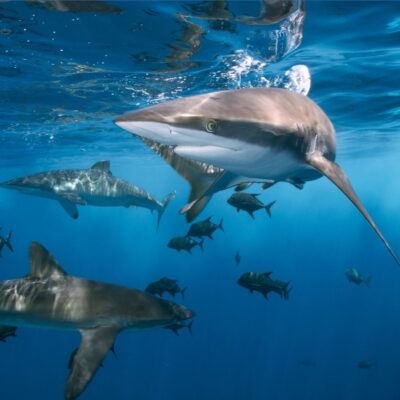
Some shark species, like the blacktip reef shark, display “rush hour” behavior. In the evening, they travel along specific paths between feeding and resting zones.

Hugging your pets lowers stress levels and elevates levels of serotonin and dopamine that help you feel calmer and more relaxed.

Ambergris, an ingredient in some luxury perfumes, is produced in the digestive system of sperm whales. It smells like poop when fresh but gains a sweet scent after aging.
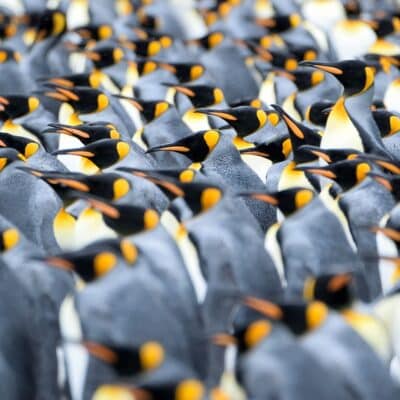

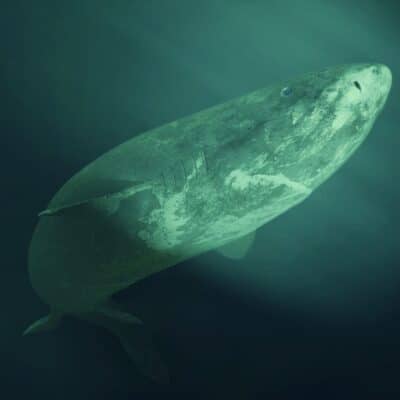
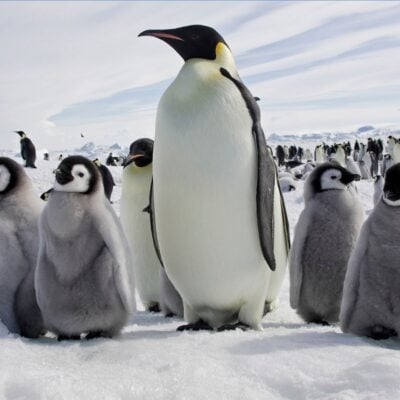
From 1948 to 1958, a Florida man tricked locals into thinking a 15-foot-tall penguin had visited their local beach by wearing giant cast-iron shoes shaped like penguin feet.

Due to their intelligence and agility, ferrets have been employed to run cables through confined spaces.

According to the Texas Parks and Wildlife Department, it is legal to kill Bigfoot if you find it in Texas. It would be considered a non-protected, nongame animal.

Sea cucumbers eject their organs to fend off predators during fights, and then grow them back within a few days.
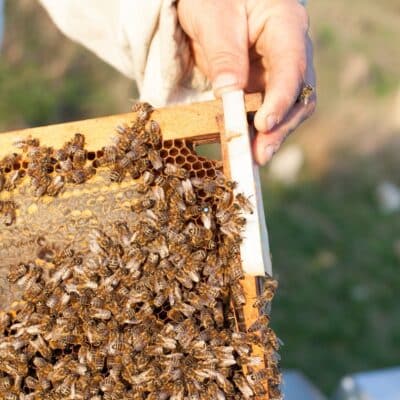
A beekeeper in South Australia taught his dog Bazz to sniff out an infectious disease that wipes out bee colonies, then invented a dog beekeeper suit for Bazz the Beekeeper.

In 2012, a swan capsized a man’s kayak and prevented him from swimming to shore, which caused him to drown.
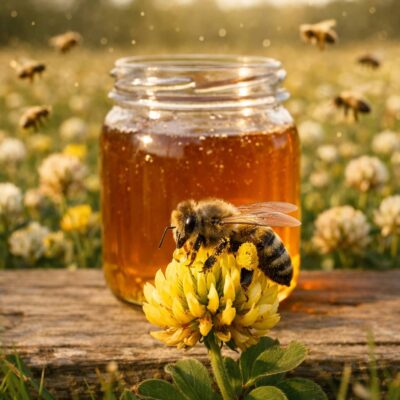
Honey bees visit around 2 million flowers and fly more than 55,000 miles to make just 1 pound of honey.
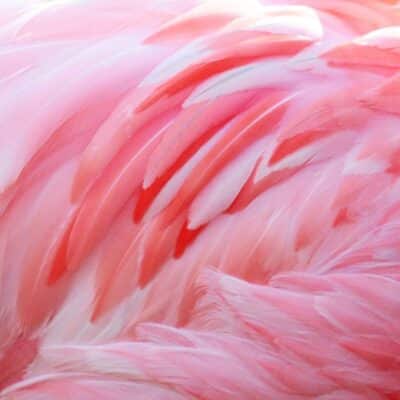
Flamingos pull one leg up to their bodies to save heat that could otherwise be lost when standing in cold water.
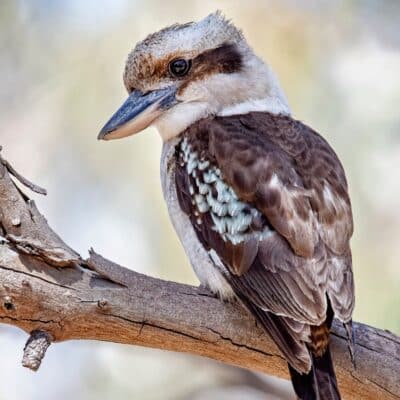
The kookaburra is native to Australia and New Guinea; its calls are often used as sound effects in movies for jungles in Africa or South America.

Mosquitoes helped the Continental Army during the American Revolution by spreading malaria among British troops.

Founded in 2013, South Africa’s Black Mamba Anti-Poaching Unit is a female-led force that’s reduced poaching by 89% and nearly eliminated snaring in its conservation areas.

In 2010, American researchers identified a “pocket shark” species found in the Gulf of Mexico. The tiny shark, measuring only 5½ inches, glows in the dark.
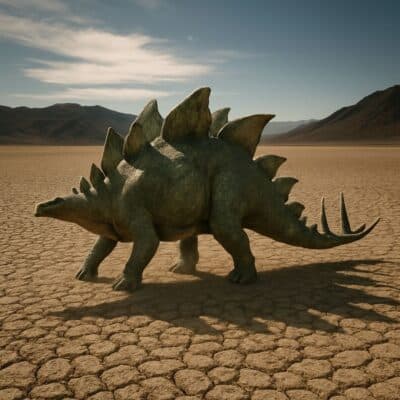
The group of spikes at the end of stegosaurid tails is called the “thagomizer.” They had no distinct name until the term was coined in 1982 by a cartoonist.