Are you looking for awesome facts about your favorite animals? Look no further!
Here at The Fact Site, we’ve gathered the most interesting animal fact images, including facts about your favorite mammals, reptiles, birds, insects, and much more!
From the cutest pets to the oldest dinosaurs, these animal facts will leave you wanting more!
We add new animal facts regularly, so please bookmark us to stay updated with our latest and greatest animal facts.
Animal Facts
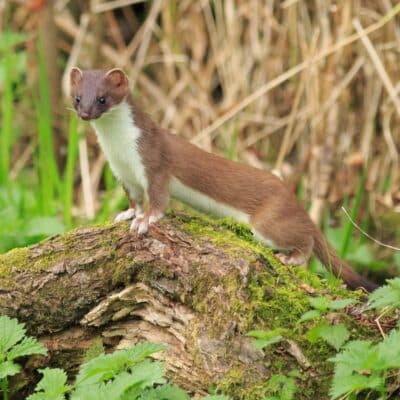
While hunting, stoats perform wild jumps, spins, and twists to mesmerize rabbits. This behavior allows the stoat to get close enough to launch an attack.

“Bookworm” originally referred to insects such as beetle larvae, silverfish, or cockroaches that damage books, while paper lice feed on mold in poorly maintained books.
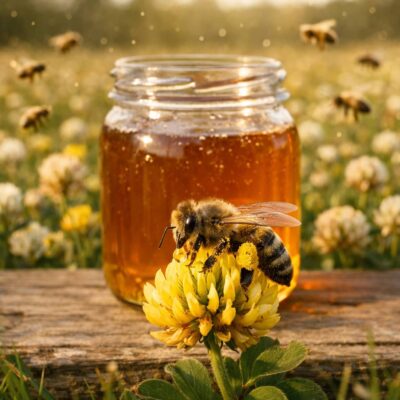
Honey bees visit around 2 million flowers and fly more than 55,000 miles to make just 1 pound of honey.
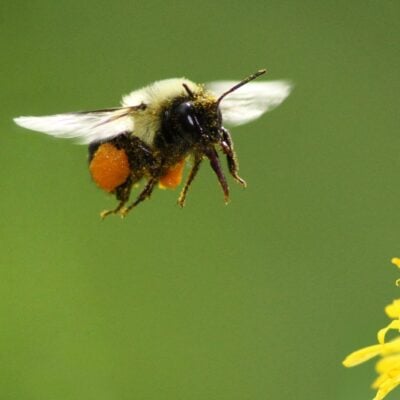
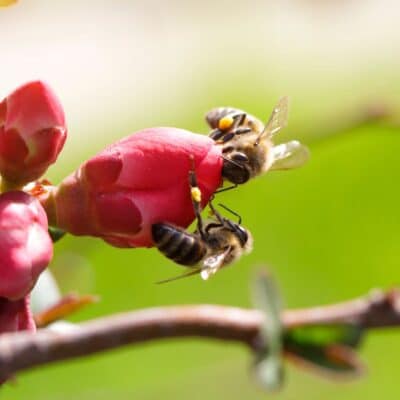
When bumblebees flap their wings, they generate a positive charge, which transfers to the flowers they land on. This tells other bees not to visit the flower.
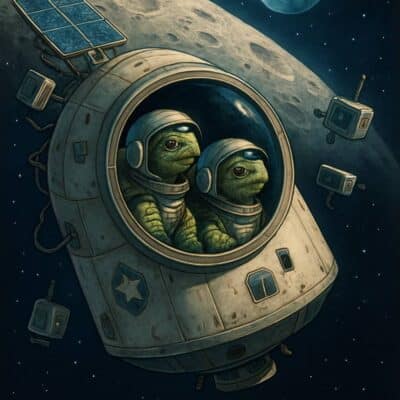
The first living creatures to orbit the Moon weren’t humans but tortoises! They spent seven days there in 1968 before returning safely to Earth.
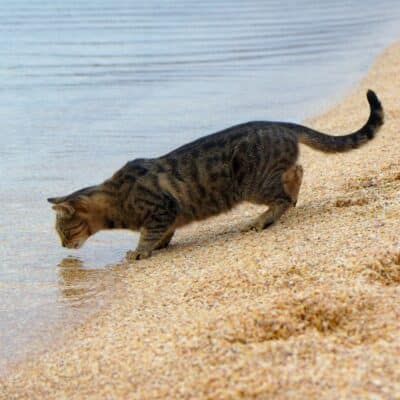
Cats can hydrate from seawater because their kidneys efficiently filter out the salt, while humans and most animals risk dehydration from drinking seawater.
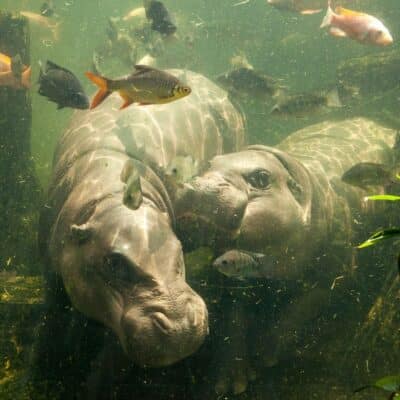
Hippopotamuses are the closest living relatives to whales, dolphins, and porpoises, having split from their common ancestor about 50-55 million years ago.
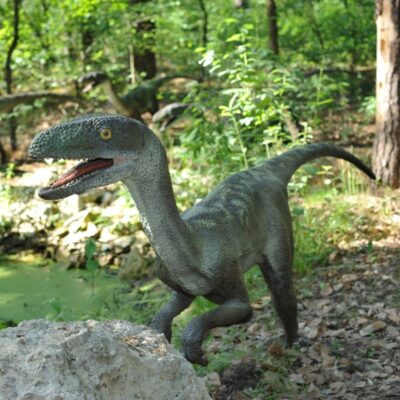
Standing at around 3-4 feet (0.9-1.2 meters) tall, velociraptors were only about twice the size of an average chicken.

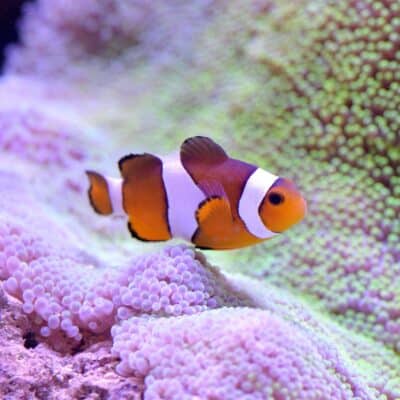
Schools of clownfish have a hierarchy with a female at the top. When the top female dies, the most dominant male changes his sex to female and takes over.

Mosquitoes helped the Continental Army during the American Revolution by spreading malaria among British troops.
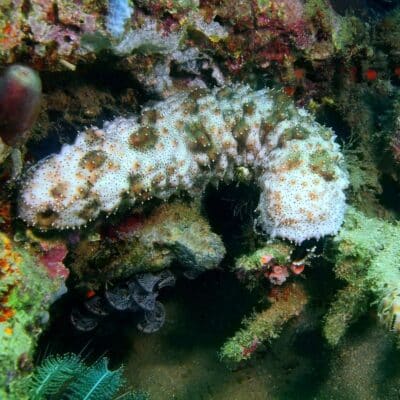
Sea cucumbers eject their organs to fend off predators during fights, and then grow them back within a few days.
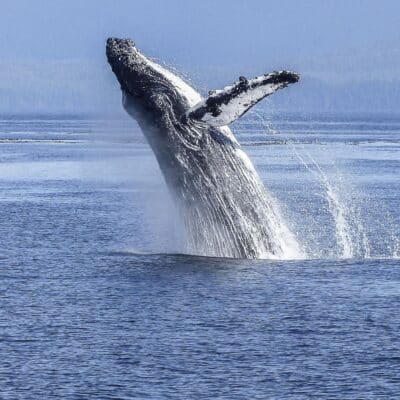
A blue whale’s heart can weigh up to 400 pounds and is about the size of a small golf cart. During deep dives, its heartbeat can slow to just two beats per minute.

Dolphins have a typical cruising speed of 5-7 miles per hour (8-11 km/h), but some species, like the short-beaked common dolphin, can reach up to 37 mph (60 km/h).

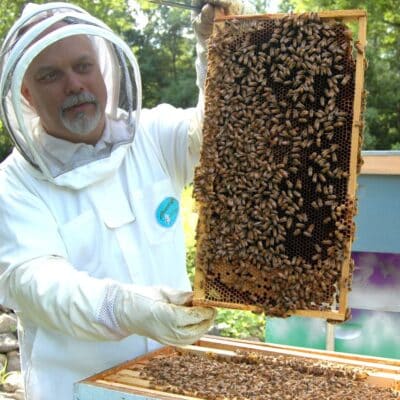
Eating bananas near bee hives may provoke aggression, as the banana scent resembles an alarm pheromone bees release when defending the hive.

The blue ghost firefly, a rare species in the Southern Appalachian forests, emits a blue glow lasting up to a minute each time.
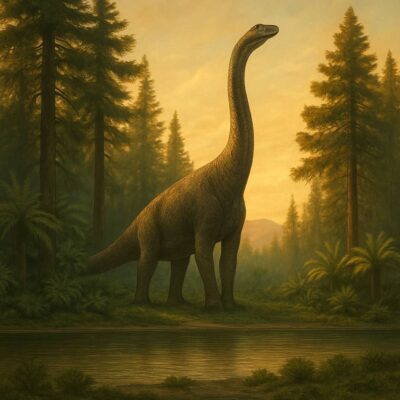
The tallest dinosaur to roam the planet was the Sauroposeidon proteles, a sauropod from the early Cretaceous period that stood as tall as 59 feet, equivalent to a six-story building!
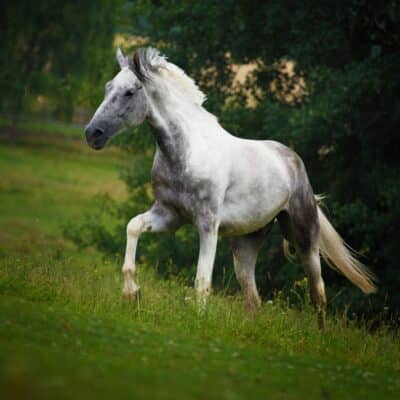
One horse can have approximately 15 horsepower. Horsepower is about 746 watts. The term was coined in the late 18th century.

The sport of squirrel fishing involves participants trying to catch squirrels and lift them into the air by using a fishing pole with a nut as bait.
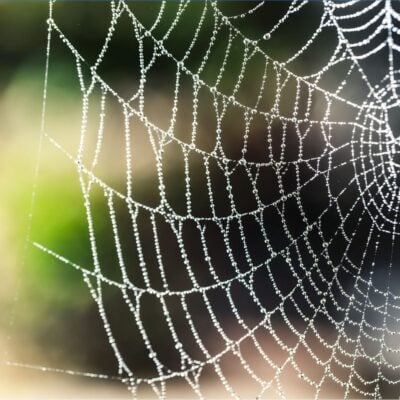
There are two species of African spiders named after “The Dude” from The Big Lebowski. They are called “Anelosimus biglebowski” and “Anelosimus dude.”