Are you looking for awesome facts about your favorite animals? Look no further!
Here at The Fact Site, we’ve gathered the most interesting animal fact images, including facts about your favorite mammals, reptiles, birds, insects, and much more!
From the cutest pets to the oldest dinosaurs, these animal facts will leave you wanting more!
We add new animal facts regularly, so please bookmark us to stay updated with our latest and greatest animal facts.
Animal Facts

There are two species of African spiders named after “The Dude” from The Big Lebowski. They are called “Anelosimus biglebowski” and “Anelosimus dude.”
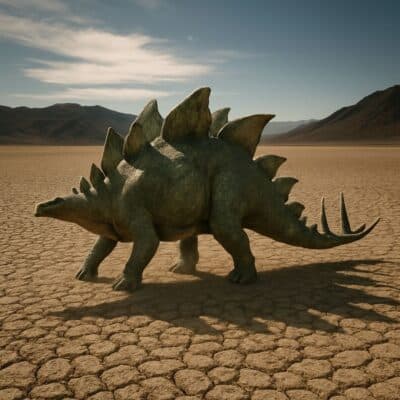
The group of spikes at the end of stegosaurid tails is called the “thagomizer.” They had no distinct name until the term was coined in 1982 by a cartoonist.

Honey and items immersed in honey can be preserved for centuries. The long shelf life is due to an enzyme found in the stomachs of bees.


Sea snakes hydrate by drinking from a freshwater layer that forms on the ocean’s surface after rainfall.

The first living creatures to orbit the Moon weren’t humans but tortoises! They spent seven days there in 1968 before returning safely to Earth.

“Fox tossing” was a pastime in the 18th century. The goal was to see which team of two could send a fox into the air the highest using a piece of cloth.


In 2012, a swan capsized a man’s kayak and prevented him from swimming to shore, which caused him to drown.

While hunting, stoats perform wild jumps, spins, and twists to mesmerize rabbits. This behavior allows the stoat to get close enough to launch an attack.
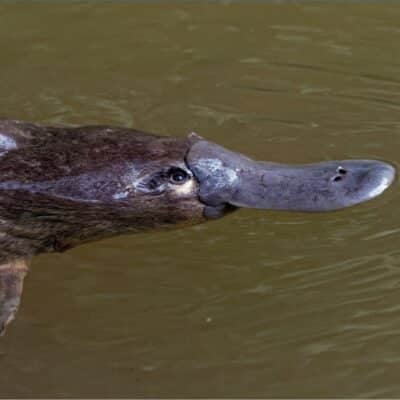
The first European scientists to examine a platypus body thought it was an elaborate hoax created from several other animal parts, including a duck’s bill and a beaver’s tail.
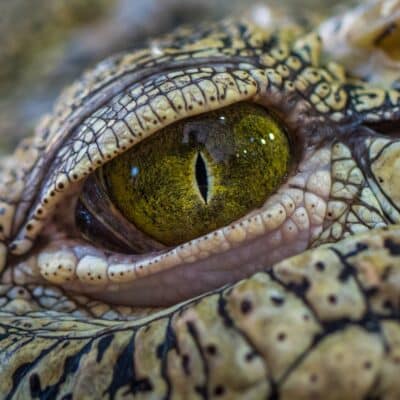
On August 25, 2010, a plane in Congo crashed due to panic caused by an escaped crocodile, resulting in 20 deaths and two survivors, including the crocodile.

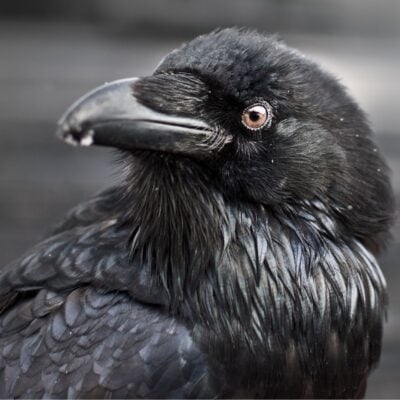

Honey bees visit around 2 million flowers and fly more than 55,000 miles to make just 1 pound of honey.

With a 95% success rate, dragonflies are considered the most effective hunters in the animal kingdom.
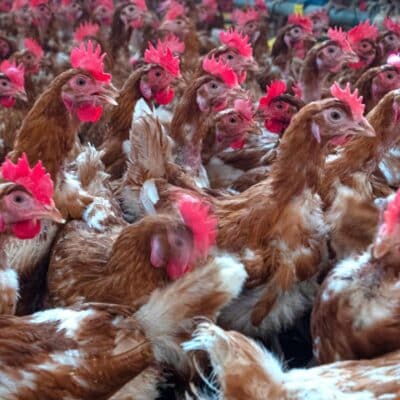

Research shows that cow tipping is unlikely. Standing cows require up to 899 pounds of force (4,000 newtons) to tip, requiring up to fourteen people in a coordinated effort.
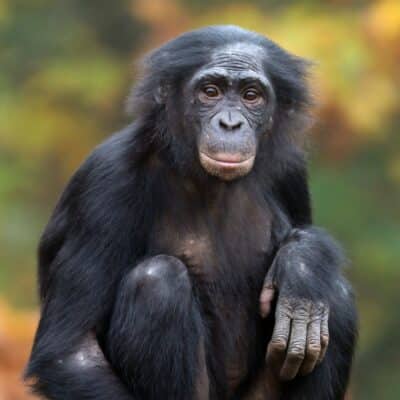
Brian the Bonobo was treated with Paxil for anxiety, and he was documented sharing his pills with other apes during his recovery.
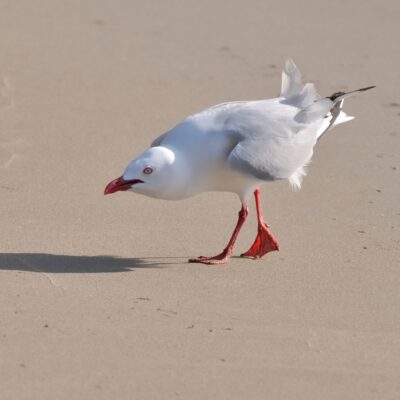
Seagulls imitate rain by stamping their feet in a behavior known as the “rain dance.” This behavior lures worms and insects to the surface.

Mosquitoes helped the Continental Army during the American Revolution by spreading malaria among British troops.
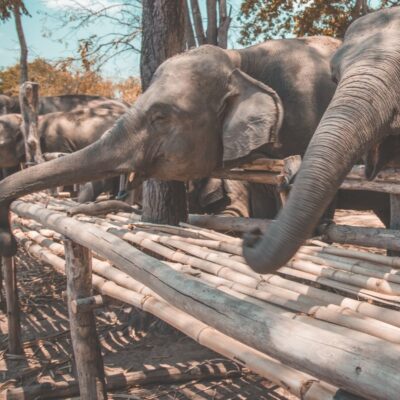
As of 2024, studies indicate that in China, over 70% of captive Asian elephants are overweight or obese.