If Pringles Potato Crisps are one of your favorite snack foods, then you should check out these top interesting facts about Pringles!
A little back story to get you poppin’.
Pringles were first sold in America in 1968 but were not popular until the mid-1970s.
The original name of these was Pringle’s Newfangled Potato Chips.
They were created by Alexander Liepa.
Cremations in a Pringle Can.
The name ‘Pringles’ came from a Cincinnati telephone book, they found a street name called Pringle Drive in Finneytown, Ohio.
The packaging was invented by Fredric J Baur. Baur was a food storage and organic chemist technician who dedicated his research and development for Cincinnati-based Procter & Gamble Co.
He died on March 4, 2008, making it to the age of 89.
As he was proud of his invention, he requested to be cremated and that a part of his ashes would be buried in a Pringles can. His family respected his wishes, so that’s what they did.
The Pringle and its popularity.
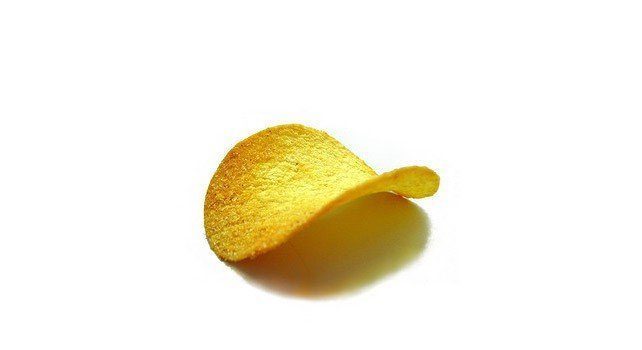
Pringles are thin saddle-shaped potato crisps (the actual name for the shape of Pringles is a Hyperbolic Paraboloid) that are very popular today; they are sold in over 140 countries and make an annual sale of over 1.4 billion dollars.
The reason Pringles are the favorite chips of many people is that they are neatly packaged, which means they don’t come out broken.
Not only that, but they are not greasy, they stay fresh for longer than crisps in bags, and it is designed for eating some now and some later, whereas in a bag, you have to eat them when they are opened soon, or they will go soft.
Flavors to tingle your tastebuds.
Pringles come in all the standard flavors: Barbecue, Cheddar Cheese, Cheese & Onion, Hot & Spicy, Original, Salt & Vinegar, and Sour Cream & Onion.
Sometimes Procter & Gamble produces limited edition flavors, past ones have been Chilli Cheese Dog, Ketchup, Texas BBQ Sauce, and Cajun.
A lid-poppin’ lawsuit.
In July 2008, Procter & Gamble lawyers successfully argued against Keiron Williams that Pringles are not potato chips, as their actual potato content is only 4%.
This excludes Pringles from the 15% Value Added Tax for potato chips.
One final fact; A Pringles can is useful to make a “cantenna,” which is basically an antenna made from a can.
Because the inside of Pringles cans is made of foil, the tube can be used for extending wireless networks, phone, and radio reception.