Are you looking for the best travel-related fact pictures you could ever imagine? You’re in the right location!
Here at The Fact Site, we’ve searched far and wide for hundreds of crazy facts about the weird & wonderful places on Earth.
From the quietest places across the globe to the most shocking travel destinations you didn’t even know existed, these travel facts may just give you the bug!
We regularly update this page with new travel facts, so please bookmark us to stay up to date with our favorite travel and tourism facts.
Travel & Tourism Facts

The world’s most remote ATMs are operated by Wells Fargo in Antarctica, serving over 1,000 residents at the U.S. McMurdo Station.

The Venus flytrap is native to a small coastal region of North and South Carolina, centered around Wilmington, North Carolina.
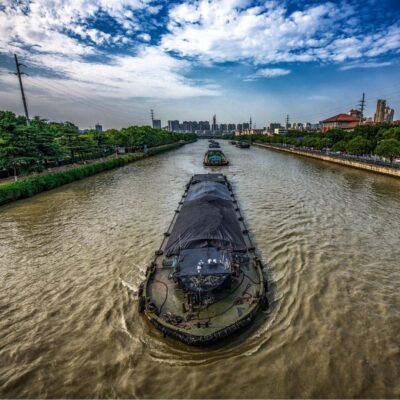
The Grand Canal in China, at a total length of approximately 1,104 miles (1,776 km), is recognized as the world’s longest artificial waterway.

Baltimore is the largest independent city in the U.S., with a population of over 550,000, and isn’t located within any county.

Although the exact origin is unclear, North Carolina’s nickname, “The Tar Heel State,” is believed to come from the tar produced there, which often stuck to the bottom of people’s shoes.

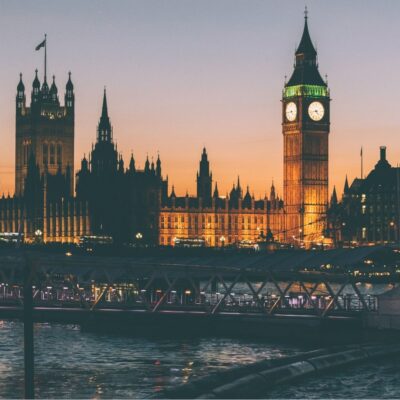
The United Kingdom has a population of over 68 million, which is larger than the combined population of Canada, Australia, and Iceland.
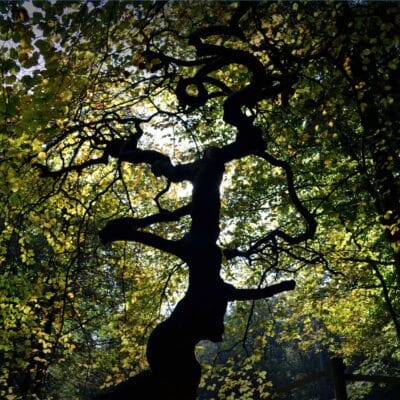
In New Delhi, if a tree falls sick, an ambulance is dispatched to treat it. This came into effect in 2009 and takes four people to do the job.
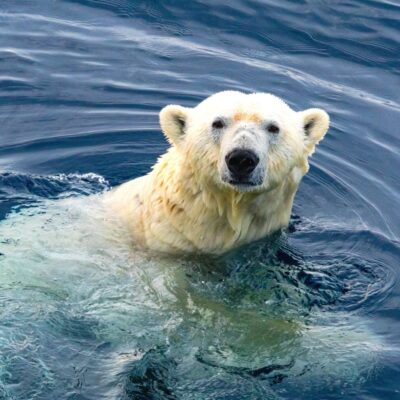
In 2019, a state of emergency was declared in one of Russia’s Arctic regions due to a mass invasion of polar bears.

Owl cafés are popular in Japan, especially in Tokyo, where visitors can observe and hold owls in a controlled environment.
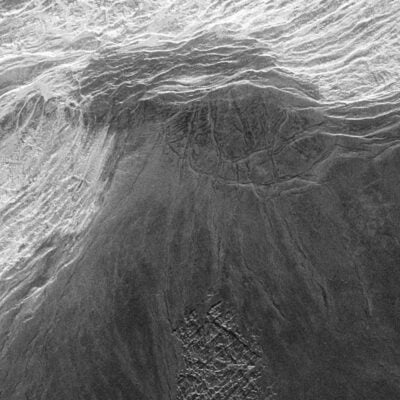
With its peak soaring to heights of 6.8 miles (11 km), the tallest mountain on Venus is Maxwell Montes.
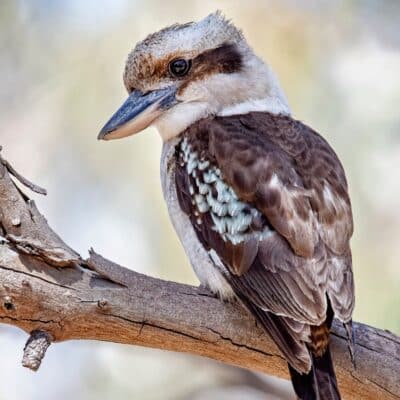
The kookaburra is native to Australia and New Guinea; its calls are often used as sound effects in movies for jungles in Africa or South America.

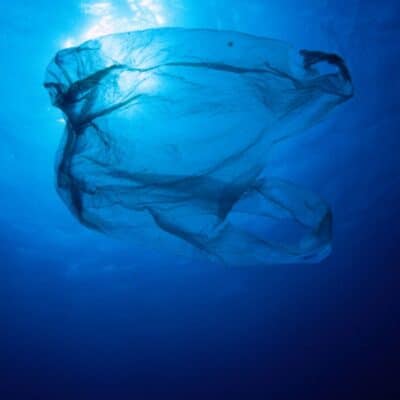
Certain parts of the Mariana Trench, the deepest ocean trench on earth, have been found to be more polluted than some of China’s most polluted rivers.

In 2014, the North Korean government published a recommended list of ten “state-approved” hairstyles for men and eighteen for women as part of a campaign against “capitalist” fashion.