If you’re like me and a bit of a history buff, you’re in the right place! You’ll love reading these interesting facts about historical events, people, and ancient civilizations.
Here, we bring together the most interesting & unknown history fact pictures that you didn’t know you needed to know!
From World War I to crazy historic civilizations, these interesting facts should leave you more knowledgeable than before.
We continuously add new history-related facts here, so why not bookmark us to stay updated with our most interesting facts?
History Facts
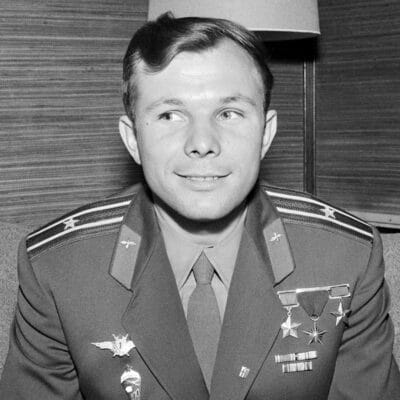
The first man in space was Yuri Gagarin, a Soviet cosmonaut who orbited Earth aboard the Vostok 1 spacecraft on April 12, 1961.
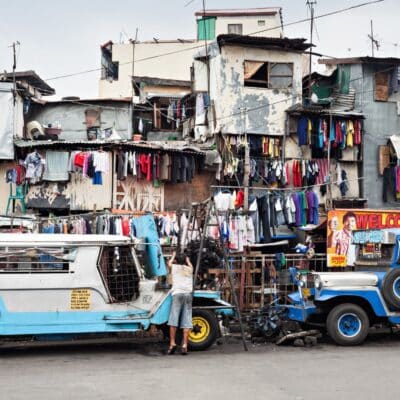
The term “Third World” initially referred to non-aligned countries during the Cold War but is now more often associated with underdeveloped nations, though this usage is outdated.
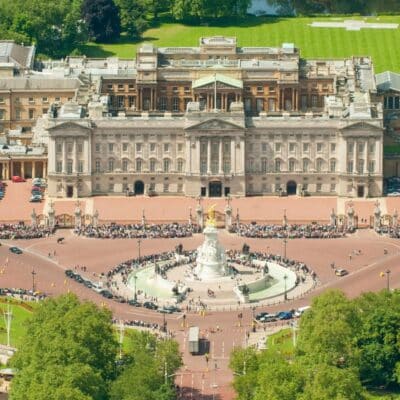
In 1941, before the US entered WWII, many Americans mailed tea to Buckingham Palace as a sign of support to England. The Queen, being good and proper, sent thank-you notes.
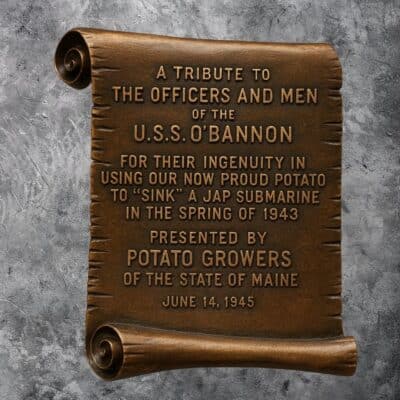
In 1943, off the Russell Islands, USS O’Bannon’s crew threw potatoes at a Japanese submarine’s deck crew to keep them from their gun before sinking the sub with gunfire and charges.

Two diseases have been successfully eradicated: smallpox in 1980 after the last case in 1977, and rinderpest in 2011 after the last case in 2001.
In 1985, the New Orleans lifeguards threw a pool party to celebrate a season without a single drowning. Ironically, a man drowned in the pool that night.
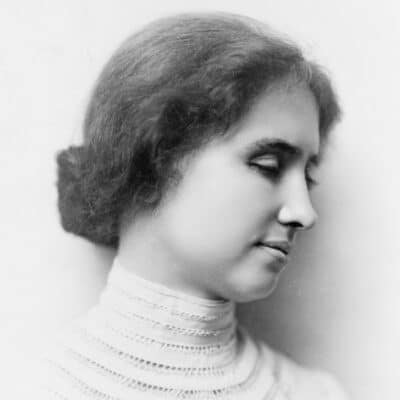
Helen Keller was related to Confederate General Robert E. Lee through her paternal grandmother, who was his second cousin.
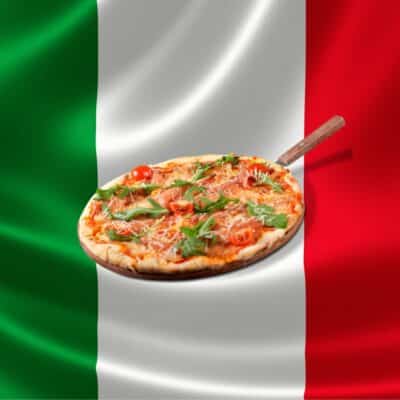
In 1889, Margherita pizza was crafted to honor Queen Margherita, using ingredients that symbolize the Italian flag’s colors: tomato, mozzarella, and basil.
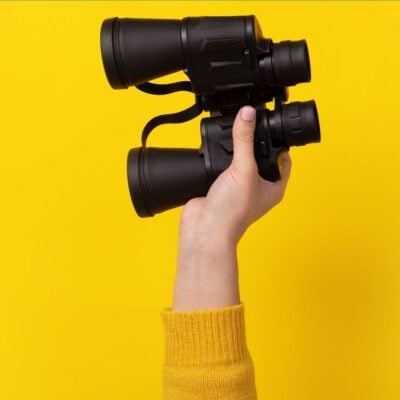
There were binoculars on board the Titanic, but they were locked in a box, and the key was left ashore. If the binoculars had been accessible, the icebergs may have been spotted.
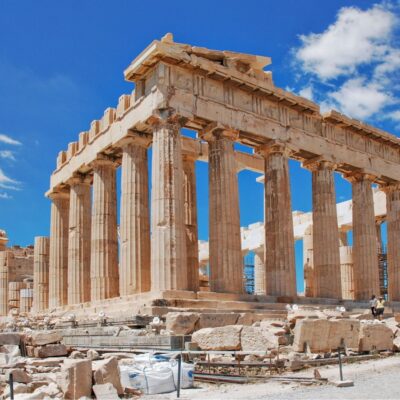
In ancient Athens, there were no professional lawyers; citizens represented themselves in court, and could not legally accept fees to plead another’s case.
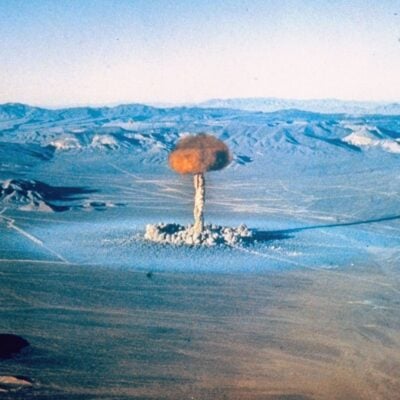
In Las Vegas during the 1950s, Casinos offered “Atomic Tourism,” where guests could watch atomic bombs tested in the desert as entertainment.
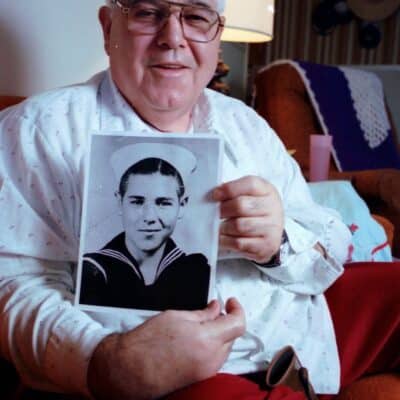
In 1942, 12-year-old Calvin Graham enlisted in the U.S. Navy by lying about his age. He became a decorated war hero at age 13 but was thrown out of the Navy after his mom found out.
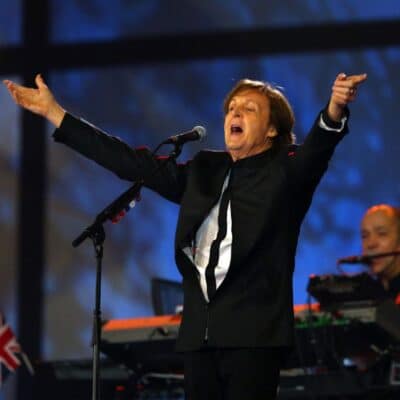
At the end of the 2012 London Olympics opening ceremony, Paul McCartney performed “The End” and “Hey Jude.” He was paid £1 so that his volunteer role met UK contract law.
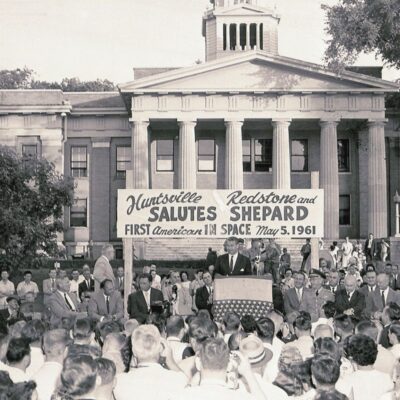
On May 5, 1961, Alan Shepard became the first American in space during a 15-minute suborbital flight aboard the Freedom 7 spacecraft.
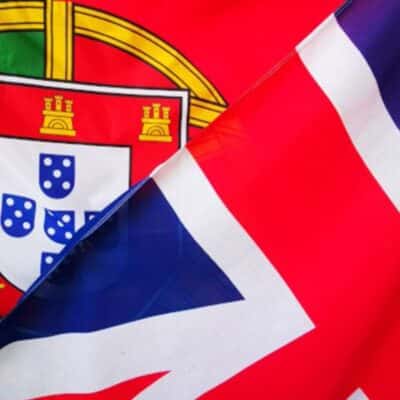
The longest unbroken alliance in world history is between England and Portugal. It has lasted since 1386 and still stands today.
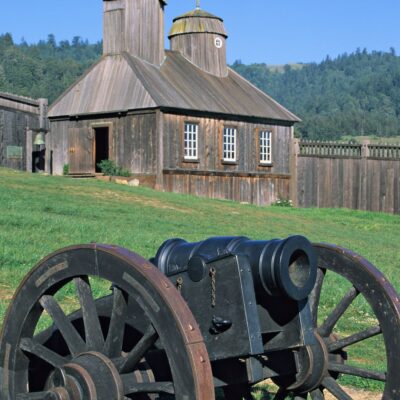
California was once a Russian colony. Until 1841, Russians controlled land as far south as Bodega Bay, just 50 miles north of San Francisco.
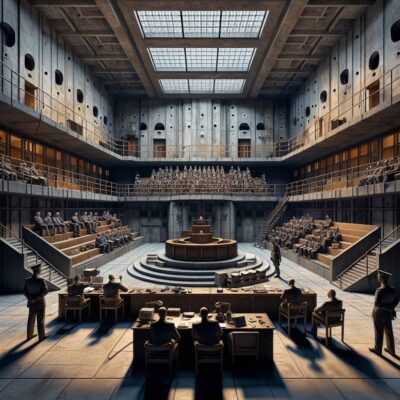
For the Maxi Trial, Italy built a bunker-like courthouse in Palermo, prosecuting 475 Mafia members in a case that spanned from 1986 to 1992.
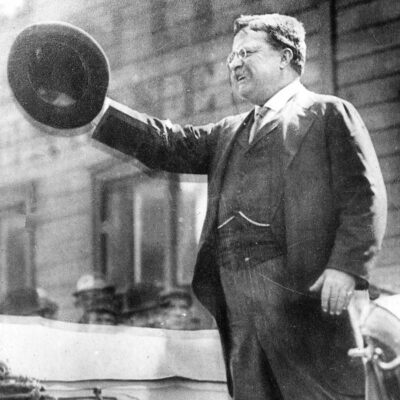
After being shot in the chest during a campaign event on October 14, 1912, Theodore Roosevelt delivered an 84-minute speech with the bullet lodged in his chest.
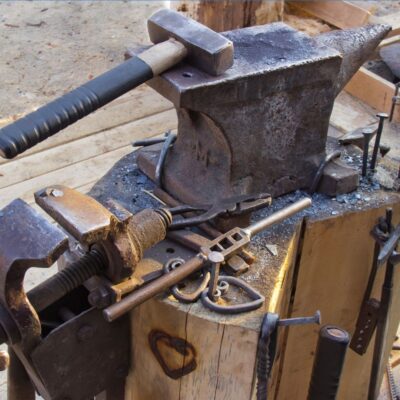
Blacksmiths aren’t the only type of smiths; whitesmiths, for example, work with tin and other lighter-colored metals.

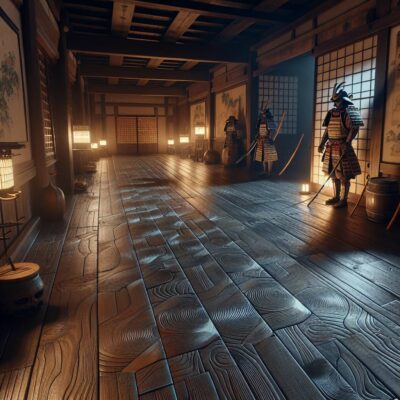
Nightingale floors in feudal Japan were designed to chirp when stepped on, serving as an early intruder alert system against ninjas.
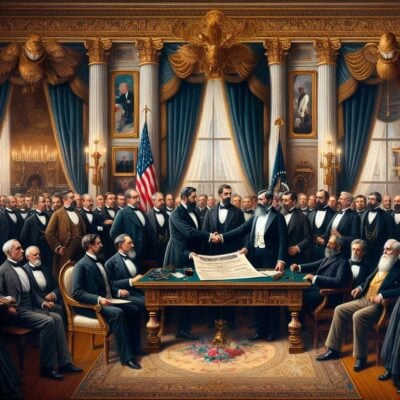
On March 30, 1867, the U.S. bought Alaska from Russia for $7.2 million, using a Treasury check for payment.
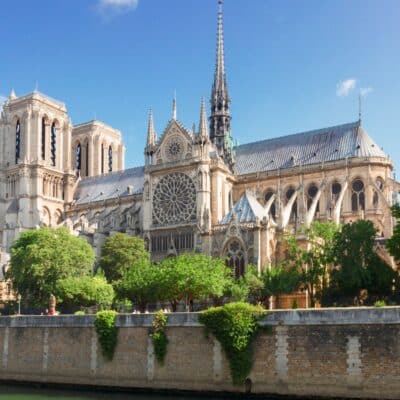
Notre-Dame Cathedral in Paris was mainly constructed between 1163 and 1260, though work on details continued for centuries.