If you’re like me and a bit of a history buff, you’re in the right place! You’ll love reading these interesting facts about historical events, people, and ancient civilizations.
Here, we bring together the most interesting & unknown history fact pictures that you didn’t know you needed to know!
From World War I to crazy historic civilizations, these interesting facts should leave you more knowledgeable than before.
We continuously add new history-related facts here, so why not bookmark us to stay updated with our most interesting facts?
History Facts

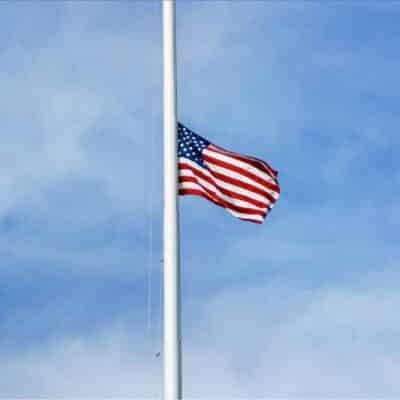
In the opening credits of Gilligan’s Island, as the SS Minnow sails out of the harbor, flags can be seen in the background flying at half-mast to honor the death of JFK.
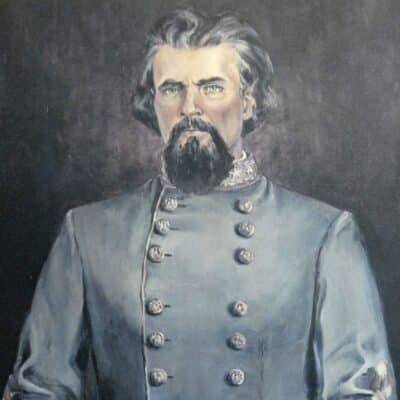
Nathan Bedford Forrest, the first Grand Wizard of the Ku Klux Klan, later changed his mind and argued in defense of racial equality.
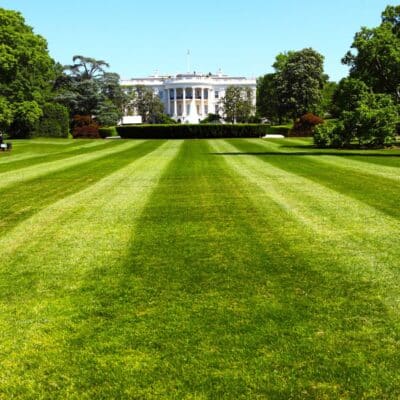
On February 17, 1974, Army private Robert K. Preston landed a stolen helicopter on the White House lawn to demonstrate his flying skills after being denied entry to flight school.
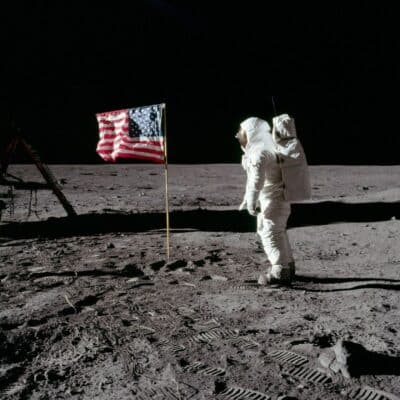
Public interest in space exploration declined after the 1969 moon landing, with many Americans questioning the costs and priorities of NASA’s missions.

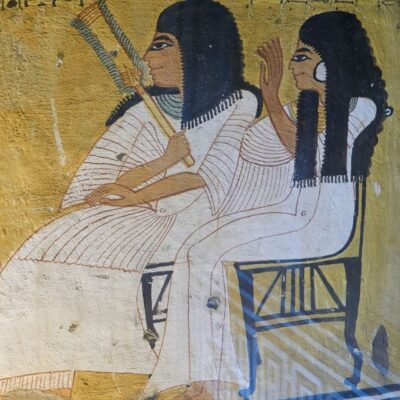
Ancient Egyptians were among the earliest cultures to use makeup, with evidence of cosmetic use dating back as far as 5,000 years.

The Golden Orphism Book is one of the world’s oldest surviving books. It’s made of six gold pages bound together, and dates back to approximately 600–660 BC.

In 18th-century England, having a pineapple was a symbol of wealth because of high import fees. They were often used as displays instead of being eaten.

On December 11, 2004, over 5 million people in Bangladesh formed the longest human chain in history, stretching 1,050 kilometers (652.4 miles) from Teknaf to Tentulia.
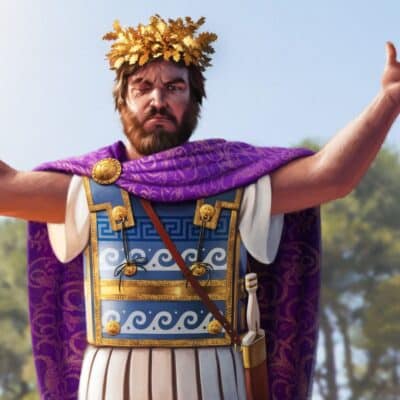
The King of Macedon threatened to raze Sparta, saying “If I bring my army into your land, I will raze your city.” The Spartans replied: “If.” No attempt was made to capture the city.

In 1943, U.S. officials imposed a short-lived ban on sliced bread as a wartime conservation measure, which lasted less than two months.

In 2014, the Fresno chapter of the Hells Angels waited in line for five days at a Walmart to purchase over 200 bicycles, which they donated to children in need.
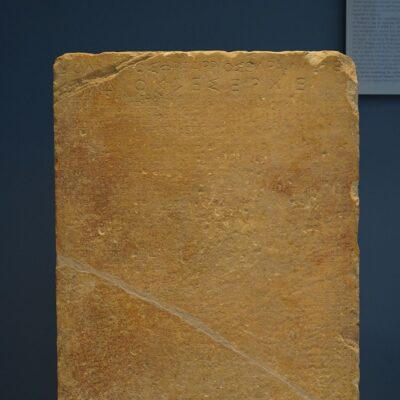
Athenian lawmaker Draco gave Athens its first written code. The word “draconian” comes from his name because his laws were so harsh that even minor offenses were punishable by death.
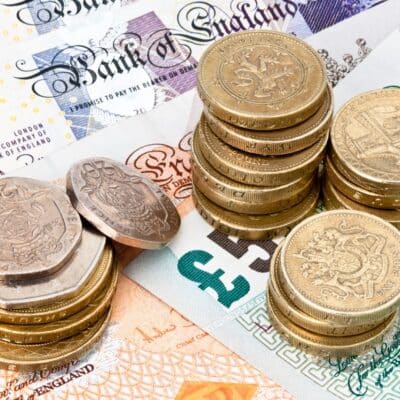
The British pound sterling has been in use continuously since around 775 AD, making it the oldest national currency in existence.
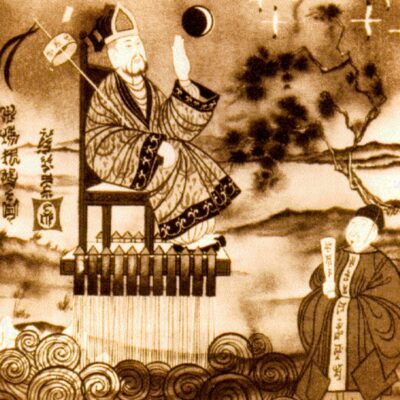
According to legend, a 16th-century Chinese official named Wan Hu tried to launch himself into space using 50 gunpowder rockets strapped to a chair. He was never seen again.
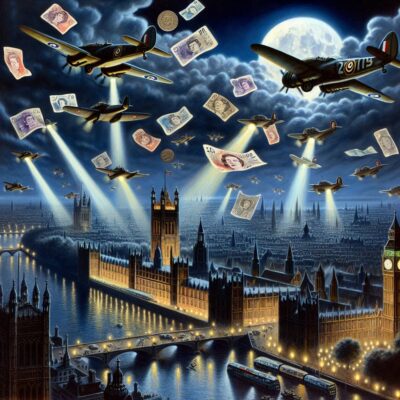
In World War II, Germany attempted to collapse the British economy by producing millions of counterfeit bills, but the plan to drop these bills over London was never carried out.

Thomas Edison invented an electric pen in 1876, which was later adapted to become the first electric tattoo machine in 1891.