If you’re like me and a bit of a history buff, you’re in the right place! You’ll love reading these interesting facts about historical events, people, and ancient civilizations.
Here, we bring together the most interesting & unknown history fact pictures that you didn’t know you needed to know!
From World War I to crazy historic civilizations, these interesting facts should leave you more knowledgeable than before.
We continuously add new history-related facts here, so why not bookmark us to stay updated with our most interesting facts?
History Facts
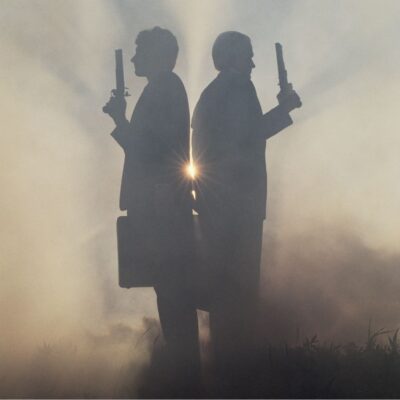
In October 2002, the Iraqi government proposed that George W. Bush and Saddam Hussein settle their differences through a formal, in-person duel instead of their nations going to war.
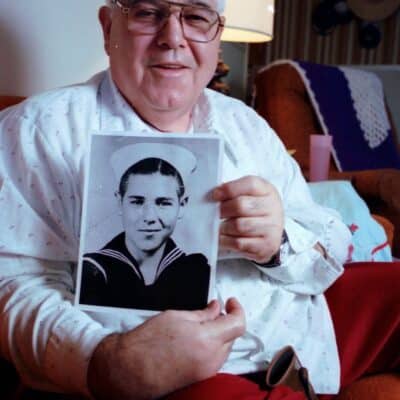
In 1942, 12-year-old Calvin Graham enlisted in the U.S. Navy by lying about his age. He became a decorated war hero at age 13 but was thrown out of the Navy after his mom found out.
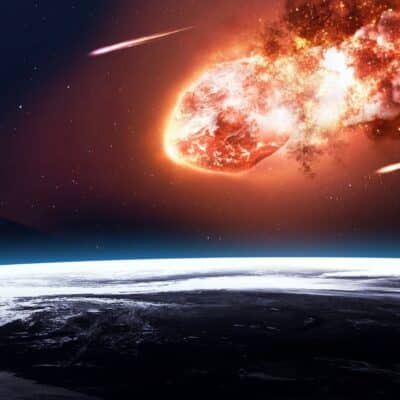
In 1908, Russia was hit with a meteor so large it created an explosion 1,000 times as strong as the Hiroshima bomb and destroyed an area two-thirds the size of Rhode Island.
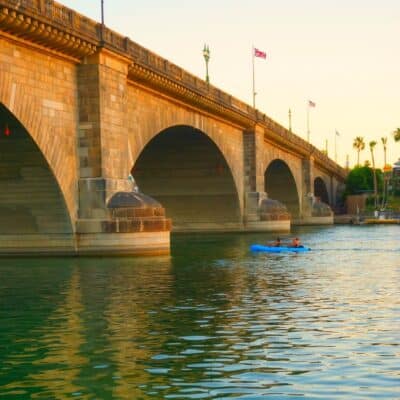
The 1831 London Bridge couldn’t handle the amount of traffic it was getting, so in 1968, it was sold, dismantled, and rebuilt in Arizona as a tourist attraction in Lake Havasu City.
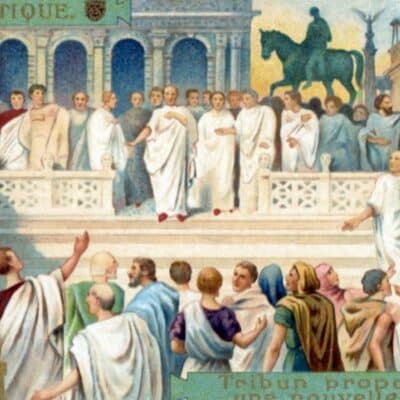
If the electors of the Holy Roman Emperor did not vote within 30 days, they were only allowed to eat bread and water and were forbidden to leave the city.
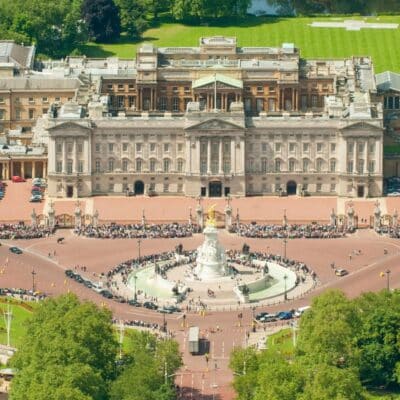
In 1941, before the US entered WWII, many Americans mailed tea to Buckingham Palace as a sign of support to England. The Queen, being good and proper, sent thank-you notes.
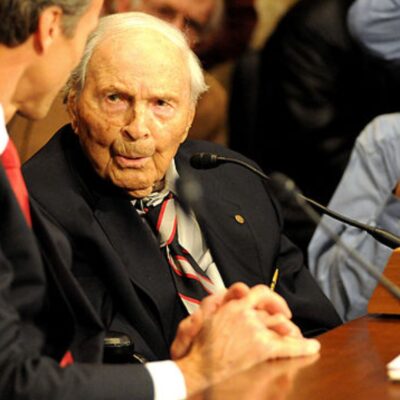
Corporal Frank Buckles was the last surviving American soldier from WWI, passing away in 2011 at age 110. His advice for a long life was, “When you start to die… don’t.”
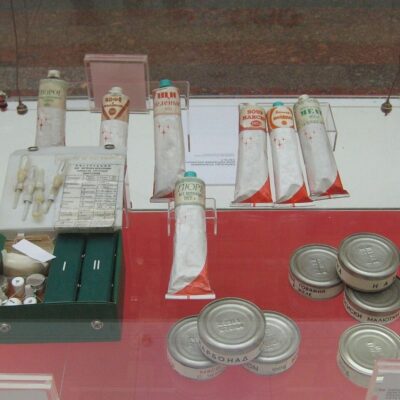
Yuri Gagarin’s first meal in space consisted of two tubes of pureed meat followed by a tube of chocolate sauce for dessert.

The Canadian government isn’t sure when Canada became a sovereign state. Its Supreme Court ruled that sovereignty occurred sometime between 1919 and 1931.
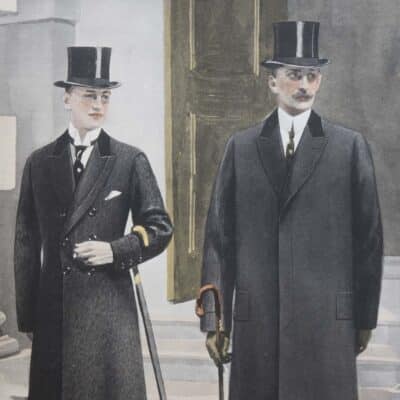
In historical England, a “gentleman” referred to a man of inherited social rank, lower than an esquire but higher than a yeoman or tradesman.
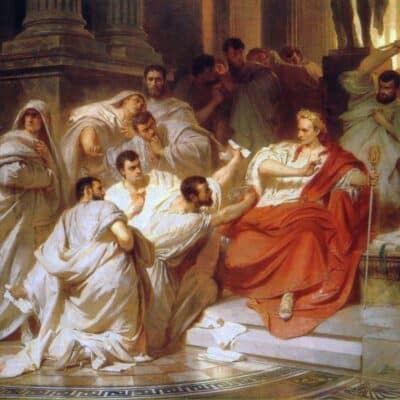
Popularized by the Shakespeare play, many people think Julius Caesar’s last words were “And you, Brutus?” In reality, he said, “You too, my child?”
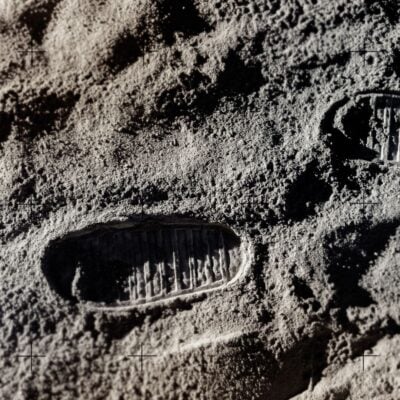
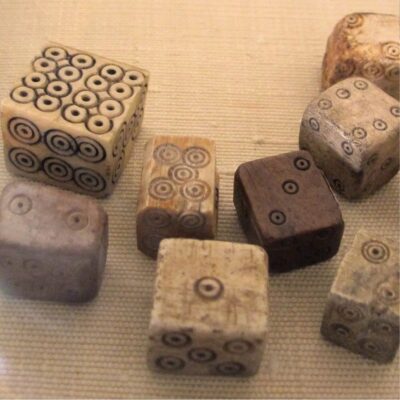
Some of the oldest dice ever discovered were found at Skara Brae in the Orkney Islands of Scotland. Used between 3100 and 2400 BC, they were carved from bone, often from sheep or cattle.

Nightingale floors in feudal Japan were designed to chirp when stepped on, serving as an early intruder alert system against ninjas.
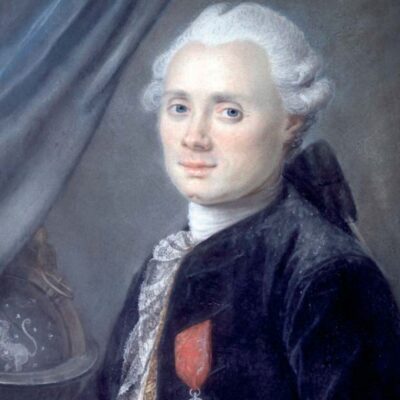
In the 18th century, French astronomer Charles Messier cataloged 110 of the most fascinating astronomical objects he found while searching the night sky for comets.
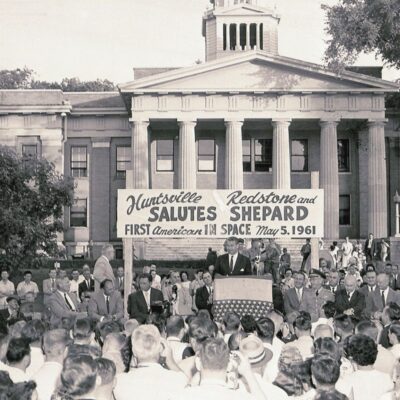
On May 5, 1961, Alan Shepard became the first American in space during a 15-minute suborbital flight aboard the Freedom 7 spacecraft.
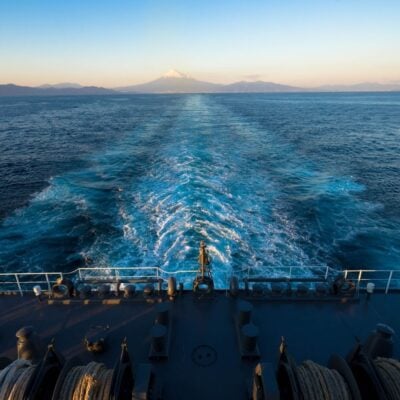
In January 1945, the German ship Wilhelm Gustloff was sunk by a Soviet submarine in the Baltic Sea, killing about 9,400 people and making it the deadliest maritime disaster in history.
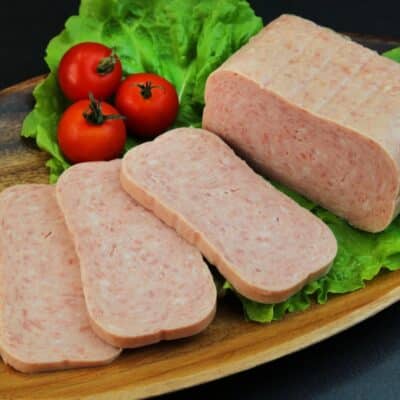
South Korea is the second-leading consumer of Spam. Spam was introduced there during WWII, providing much-needed food for those who were starving.
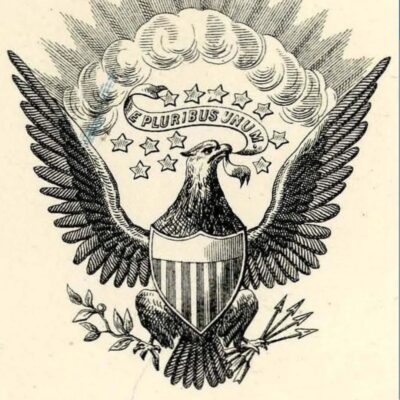
The USA’s original motto, “E Pluribus Unum” (“Out of many, one”), was taken from the cover slogan of a gentlemen’s magazine from England.
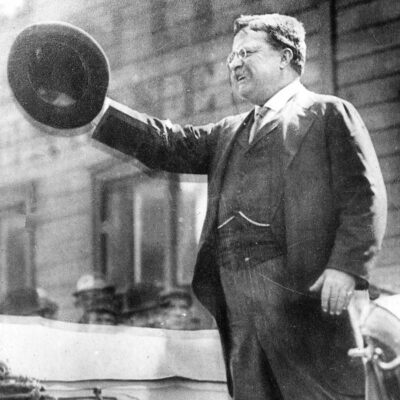
After being shot in the chest during a campaign event on October 14, 1912, Theodore Roosevelt delivered an 84-minute speech with the bullet lodged in his chest.
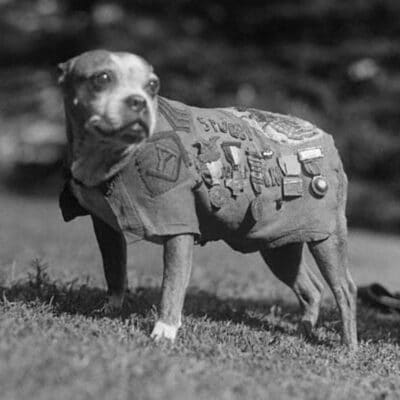
The first formal guide dog training school was established in Oldenburg, Germany, in 1916 to assist soldiers blinded in combat during World War I.
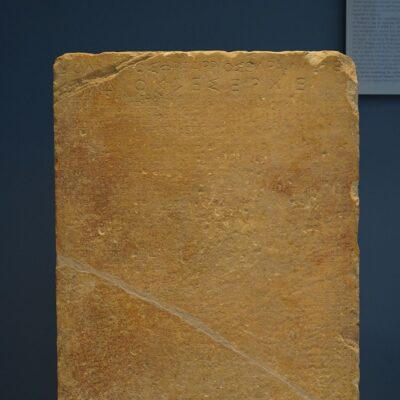
Athenian lawmaker Draco gave Athens its first written code. The word “draconian” comes from his name because his laws were so harsh that even minor offenses were punishable by death.
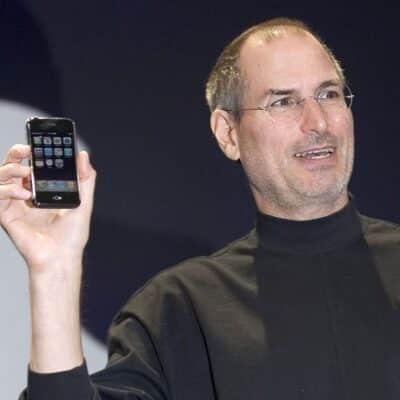
During the first iPhone presentation in 2007, Steve Jobs had to switch between several iPhones to prevent crashes due to limited RAM and unstable software.