If you’re like me and a bit of a history buff, you’re in the right place! You’ll love reading these interesting facts about historical events, people, and ancient civilizations.
Here, we bring together the most interesting & unknown history fact pictures that you didn’t know you needed to know!
From World War I to crazy historic civilizations, these interesting facts should leave you more knowledgeable than before.
We continuously add new history-related facts here, so why not bookmark us to stay updated with our most interesting facts?
History Facts

Nightingale floors in feudal Japan were designed to chirp when stepped on, serving as an early intruder alert system against ninjas.
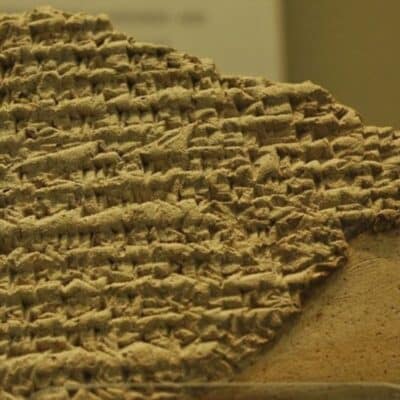
The oldest “your mom” joke was discovered on a 3,500-year-old Babylonian tablet in Iraq in 1976. Although the tablet has since been lost, the text was preserved.
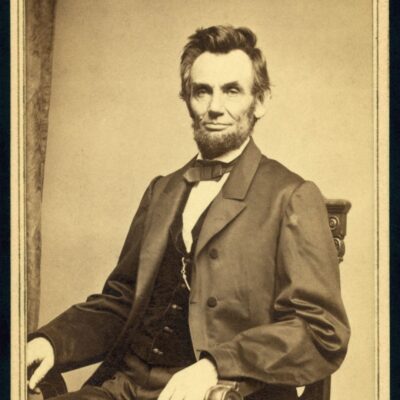
Abraham Lincoln’s son, Robert, was nearly crushed by a train, only to be rescued by Edwin Booth. A year later, Edwin’s brother, John Wilkes Booth, murdered President Abraham Lincoln.

Ricky Nelson’s “Poor Little Fool” made history as the very first song to hit number one on Billboard’s Hot 100 on August 4, 1958.
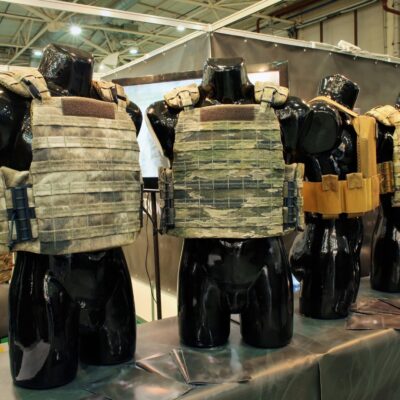
Casimir Zeglen, a Polish priest, invented a silk bulletproof vest and personally demonstrated its effectiveness by wearing it during public tests where he was shot at.

When coffee first emerged in the Ottoman Empire in the 16th century, it was considered a drug, and its consumption was forbidden.
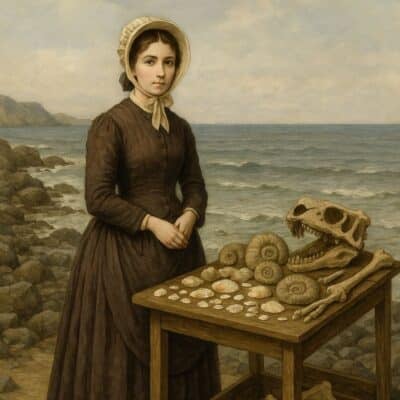
Victorian fossil hunter Mary Anning sold fossils, bones, and shells by the sea. Folklore ties her to the phrase “She sells seashells by the seashore,” but no evidence supports it.
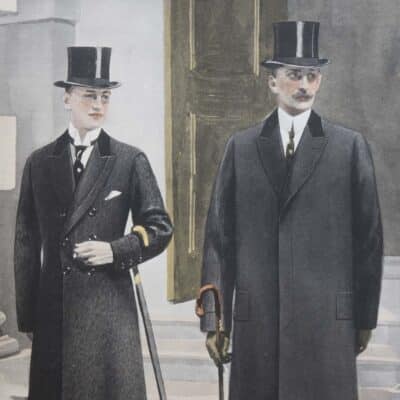
In historical England, a “gentleman” referred to a man of inherited social rank, lower than an esquire but higher than a yeoman or tradesman.
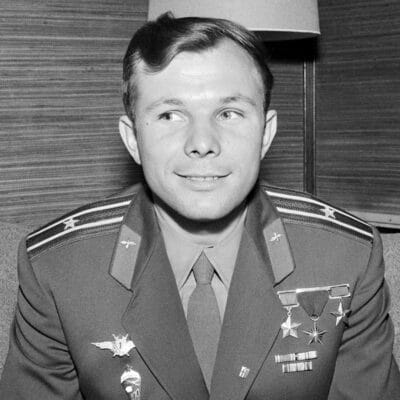
The first man in space was Yuri Gagarin, a Soviet cosmonaut who orbited Earth aboard the Vostok 1 spacecraft on April 12, 1961.

Around 10,000 underground nuclear bunkers were built during the Cold War in Beijing. They were later sold as real estate and are currently inhabited by over a million people.

In 1998, grade school children in Aurora, Colorado, raised $35,000 to buy the freedom of child slaves in Sudan.
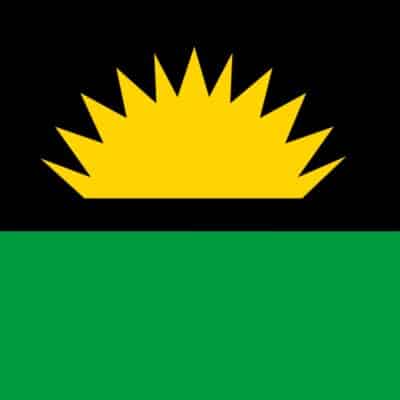
On September 19, 1967, the Republic of Benin was declared but lasted only seven hours before Nigerian forces retook Benin City.

Humans have been using yeast to produce alcohol for over 13,000 years, with evidence of beer brewing dating back to 11,000 BC in modern-day Israel.
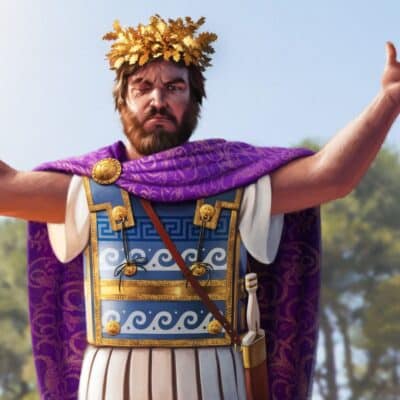
The King of Macedon threatened to raze Sparta, saying “If I bring my army into your land, I will raze your city.” The Spartans replied: “If.” No attempt was made to capture the city.

The Golden Orphism Book is one of the world’s oldest surviving books. It’s made of six gold pages bound together, and dates back to approximately 600–660 BC.
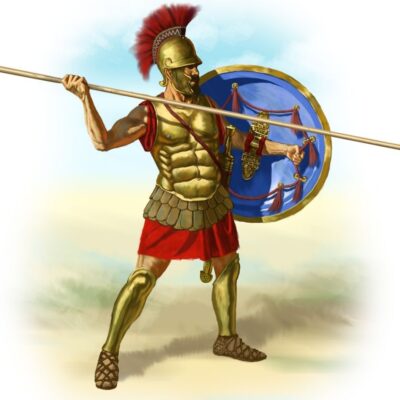
The character Russell Crowe played in “Gladiator” was based on at least four different historical people.
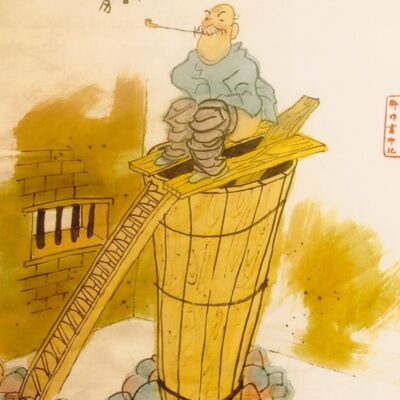
One of the earliest known records of someone dying while on the toilet was of Duke Jing of Jin, China, who fell into the toilet pit and perished in 581 BC.
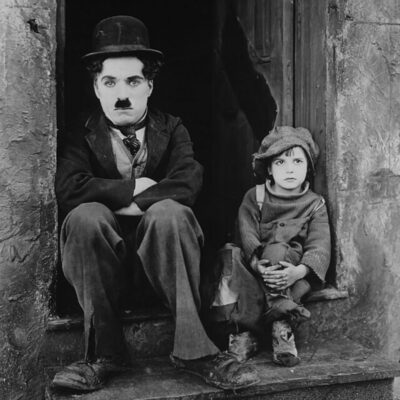
Silent movie actors were initially not given on-screen credit for fear that they would become famous and subsequently demand higher wages.

South Korea is the second-leading consumer of Spam. Spam was introduced there during WWII, providing much-needed food for those who were starving.
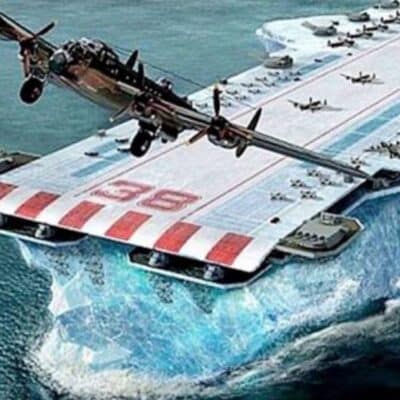
Project Habakkuk was a World War II British plan to build an aircraft carrier from ice reinforced with wood pulp, but it was abandoned in 1943 due to steep costs and technical hurdles.
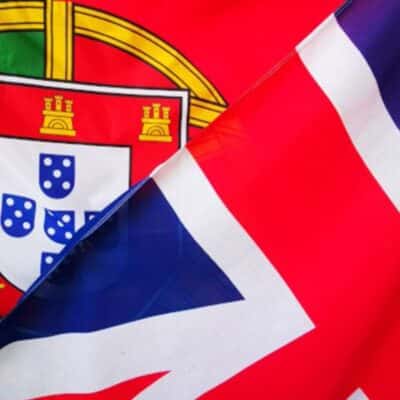
The longest unbroken alliance in world history is between England and Portugal. It has lasted since 1386 and still stands today.

Western mathematicians did not accept negative numbers for over 18 centuries. They treated them as absurd solutions to equations.