If you’re like me and a bit of a history buff, you’re in the right place! You’ll love reading these interesting facts about historical events, people, and ancient civilizations.
Here, we bring together the most interesting & unknown history fact pictures that you didn’t know you needed to know!
From World War I to crazy historic civilizations, these interesting facts should leave you more knowledgeable than before.
We continuously add new history-related facts here, so why not bookmark us to stay updated with our most interesting facts?
History Facts
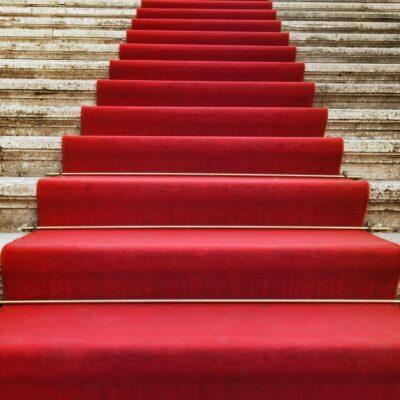
The first Academy Awards, held on May 16, 1929, featured 12 award presentations and lasted just 15 minutes.
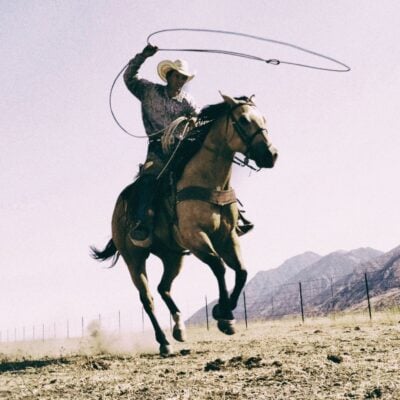
In 1952, cowboy Euclides Guterres grew tired of low-flying planes harassing his ranch in southern Brazil. To stop them, he managed to lasso a plane’s propeller, becoming a local hero.
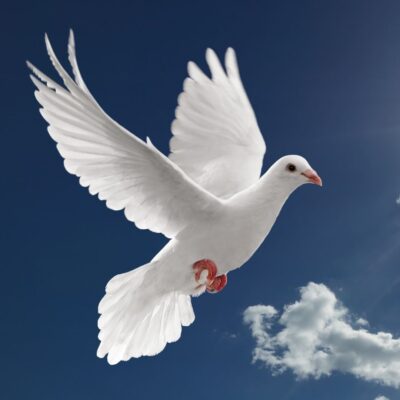
Pope Fabian, who served from 236 to 250 AD, was appointed to his position because a dove landed on his head during the election. He wasn’t even a candidate.
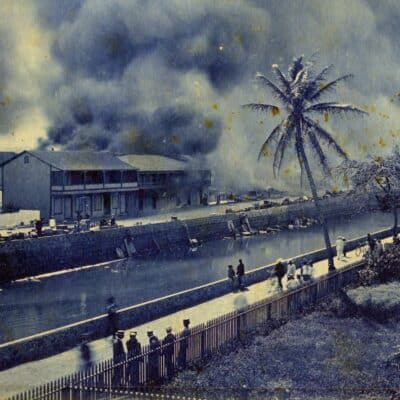
In 1900, Chinatown in Honolulu had a series of controlled fires to prevent the spread of the plague. The fires got out of control, but four months later, Honolulu was plague-free.
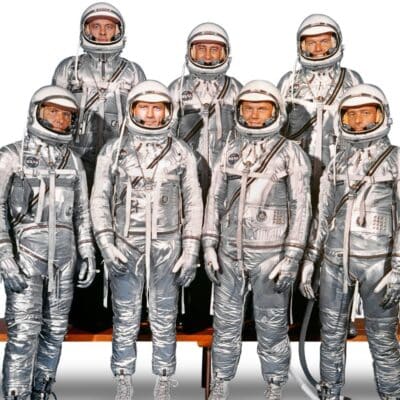
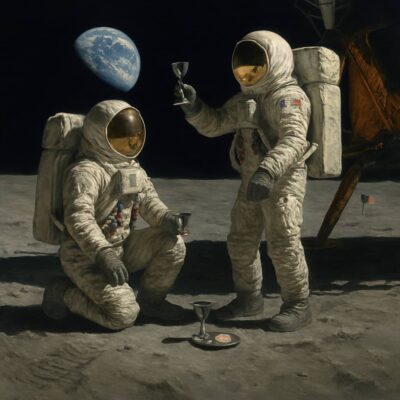
Two of the original Mercury 7 astronauts wore regular work boots spray-painted silver in the famous photograph of them in their flight suits.
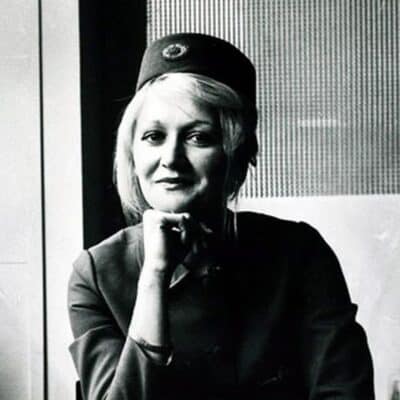
Vesna Vulović survived the highest recorded fall without a parachute in 1972, plummeting from 33,333 feet. She spent 16 months in the hospital recovering from the incident.
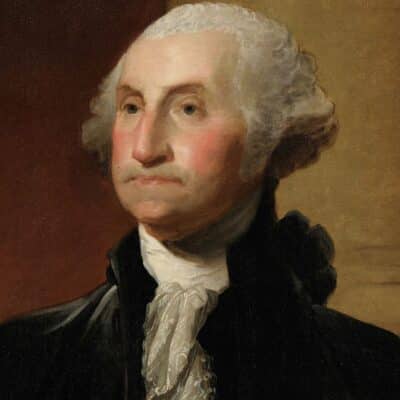
When George Washington died, Napoleon Bonaparte of France gave a personal eulogy and ordered a ten-day mourning period for France.
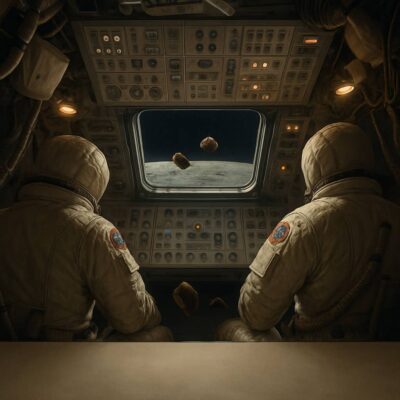
During the Apollo 10 mission, astronauts found a floating turd in the cabin on two separate occasions, but no one ever admitted to it.
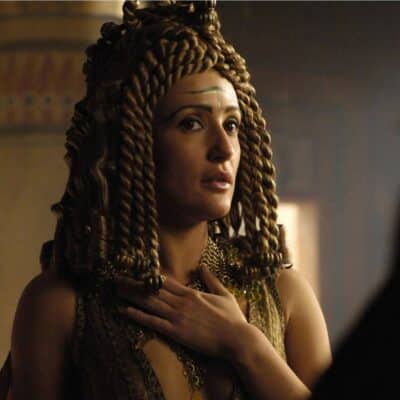
Caesarion, the last Pharaoh of Egypt, was widely believed to be Julius Caesar’s son, but Caesar never publicly confirmed or denied this.
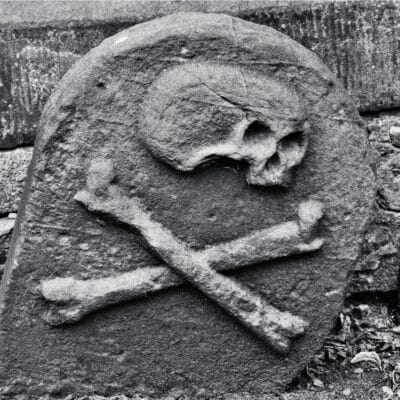
The Black Death killed so many people in the 14th century that the world population did not recover to pre-plague levels until the 17th century.
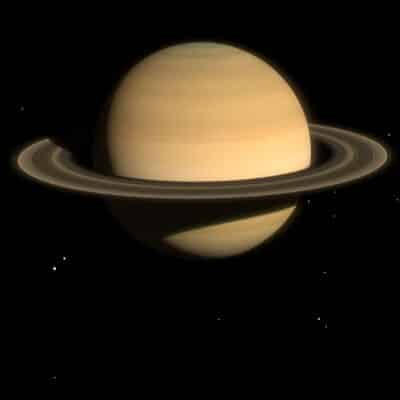
When Galileo first saw Saturn’s rings, he had no idea what they were. The closest word he found to describe them was “ears.”
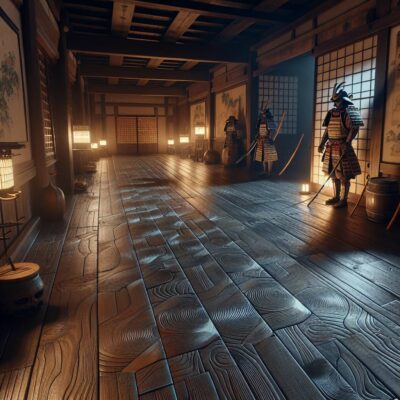
Nightingale floors in feudal Japan were designed to chirp when stepped on, serving as an early intruder alert system against ninjas.
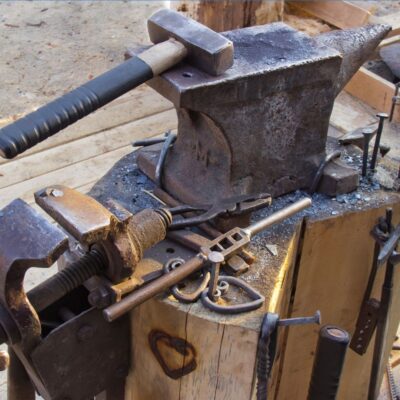
Blacksmiths aren’t the only type of smiths; whitesmiths, for example, work with tin and other lighter-colored metals.
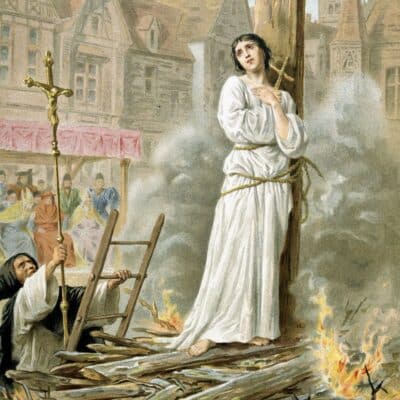
In 1456, 25 years after her execution, Joan of Arc was declared innocent in a retrial initiated by Pope Callixtus III.

Following the Chernobyl disaster, sunflowers were planted in an attempt to remove radioactive elements from contaminated water and soil.
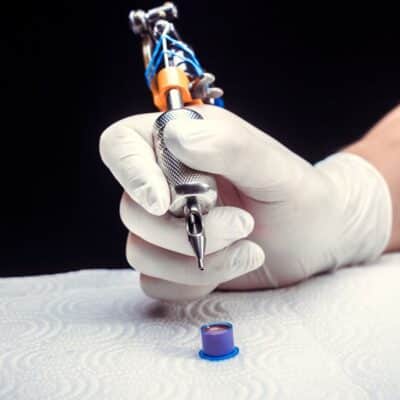
Thomas Edison invented an electric pen in 1876, which was later adapted to become the first electric tattoo machine in 1891.
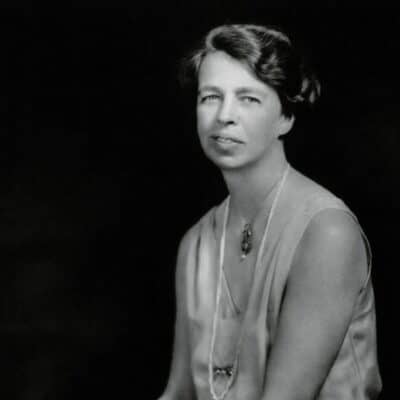

The Quakers invented price tags to stop haggling, believing it was unethical to charge customers differently.

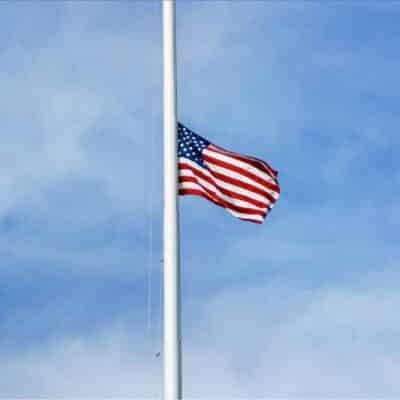
In the opening credits of Gilligan’s Island, as the SS Minnow sails out of the harbor, flags can be seen in the background flying at half-mast to honor the death of JFK.
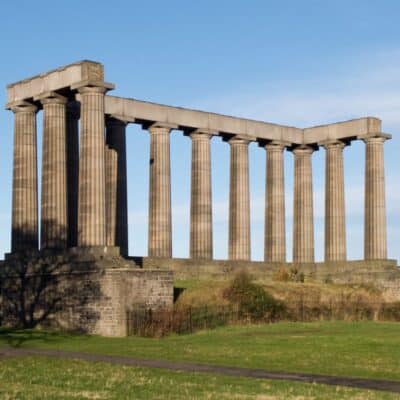
In 1826, Scotland wanted to replicate the Parthenon bigger and cheaper. It was never completed and is now nicknamed “Scotland’s Disgrace.”
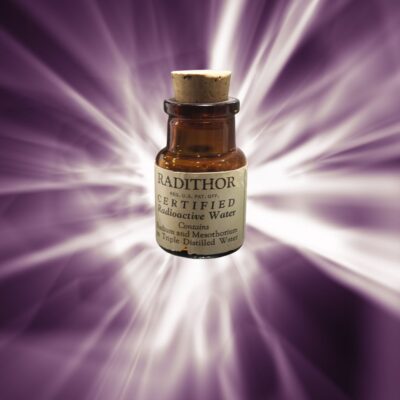
In the 1920s, the U.S. sold a radioactive “health” drink called Radithor. Its biggest fan, millionaire Eben Byers, drank about 1,400 bottles before dying from radiation-induced cancers.