If you’re like me and a bit of a history buff, you’re in the right place! You’ll love reading these interesting facts about historical events, people, and ancient civilizations.
Here, we bring together the most interesting & unknown history fact pictures that you didn’t know you needed to know!
From World War I to crazy historic civilizations, these interesting facts should leave you more knowledgeable than before.
We continuously add new history-related facts here, so why not bookmark us to stay updated with our most interesting facts?
History Facts
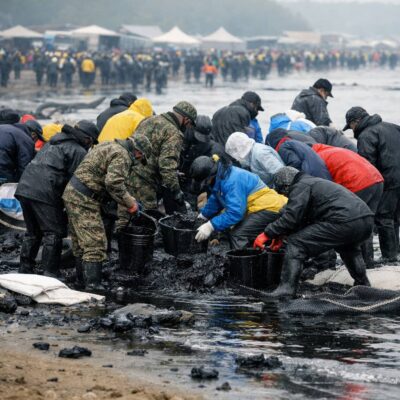
One of South Korea’s worst oil spills occurred on December 7, 2007, and within 33 days, more than one million civilians, soldiers, and officials had volunteered to help with the cleanup.
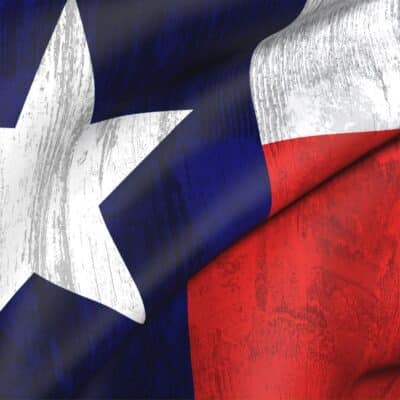
Texas’s iconic Lone Star flag was not technically the state flag from 1879 to 1933 due to a repealed law, despite being originally adopted in 1839.

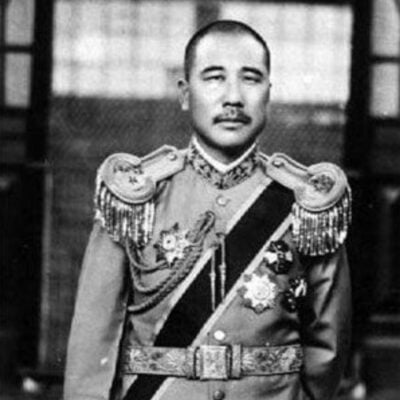
Zhang Zongchang, who ruled Shandong in the 1920s, was nicknamed “Three Don’t Knows” because he never knew how much money or how many concubines he had, nor how many men were in his army.
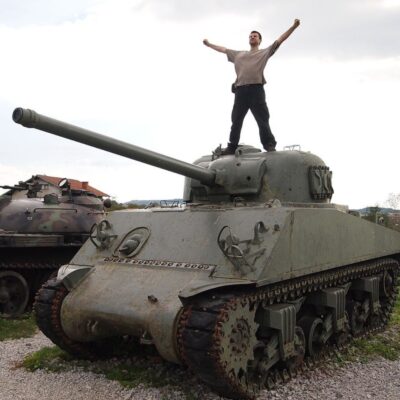
In 1991, Yugoslav tank driver Vladimir Živković deserted the Vukovar front by driving his tank to Belgrade and parking it outside the federal parliament in protest.
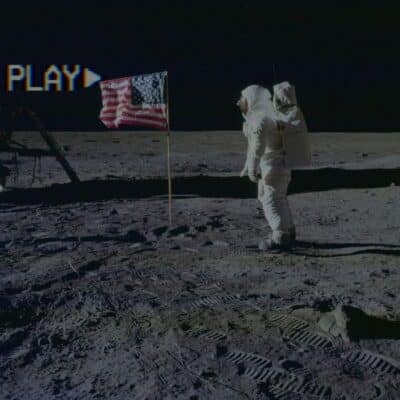
The videotapes originally used to record the Apollo 11 Moon landing were accidentally erased during a period when video tapes were scarce.
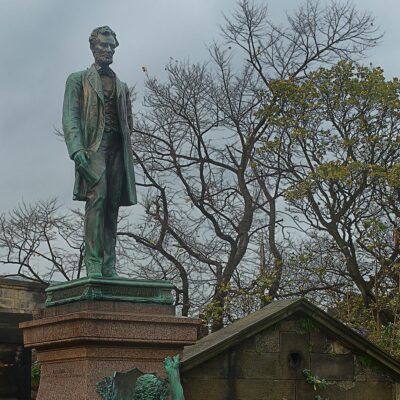
The Scottish-American Soldiers Monument in Edinburgh is the only monument to the American Civil War outside the United States.
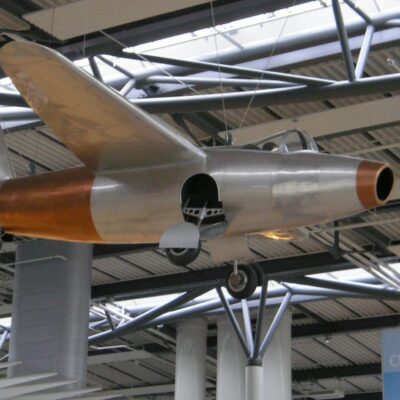
The first jet aircraft was invented in Nazi Germany. Development started in 1936, and the first takeoff occurred on August 27, 1939.

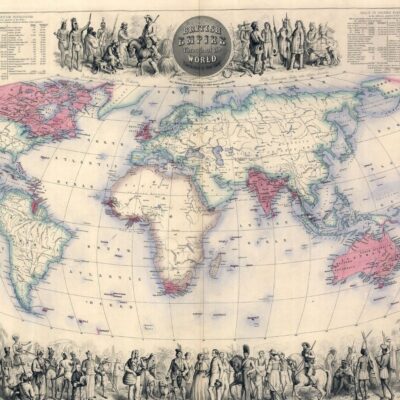
At its peak, the British Empire covered about 35.5 million square kilometers, which is 93.4 percent of the Moon’s surface area.
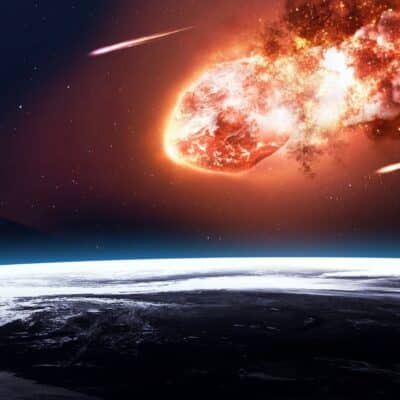
In 1908, Russia was hit with a meteor so large it created an explosion 1,000 times as strong as the Hiroshima bomb and destroyed an area two-thirds the size of Rhode Island.
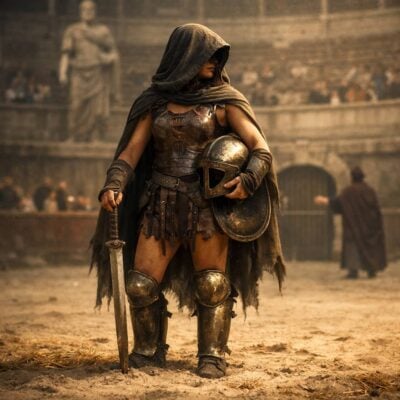
A female gladiator in ancient Rome was called a gladiatrix, but women’s participation in arena combat was rare and outlawed after AD 200.
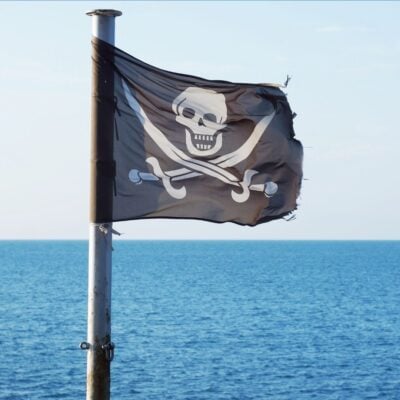
During the 16th and 17th centuries, the English government authorized privateers like Sir Francis Drake to attack enemy ships, effectively serving as auxiliary naval forces.
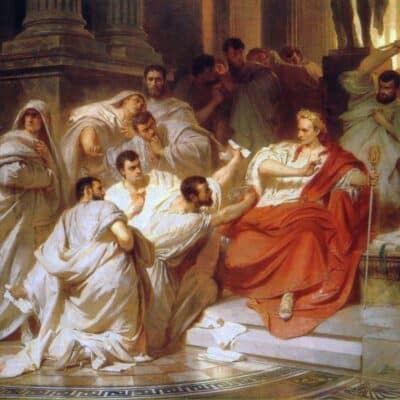
Popularized by the Shakespeare play, many people think Julius Caesar’s last words were “And you, Brutus?” In reality, he said, “You too, my child?”
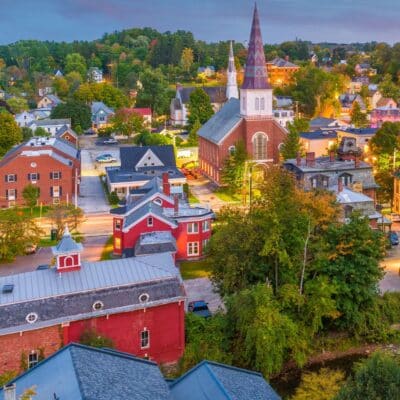
From 1777 until its admission to the United States in 1791, Vermont existed as a self-governing independent state. It had its own copper coins and operated its own postal service.
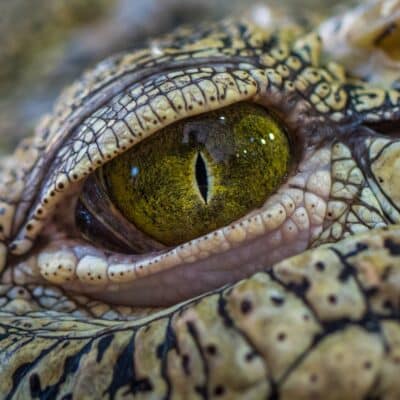
On August 25, 2010, a plane in Congo crashed due to panic caused by an escaped crocodile, resulting in 20 deaths and two survivors, including the crocodile.
There were binoculars on board the Titanic, but they were locked in a box, and the key was left ashore. If the binoculars had been accessible, the icebergs may have been spotted.
After the 9/11 attacks, a Maasai tribe in Kenya gifted 14 cows to the United States in a gesture of sympathy and solidarity.
In 1952, cowboy Euclides Guterres grew tired of low-flying planes harassing his ranch in southern Brazil. To stop them, he managed to lasso a plane’s propeller, becoming a local hero.
From 1948 to 1958, a Florida man tricked locals into thinking a 15-foot-tall penguin had visited their local beach by wearing giant cast-iron shoes shaped like penguin feet.

Of the 77 Olympians competing in the golf tournament at the 1904 Summer Olympics, 74 represented the USA, and 3 represented Canada. Canada won the gold medal.
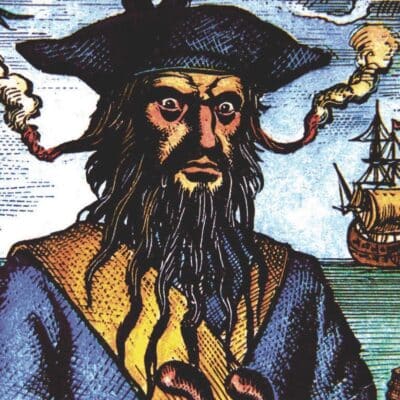
When Blackbeard captured ships, many of the enslaved Africans on board would go on to become pirates. By the time he died, nearly one-third of his crew were former slaves.