If you’re like me and a bit of a history buff, you’re in the right place! You’ll love reading these interesting facts about historical events, people, and ancient civilizations.
Here, we bring together the most interesting & unknown history fact pictures that you didn’t know you needed to know!
From World War I to crazy historic civilizations, these interesting facts should leave you more knowledgeable than before.
We continuously add new history-related facts here, so why not bookmark us to stay updated with our most interesting facts?
History Facts

When Bloods and Crips leaders in Los Angeles agreed to a truce in 1992, it led to reduced violence and inspired members to form organizations focused on community change and peace.
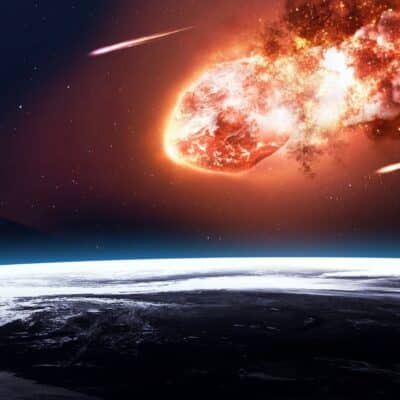
In 1908, Russia was hit with a meteor so large it created an explosion 1,000 times as strong as the Hiroshima bomb and destroyed an area two-thirds the size of Rhode Island.
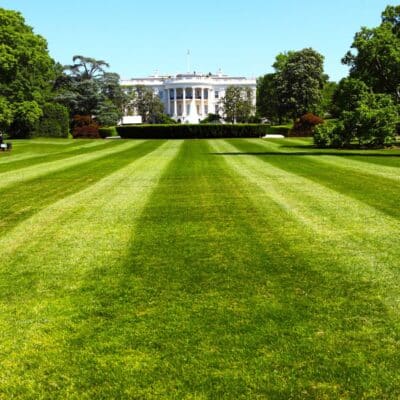
On February 17, 1974, Army private Robert K. Preston landed a stolen helicopter on the White House lawn to demonstrate his flying skills after being denied entry to flight school.
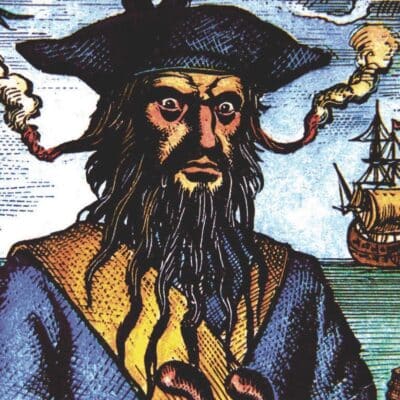
When Blackbeard captured ships, many of the enslaved Africans on board would go on to become pirates. By the time he died, nearly one-third of his crew were former slaves.
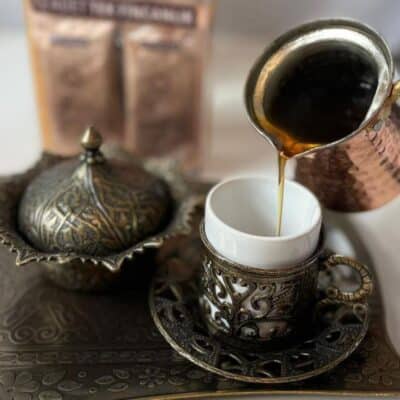
When coffee first emerged in the Ottoman Empire in the 16th century, it was considered a drug, and its consumption was forbidden.
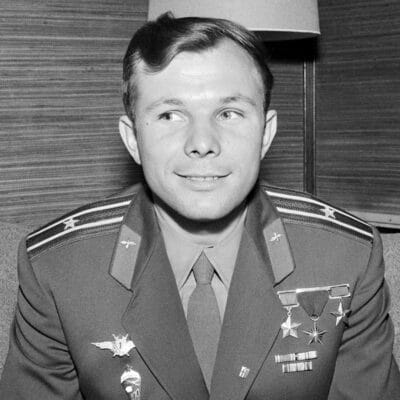
The first man in space was Yuri Gagarin, a Soviet cosmonaut who orbited Earth aboard the Vostok 1 spacecraft on April 12, 1961.
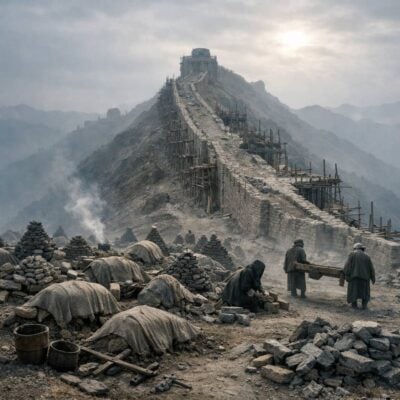
It’s estimated that around 400,000 workers lost their lives during the initial construction of the Great Wall of China.
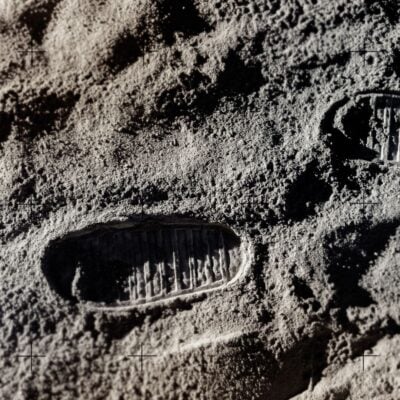
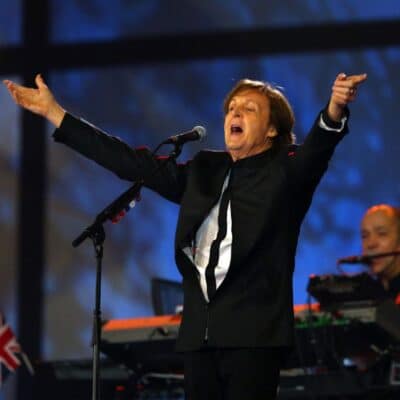
At the end of the 2012 London Olympics opening ceremony, Paul McCartney performed “The End” and “Hey Jude.” He was paid £1 so that his volunteer role met UK contract law.
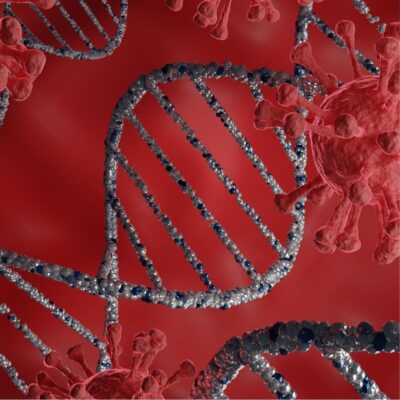
As much as 8% of the human genome is made up of ancient viruses that our distant primate ancestors survived.
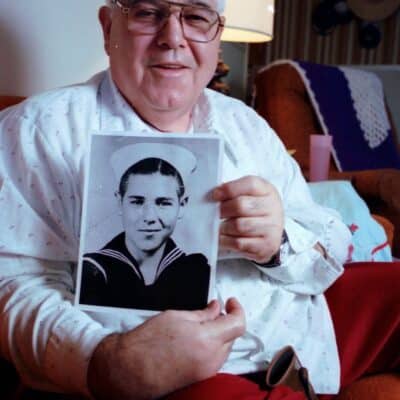
In 1942, 12-year-old Calvin Graham enlisted in the U.S. Navy by lying about his age. He became a decorated war hero at age 13 but was thrown out of the Navy after his mom found out.
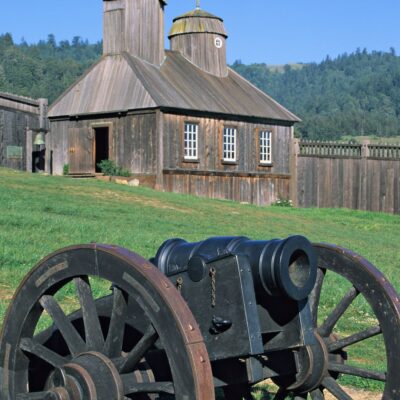
California was once a Russian colony. Until 1841, Russians controlled land as far south as Bodega Bay, just 50 miles north of San Francisco.
The Man in the Iron Mask was an unidentified prisoner held in a French prison for 34 years until his death in 1703. He was made to wear a mask so no one could identify him.
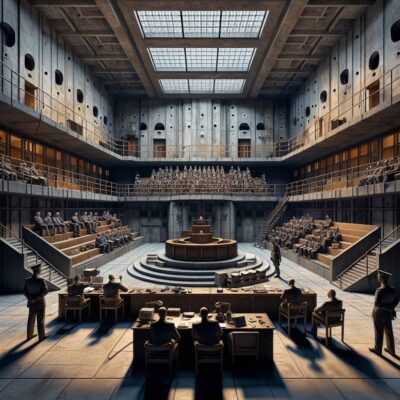
For the Maxi Trial, Italy built a bunker-like courthouse in Palermo, prosecuting 475 Mafia members in a case that spanned from 1986 to 1992.
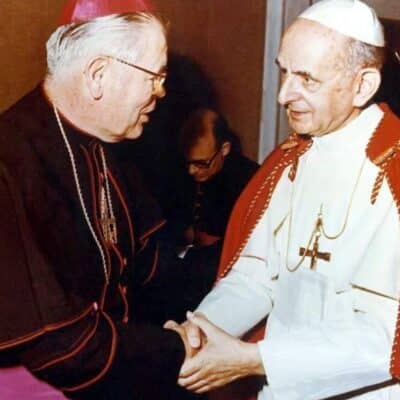
After Apollo 11 launched from Cape Canaveral in 1969, the bishop of Orlando joked that he was bishop of the Moon according to Canon Laws relating to newly discovered territories.
Of the 77 Olympians competing in the golf tournament at the 1904 Summer Olympics, 74 represented the USA, and 3 represented Canada. Canada won the gold medal.
The first Academy Awards, held on May 16, 1929, featured 12 award presentations and lasted just 15 minutes.
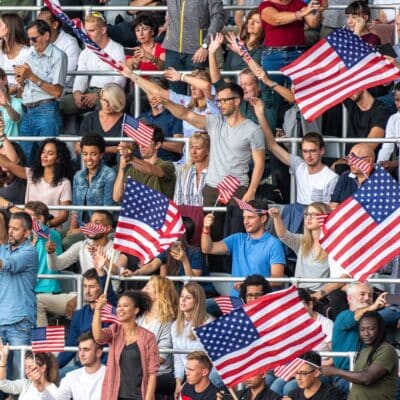
The original Star-Spangled Banner was sewn on a brewery floor in Baltimore in 1813 by Mary Pickersgill and her daughter.
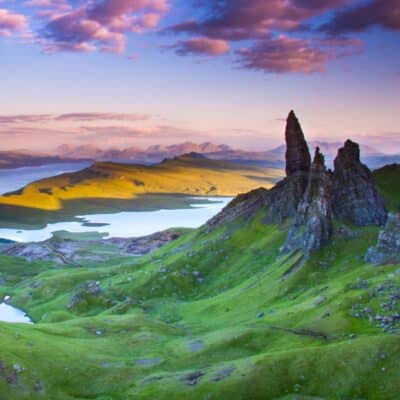
In the 1st century AD, Scotland was among the few countries that the Roman Empire attempted, but failed, to conquer.
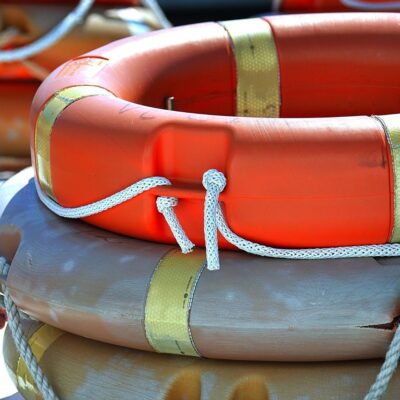
In 1985, the New Orleans lifeguards threw a pool party to celebrate a season without a single drowning. Ironically, a man drowned in the pool that night.
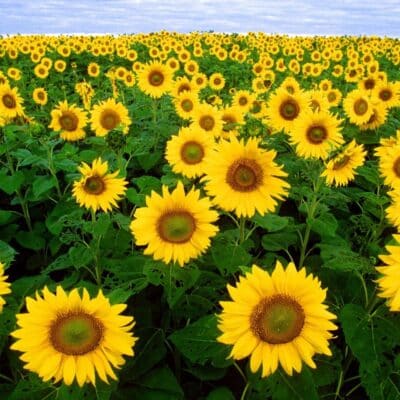
Following the Chernobyl disaster, sunflowers were planted in an attempt to remove radioactive elements from contaminated water and soil.
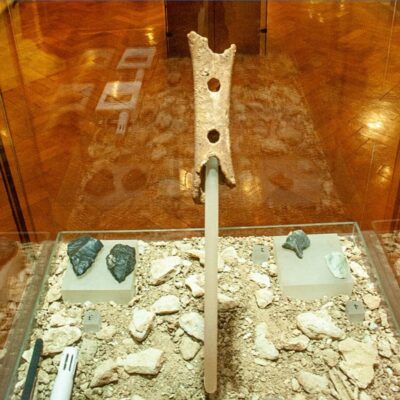
The Divje Babe flute, dated to 50,000-60,000 years ago, may be the world’s oldest musical instrument, though some attribute its holes to animal bites.