If you’re like me and a bit of a history buff, you’re in the right place! You’ll love reading these interesting facts about historical events, people, and ancient civilizations.
Here, we bring together the most interesting & unknown history fact pictures that you didn’t know you needed to know!
From World War I to crazy historic civilizations, these interesting facts should leave you more knowledgeable than before.
We continuously add new history-related facts here, so why not bookmark us to stay updated with our most interesting facts?
History Facts

Humans have been using yeast to produce alcohol for over 13,000 years, with evidence of beer brewing dating back to 11,000 BC in modern-day Israel.


On September 19, 1967, the Republic of Benin was declared but lasted only seven hours before Nigerian forces retook Benin City.
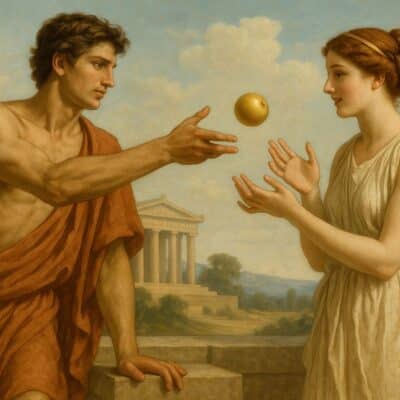
In Ancient Greece, throwing an apple to a woman was a symbolic gesture of romantic interest, and catching it indicated acceptance of that interest.

Two diseases have been successfully eradicated: smallpox in 1980 after the last case in 1977, and rinderpest in 2011 after the last case in 2001.

In the Titanic movie, crew member William Murdoch shot a passenger and then took his own life. In real life, he went down with the ship while filling lifeboats and saving lives.

After Apollo 11 launched from Cape Canaveral in 1969, the bishop of Orlando joked that he was bishop of the Moon according to Canon Laws relating to newly discovered territories.

The longest Cricket Test match lasted over 12 days between England and South Africa in 1939 and ended in a draw because the English team had to catch their boat home.
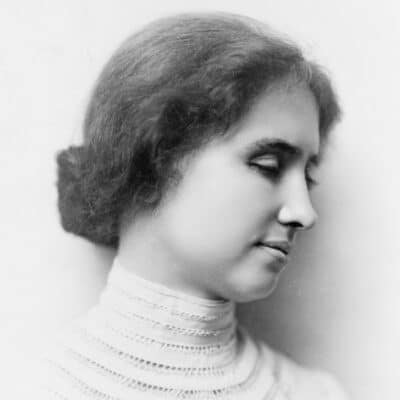
Helen Keller was related to Confederate General Robert E. Lee through her paternal grandmother, who was his second cousin.

The oldest “your mom” joke was discovered on a 3,500-year-old Babylonian tablet in Iraq in 1976. Although the tablet has since been lost, the text was preserved.
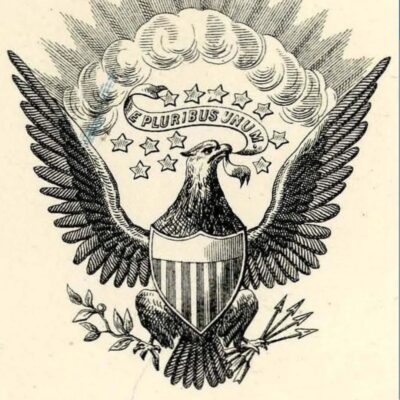
The USA’s original motto, “E Pluribus Unum” (“Out of many, one”), was taken from the cover slogan of a gentlemen’s magazine from England.
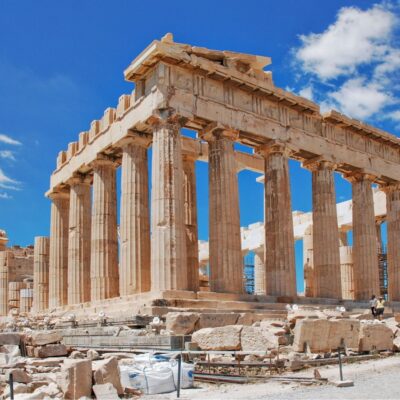
In ancient Athens, there were no professional lawyers; citizens represented themselves in court, and could not legally accept fees to plead another’s case.

Liechtenstein realized at the 1936 Olympic Games that its blue-red flag was identical to Haiti’s civil flag, so the following year, they added a gold crown to distinguish it.
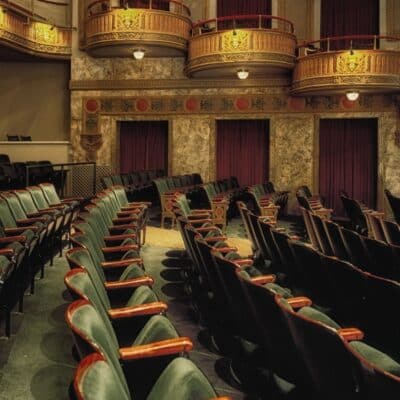
In the 1940s, air conditioning became popular in movie theaters and was advertised as “cool entertainment.”
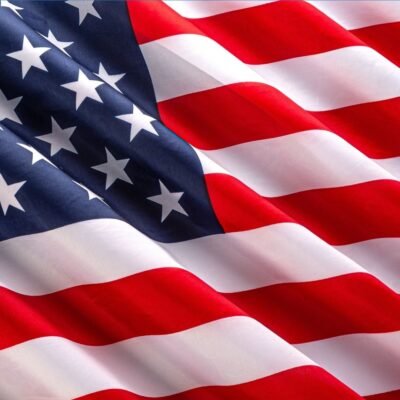
The 49-star U.S. flag was introduced on July 4, 1959, after Alaska became a state. It was replaced a year later by the 50-star flag following Hawaii’s statehood.
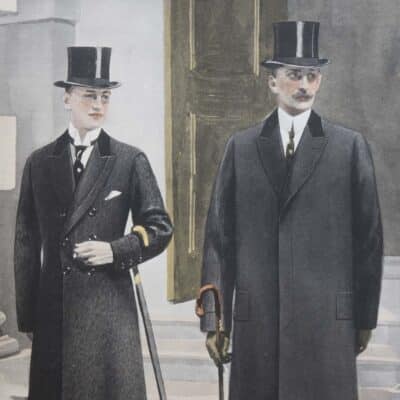
In historical England, a “gentleman” referred to a man of inherited social rank, lower than an esquire but higher than a yeoman or tradesman.
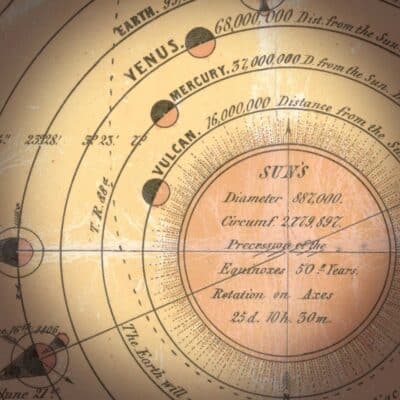
Astronomers in the 1800s believed there was one extra planet in the Solar System. Vulcan, the hypothetical planet, was meant to be between Mercury and the Sun.

The first jet aircraft was invented in Nazi Germany. Development started in 1936, and the first takeoff occurred on August 27, 1939.

More police officers have died from illnesses caused by the 9/11 attacks than the number of officers who died on the day of the attack itself.
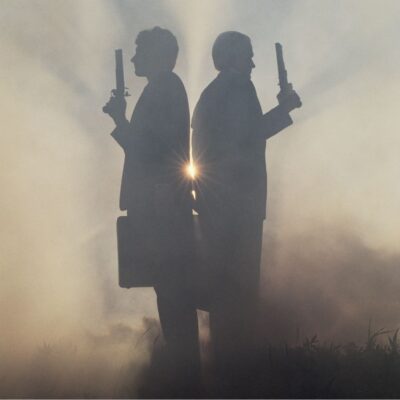
In October 2002, the Iraqi government proposed that George W. Bush and Saddam Hussein settle their differences through a formal, in-person duel instead of their nations going to war.

In 1992, a North Dakota teen lost his arms in a farm accident, but managed to call for help by using his mouth to open a door and dial for help with a pencil. Both arms were reattached.
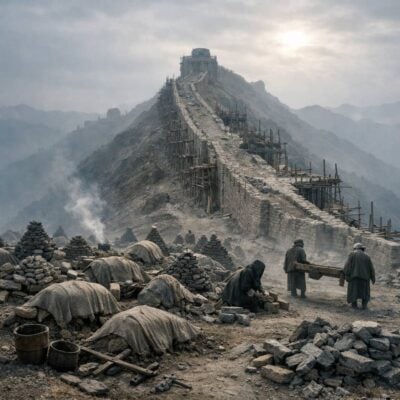
It’s estimated that around 400,000 workers lost their lives during the initial construction of the Great Wall of China.

As much as 8% of the human genome is made up of ancient viruses that our distant primate ancestors survived.