Is anyone else feeling hungry? Just me, hmm… well, these food and drink facts are gonna leave you hungry (or thirsty) for more!
Here at The Fact Site, we have rounded up the most interesting facts about your favorite foods or beverages, and you can see them all right here!
From strange fruit & vegetables to your favorite dairy products, these fun facts should please your appetite.
We add new tasty facts often, so please bookmark this page to keep updated with the latest food & drink facts.
Food & Drink Facts
In the 1980s, Pringles’ founder, Fredric Baur, requested to be buried in a Pringles can. His children honored the request.

Despite its famous tea culture, the UK ranks third in per capita tea consumption, with Ireland second and Turkey first, drinking over 1.5 times more tea than the United Kingdom.
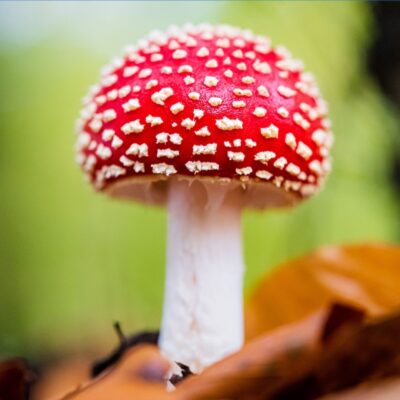
It’s estimated that of the 100,000 species of mushrooms worldwide, only about 100 are toxic to humans.
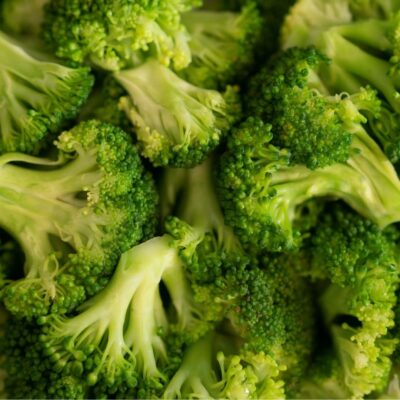
Broccoli originated over 2,000 years ago in the Mediterranean through selective breeding of wild cabbage.
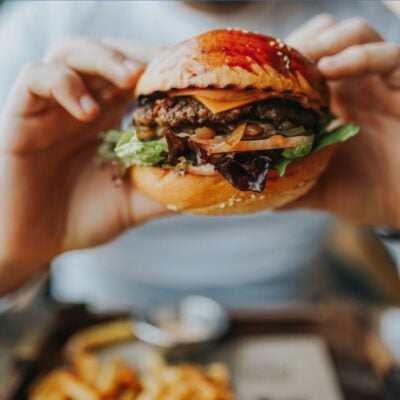
During World War I, hamburgers in the U.S. were nicknamed “Liberty Steaks” to avoid the German-sounding name.

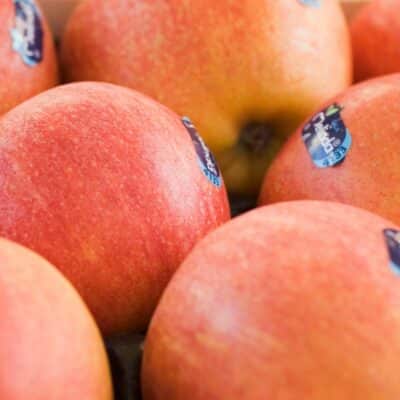
Fruit stickers can be eaten without causing serious harm, but they are not considered edible. It is recommended to remove them and wash the fruit before eating.
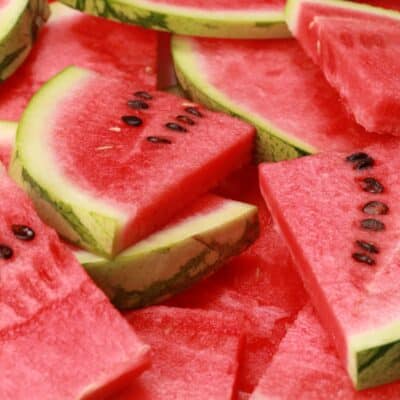
Until selective breeding made them taste better, watermelons tasted bitter and were harvested only for their water content.
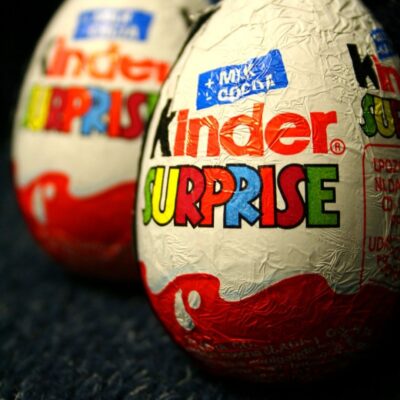
Kinder Surprise Eggs are banned in the United States due to an FDA law from 1938 that forbids any confection with “non-nutritive objects” inside.
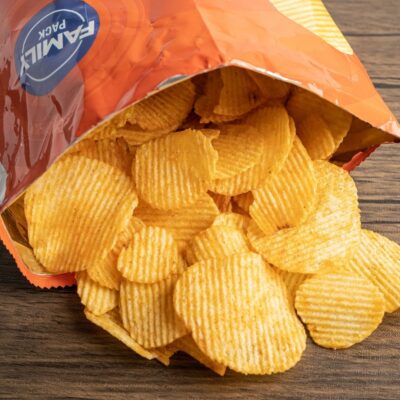
Potato chip bags are filled with nitrogen gas to prevent oxidation and maintain crispness, ensuring the chips stay fresh and unspoiled.
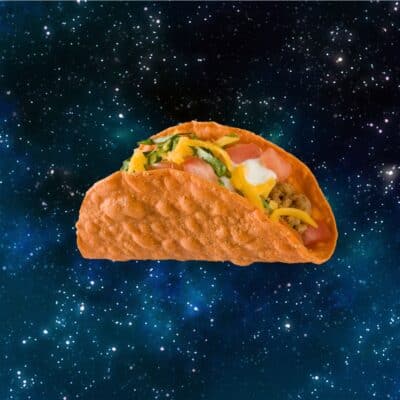
In the 1990s, Taco Bell made a soft taco tortilla with a 9-month shelf life, which NASA later used for space missions.
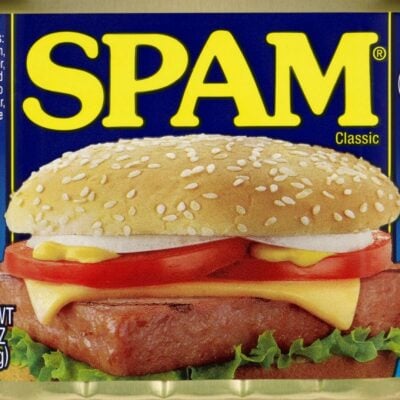
Hormel Foods, the creator of SPAM, kept a file of the hate mail they received from U.S. soldiers who had to eat the canned meat product while deployed overseas.