Is anyone else feeling hungry? Just me, hmm… well, these food and drink facts are gonna leave you hungry (or thirsty) for more!
Here at The Fact Site, we have rounded up the most interesting facts about your favorite foods or beverages, and you can see them all right here!
From strange fruit & vegetables to your favorite dairy products, these fun facts should please your appetite.
We add new tasty facts often, so please bookmark this page to keep updated with the latest food & drink facts.
Food & Drink Facts
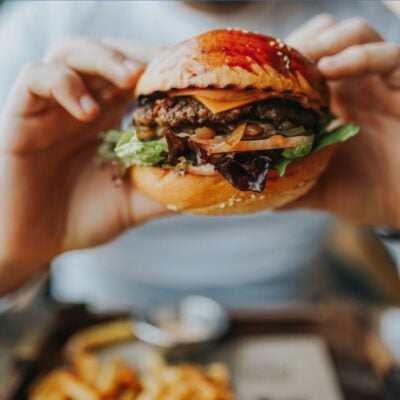
During World War I, hamburgers in the U.S. were nicknamed “Liberty Steaks” to avoid the German-sounding name.
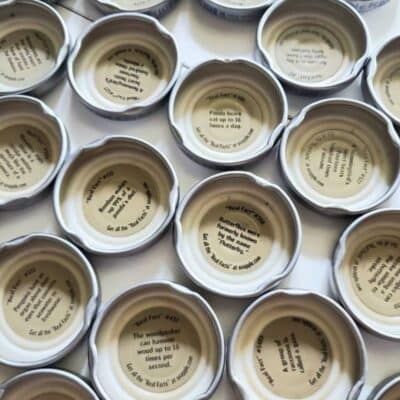
Several of the “Real Facts” on Snapple caps have been found to be outdated, incorrect, or exaggerated.
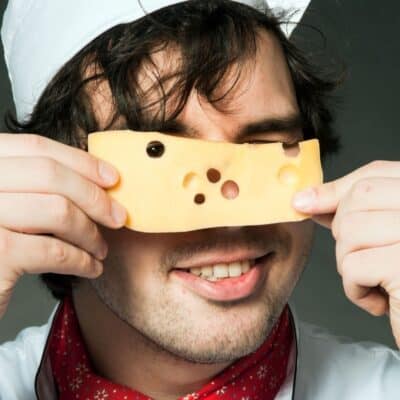
Tyromancy is the practice of predicting the future by interpreting the shapes, patterns, and textures of cheese.
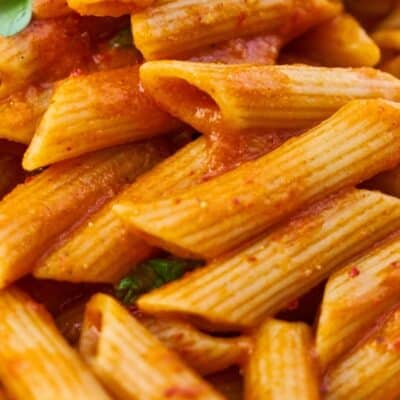
Cooling cooked pasta for 24 hours elevates its resistant starch levels, which can lower blood glucose spikes and serve as a prebiotic.
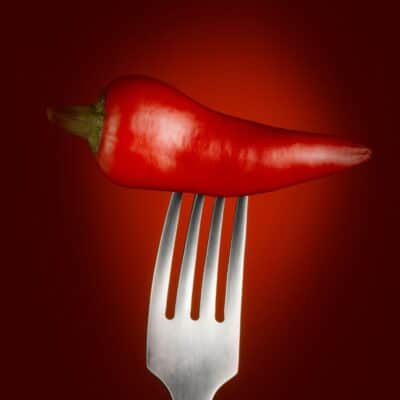
The Scoville Scale was developed in 1912 by Wilbur Scoville, using diluted pepper extracts and human tasters to measure the heat level.
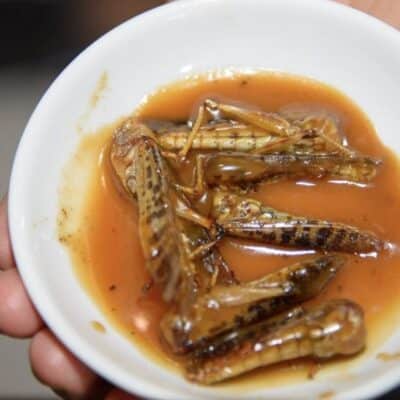
A priest and book publisher devised recipes inspired by biblical foods, including a locust soup to represent John the Baptist’s diet of “locusts and wild honey.”
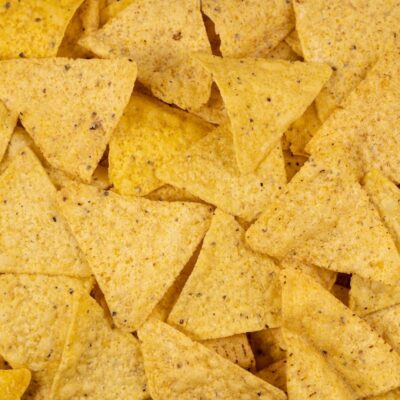
Doritos were engineered with an optimized mix of fat, salt, acids, and fast-melting ingredients that trigger the brain’s reward system, which makes them surprisingly hard to stop eating.
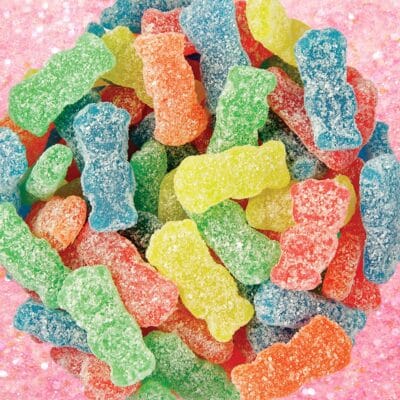
Sour Patch Kids and Swedish Fish are made by the same manufacturer, and red Sour Patch Kids are essentially Swedish Fish with sour sugar.
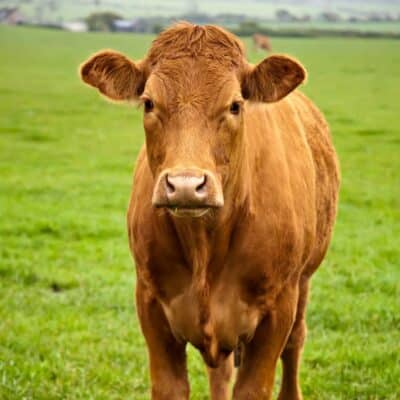
A survey conducted by the Innovation Center for U.S. Dairy found that 7% of American adults, about 16.4 million people, believe chocolate milk comes from brown cows.
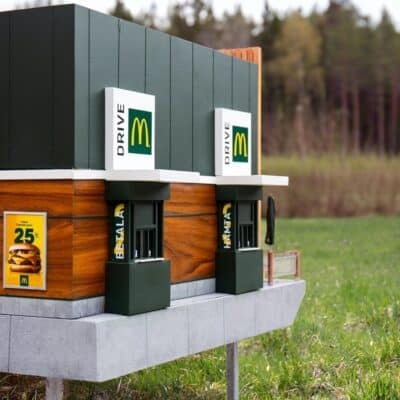
The world’s smallest McDonald’s is the McHive, a miniature restaurant replica in Sweden built in 2019 as a fully functional beehive for real bees.
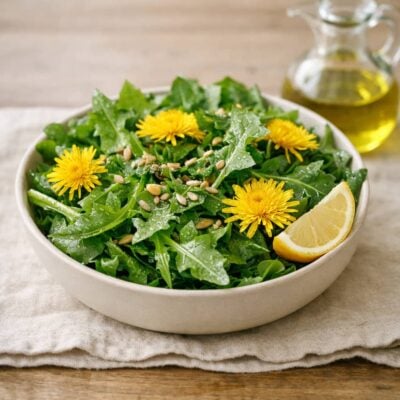
Dandelion flowers and greens are actually edible, can even be eaten raw, and are chock-full of nutrients!
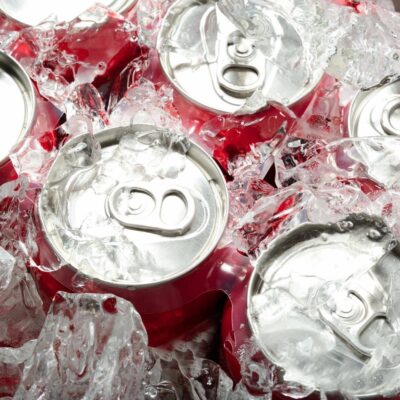
In 2013, Coca-Cola’s “The AHH Effect” campaign included registering domain names from “ahh.com” to one with 61 H’s.
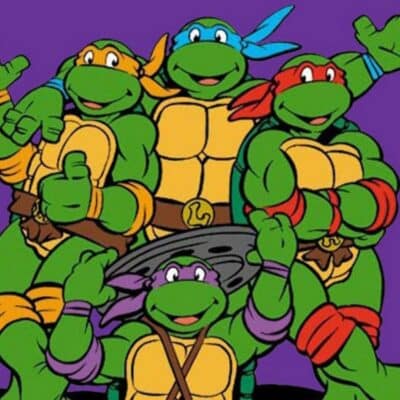
In the original 1984 “Teenage Mutant Ninja Turtles” comics, the turtles were depicted drinking beer; their love for pizza was introduced in the 1987 animated series.
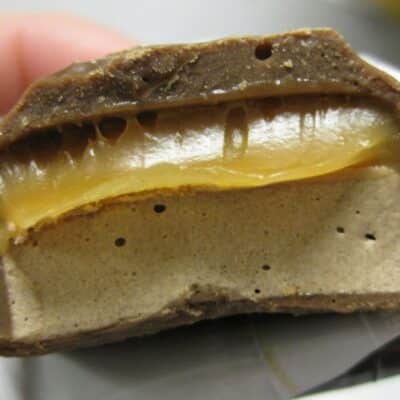
The Milky Way bar exists in two versions. The global version is sold as 3 Musketeers in the United States, and the U.S. version is sold internationally as the Mars bar.
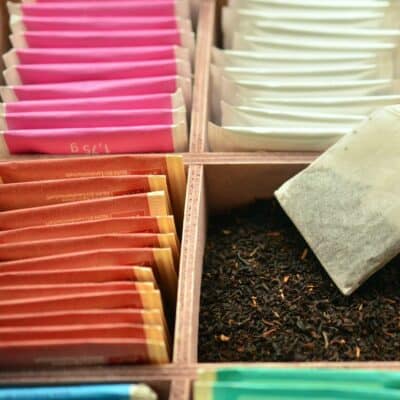
Thomas Sullivan’s 1908 tea samples came in silk bags, which customers put in hot water to brew tea, leading to the accidental invention of the tea bag.
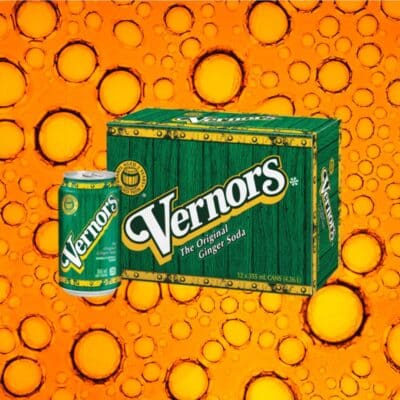
Vernors Ginger Ale is the oldest soda still being sold. It was created by Detroit pharmacist James Vernor in 1866.
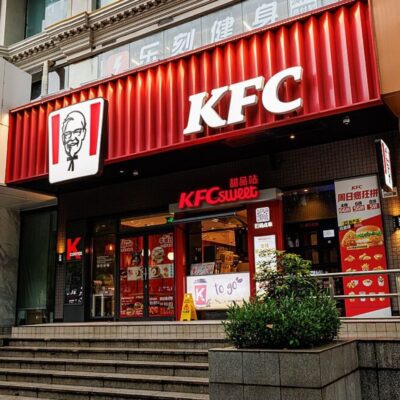
When KFC opened in China in the late 1980s, the restaurant accidentally translated its famous slogan “Finger-lickin’ good” to “Eat your fingers off.”

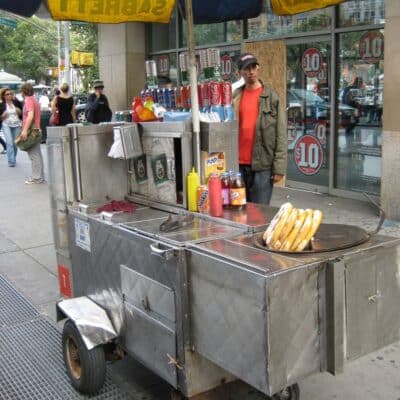
It costs around $290,000 per year in fees to run a hot dog cart near the Central Park Zoo in New York City. This does not include other cart-related expenses.
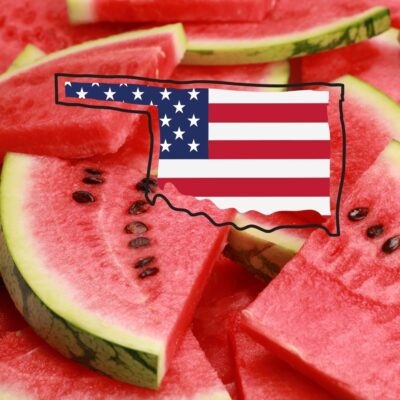
In 2007, Oklahoma declared the watermelon its state vegetable. Lawmakers tried to reverse the decision in 2015, but the effort failed, and the fruit remains the state vegetable.
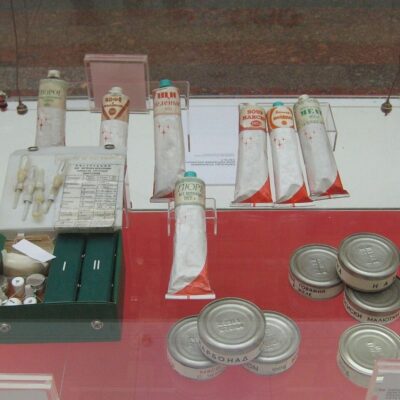
Yuri Gagarin’s first meal in space consisted of two tubes of pureed meat followed by a tube of chocolate sauce for dessert.
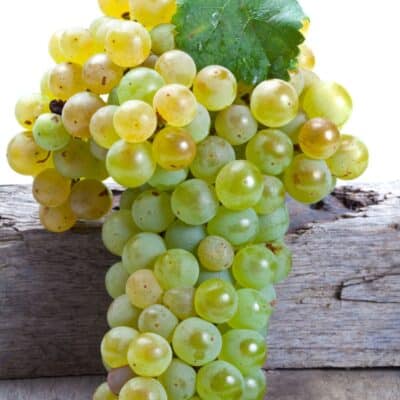
Cotton Candy grapes are a naturally bred hybrid that took over eight years to develop by crossbreeding grape varieties to achieve a flavor similar to cotton candy.