Is anyone else feeling hungry? Just me, hmm… well, these food and drink facts are gonna leave you hungry (or thirsty) for more!
Here at The Fact Site, we have rounded up the most interesting facts about your favorite foods or beverages, and you can see them all right here!
From strange fruit & vegetables to your favorite dairy products, these fun facts should please your appetite.
We add new tasty facts often, so please bookmark this page to keep updated with the latest food & drink facts.
Food & Drink Facts
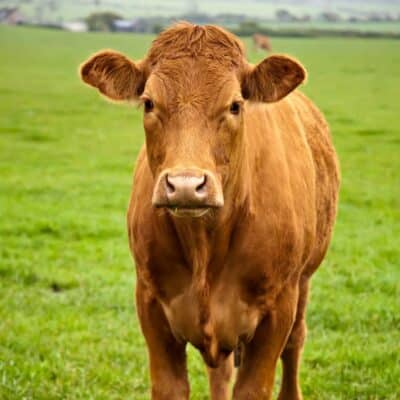
A survey conducted by the Innovation Center for U.S. Dairy found that 7% of American adults, about 16.4 million people, believe chocolate milk comes from brown cows.
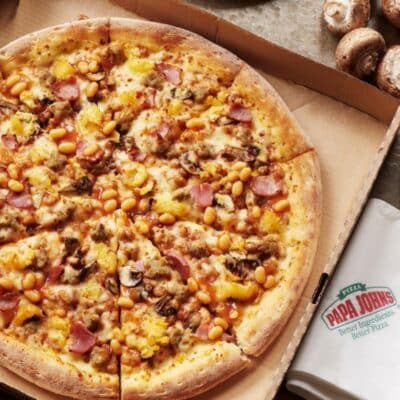
In 2012, Papa John’s was sued for sending late-night spam texts and settled for $16.5 million after people demanded over $250 million in damages.
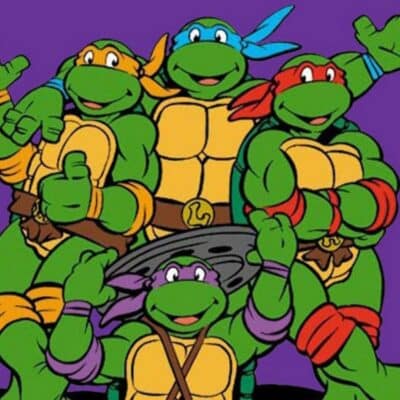
In the original 1984 “Teenage Mutant Ninja Turtles” comics, the turtles were depicted drinking beer; their love for pizza was introduced in the 1987 animated series.
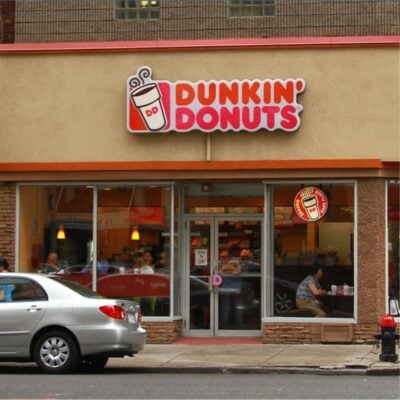
When Boston went into lockdown after the 2013 Marathon bombing, authorities asked Dunkin’ Donuts to remain open to supply food and drinks to police and emergency responders.
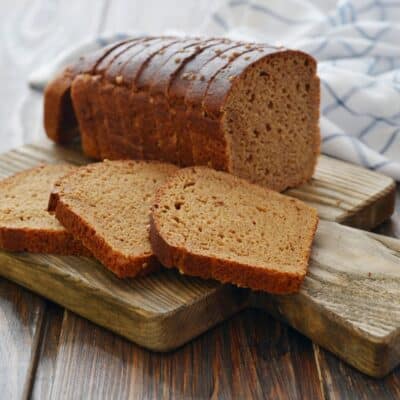
In 1943, U.S. officials imposed a short-lived ban on sliced bread as a wartime conservation measure, which lasted less than two months.
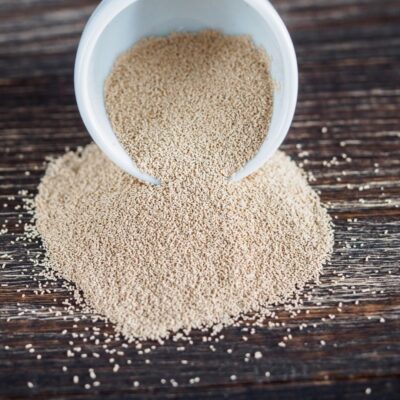
Humans have been using yeast to produce alcohol for over 13,000 years, with evidence of beer brewing dating back to 11,000 BC in modern-day Israel.
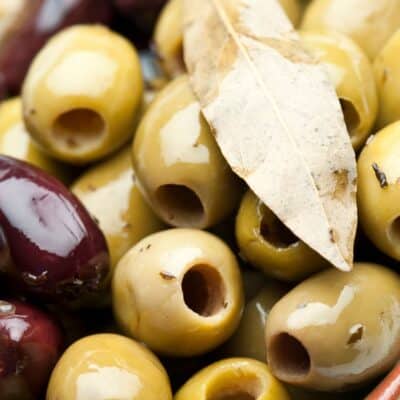
Green olives and black olives are the same fruit. The green ones are picked before ripening, while the black ones are left to ripen on the tree.
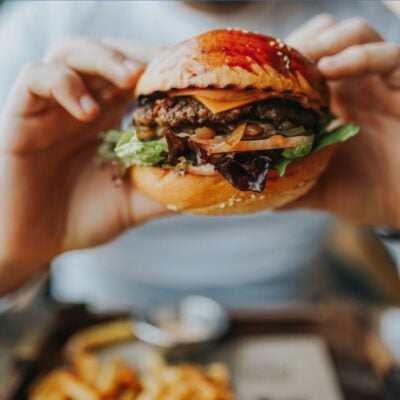
During World War I, hamburgers in the U.S. were nicknamed “Liberty Steaks” to avoid the German-sounding name.
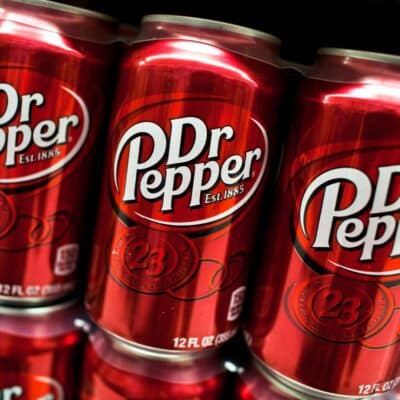
The period in “Dr. Pepper” was removed in the 1950s to avoid confusion caused by the font, which made it look like “Di: Pepper.”
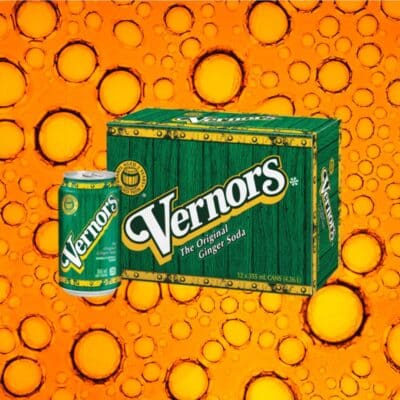
Vernors Ginger Ale is the oldest soda still being sold. It was created by Detroit pharmacist James Vernor in 1866.
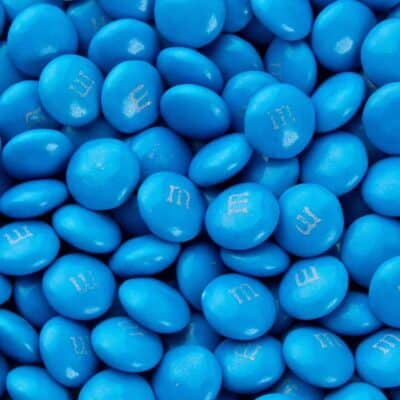
In 1995, blue M&Ms were added to the lineup following a public poll that replaced the tan M&Ms, which were deemed redundant because they looked similar to the existing brown M&Ms.
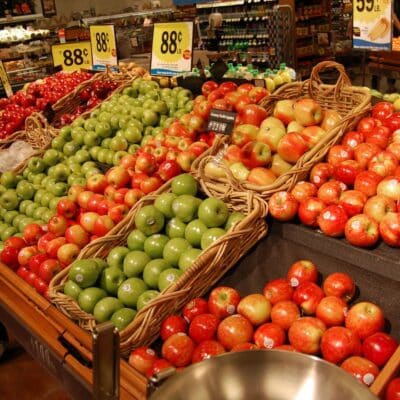
On average, apples sold in supermarkets are already 9-12 months old. They are picked unripe, treated with chemicals, waxed and boxed, then kept in cold storage.
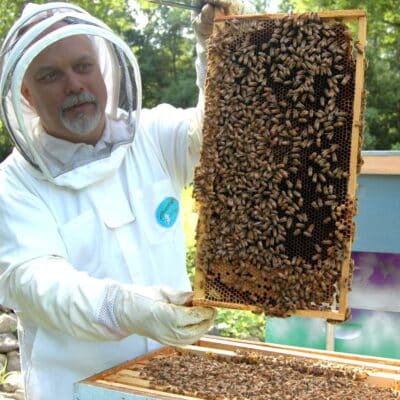
Eating bananas near bee hives may provoke aggression, as the banana scent resembles an alarm pheromone bees release when defending the hive.
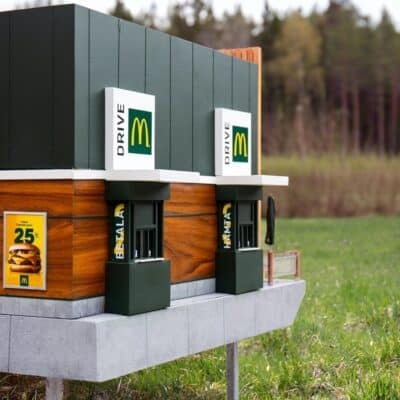
The world’s smallest McDonald’s is the McHive, a miniature restaurant replica in Sweden built in 2019 as a fully functional beehive for real bees.

Despite its famous tea culture, the UK ranks third in per capita tea consumption, with Ireland second and Turkey first, drinking over 1.5 times more tea than the United Kingdom.
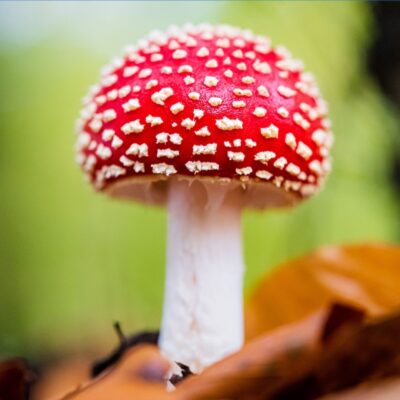
It’s estimated that of the 100,000 species of mushrooms worldwide, only about 100 are toxic to humans.
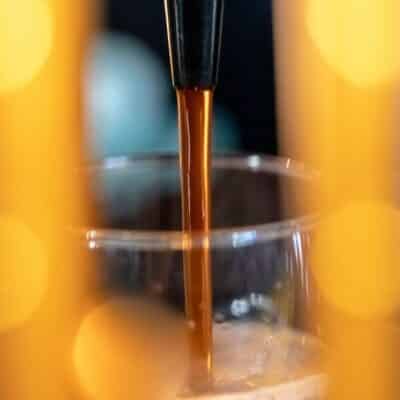
Flights can sometimes be delayed by something as small as a broken coffee machine, since safety rules require all onboard equipment to be working before takeoff.
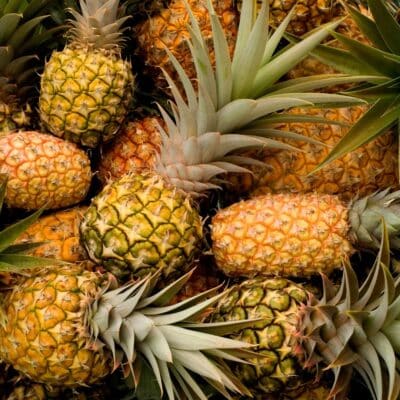
In 18th-century England, having a pineapple was a symbol of wealth because of high import fees. They were often used as displays instead of being eaten.
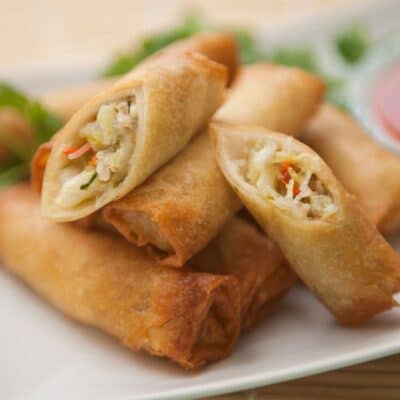
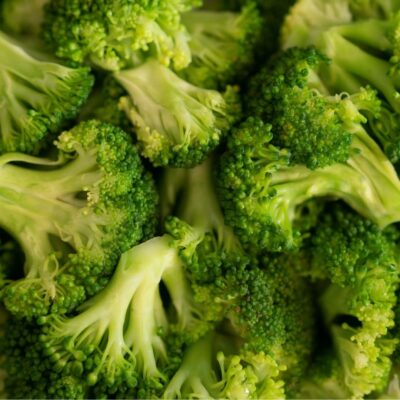
Broccoli originated over 2,000 years ago in the Mediterranean through selective breeding of wild cabbage.
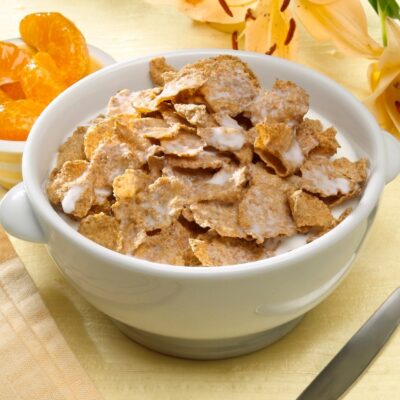
Kellogg’s All-Bran isn’t 100% bran! Instead, it contains 87% wheat bran, with the other 13% made up of barley malt extract, salt, sugar, and vitamins and minerals.
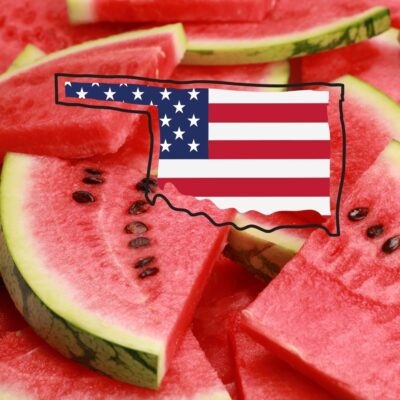
In 2007, Oklahoma declared the watermelon its state vegetable. Lawmakers tried to reverse the decision in 2015, but the effort failed, and the fruit remains the state vegetable.