Is anyone else feeling hungry? Just me, hmm… well, these food and drink facts are gonna leave you hungry (or thirsty) for more!
Here at The Fact Site, we have rounded up the most interesting facts about your favorite foods or beverages, and you can see them all right here!
From strange fruit & vegetables to your favorite dairy products, these fun facts should please your appetite.
We add new tasty facts often, so please bookmark this page to keep updated with the latest food & drink facts.
Food & Drink Facts
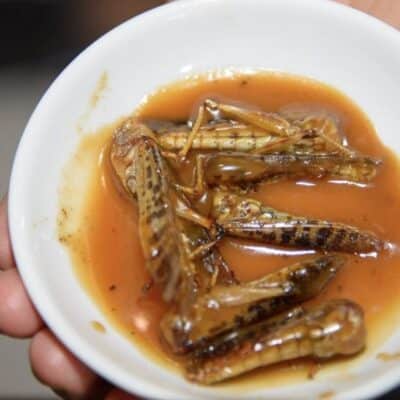
A priest and book publisher devised recipes inspired by biblical foods, including a locust soup to represent John the Baptist’s diet of “locusts and wild honey.”

Despite its famous tea culture, the UK ranks third in per capita tea consumption, with Ireland second and Turkey first, drinking over 1.5 times more tea than the United Kingdom.
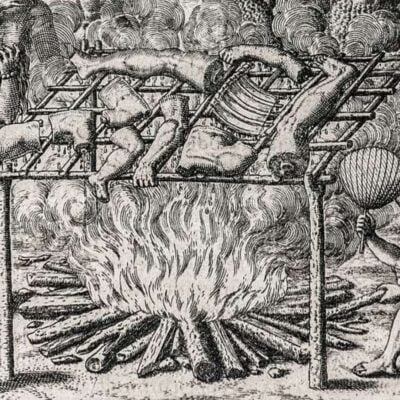
Hufu, a tofu product designed to look and taste like human flesh, was jokingly marketed as “the healthy human flesh alternative” for “cannibals who want to quit.”
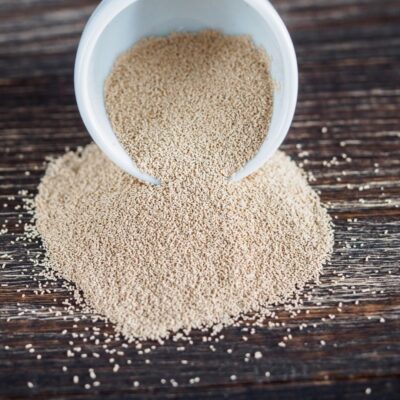
Humans have been using yeast to produce alcohol for over 13,000 years, with evidence of beer brewing dating back to 11,000 BC in modern-day Israel.
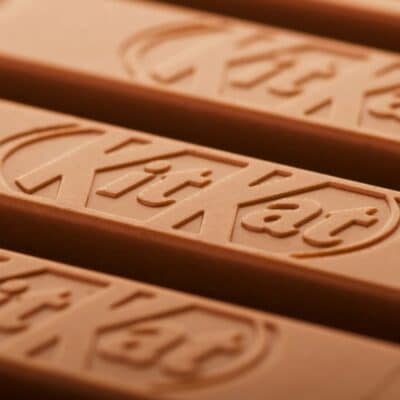
Nestlé produces KitKat and Rolo globally, with the exception of the U.S., where these products are manufactured by their competitor, Hershey’s.
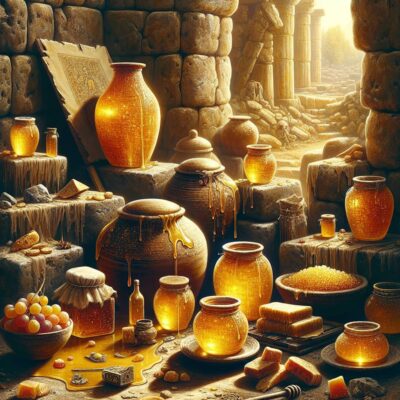
Honey and items immersed in honey can be preserved for centuries. The long shelf life is due to an enzyme found in the stomachs of bees.
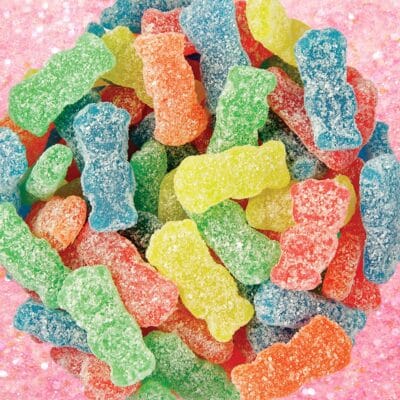
Sour Patch Kids and Swedish Fish are made by the same manufacturer, and red Sour Patch Kids are essentially Swedish Fish with sour sugar.
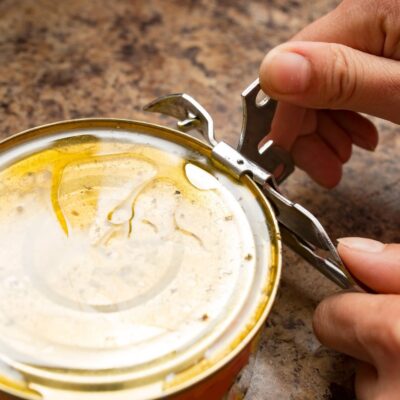
The can opener wasn’t invented until almost 50 years after the can. Earlier methods to open cans included the use of a hammer and chisel.
In the 1980s, Pringles’ founder, Fredric Baur, requested to be buried in a Pringles can. His children honored the request.
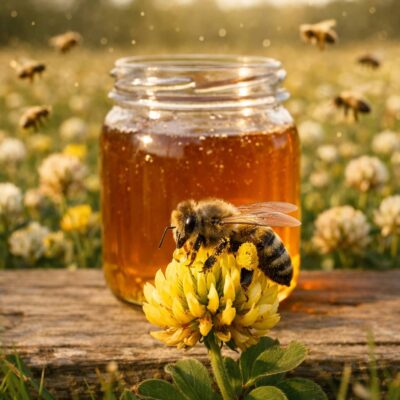
Honey bees visit around 2 million flowers and fly more than 55,000 miles to make just 1 pound of honey.
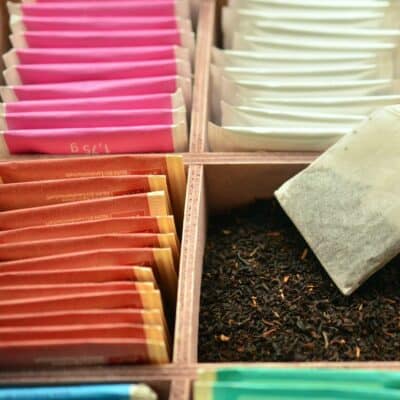
Thomas Sullivan’s 1908 tea samples came in silk bags, which customers put in hot water to brew tea, leading to the accidental invention of the tea bag.
Volkswagen sells more sausages than cars in some years, with 7.2 million sausages sold in 2015 compared to 5.82 million cars.
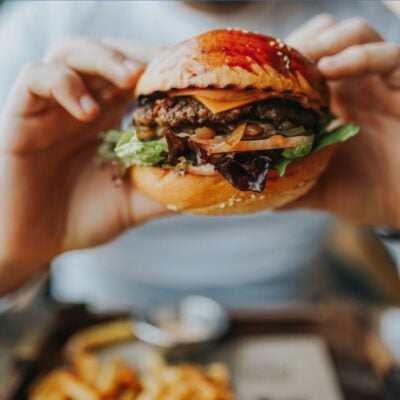
During World War I, hamburgers in the U.S. were nicknamed “Liberty Steaks” to avoid the German-sounding name.

Movie theaters make roughly 40% of their profit from concession stands. This is because ticket revenues have to be shared with the movie distributors.
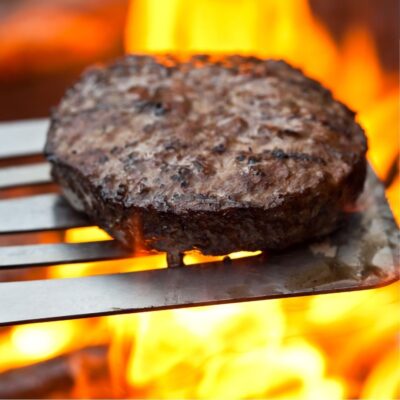
The fast-food chain Burger King cannot open a restaurant in Mattoon, Illinois, because a local burger restaurant there has used the name Burger King since before the chain existed.
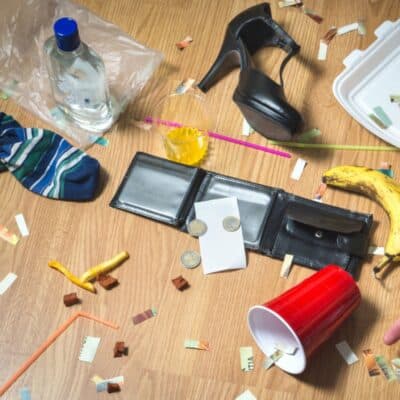
In 2017, 70 students drank so much alcohol at a Maryland house party that the air inside the house registered 0.01% on a breathalyzer.
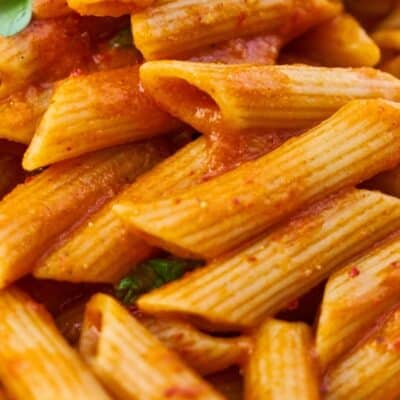
Cooling cooked pasta for 24 hours elevates its resistant starch levels, which can lower blood glucose spikes and serve as a prebiotic.
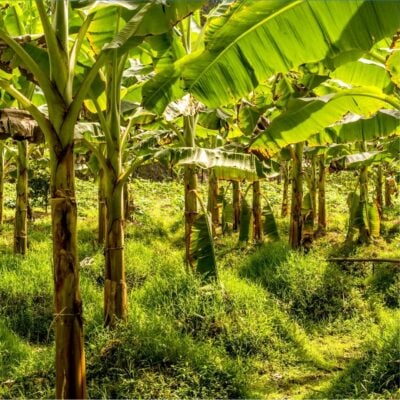
Despite their appearance, banana trees aren’t trees. They are actually the largest herb species in the world and are distantly related to ginger.
By the end of 2019, seven out of ten Coca-Cola bottles sold in Australia were made with recycled plastic, as part of the company’s “World Without Waste” initiative.
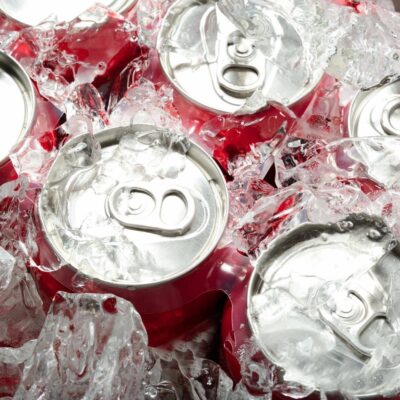
In 2013, Coca-Cola’s “The AHH Effect” campaign included registering domain names from “ahh.com” to one with 61 H’s.
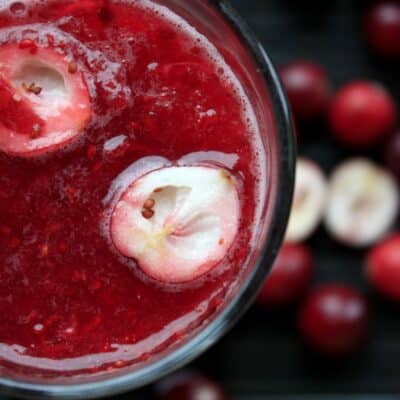
Ocean Spray Cranberry cocktail comes from cooperatively owned cranberry farms where 100% of the profits from the products are given back to the farmers.
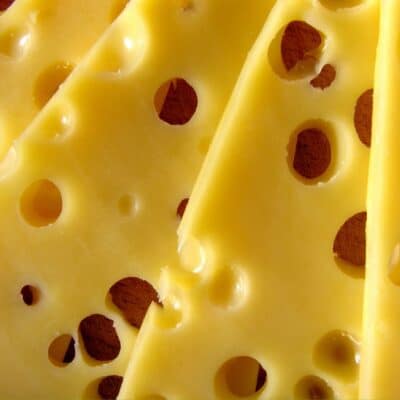
About 4% of global cheese production is stolen annually, making cheese the world’s most stolen food.