Is anyone else feeling hungry? Just me, hmm… well, these food and drink facts are gonna leave you hungry (or thirsty) for more!
Here at The Fact Site, we have rounded up the most interesting facts about your favorite foods or beverages, and you can see them all right here!
From strange fruit & vegetables to your favorite dairy products, these fun facts should please your appetite.
We add new tasty facts often, so please bookmark this page to keep updated with the latest food & drink facts.
Food & Drink Facts
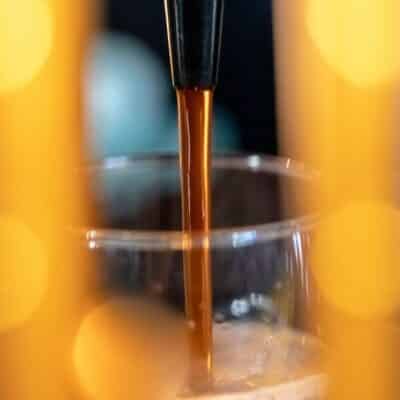
Flights can sometimes be delayed by something as small as a broken coffee machine, since safety rules require all onboard equipment to be working before takeoff.
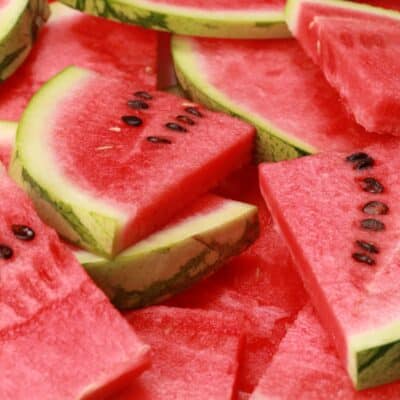
Until selective breeding made them taste better, watermelons tasted bitter and were harvested only for their water content.
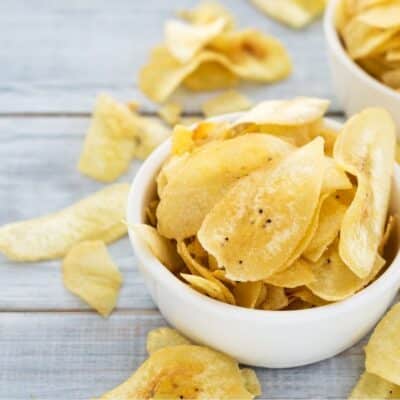
The first recorded use of the term “chips” to describe fried potatoes was in Charles Dickens’ classic novel “A Tale of Two Cities.”
In the 1980s, Pringles’ founder, Fredric Baur, requested to be buried in a Pringles can. His children honored the request.

Walmart found that sales of strawberry Pop-Tarts spike significantly in the days leading up to a hurricane, increasing by about seven times their normal rate.
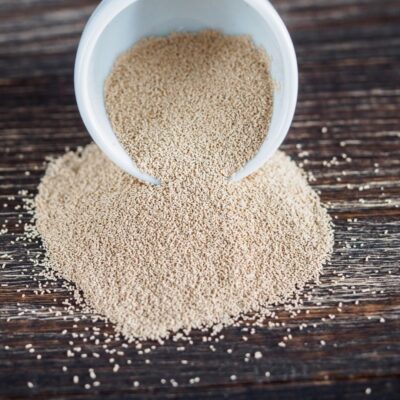
Humans have been using yeast to produce alcohol for over 13,000 years, with evidence of beer brewing dating back to 11,000 BC in modern-day Israel.
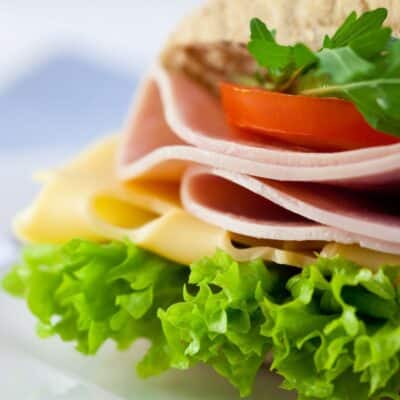
The United States Department of Agriculture says the official definition of a sandwich is “at least 35 percent cooked meat and no more than 50 percent bread.”
In 1896, bars in New York often served the same sandwich to different customers all day as a loophole to avoid laws that required them to serve meals with alcohol sales.
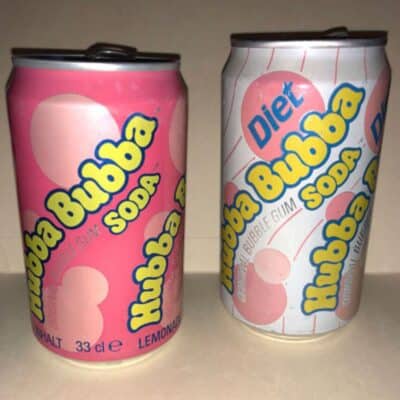
Hubba Bubba released a bubble gum-flavored soda in 1988, which included a diet version, but it was discontinued within a few years due to low demand.

In the 1875 Dublin whiskey fire, 13 people died not from the flames but from alcohol poisoning after whiskey from burning warehouses flooded the streets and was drunk by residents.
By the end of 2019, seven out of ten Coca-Cola bottles sold in Australia were made with recycled plastic, as part of the company’s “World Without Waste” initiative.
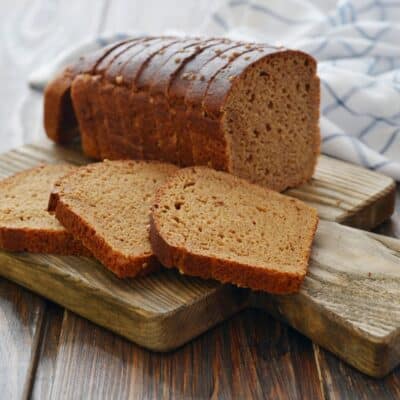
In 1943, U.S. officials imposed a short-lived ban on sliced bread as a wartime conservation measure, which lasted less than two months.
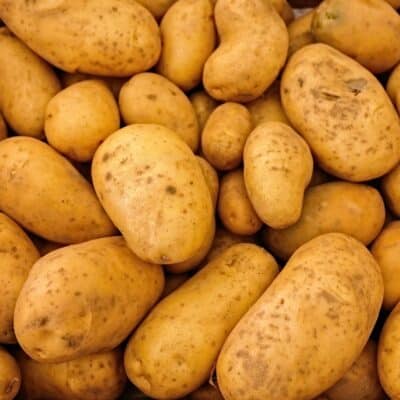
Belarusians consume more potatoes per capita than anyone else in the world, with the average person in Belarus eating 341-375 pounds (155-170 kg) every year.
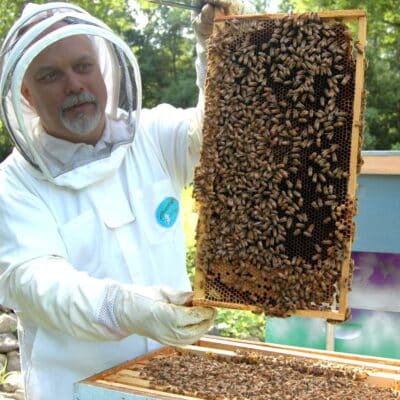
Eating bananas near bee hives may provoke aggression, as the banana scent resembles an alarm pheromone bees release when defending the hive.
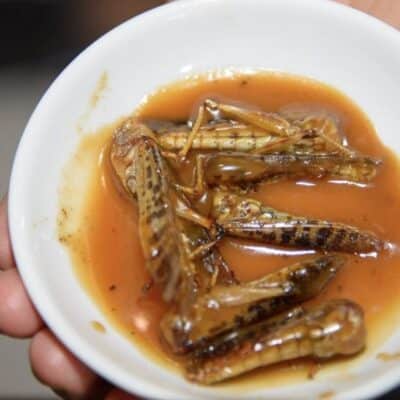
A priest and book publisher devised recipes inspired by biblical foods, including a locust soup to represent John the Baptist’s diet of “locusts and wild honey.”
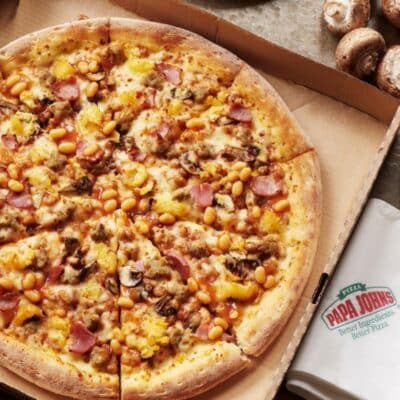
In 2012, Papa John’s was sued for sending late-night spam texts and settled for $16.5 million after people demanded over $250 million in damages.
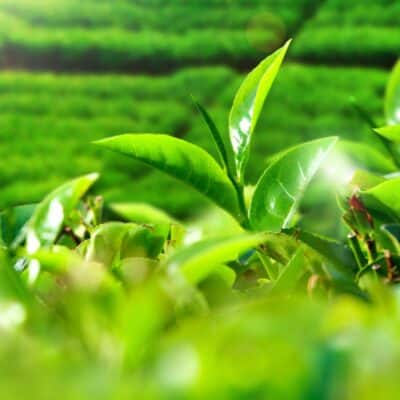
Green tea, black tea, and oolong tea all come from the same plant. The only difference is the oxidation level of the leaves.
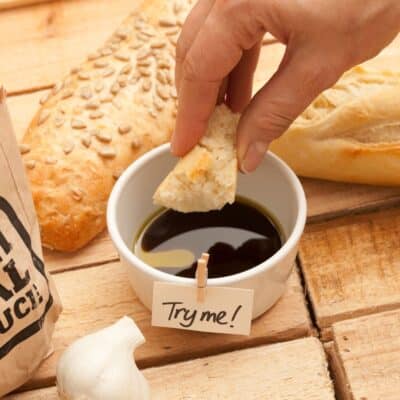
Dipping bread in olive oil and balsamic vinegar isn’t a traditional Italian practice; it actually originated in San Francisco.
Volkswagen sells more sausages than cars in some years, with 7.2 million sausages sold in 2015 compared to 5.82 million cars.
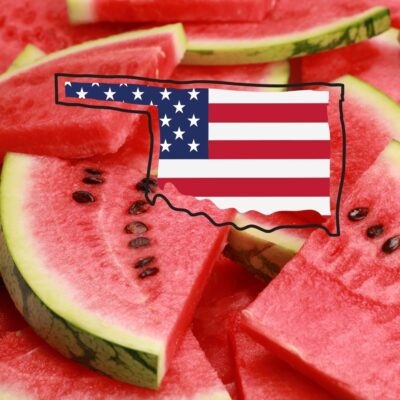
In 2007, Oklahoma declared the watermelon its state vegetable. Lawmakers tried to reverse the decision in 2015, but the effort failed, and the fruit remains the state vegetable.
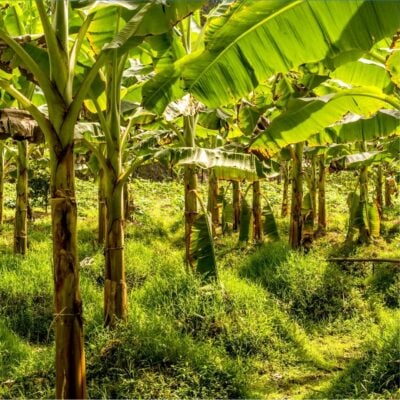
Despite their appearance, banana trees aren’t trees. They are actually the largest herb species in the world and are distantly related to ginger.