Are you looking for awesome facts about your favorite animals? Look no further!
Here at The Fact Site, we’ve gathered the most interesting animal fact images, including facts about your favorite mammals, reptiles, birds, insects, and much more!
From the cutest pets to the oldest dinosaurs, these animal facts will leave you wanting more!
We add new animal facts regularly, so please bookmark us to stay updated with our latest and greatest animal facts.
Animal Facts

The first formal guide dog training school was established in Oldenburg, Germany, in 1916 to assist soldiers blinded in combat during World War I.

In a 2019 study, rats learned to play hide-and-seek and exhibited behaviors such as strategic hiding, joyful vocalizations, and re-hiding for the sake of fun.
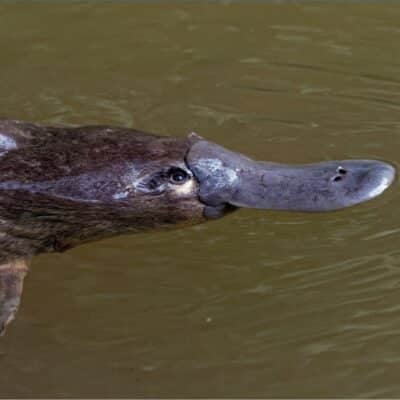
The first European scientists to examine a platypus body thought it was an elaborate hoax created from several other animal parts, including a duck’s bill and a beaver’s tail.

Instead of roaring, Tyrannosaurus rexes likely produced booming sounds via closed-mouth vocalization, with deep frequencies that could carry over miles.


Eagles have the best eyesight in the animal kingdom. They can see about eight times further than humans and quickly shift focus, essentially zooming their eyes.
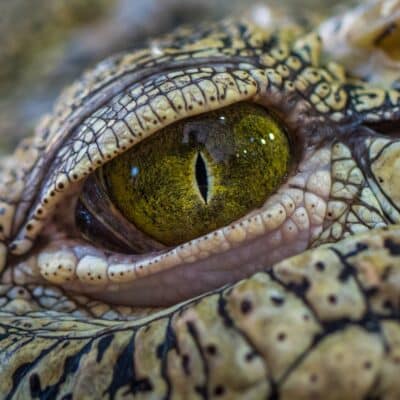
On August 25, 2010, a plane in Congo crashed due to panic caused by an escaped crocodile, resulting in 20 deaths and two survivors, including the crocodile.
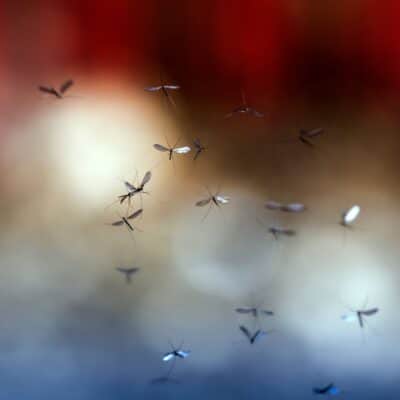
Eradicating mosquitoes may improve health by reducing disease but could disrupt ecosystems, as they serve important roles in pollination and as a food source for various species.
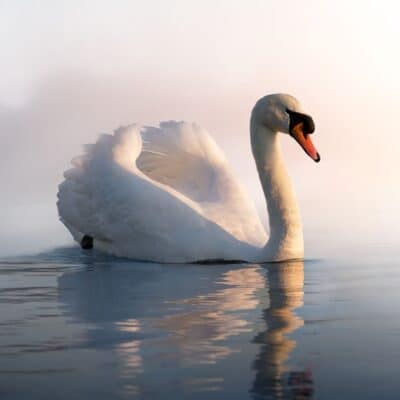

Although a lion has appeared on Britain’s coat of arms since at least 1189 AD, the country hasn’t had wild lions since the Stone Age.
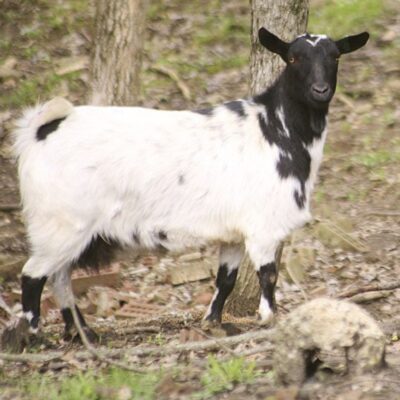
The myotonic goat, also known as the Tennessee fainting goat, stiffens and may fall over when startled or excited due to a hereditary condition called myotonia congenita.

Roughly 33% of cats are not affected by catnip. The euphoric reaction commonly associated with catnip is hereditary.
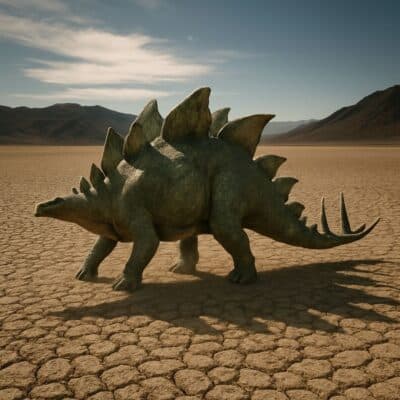
The group of spikes at the end of stegosaurid tails is called the “thagomizer.” They had no distinct name until the term was coined in 1982 by a cartoonist.
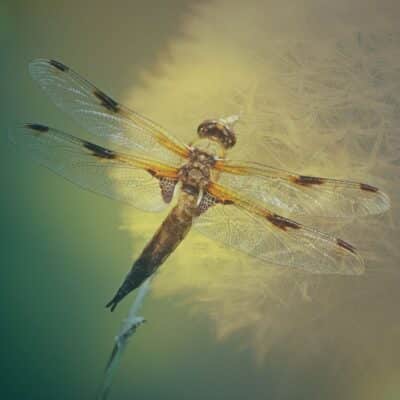
Dragonflies existed over 300 million years ago, long before dinosaurs, with some prehistoric species having wingspans as large as 2.5 feet.
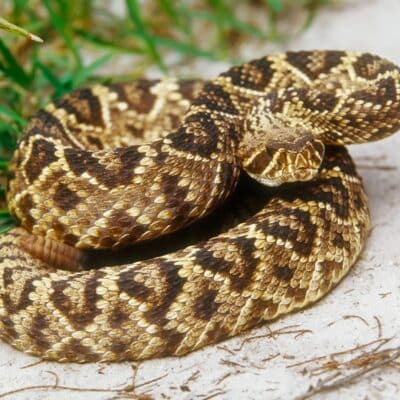
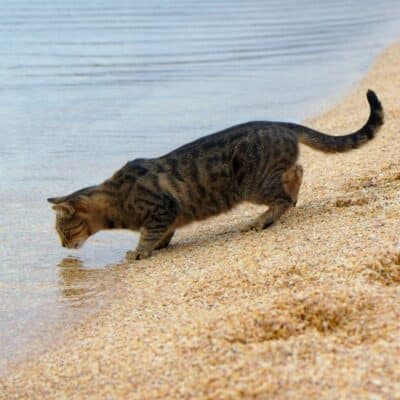
Cats can hydrate from seawater because their kidneys efficiently filter out the salt, while humans and most animals risk dehydration from drinking seawater.
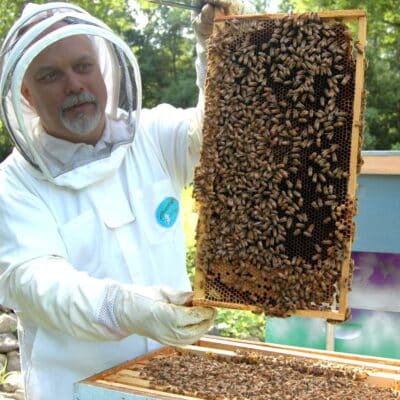
Eating bananas near bee hives may provoke aggression, as the banana scent resembles an alarm pheromone bees release when defending the hive.
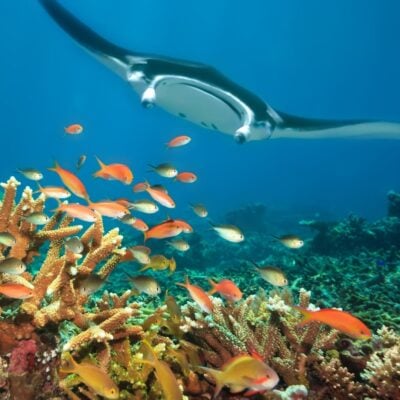
Giant manta rays have the largest brain-to-body ratio of any fish, with particularly well-developed areas for learning, problem-solving, and communicating.

The sport of squirrel fishing involves participants trying to catch squirrels and lift them into the air by using a fishing pole with a nut as bait.

While hunting, stoats perform wild jumps, spins, and twists to mesmerize rabbits. This behavior allows the stoat to get close enough to launch an attack.