Are you looking for awesome facts about your favorite animals? Look no further!
Here at The Fact Site, we’ve gathered the most interesting animal fact images, including facts about your favorite mammals, reptiles, birds, insects, and much more!
From the cutest pets to the oldest dinosaurs, these animal facts will leave you wanting more!
We add new animal facts regularly, so please bookmark us to stay updated with our latest and greatest animal facts.
Animal Facts
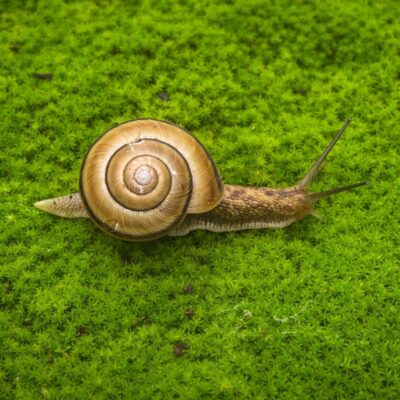

The first living creatures to orbit the Moon weren’t humans but tortoises! They spent seven days there in 1968 before returning safely to Earth.
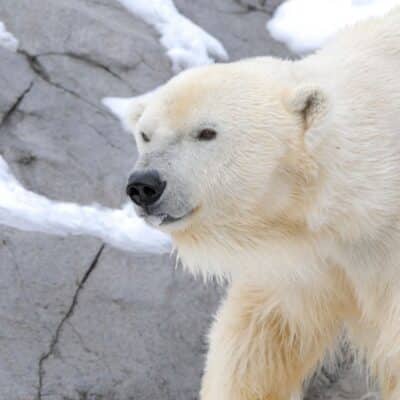
Polar bears often hunt walruses by causing panic and targeting those injured in the chaos, as direct attacks are too risky due to the walruses’ size and sharp tusks.

Bees have three tiny additional eyes on the top of their heads called ocelli, which collect and focus light to help them navigate.

When roosters crow, soft tissues in their heads close off their ear canals, acting as natural earplugs.

In Switzerland, it’s illegal to own just one guinea pig. This is due to the fact that they’re social animals and require companionship to prevent loneliness and associated health issues.
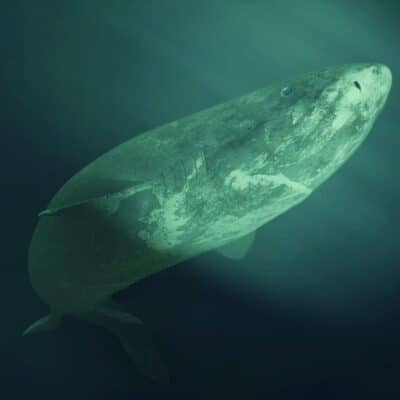
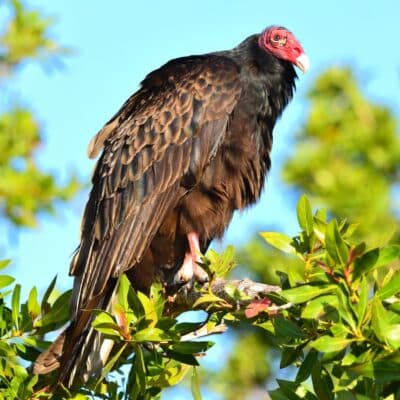
Turkey vultures use defensive vomit as a method to repel potential threats and can project their vomit up to 10 feet.
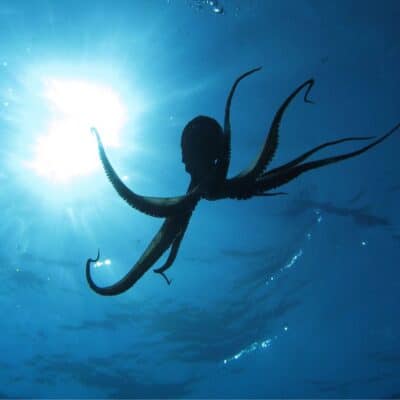
Octopuses and squids have beaks made of chitin, the same material found in the exoskeletons of insects and crustaceans.
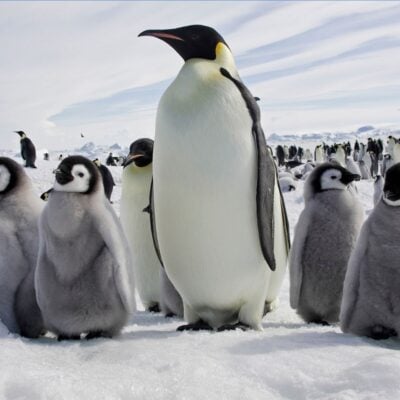
From 1948 to 1958, a Florida man tricked locals into thinking a 15-foot-tall penguin had visited their local beach by wearing giant cast-iron shoes shaped like penguin feet.

The sport of squirrel fishing involves participants trying to catch squirrels and lift them into the air by using a fishing pole with a nut as bait.


Humans were not the first living creatures in space; fruit flies earned that title when they were launched aboard a U.S. rocket in 1947 to study radiation exposure.

Pal, a male collie initially hired as a stunt dog for the 1943 movie “Lassie Come Home,” performed so well that he was recast as Lassie, replacing the original female collie.
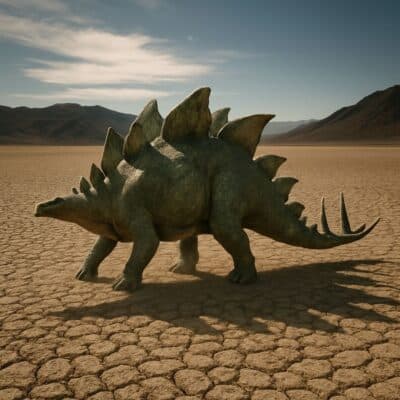
The group of spikes at the end of stegosaurid tails is called the “thagomizer.” They had no distinct name until the term was coined in 1982 by a cartoonist.
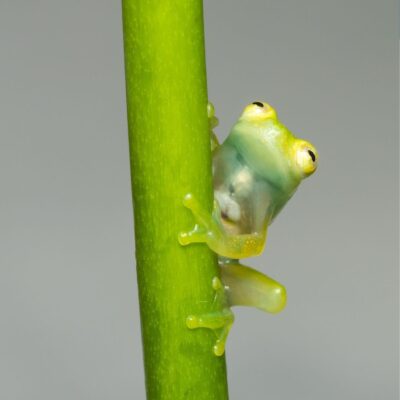
Glass frogs are named as such because their internal viscera, including the heart, liver, and gastrointestinal tract, are visible through the skin.
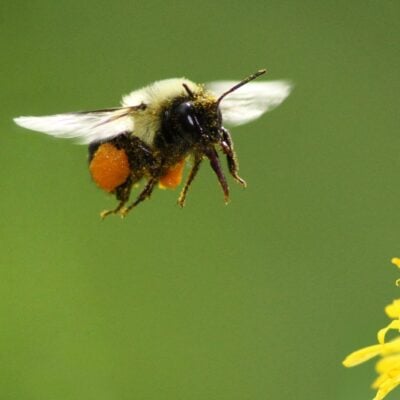
When bumblebees flap their wings, they generate a positive charge, which transfers to the flowers they land on. This tells other bees not to visit the flower.
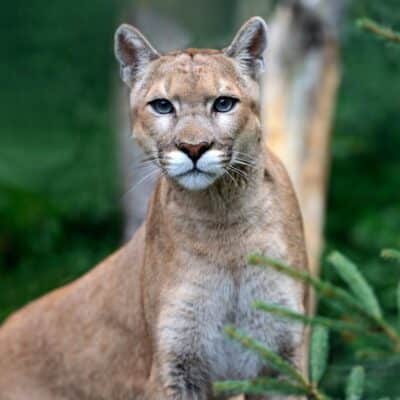
Puma, cougar, and mountain lion are names for the same animal. The scientific name is Puma concolor, but they are more commonly referred to as cougars.
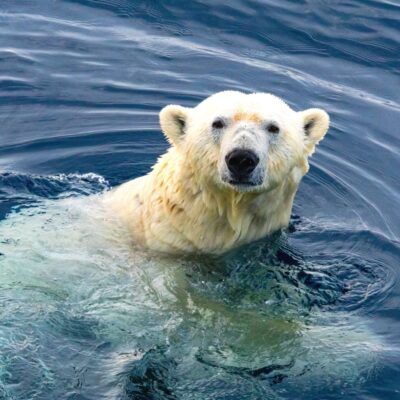
In 2019, a state of emergency was declared in one of Russia’s Arctic regions due to a mass invasion of polar bears.

In some parts of the world, spiked dog collars are still used for their original purpose: to protect shepherding dogs from predators like wolves.
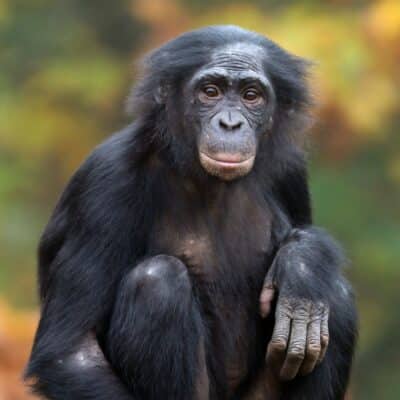
Brian the Bonobo was treated with Paxil for anxiety, and he was documented sharing his pills with other apes during his recovery.