Are you looking for awesome facts about your favorite animals? Look no further!
Here at The Fact Site, we’ve gathered the most interesting animal fact images, including facts about your favorite mammals, reptiles, birds, insects, and much more!
From the cutest pets to the oldest dinosaurs, these animal facts will leave you wanting more!
We add new animal facts regularly, so please bookmark us to stay updated with our latest and greatest animal facts.
Animal Facts
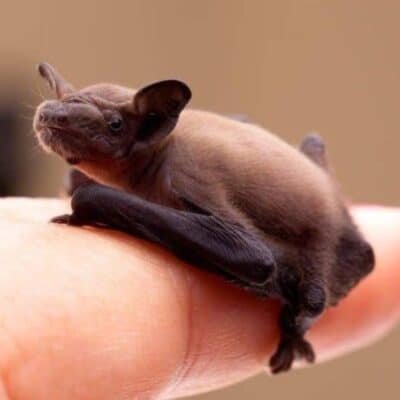
The bumblebee bat, native to Myanmar and Thailand, is the world’s smallest mammal, weighing about as much as two paper clips and measuring about the length of a human fingertip.
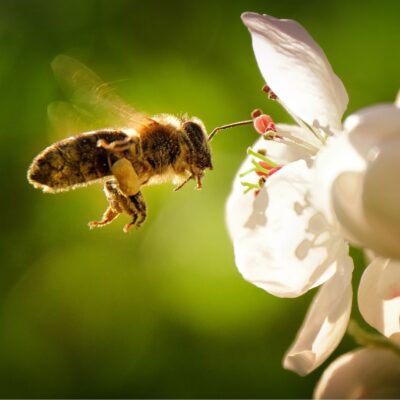
Bees have three tiny additional eyes on the top of their heads called ocelli, which collect and focus light to help them navigate.

Instead of roaring, Tyrannosaurus rexes likely produced booming sounds via closed-mouth vocalization, with deep frequencies that could carry over miles.


Pal, a male collie initially hired as a stunt dog for the 1943 movie “Lassie Come Home,” performed so well that he was recast as Lassie, replacing the original female collie.
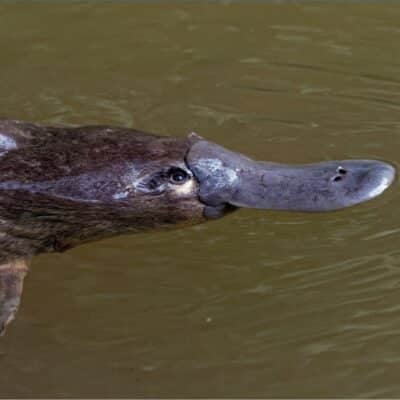
The first European scientists to examine a platypus body thought it was an elaborate hoax created from several other animal parts, including a duck’s bill and a beaver’s tail.

The seagulls in Alfred Hitchcock’s movie “The Birds” were fed a mixture of wheat and whiskey. It was the only way to get them to stand around so much instead of flying away.

In some parts of the world, spiked dog collars are still used for their original purpose: to protect shepherding dogs from predators like wolves.

Ambergris, an ingredient in some luxury perfumes, is produced in the digestive system of sperm whales. It smells like poop when fresh but gains a sweet scent after aging.

In 2015, scientists discovered sharks living in an underwater volcano near the Solomon Islands. However, human exploration is unsafe due to risks of burns from the heat and acidity.
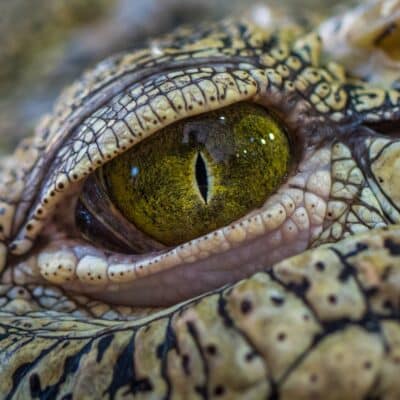
On August 25, 2010, a plane in Congo crashed due to panic caused by an escaped crocodile, resulting in 20 deaths and two survivors, including the crocodile.
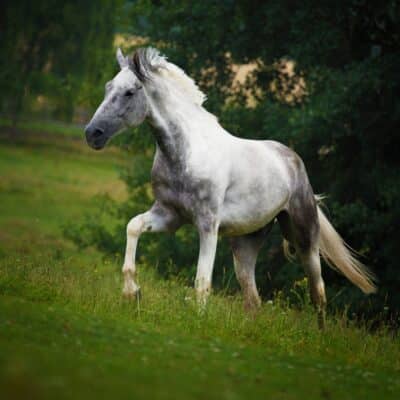
One horse can have approximately 15 horsepower. Horsepower is about 746 watts. The term was coined in the late 18th century.
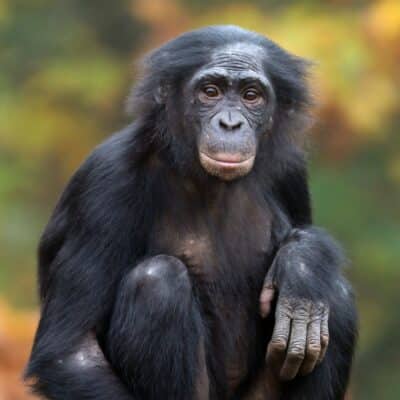
Brian the Bonobo was treated with Paxil for anxiety, and he was documented sharing his pills with other apes during his recovery.

While hunting, stoats perform wild jumps, spins, and twists to mesmerize rabbits. This behavior allows the stoat to get close enough to launch an attack.

In November 1957, a Soviet space dog named Laika became the first animal to orbit Earth, aboard Sputnik 2.

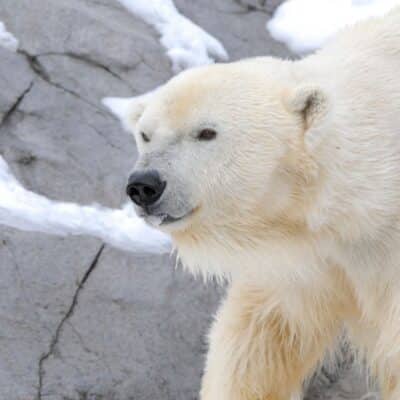
Polar bears often hunt walruses by causing panic and targeting those injured in the chaos, as direct attacks are too risky due to the walruses’ size and sharp tusks.

The sport of squirrel fishing involves participants trying to catch squirrels and lift them into the air by using a fishing pole with a nut as bait.
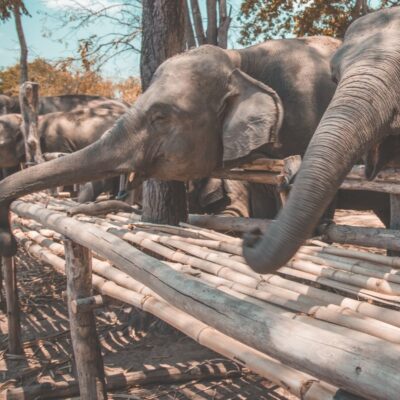
As of 2024, studies indicate that in China, over 70% of captive Asian elephants are overweight or obese.
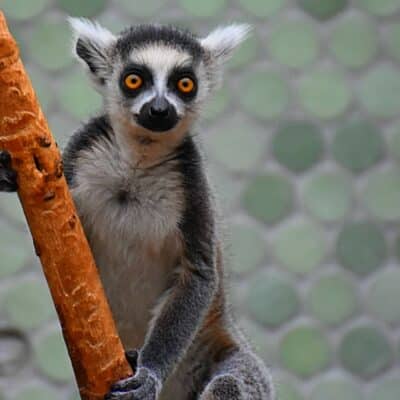
Lemurs are named from the Latin term “lemures,” meaning spirits or ghosts, because of their nocturnal activity and slow, mysterious movements.