Are you looking for awesome facts about your favorite animals? Look no further!
Here at The Fact Site, we’ve gathered the most interesting animal fact images, including facts about your favorite mammals, reptiles, birds, insects, and much more!
From the cutest pets to the oldest dinosaurs, these animal facts will leave you wanting more!
We add new animal facts regularly, so please bookmark us to stay updated with our latest and greatest animal facts.
Animal Facts


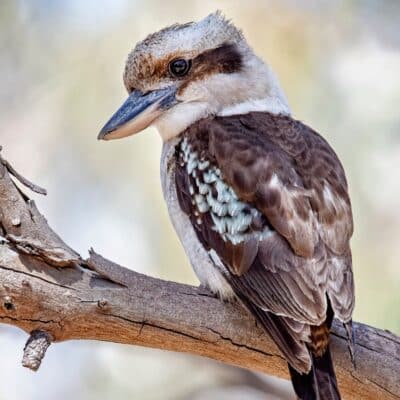
The kookaburra is native to Australia and New Guinea; its calls are often used as sound effects in movies for jungles in Africa or South America.

Mosquitoes helped the Continental Army during the American Revolution by spreading malaria among British troops.
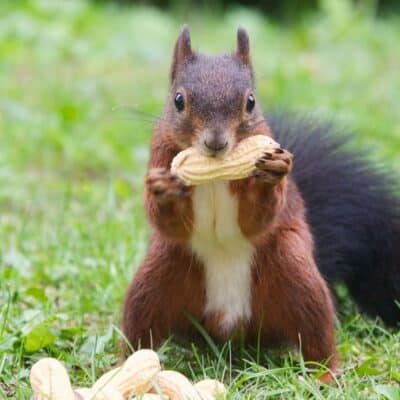
The sport of squirrel fishing involves participants trying to catch squirrels and lift them into the air by using a fishing pole with a nut as bait.
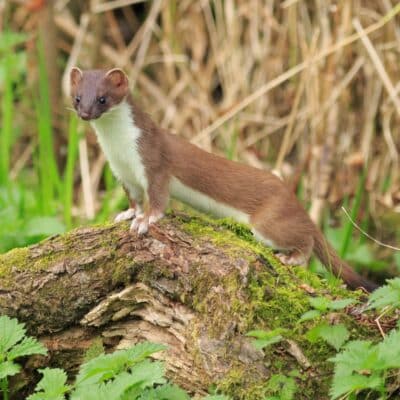
While hunting, stoats perform wild jumps, spins, and twists to mesmerize rabbits. This behavior allows the stoat to get close enough to launch an attack.
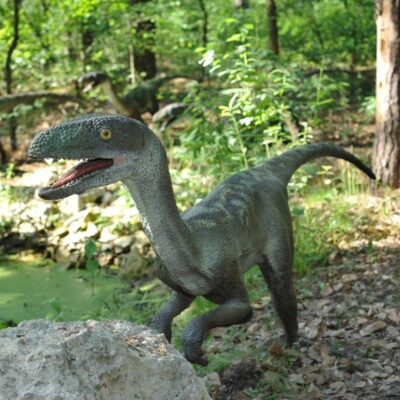
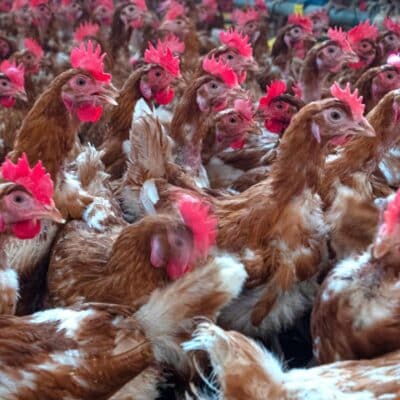
Standing at around 3-4 feet (0.9-1.2 meters) tall, velociraptors were only about twice the size of an average chicken.
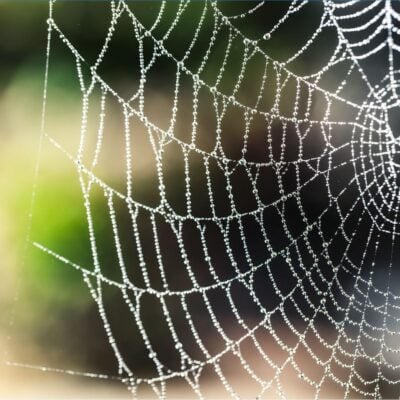
There are two species of African spiders named after “The Dude” from The Big Lebowski. They are called “Anelosimus biglebowski” and “Anelosimus dude.”
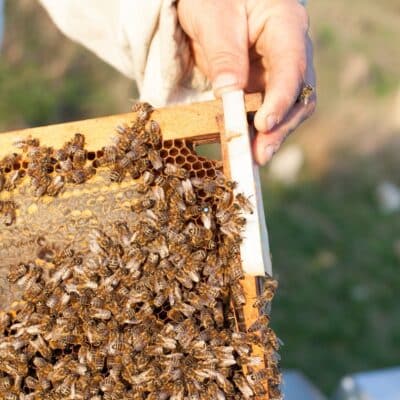
A beekeeper in South Australia taught his dog Bazz to sniff out an infectious disease that wipes out bee colonies, then invented a dog beekeeper suit for Bazz the Beekeeper.
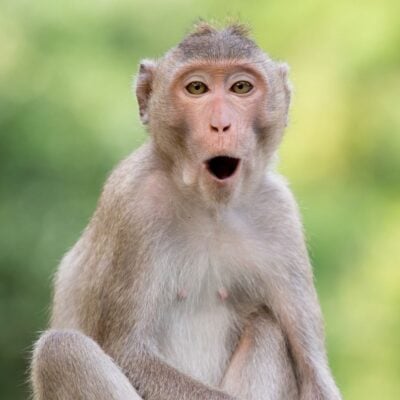
Humans aren’t the only animals that make drum beats. Macaque monkeys and even some rodents have been observed drumming with their paws.
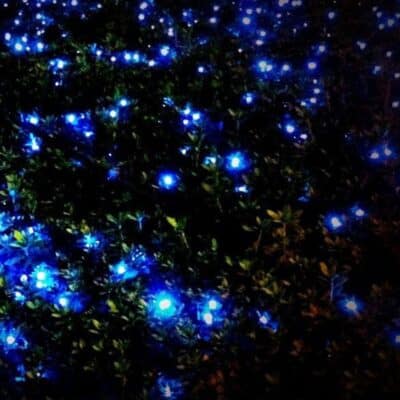
The blue ghost firefly, a rare species in the Southern Appalachian forests, emits a blue glow lasting up to a minute each time.
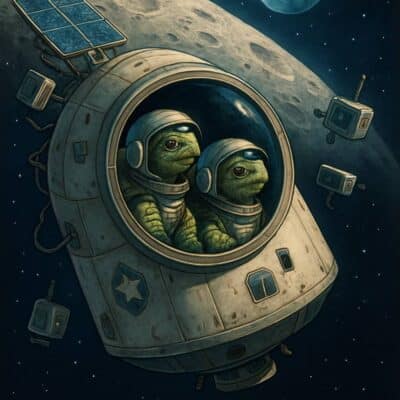
The first living creatures to orbit the Moon weren’t humans but tortoises! They spent seven days there in 1968 before returning safely to Earth.
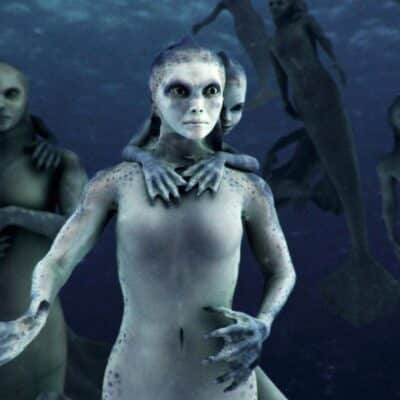
After Animal Planet aired two fake documentaries on mermaids, the U.S. government issued a statement to clarify that mermaids do not exist.
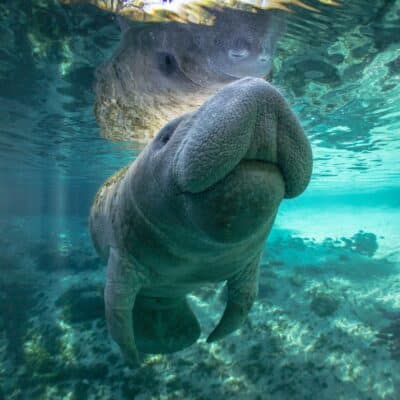
Manatees can develop cold stress syndrome when water temperatures fall below 68°F, as their fat does not provide effective insulation against the cold.
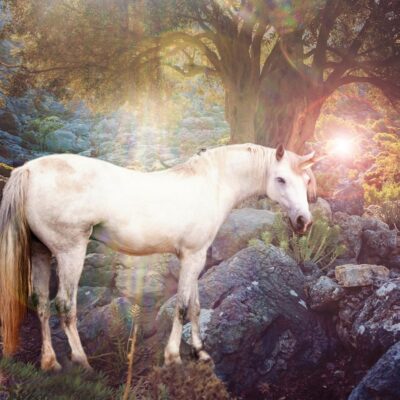
The national animal of Scotland is the unicorn, which has been featured in Scottish heraldry since the 12th century.
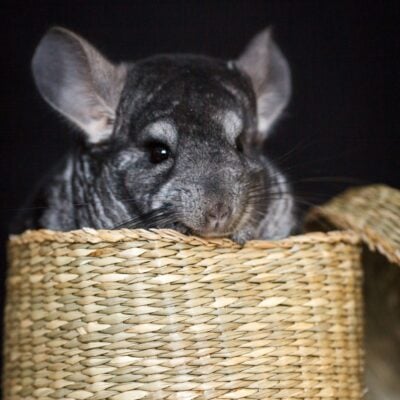
Chinchillas kept in groups can sometimes have stress convulsions during feeding if they see others from their group getting food first.

The world’s smallest McDonald’s is the McHive, a miniature restaurant replica in Sweden built in 2019 as a fully functional beehive for real bees.
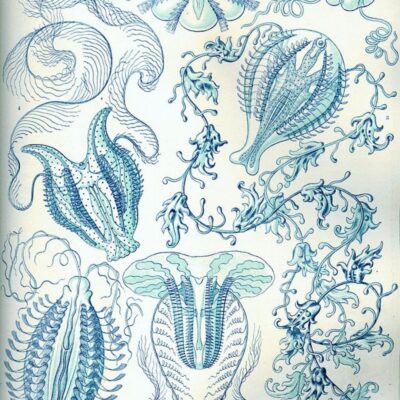
One of the oldest animals on Earth is the ctenophore, also known as a comb jelly, with the oldest fossils dating back approximately 525 million years.
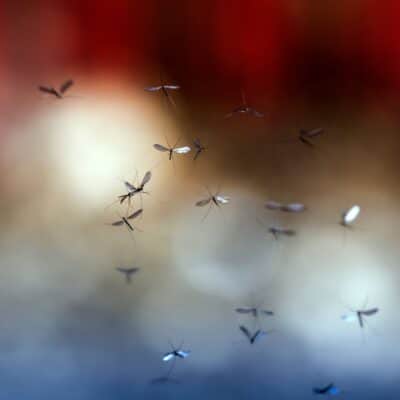
Eradicating mosquitoes may improve health by reducing disease but could disrupt ecosystems, as they serve important roles in pollination and as a food source for various species.