Looking for the best random & fun fact images you could ever imagine? Well, you’re at the right place!
Here at The Fact Site, we’ve gathered hundreds of interesting and fun fact pictures that will leave you feeling shocked, amazed, and knowledgeable!
From the smallest animals to the craziest events, these random fact images won’t disappoint you. We guarantee it!
We add new facts regularly, so why not bookmark us to keep updated with our latest & greatest facts?
Random Facts
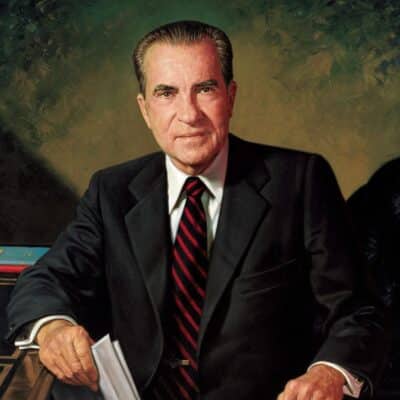
After Lyndon B. Johnson’s death in January 1973, Richard Nixon was the only living US President until Gerald Ford succeeded him in August 1974.
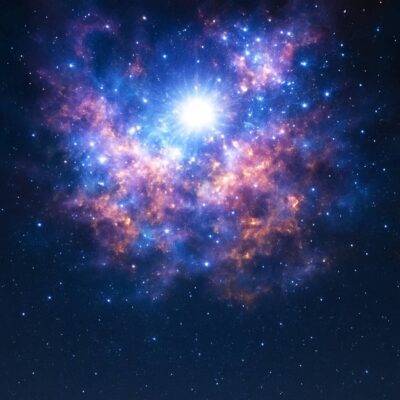
Located in the Large Magellanic Cloud, R136a1 holds the record as the most massive known star, with a mass estimated between 170 and 230 times that of the Sun.
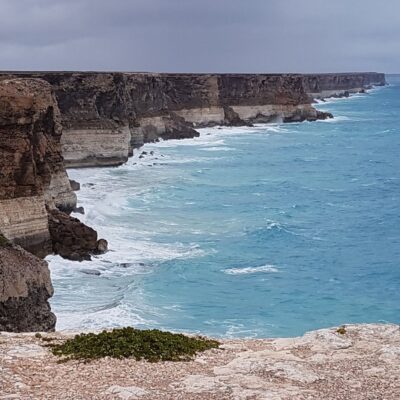
Eucla, a small coastal town in Western Australia with fewer than 100 residents, has its own time zone, which is UTC+8:45.

In the 1940s, air conditioning became popular in movie theaters and was advertised as “cool entertainment.”


“Call of the void” is that feeling when you think for a second about steering into oncoming traffic or jumping off a cliff for no reason, although you would never do it.
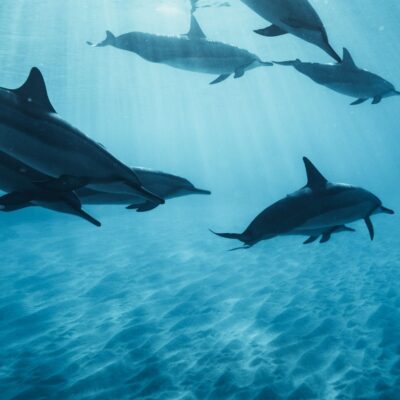
Dolphins have a typical cruising speed of 5-7 miles per hour (8-11 km/h), but some species, like the short-beaked common dolphin, can reach up to 37 mph (60 km/h).
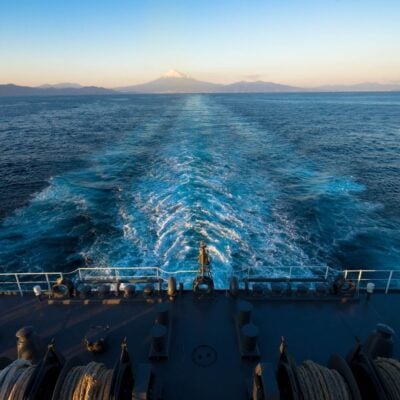
In January 1945, the German ship Wilhelm Gustloff was sunk by a Soviet submarine in the Baltic Sea, killing about 9,400 people and making it the deadliest maritime disaster in history.
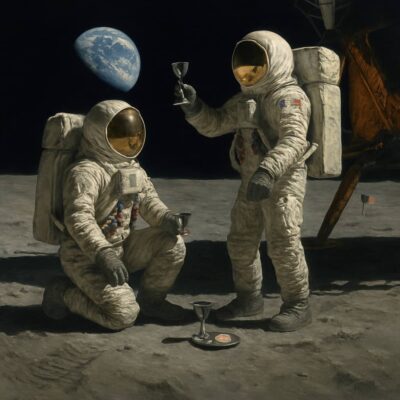
When Neil Armstrong and Buzz Aldrin landed on the moon, Buzz conducted a private communion service, drinking wine from a silver chalice he’d brought from his church.

Bubble wrap originated as a failed 1957 wallpaper experiment by engineers Fielding and Chavannes, who sealed plastic sheets together to make a bubbly wall covering.
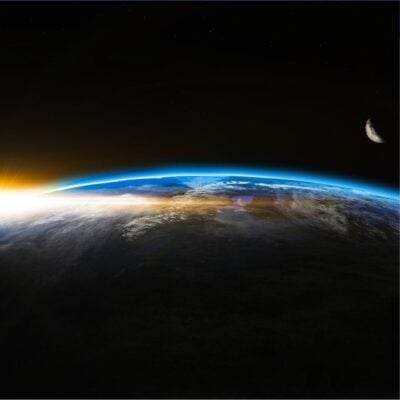
Over 99% of the five billion species that have ever lived on Earth throughout the planet’s history are extinct.

The number of stars on the EU flag has nothing to do with the European Union or its member states. Instead, twelve stars were chosen because they represent unity and perfection.

The United States Department of Agriculture says the official definition of a sandwich is “at least 35 percent cooked meat and no more than 50 percent bread.”
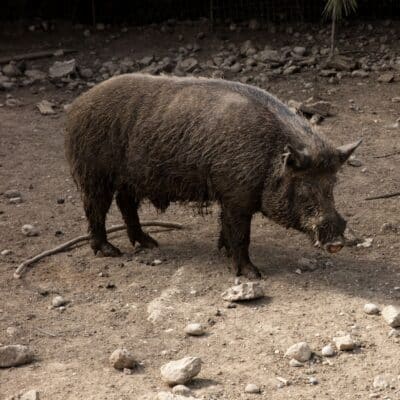
In Texas, the feral hog population is so bad that they’d have to kill 70% of all existing hogs each year in order to keep it from getting worse.

Research suggests that women tend to be better at distinguishing colors, while men often excel at tracking fast-moving objects and recognizing details from a distance.
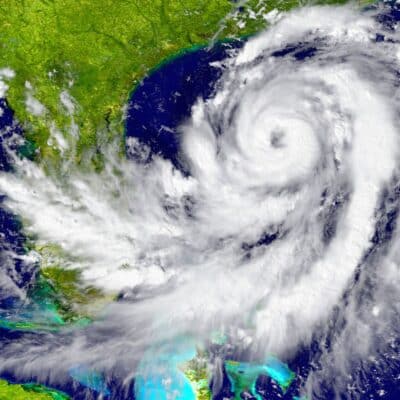
A hurricane releases 50 to 200 trillion watts of heat energy, equivalent to a 10-megaton nuclear bomb detonating every 20 minutes.
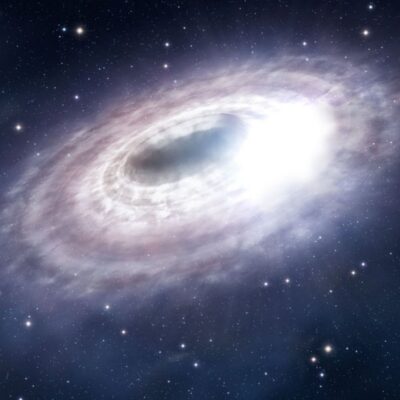
At the center of the Milky Way lies a supermassive black hole called Sagittarius A*, with a mass about four million times that of the Sun.
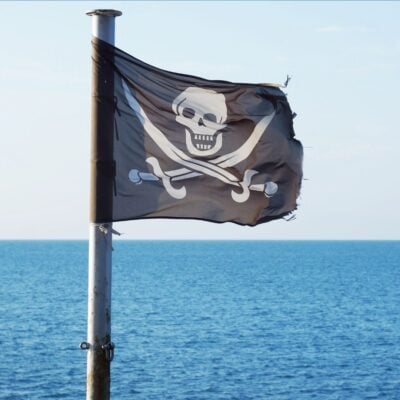
During the 16th and 17th centuries, the English government authorized privateers like Sir Francis Drake to attack enemy ships, effectively serving as auxiliary naval forces.
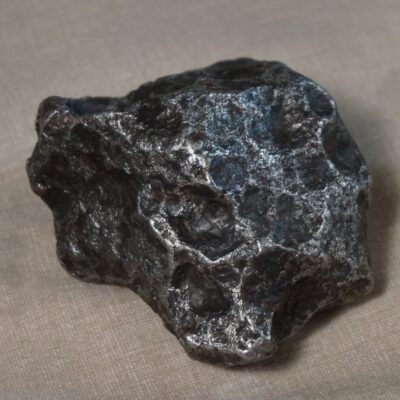
If a meteoroid makes it through Earth’s atmosphere and lands on Earth, it’s called a meteorite. Meteorites are only a fraction in size compared to the original meteoroid.

Japanese video game giant Nintendo was founded in 1889 in Kyoto as a company that sold playing cards called Hanafuda.

In 1942, 12-year-old Calvin Graham enlisted in the U.S. Navy by lying about his age. He became a decorated war hero at age 13 but was thrown out of the Navy after his mom found out.
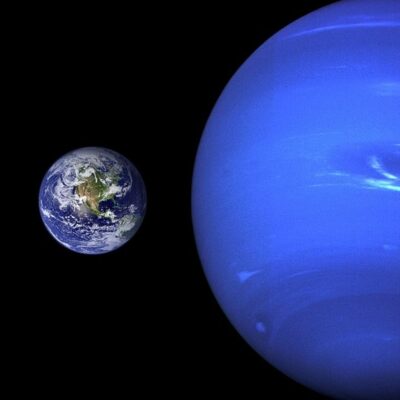
Neptune is the next largest planet after Earth, but the two differ greatly in size, as Neptune’s diameter is nearly four times that of Earth.
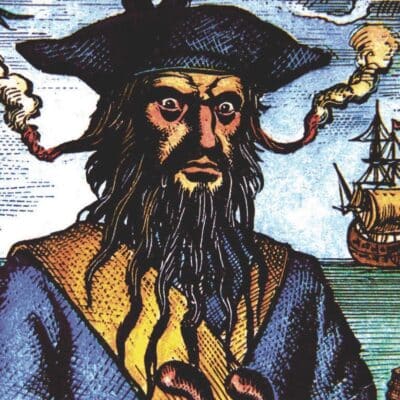
When Blackbeard captured ships, many of the enslaved Africans on board would go on to become pirates. By the time he died, nearly one-third of his crew were former slaves.