 History & Events
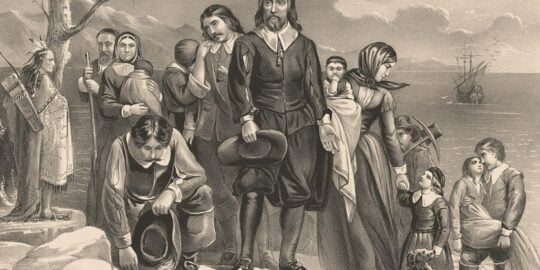
Who Were the Pilgrims and Why Did They Give Thanks?
History & Events
Who Were the Pilgrims and Why Did They Give Thanks?
The Pilgrims' first Thanksgiving feast in 1621 featured venison, seafood, cornbread, and porridge instead of turkey and now-traditional sides.
You have the questions; we have the answers! Here you’ll find questions you never even thought to ask.
You’ll find mind-boggling questions like, what do blind people dream about? Or, can you reach the end of a rainbow? We’ve answered them, so you don’t have to do the research and heavy brain-lifting yourself!
Take your pick of these unique questions and dive in to find the answers you never knew you needed!
History & Events
Who Were the Pilgrims and Why Did They Give Thanks?
The Pilgrims' first Thanksgiving feast in 1621 featured venison, seafood, cornbread, and porridge instead of turkey and now-traditional sides.
 Health & Medicine
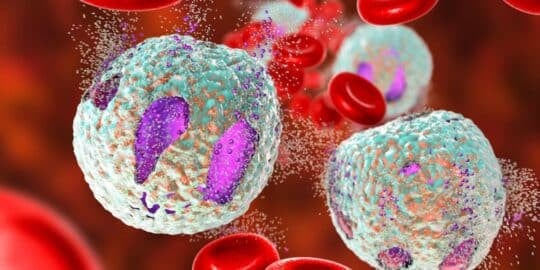
Can You Actually Boost Your Immune System?
Health & Medicine
Can You Actually Boost Your Immune System?
The immune system is a complex network of cells, organs like the spleen and thymus, and molecules that protect you from infections.
 Space & Astronomy
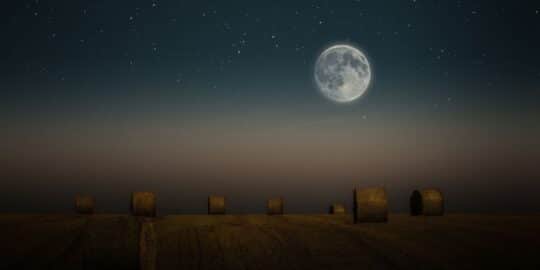
What Is a Corn Moon?
Space & Astronomy
What Is a Corn Moon?
Did you know that when a full moon occurs at the beginning of september it's called a Corn Moon?
 Space & Astronomy
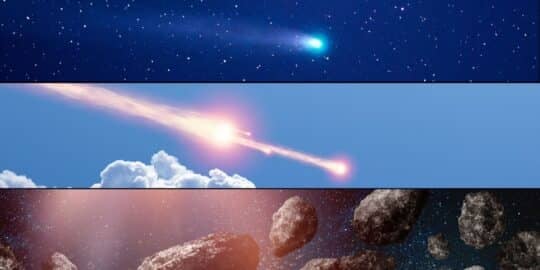
What Is The Difference Between Asteroids, Comets & Meteors?
Space & Astronomy
What Is The Difference Between Asteroids, Comets & Meteors?
NASA successfully changed an asteroid's path in 2022, showing we can redirect potentially hazardous space rocks.
 Chemistry & Physics
How Do Fireworks Get Their Colors?
Chemistry & Physics
How Do Fireworks Get Their Colors?
Did you know that Chinese alchemists created gunpowder between 600 and 900 AD, paving the way for colorful fireworks?
 Chemistry & Physics
How Does Soap Clean Away Germs and Dirt?
Chemistry & Physics
How Does Soap Clean Away Germs and Dirt?
Hand sanitizers with at least 60% alcohol can kill germs, but soap and water clean away dirt and harmful chemicals better.
 History & Events
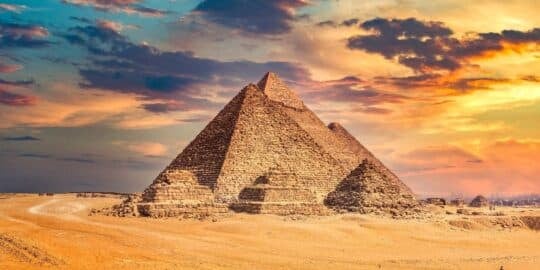
How Did the Ancient Egyptians Build the Pyramids?
History & Events
How Did the Ancient Egyptians Build the Pyramids?
Did you know that Egypt's mighty pyramids weren't constructed by slaves?
 Animals & Wildlife
Why Do Dogs Wag Their Tails?
Animals & Wildlife
Why Do Dogs Wag Their Tails?
The position of a dog's tail can reveal its feelings: a high tail indicates confidence, while a low tail signals submission.
 Religion & Beliefs
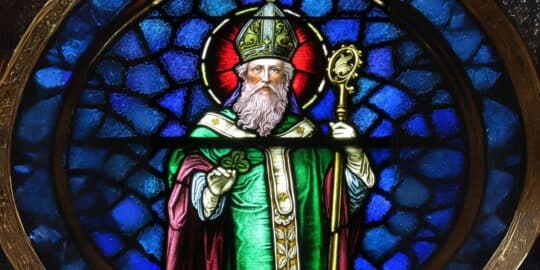
Who Was Saint Patrick, and Why Do We Celebrate Him?
Religion & Beliefs
Who Was Saint Patrick, and Why Do We Celebrate Him?
Did you know that St. Patrick, the patron saint of Ireland, was actually born in Britain and captured by Irish raiders at age 16?
 Geography & Places
What Is the European Union?
Geography & Places
What Is the European Union?
Did you know that the European Union's economy makes up approximately one-sixth of the world's total economic output?
 Holidays & Celebrations
Why Do We Celebrate Valentine’s Day on February 14?
Holidays & Celebrations
Why Do We Celebrate Valentine’s Day on February 14?
Valentine's Day was first noted as being a romantic holiday in 1382 in Geoffrey Chaucer's poem "Parliament of Fowls."
 Geography & Places
Why Is Paris Called the City of Love?
Geography & Places
Why Is Paris Called the City of Love?
Did you know that Paris is one of the ‘Big Four fashion capitals’ of the world, alongside New York City, Milan and London.
@TheFactSite
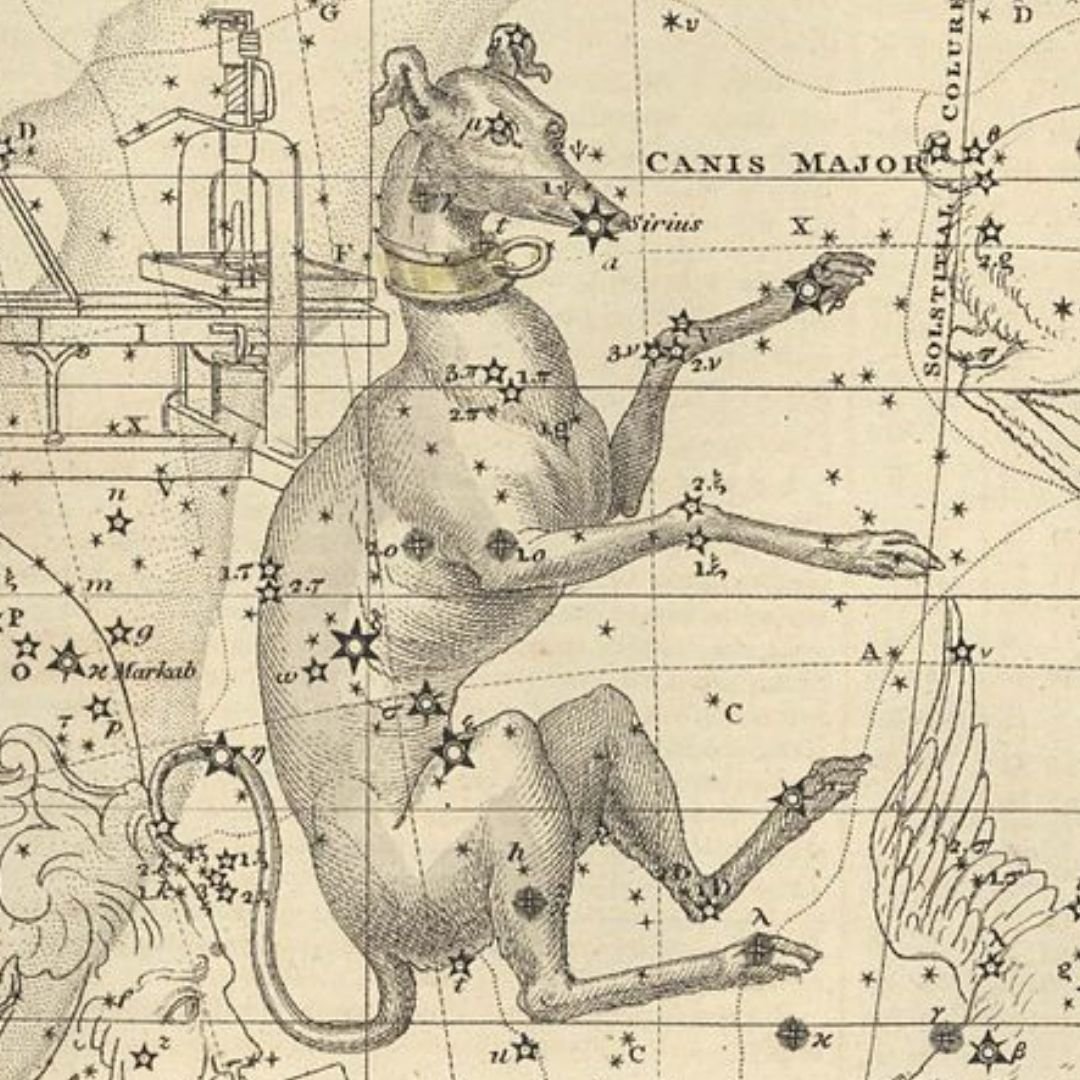
Sirius is known as the Dog Star because it marks the nose of the Canis Major (Greater Dog) constellation. #FACT

@TheFactSite
On the International Space Station, urine, sweat, and even breath are recycled into clean, drinkable water. #FACT
@TheFactSite
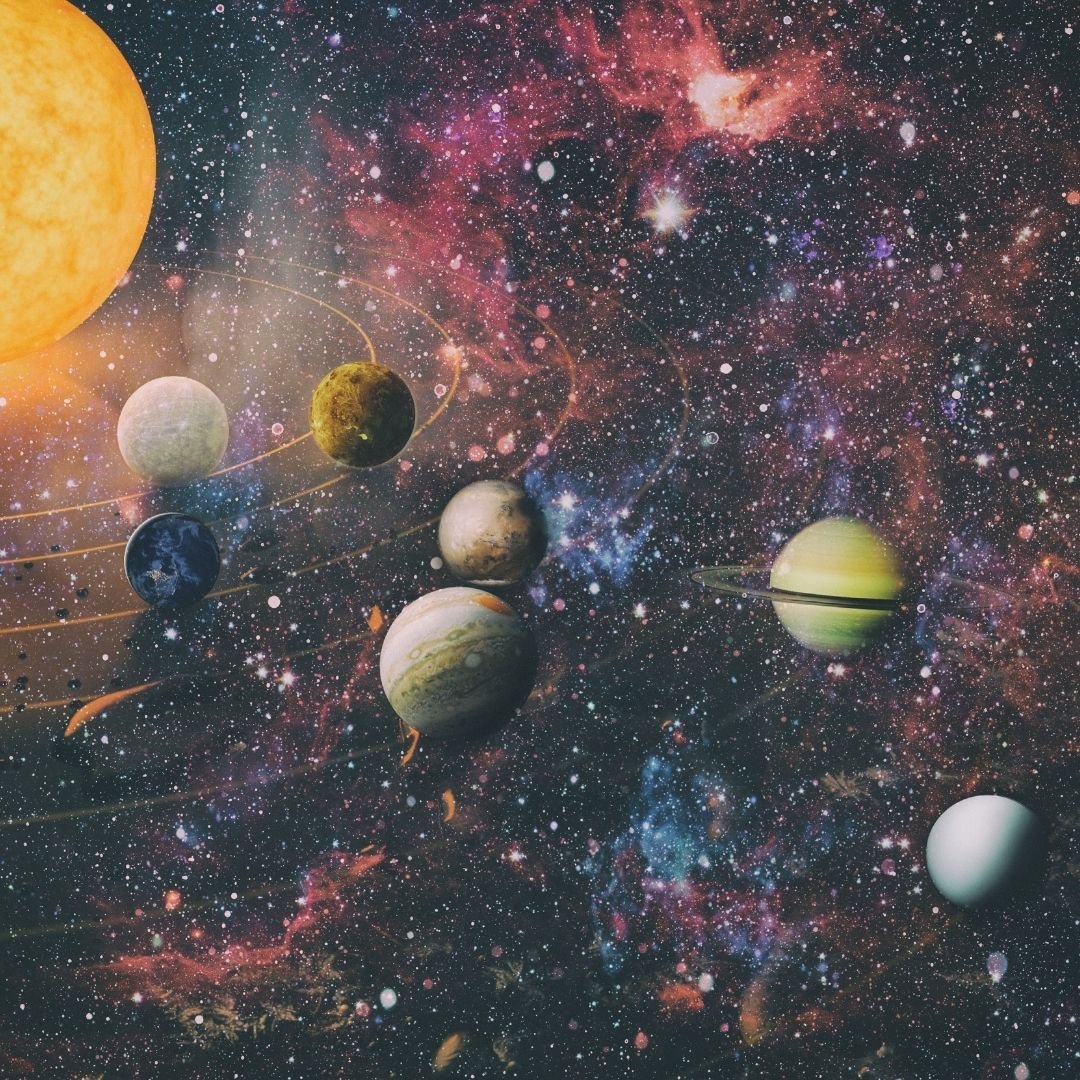
Venus and Uranus spin in the opposite direction to all other planets in the Solar System. #FACT
@TheFactSite
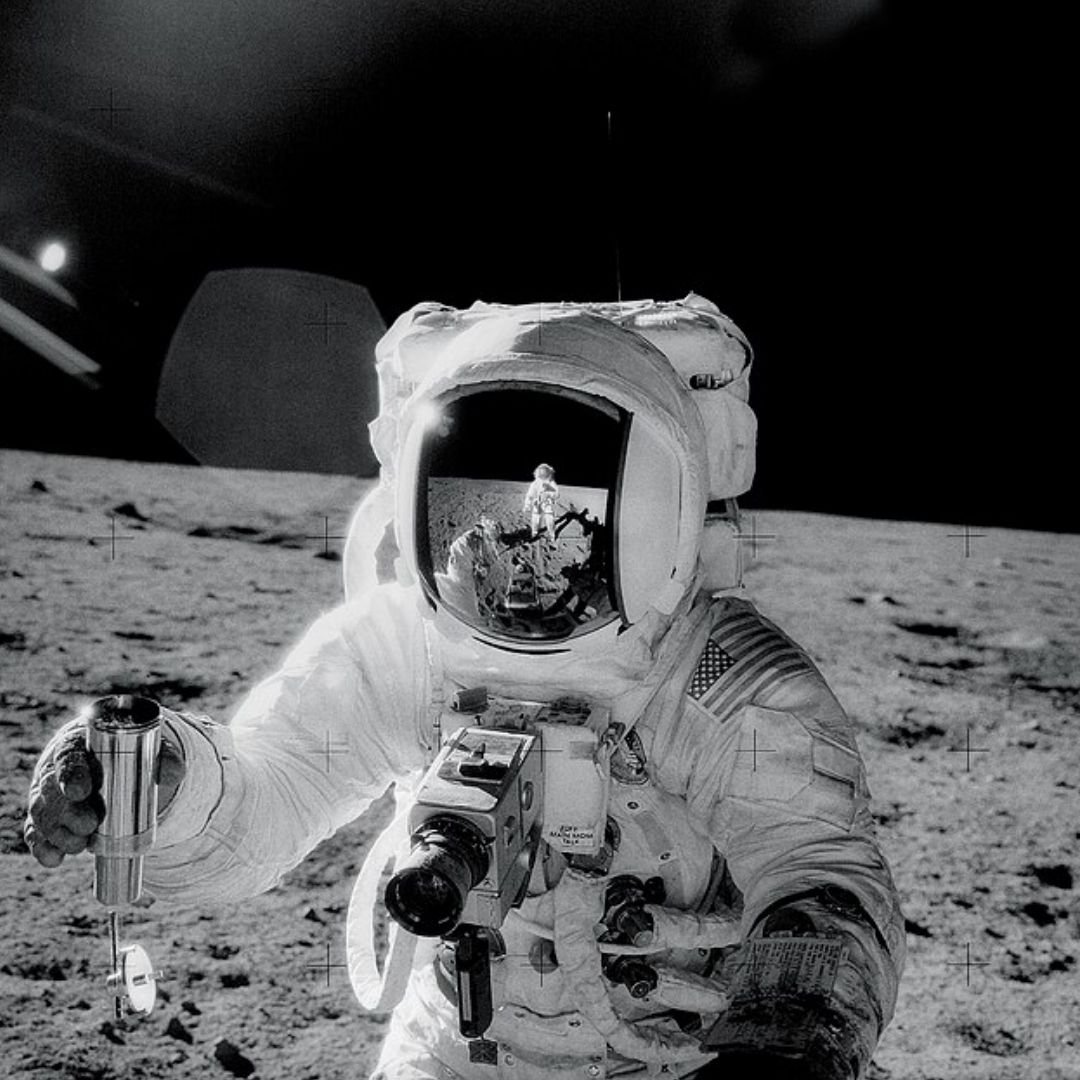
Your weight on the Moon is approximately 16.5% of what it is on Earth. This means that if you weigh 150 lb (68 kg) on Earth, you would weigh 25 lb (11 kg) on the Moon! #FACT
@TheFactSite
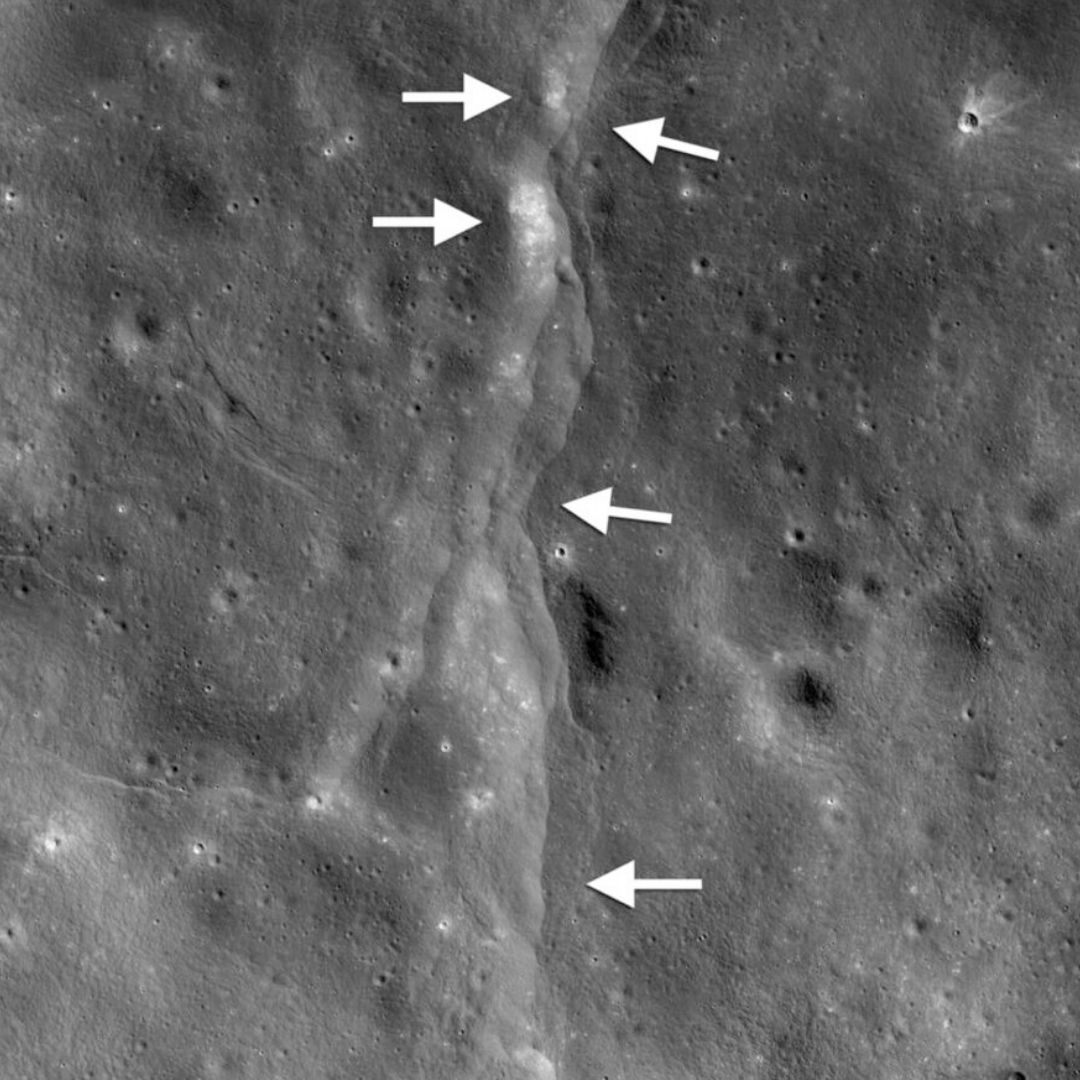
Earthquakes aren’t the only type of quakes: there are marsquakes, moonquakes, venusquakes, and even sunquakes! #FACT
@TheFactSite
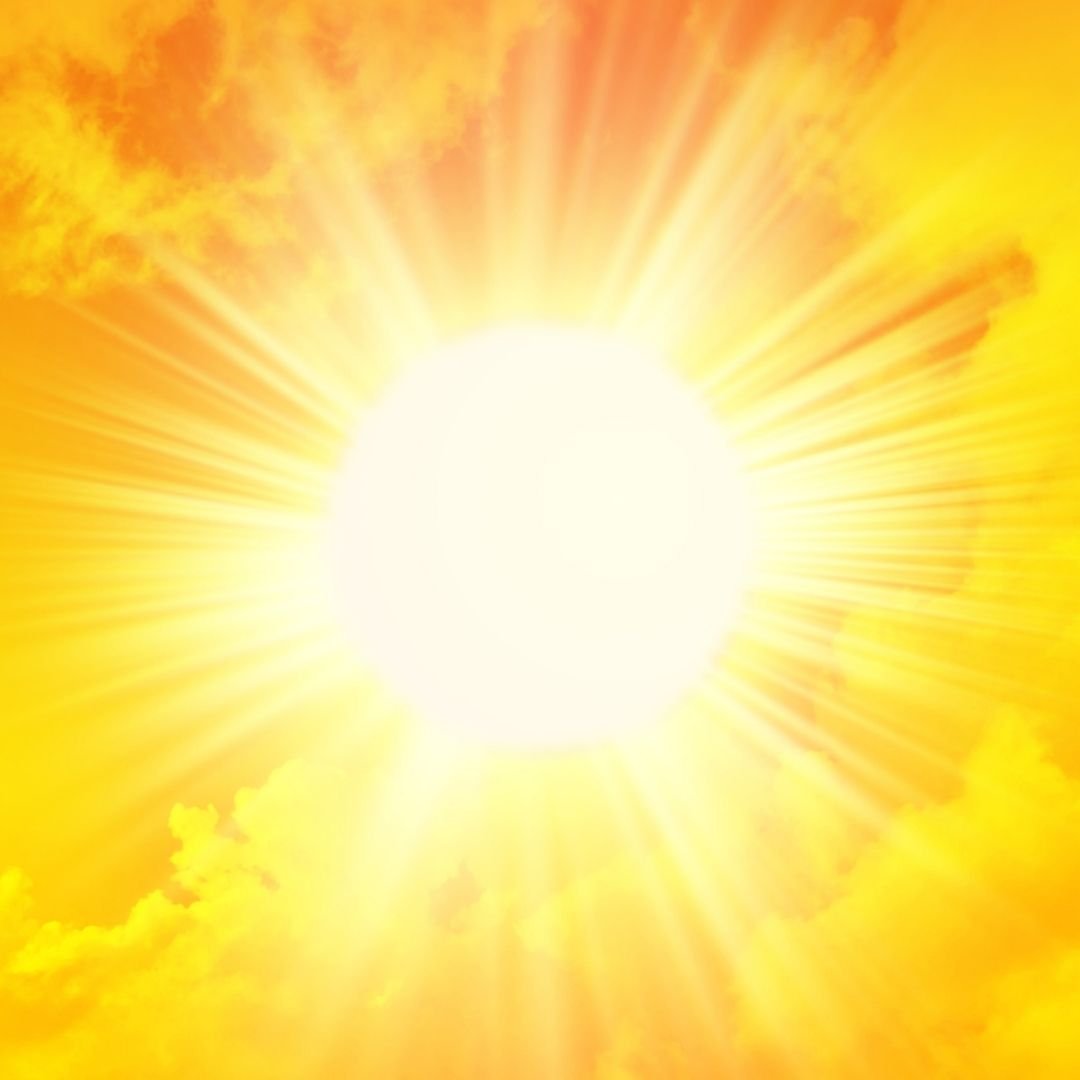
The Sun appears about 13 billion times brighter than the next brightest star, Sirius. #FACT
@TheFactSite
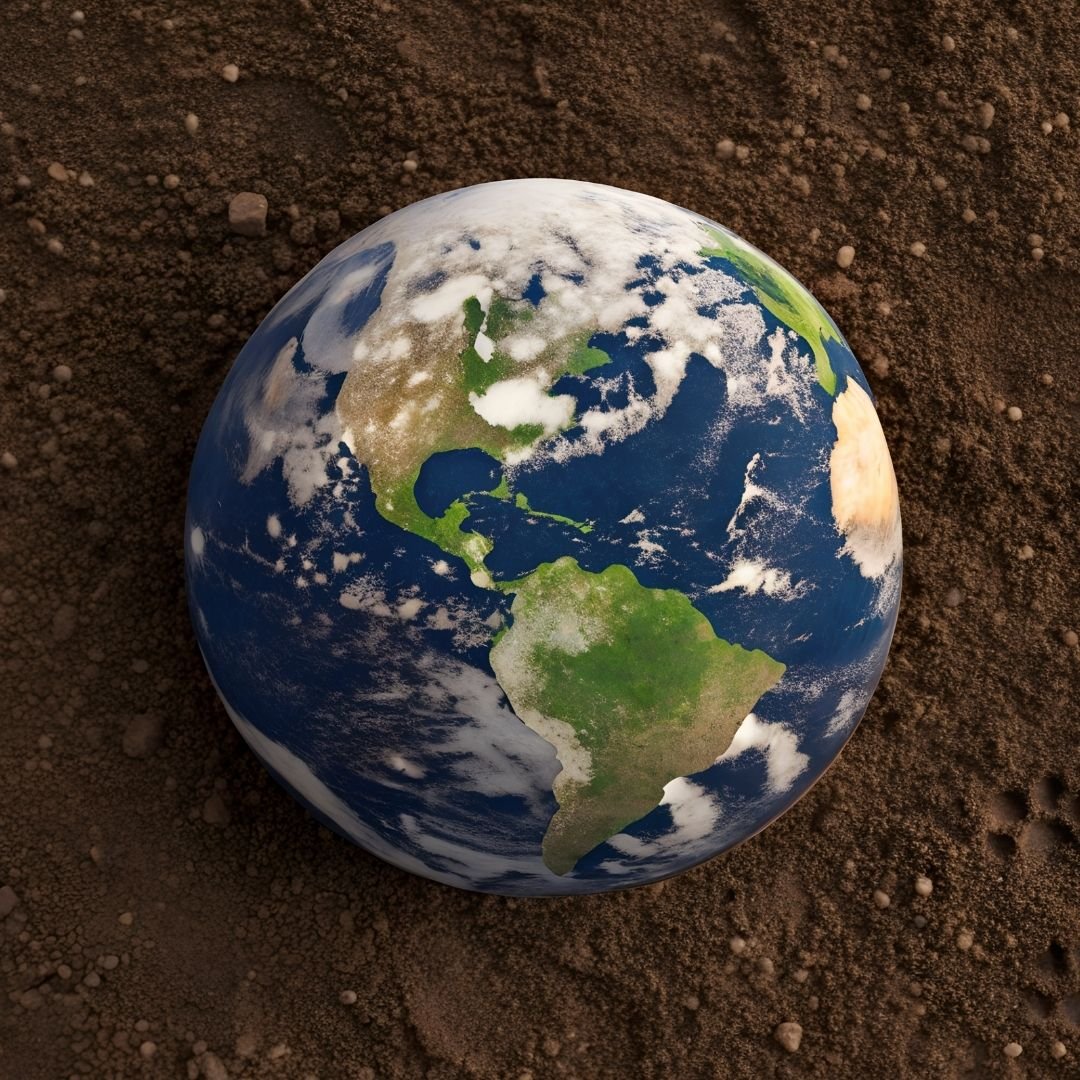
Earth is unique among the planets in our Solar System as it is the only one not named after a god. “Earth” originates from Old English and Germanic words meaning “ground” or “soil.” #FACT
@TheFactSite
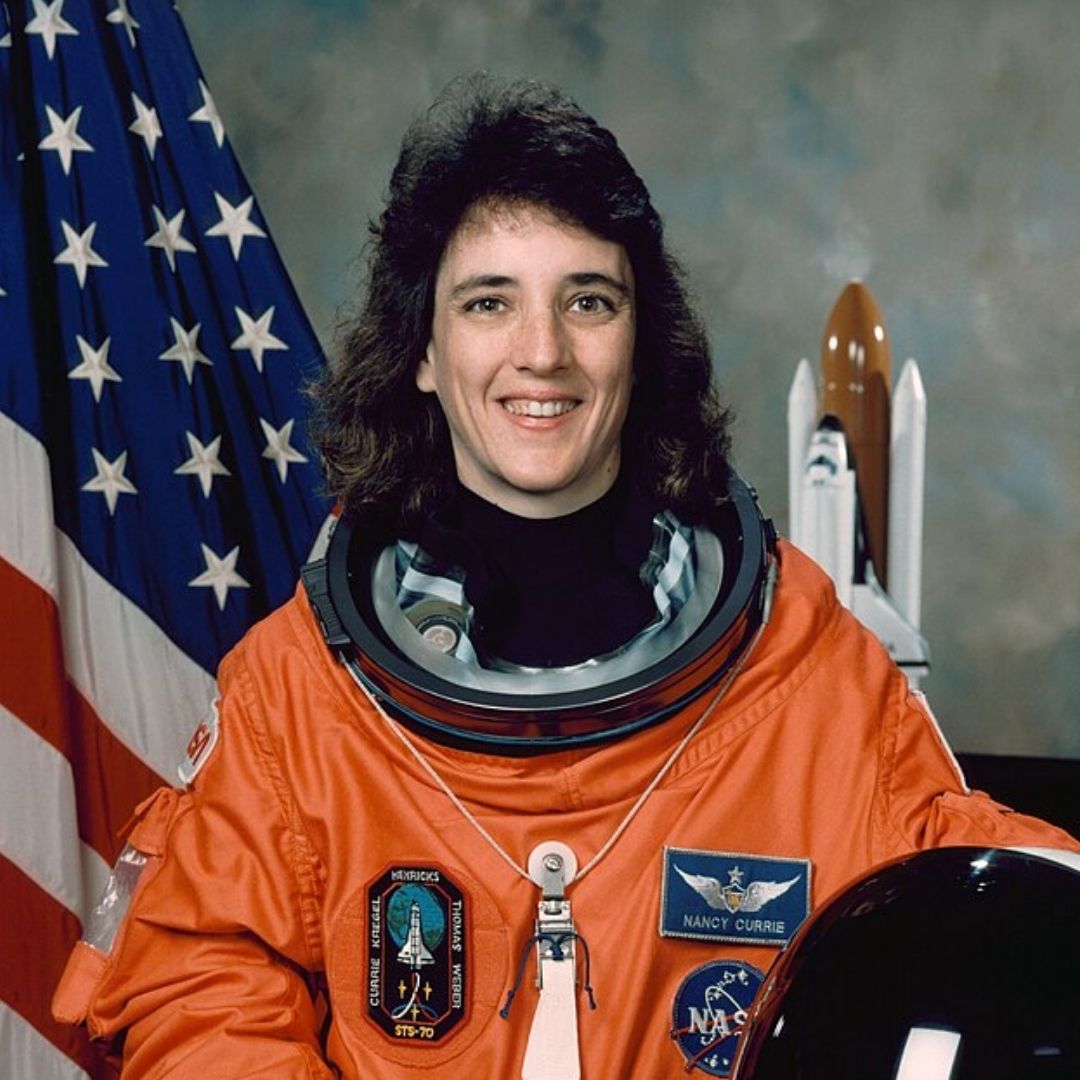
The shortest astronaut to fly to space was Nancy Currie, who was just 5 feet (1.52 m) tall! #FACT
@TheFactSite
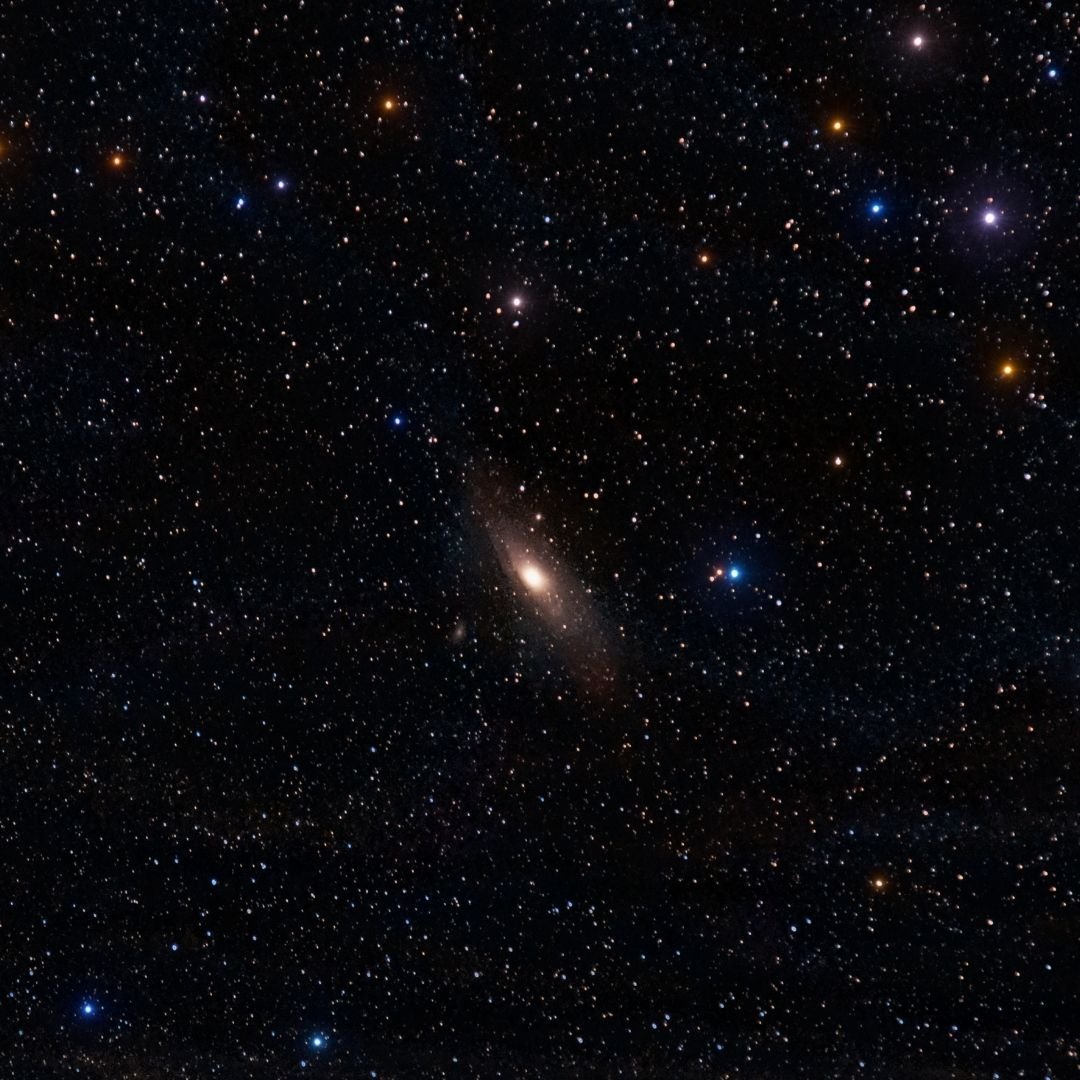
The universe is still expanding and is likely to keep doing so for eternity. #FACT
@TheFactSite
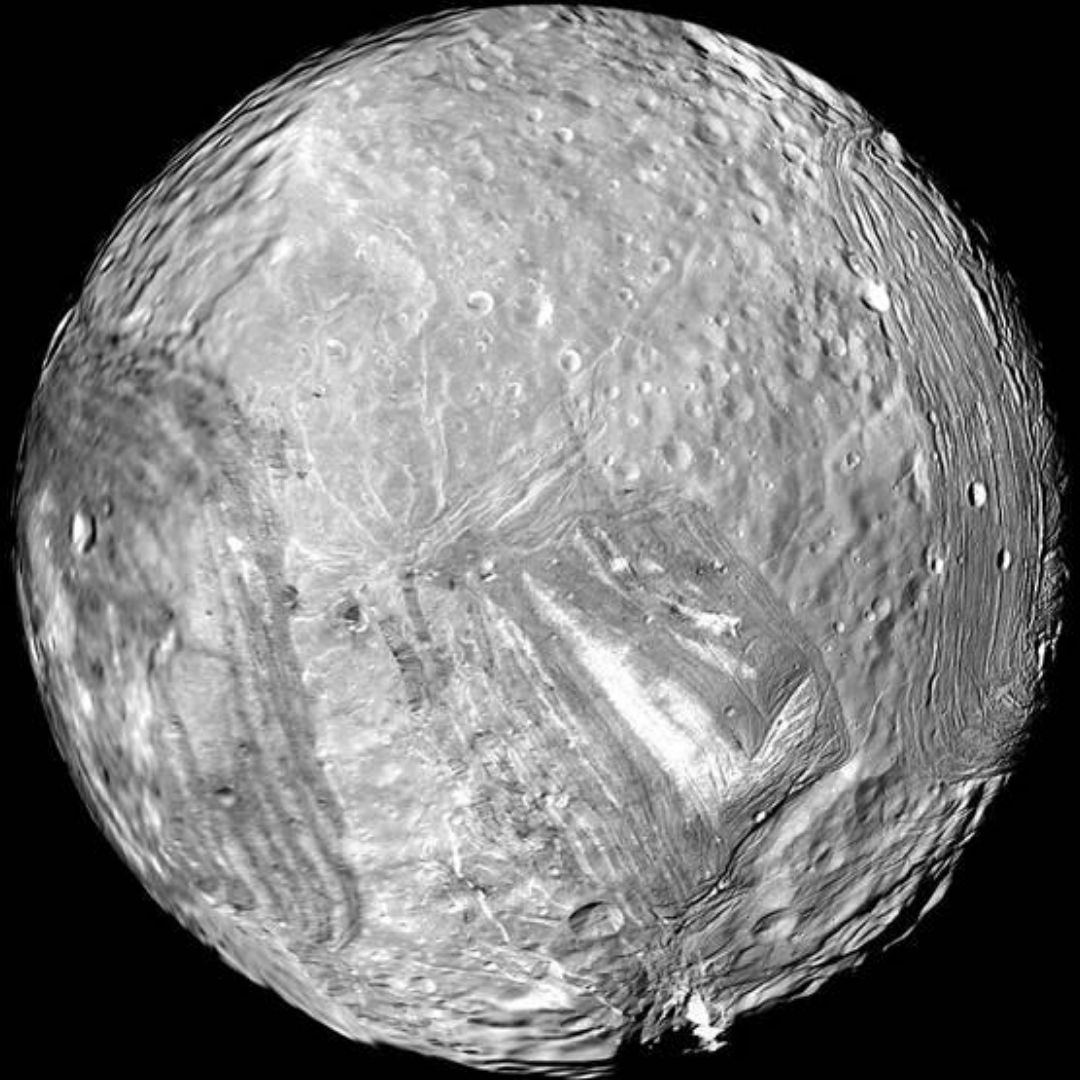
Uranus’ moon Miranda is home to the tallest known cliff in the Solar System, Verona Rupes, which is approximately 12.4 miles (20 km) deep! #FACT
@TheFactSite
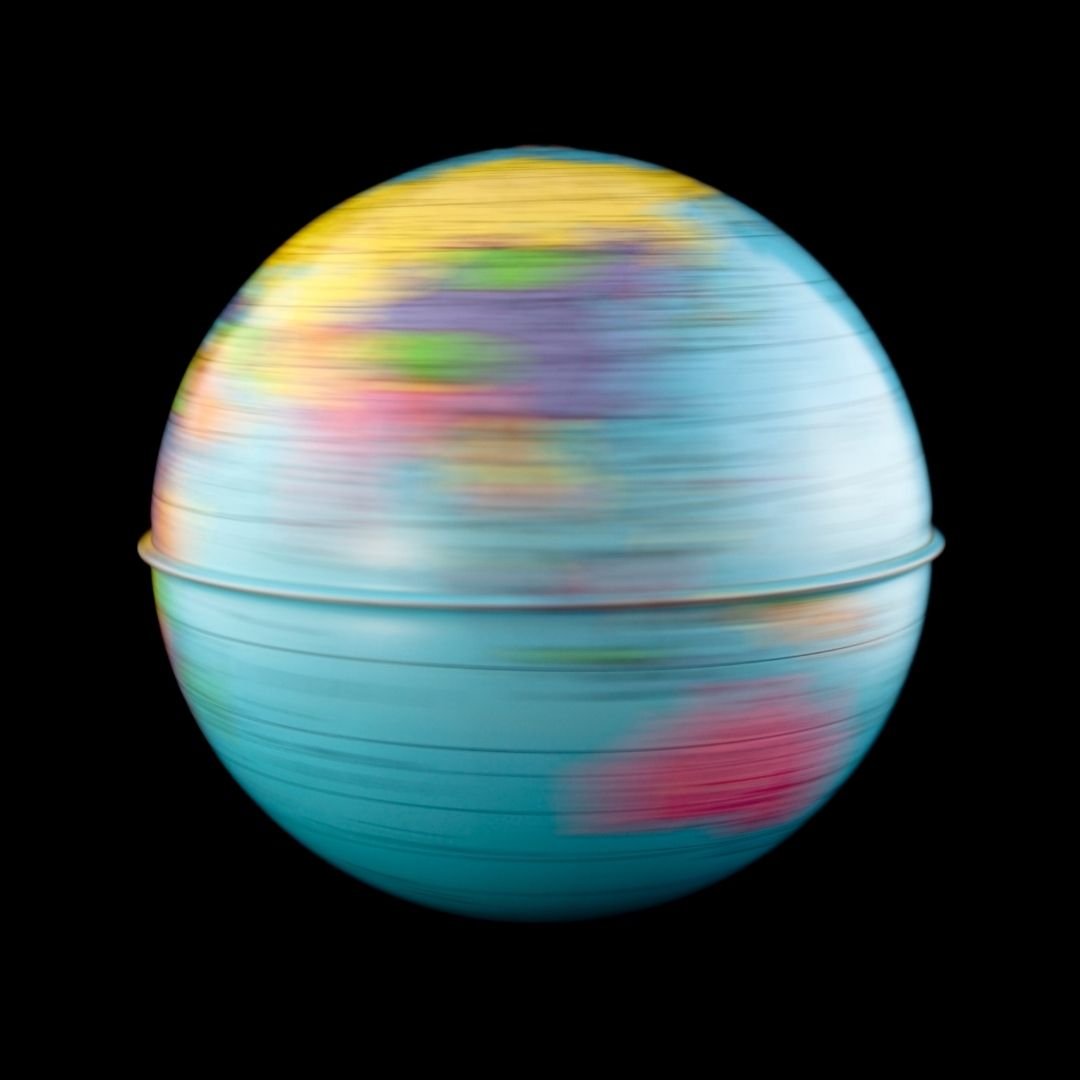
At the equator, Earth spins at about 1,037 mph (1,670 km/h); this speed decreases toward the poles. #FACT
@TheFactSite
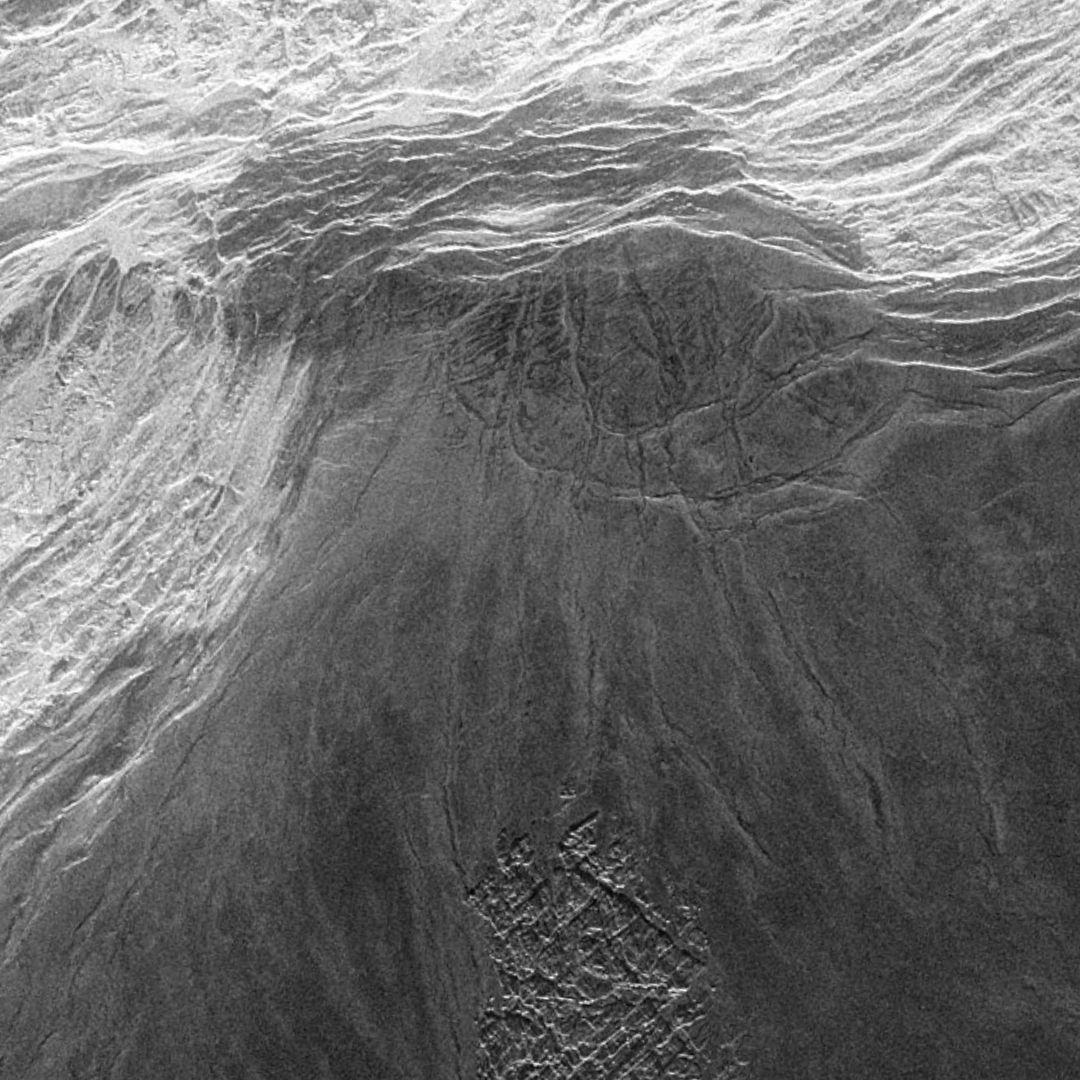
With its peak soaring to heights of 6.8 miles (11 km), the tallest mountain on Venus is Maxwell Montes. #FACT
@TheFactSite
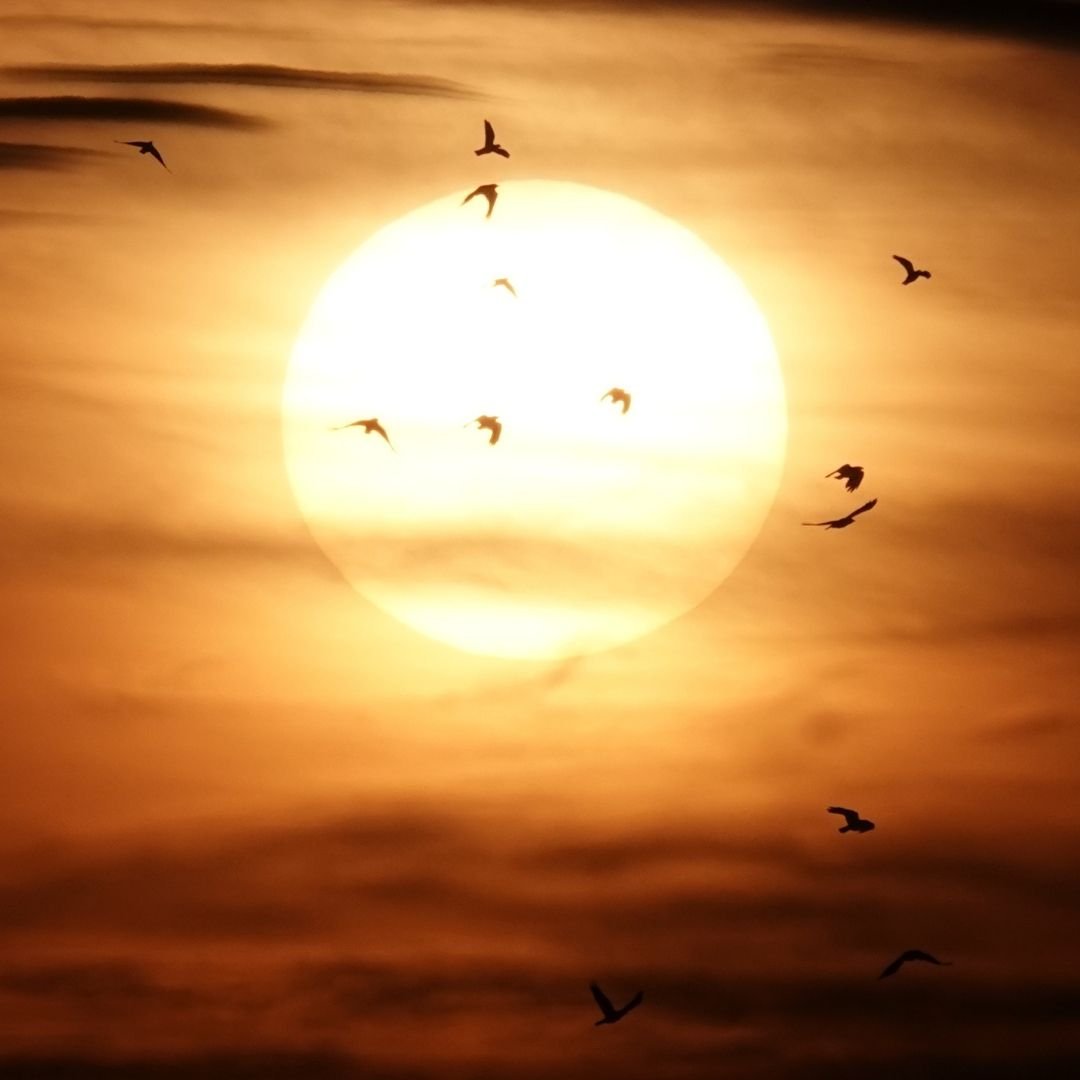
71% of the Sun’s mass is hydrogen, and 27.1% is helium. That leaves just 1.9% for all the other elements, such as oxygen, carbon, nitrogen, silicon, magnesium, and iron. #FACT
@TheFactSite
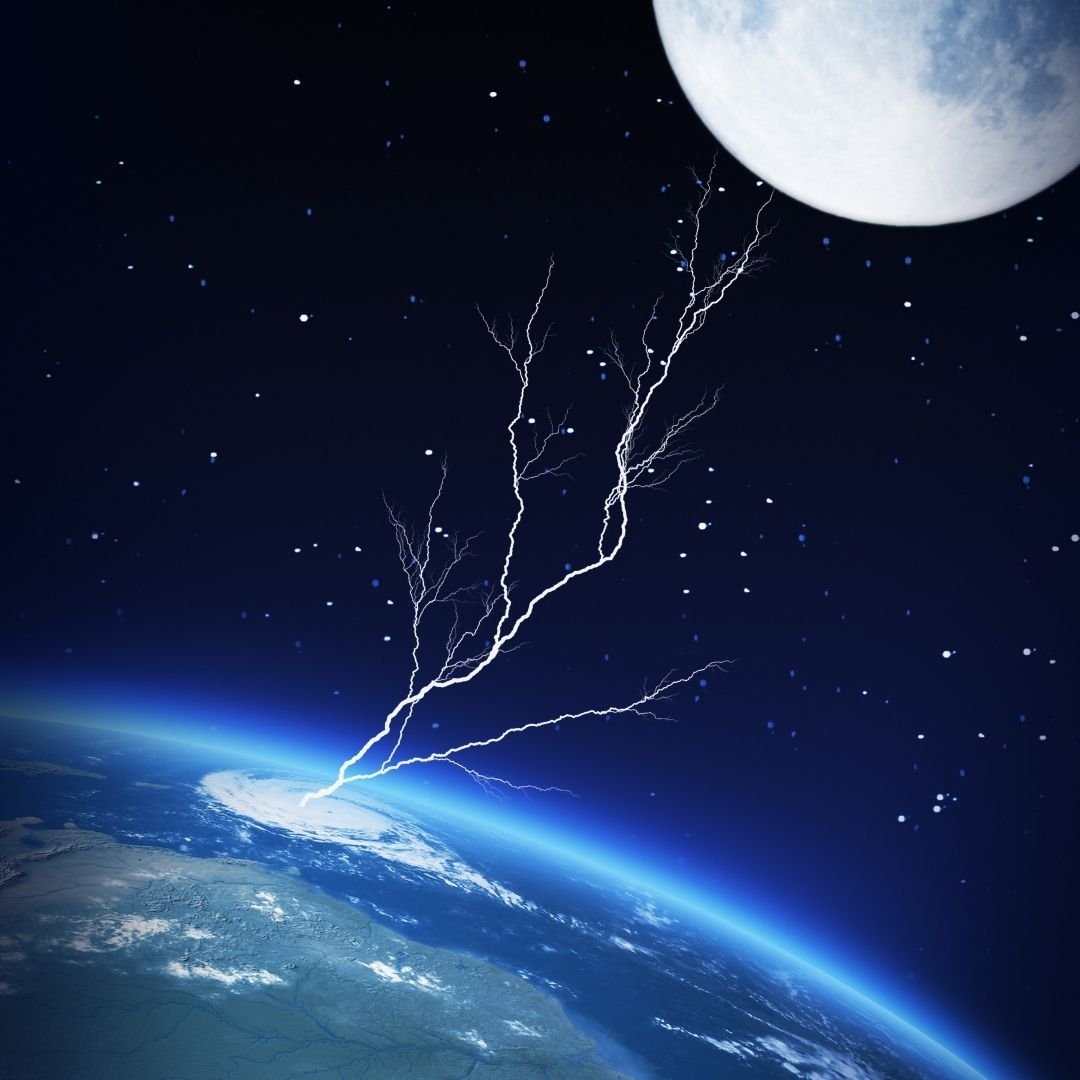
A lightning strike can travel at 270,000 mph (434,523 km/h). To put that into perspective, it would take a lightning strike just 55 minutes to travel to the moon. #FACT
@TheFactSite
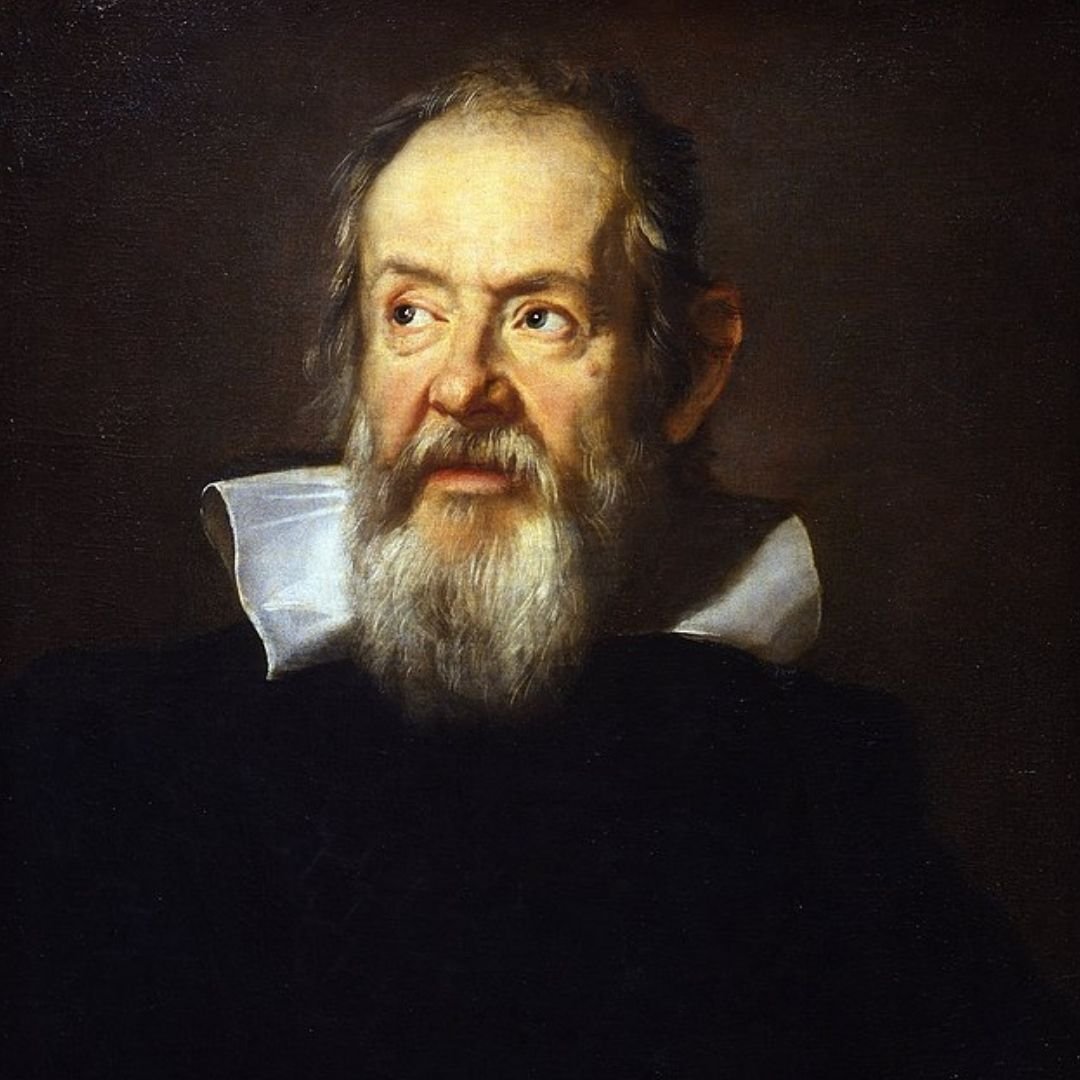
In 1992, a mere 359 years after condemning him for heresy for it, the Vatican admitted that Galileo’s theory that the Earth revolves around the sun was correct. #FACT
@TheFactSite
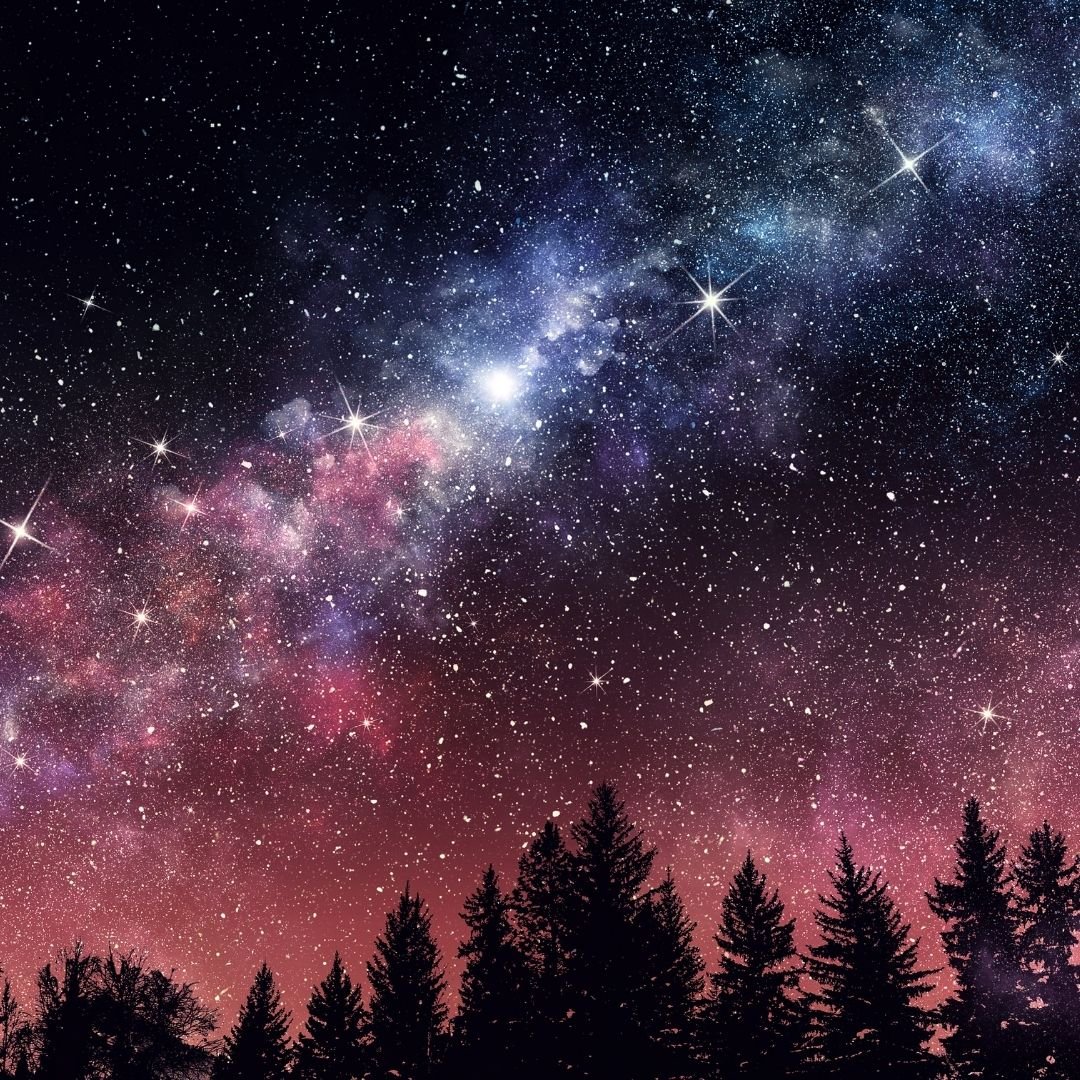
Only people who live on the equator can see all the stars in the sky. #FACT
@TheFactSite
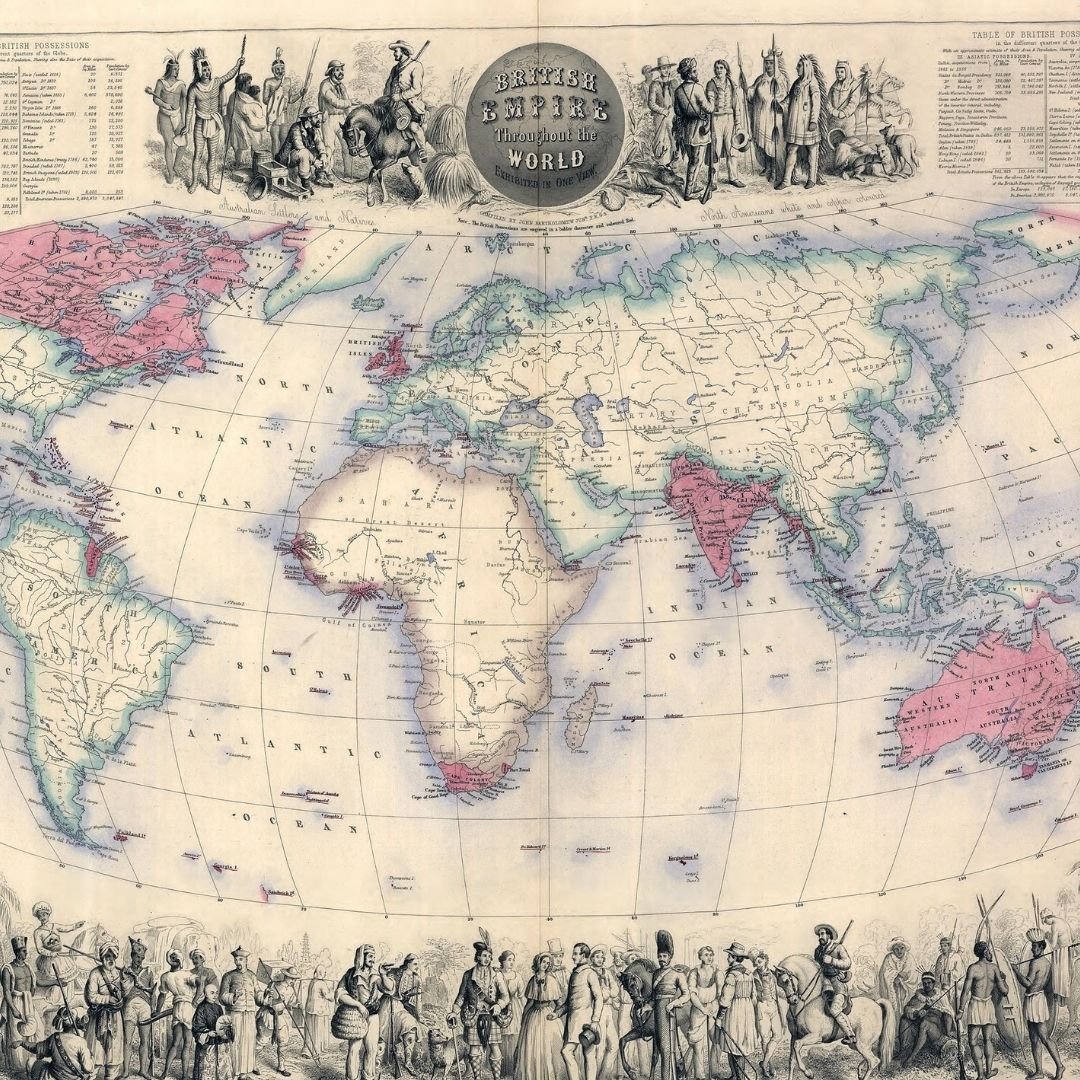
At its peak, the British Empire covered about 35.5 million square kilometers, which is 93.4 percent of the Moon’s surface area. #FACT
@TheFactSite
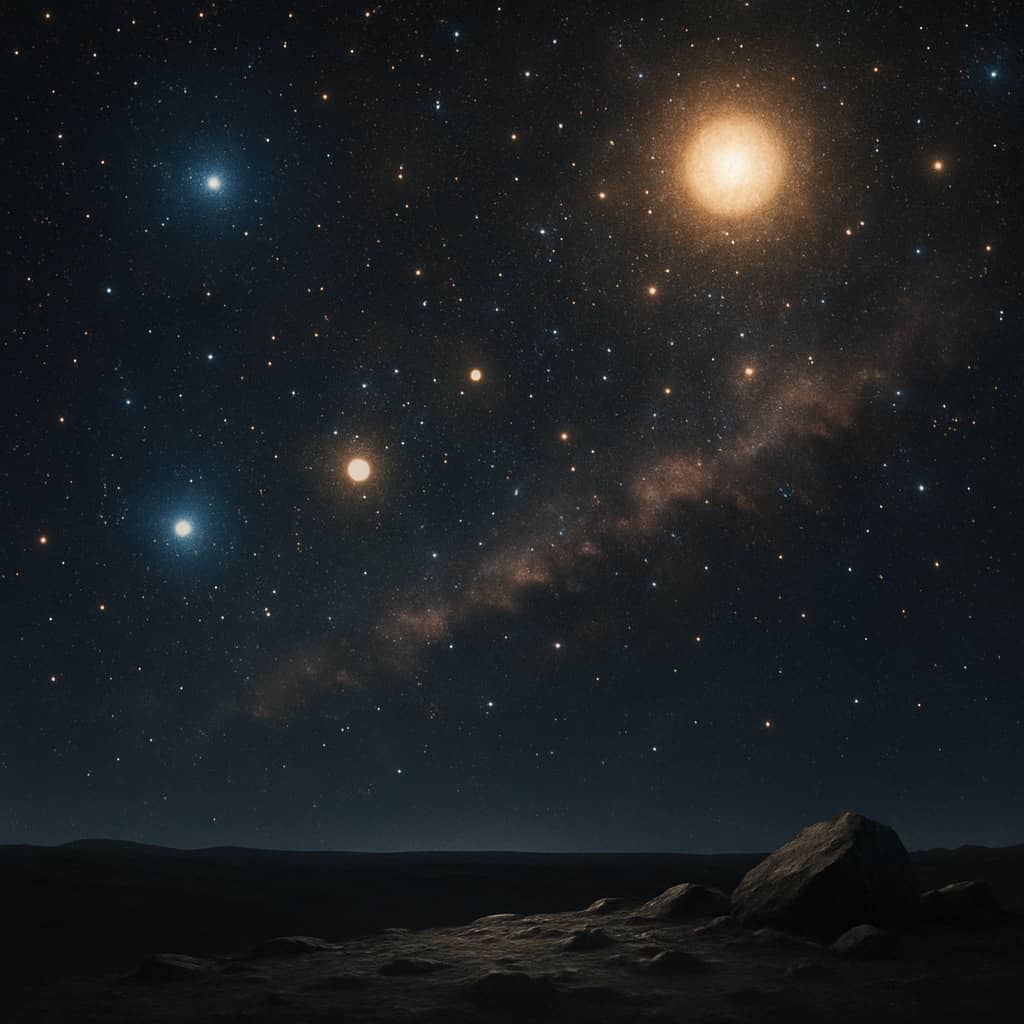
The Sun is smaller than almost every single star you can see with a naked eye. #FACT
@TheFactSite
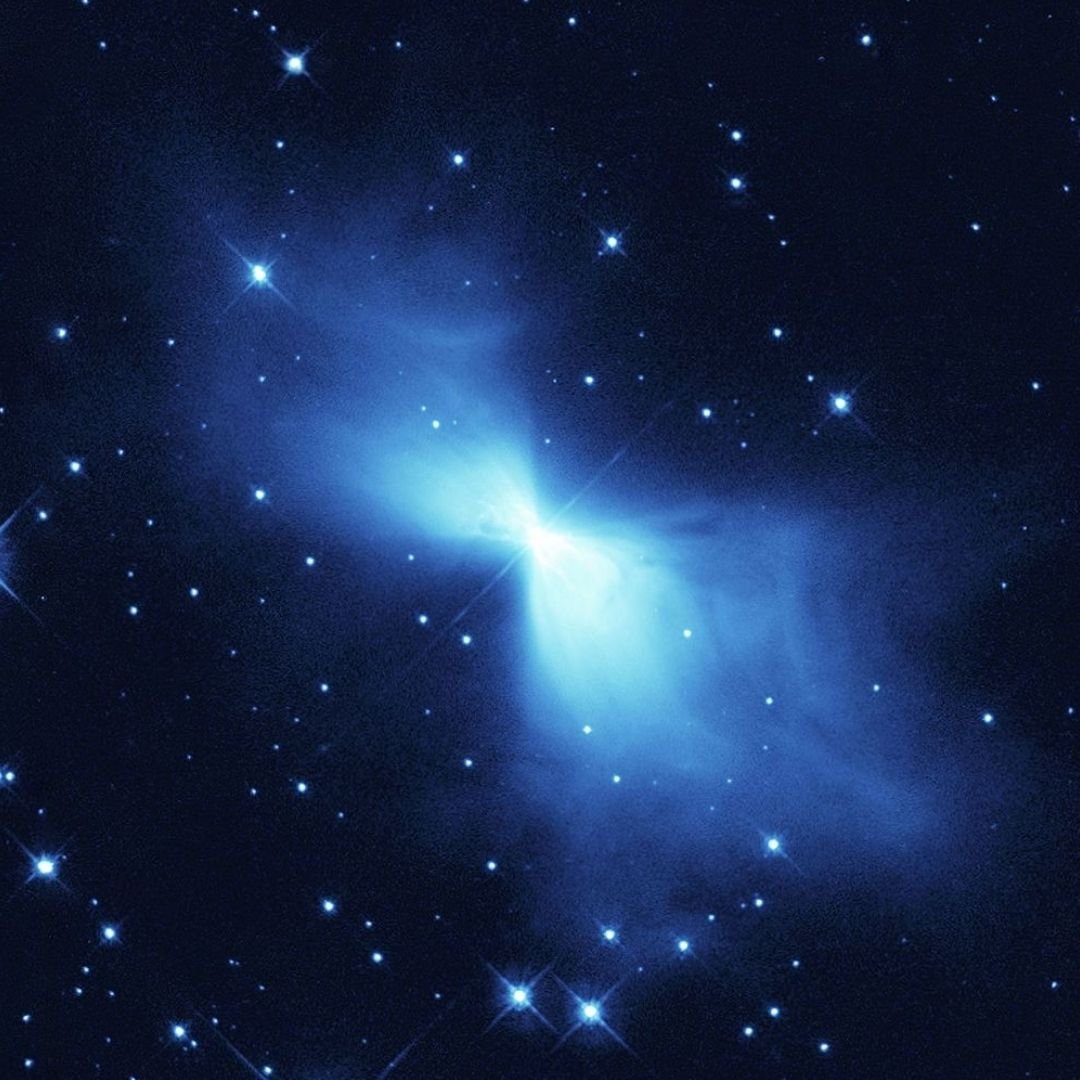
The Boomerang Nebula is the coldest known place in the universe, with a temperature of 1 Kelvin, which is equal to −457.87 °F (−272.15 °C). #FACT
@TheFactSite
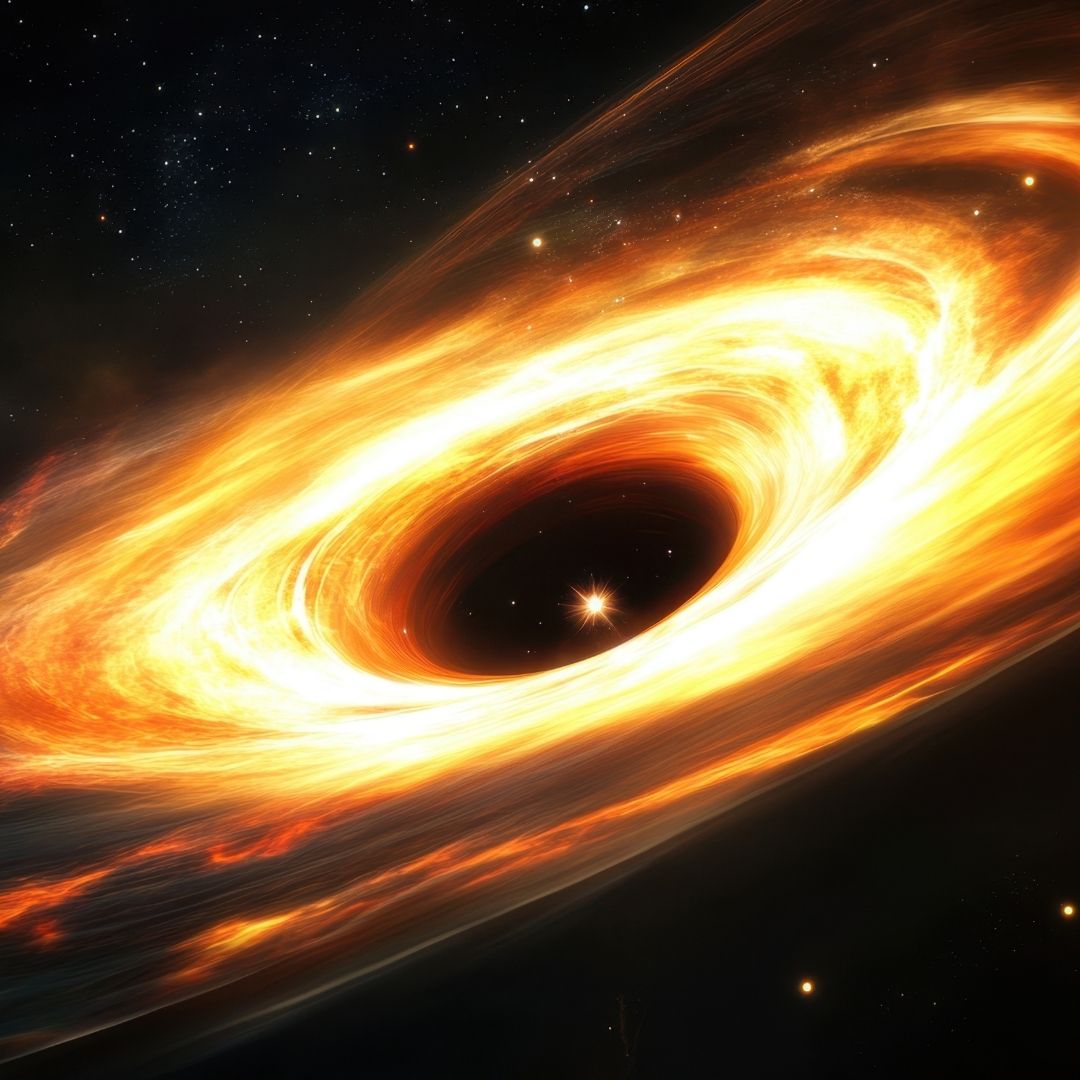
Hypervelocity stars are stars that are being shot out of their galaxies by supermassive black holes. They can travel as fast as 2 million miles per hour (3.22 million km/hour). #FACT
@TheFactSite
According to the Drake equation, it’s statistically improbable that we’re the only form of intelligent life ever to exist. #FACT
@TheFactSite
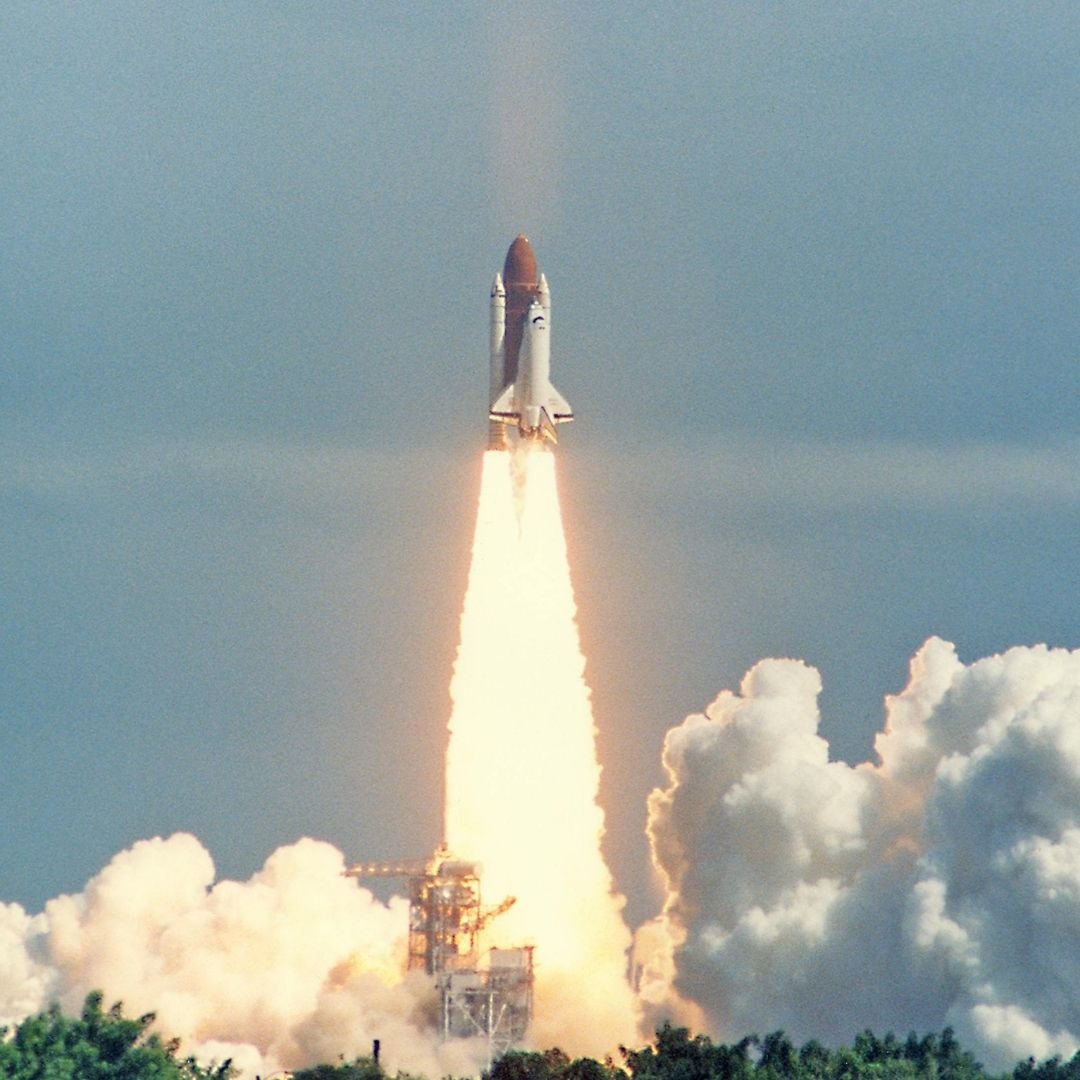
Earth’s escape velocity, or the speed required by a spacecraft to break free of Earth’s gravity, is 6.96 miles (11.2 km) per second. #FACT
@TheFactSite
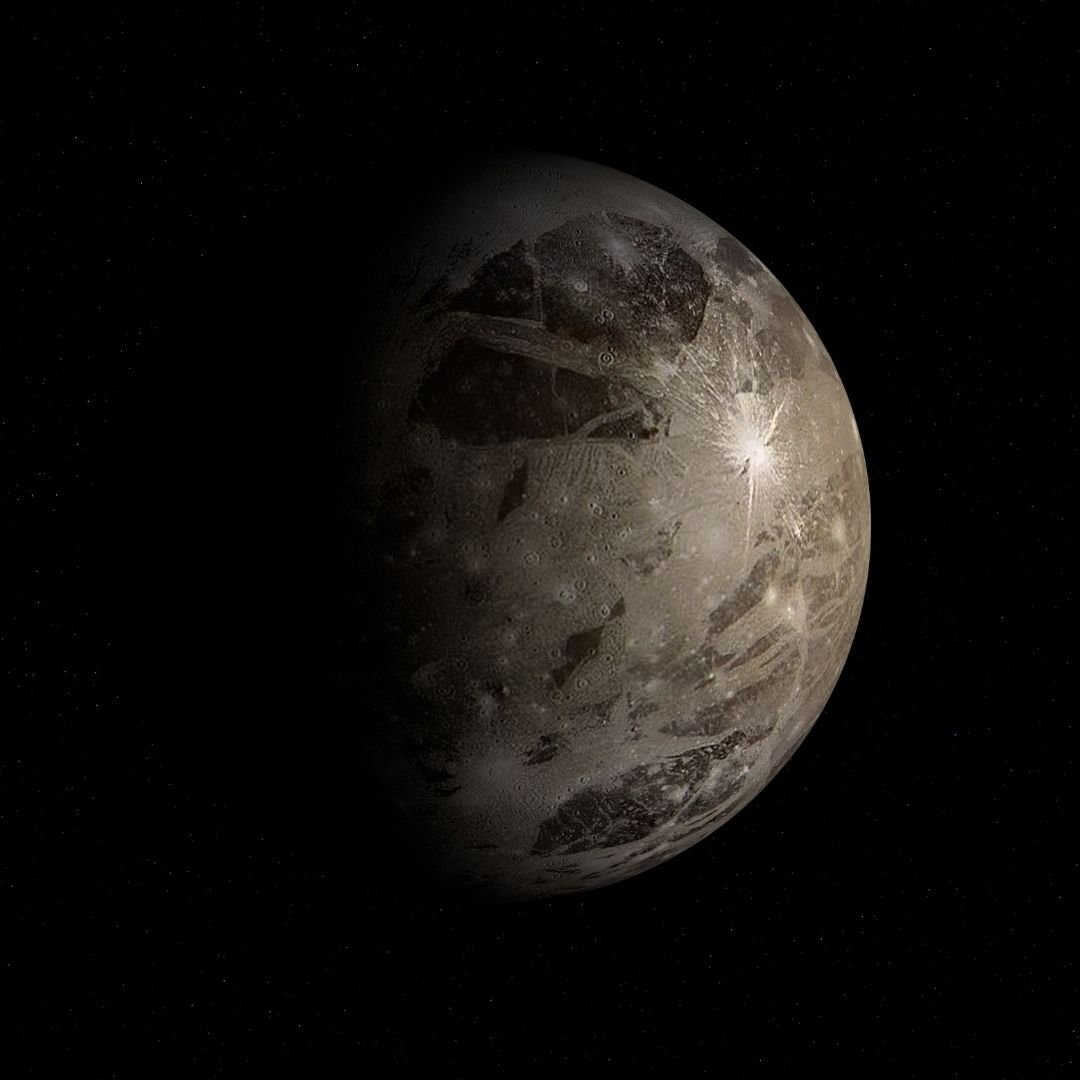
Ganymede, one of Jupiter’s moons, is the largest moon in the Solar System. #FACT
@TheFactSite
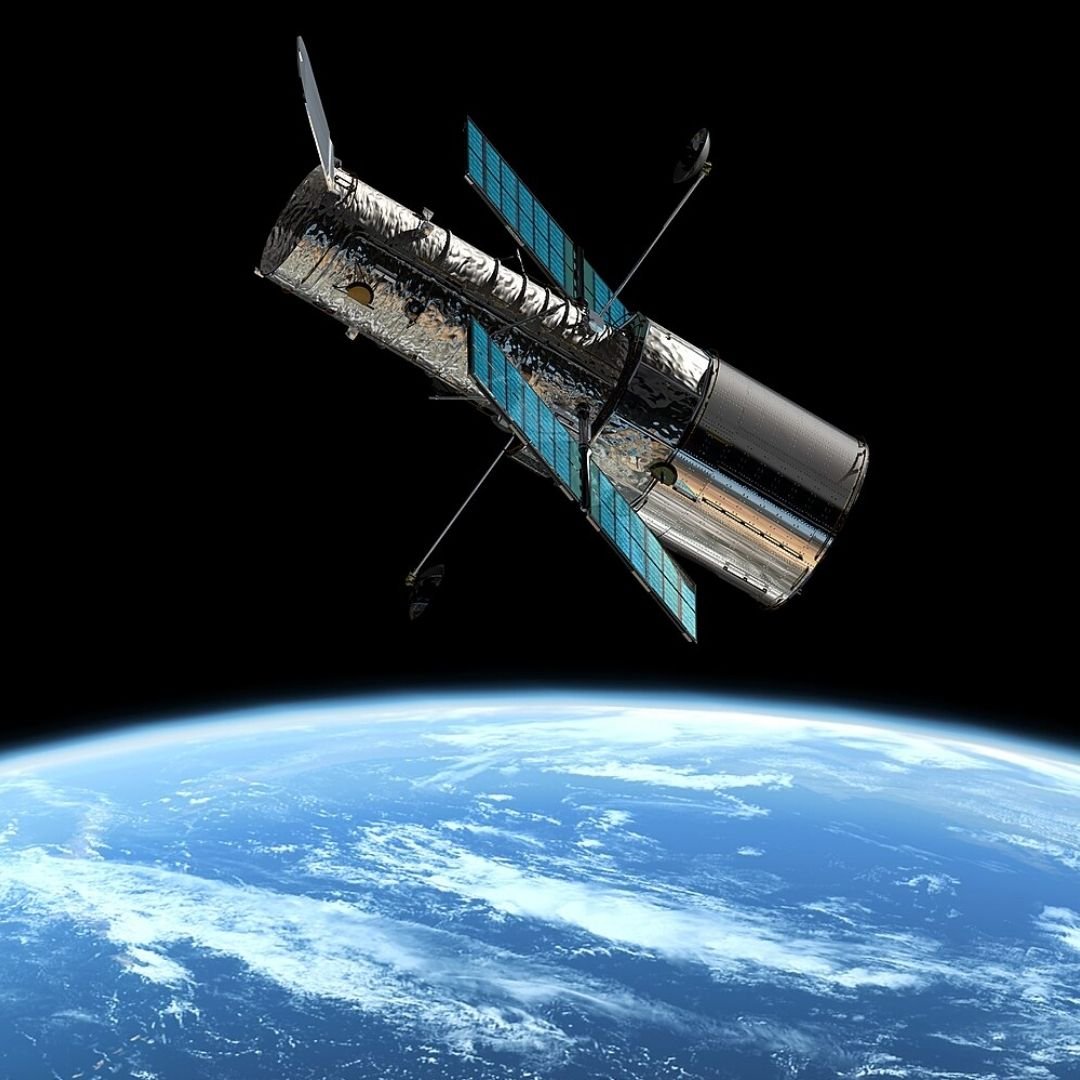
Over 20,000 scientific papers that use data from the Hubble Space Telescope have been published, making it one of the most productive observatories in history. #FACT
@TheFactSite
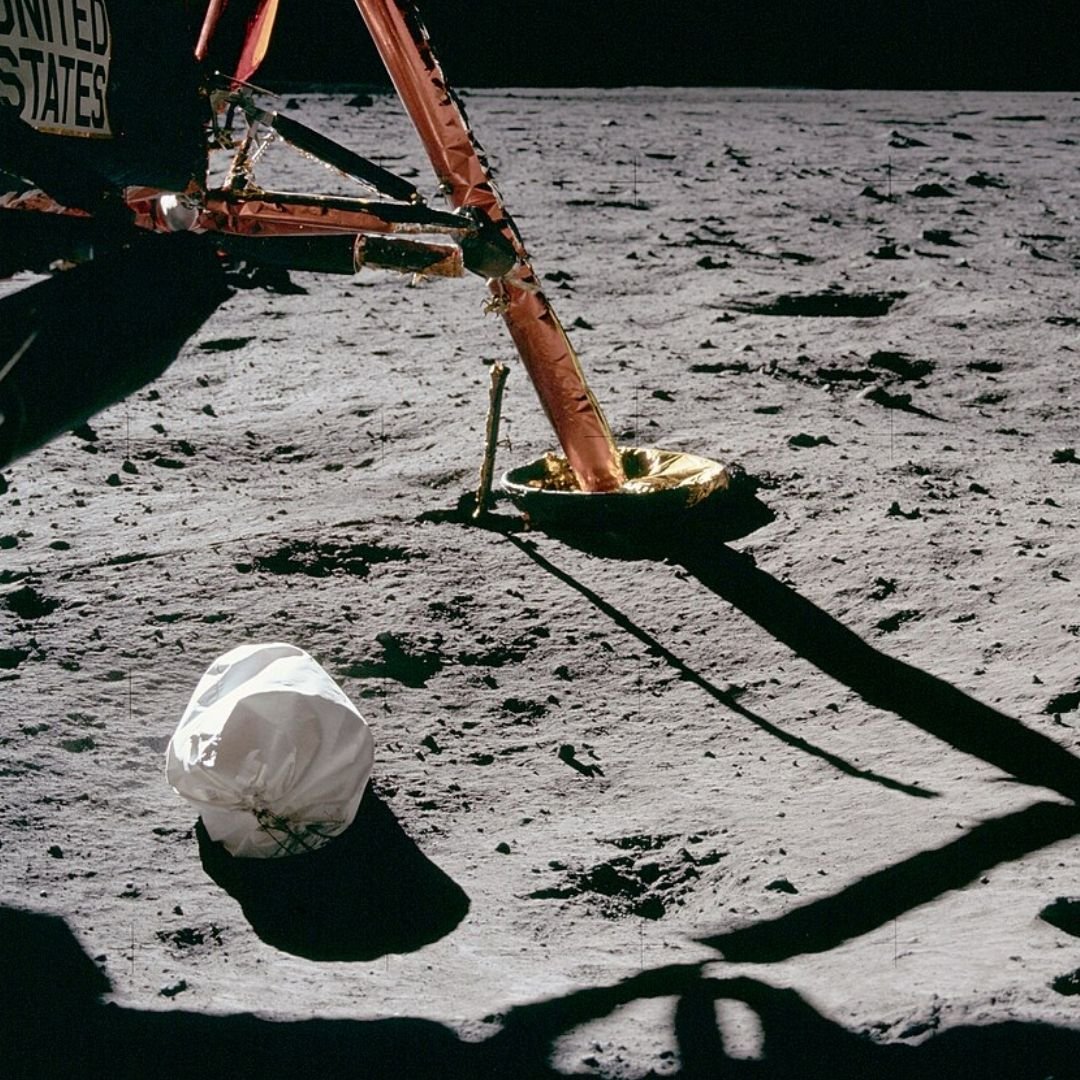
There are over 400,000 pounds (181,437 kg) of trash on the Moon. While most of it is from crashed spacecraft and lunar landers, some is real trash, like human waste. #FACT
@TheFactSite
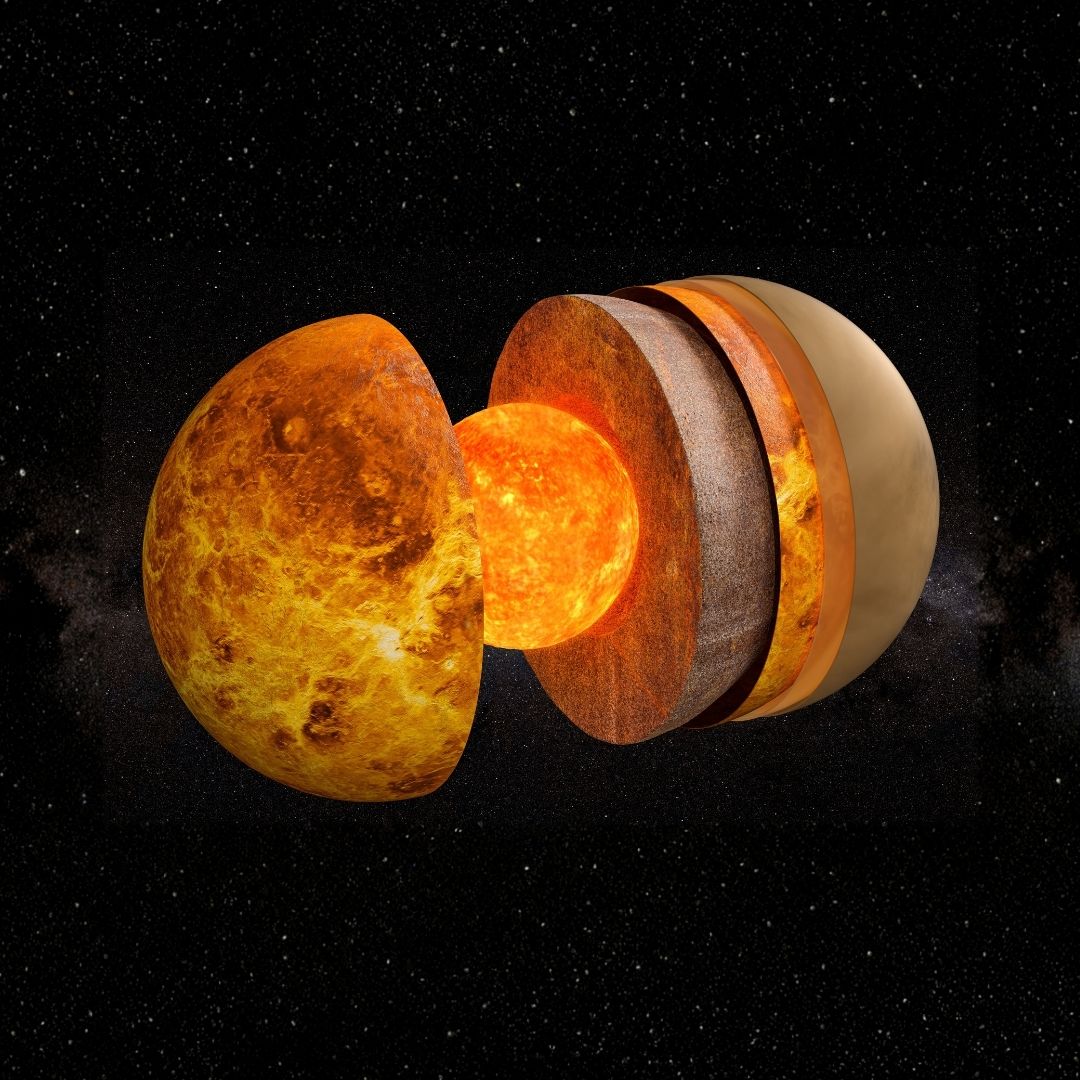
Temperatures on Venus can reach as high as 870°F (470°C). #FACT
@TheFactSite
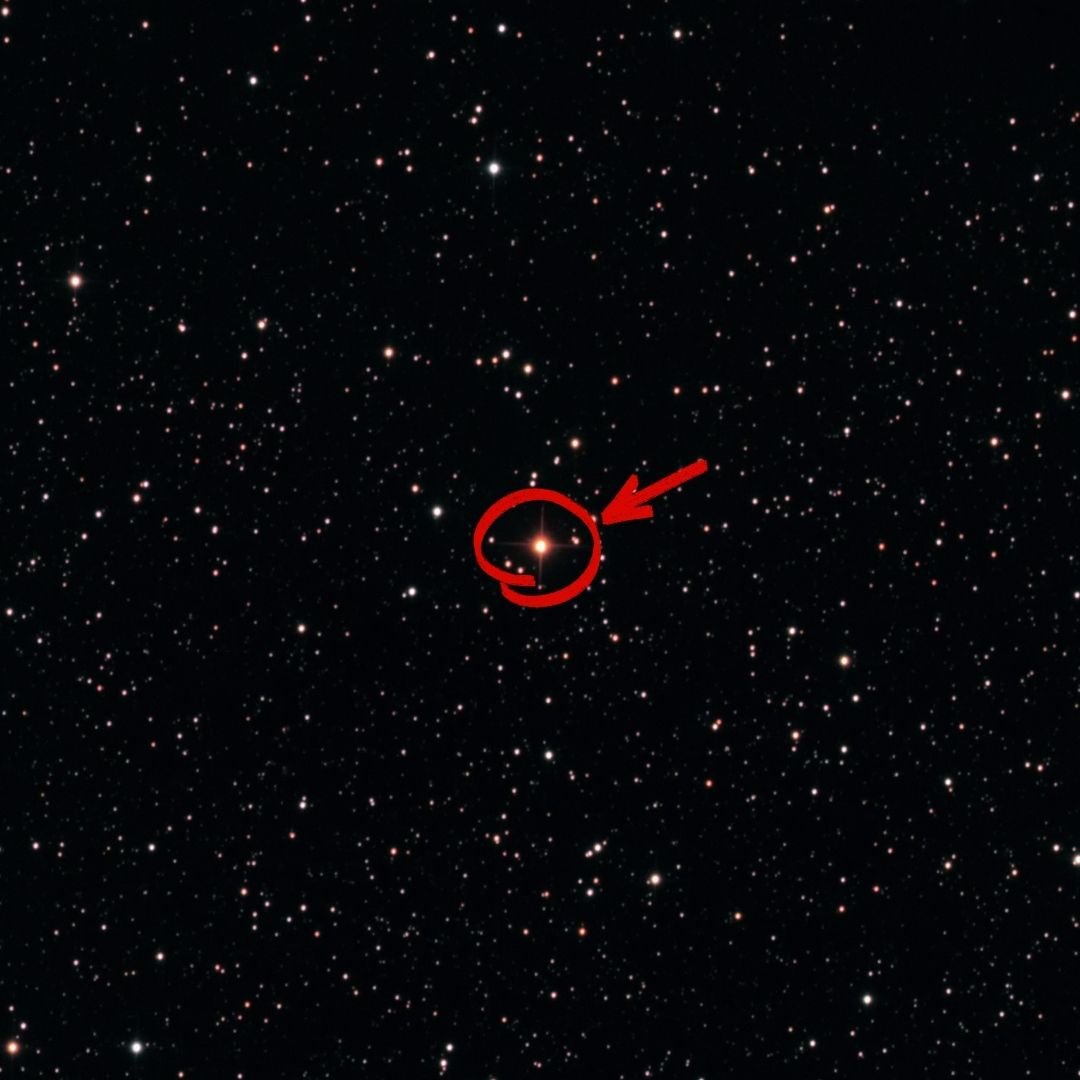
VY Canis Majoris, a red hypergiant star about 3,800 light-years from Earth, has a chance of exploding within the next 100,000 years. If it does, it would outshine the entire Milky Way. #FACT
@TheFactSite
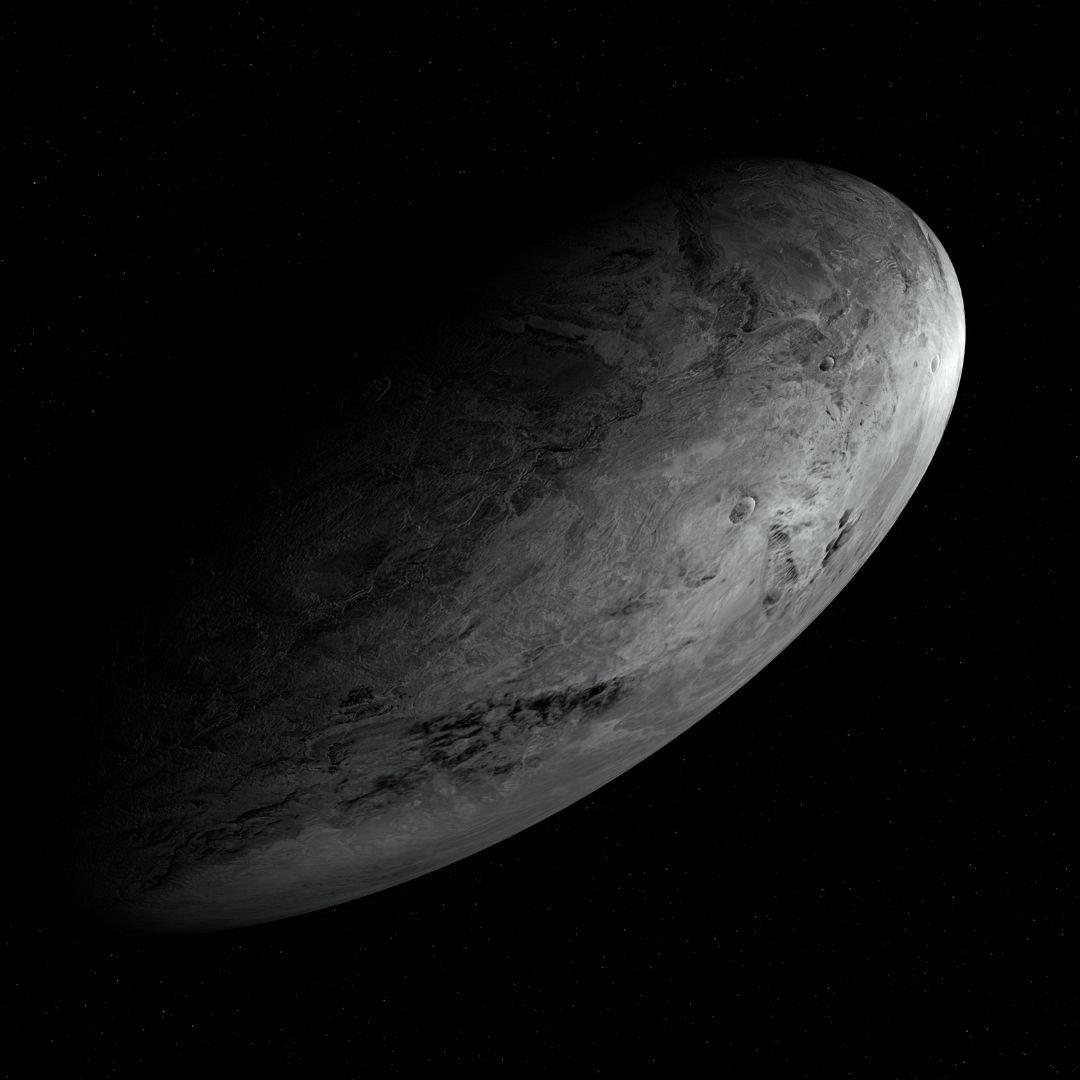
The third-largest known object beyond the orbit of Neptune is Haumea, a bizarrely football-shaped dwarf planet first discovered in 2004. #FACT
@TheFactSite
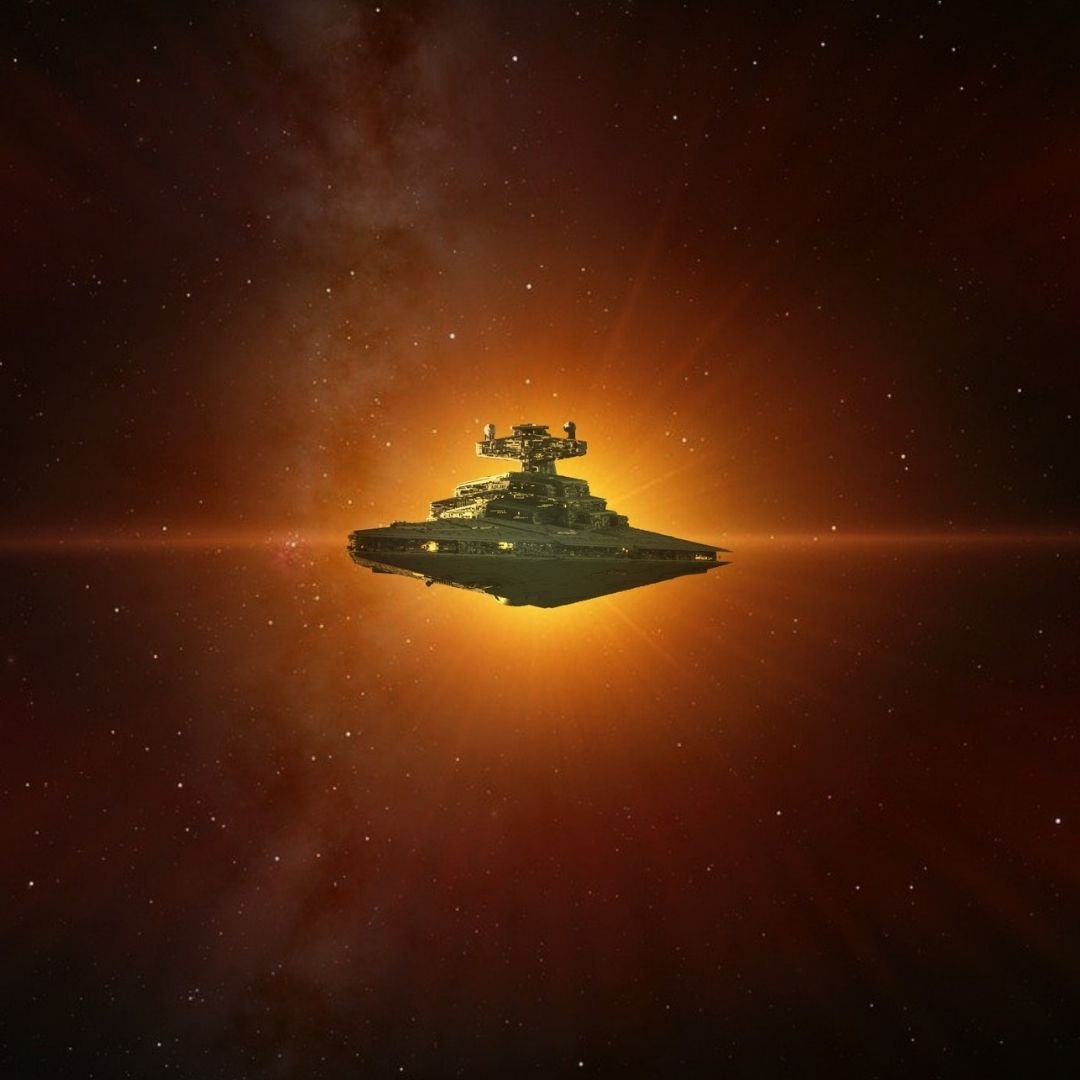
All the battles in space in Star Wars should be completely silent, as space is a vacuum, and sound doesn’t travel through it. #FACT
@TheFactSite
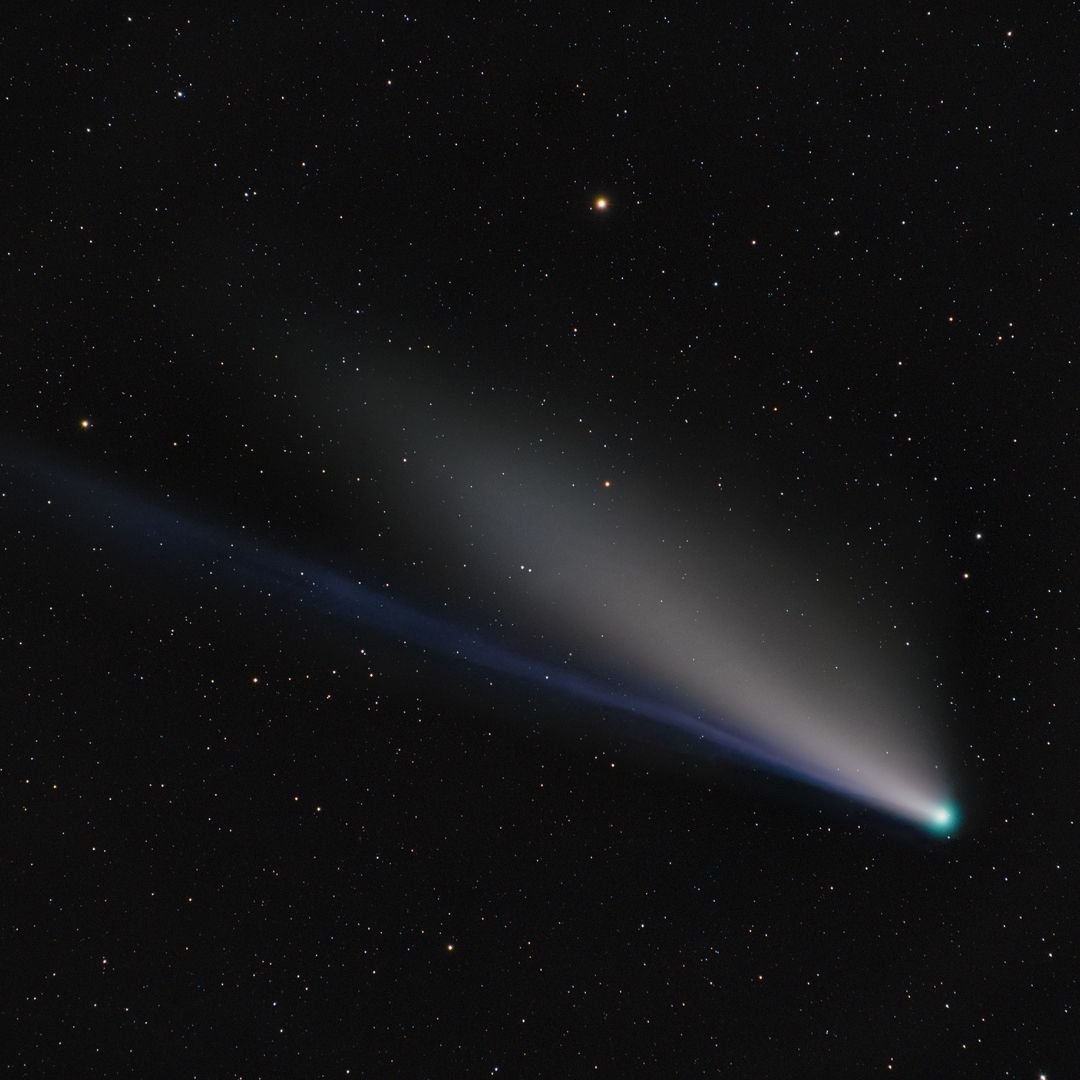
A comet tail occurs when a comet passes close enough to the Sun for it to begin to melt and evaporate. #FACT
@TheFactSite
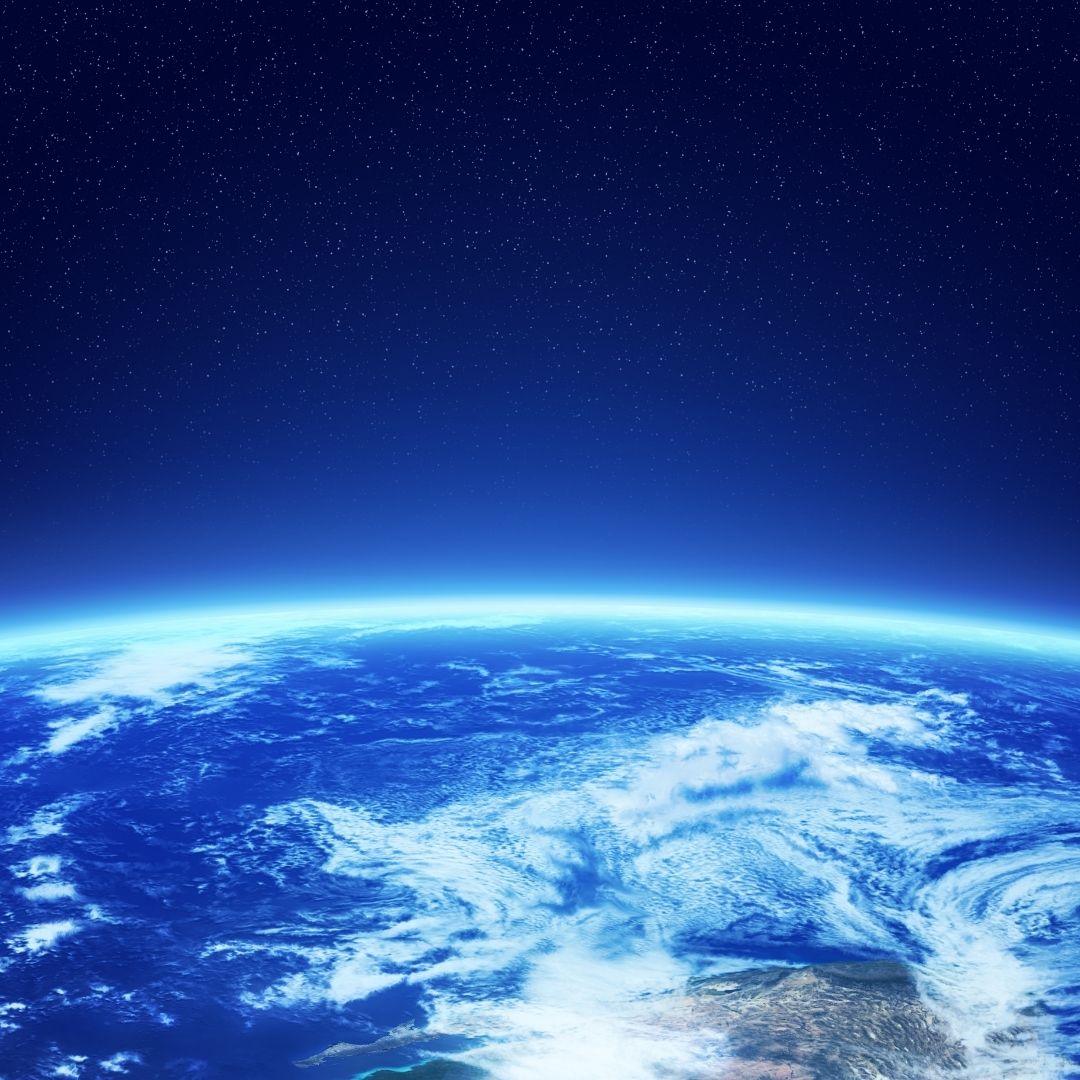
Earth is the densest object in the Solar System. #FACT
@TheFactSite
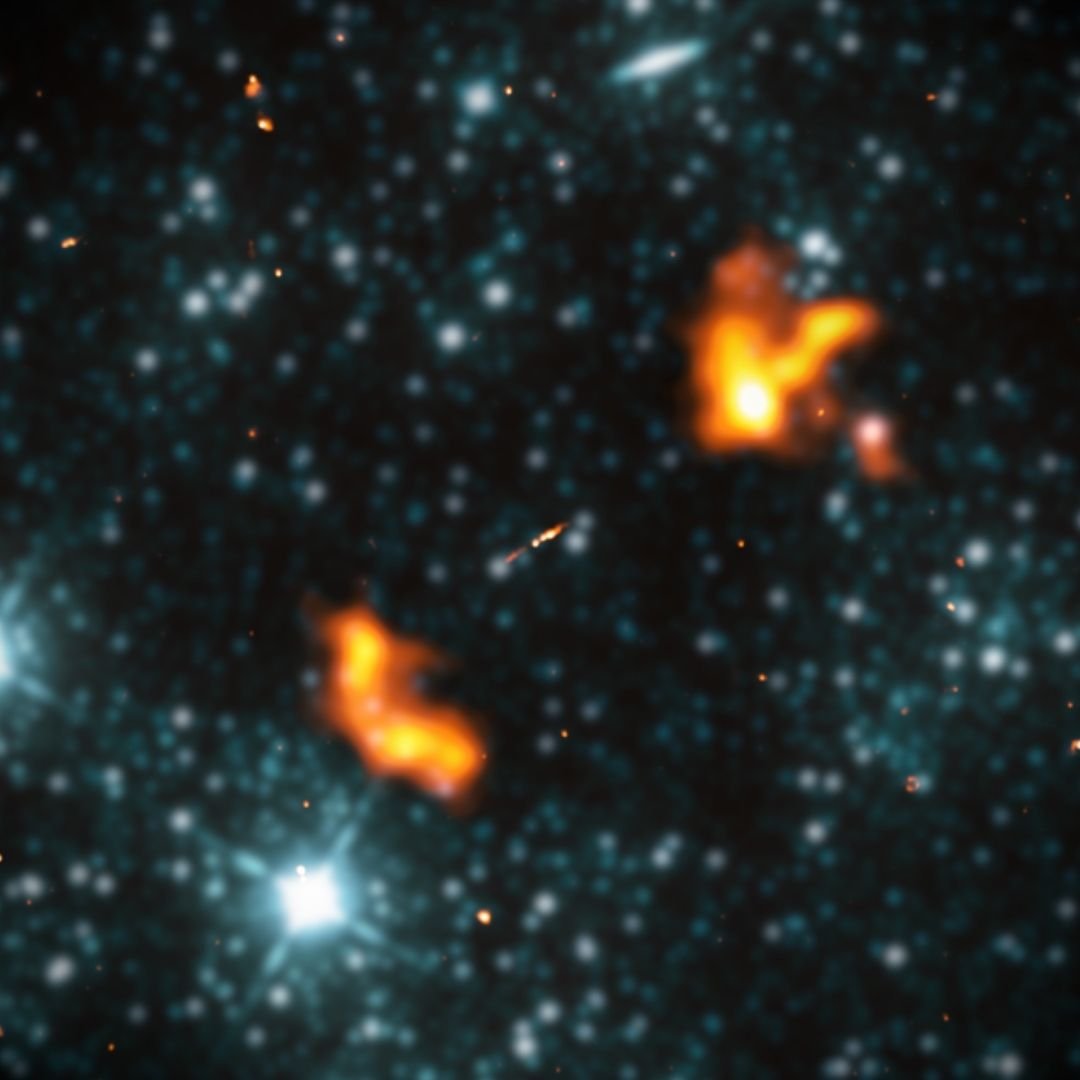
Alcyoneus, a radio galaxy about 3.5 billion light-years away from Earth, shoots out massive jets of energy that extend 16.3 million light-years. #FACT
@TheFactSite
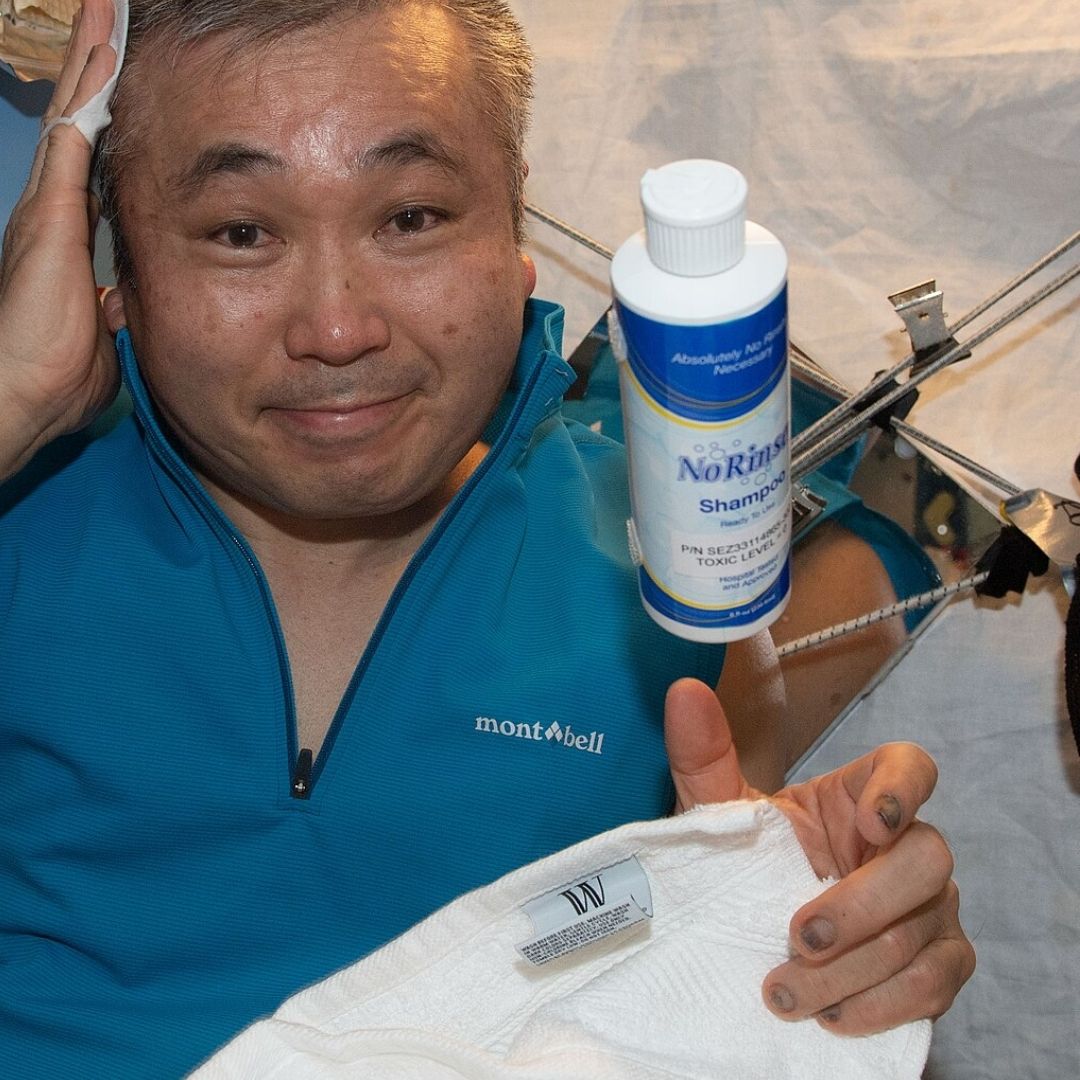
There are no showers on the International Space Station. Instead, astronauts must wipe themselves down with wet sponges and use dry shampoo. #FACT
@TheFactSite
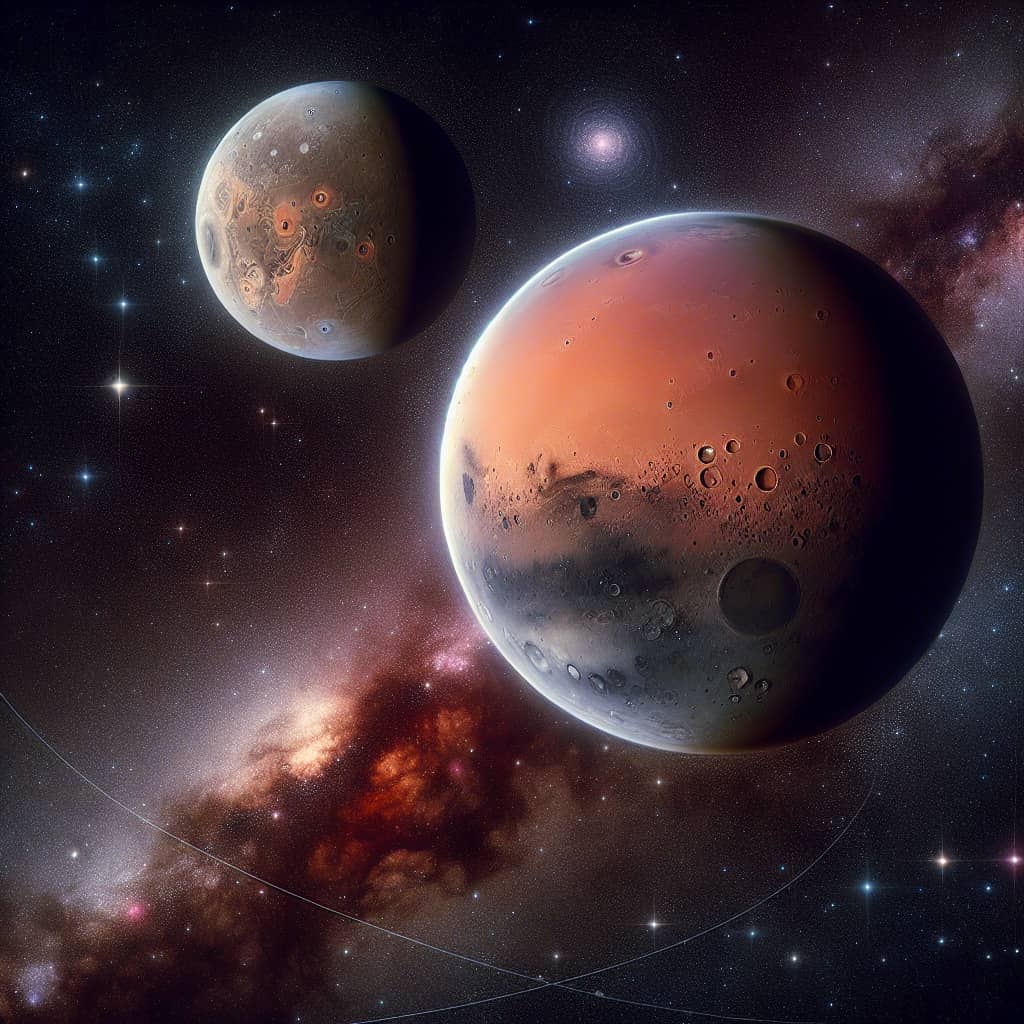
Mars and Mercury both have approximately 38% of Earth’s gravity. #FACT
@TheFactSite
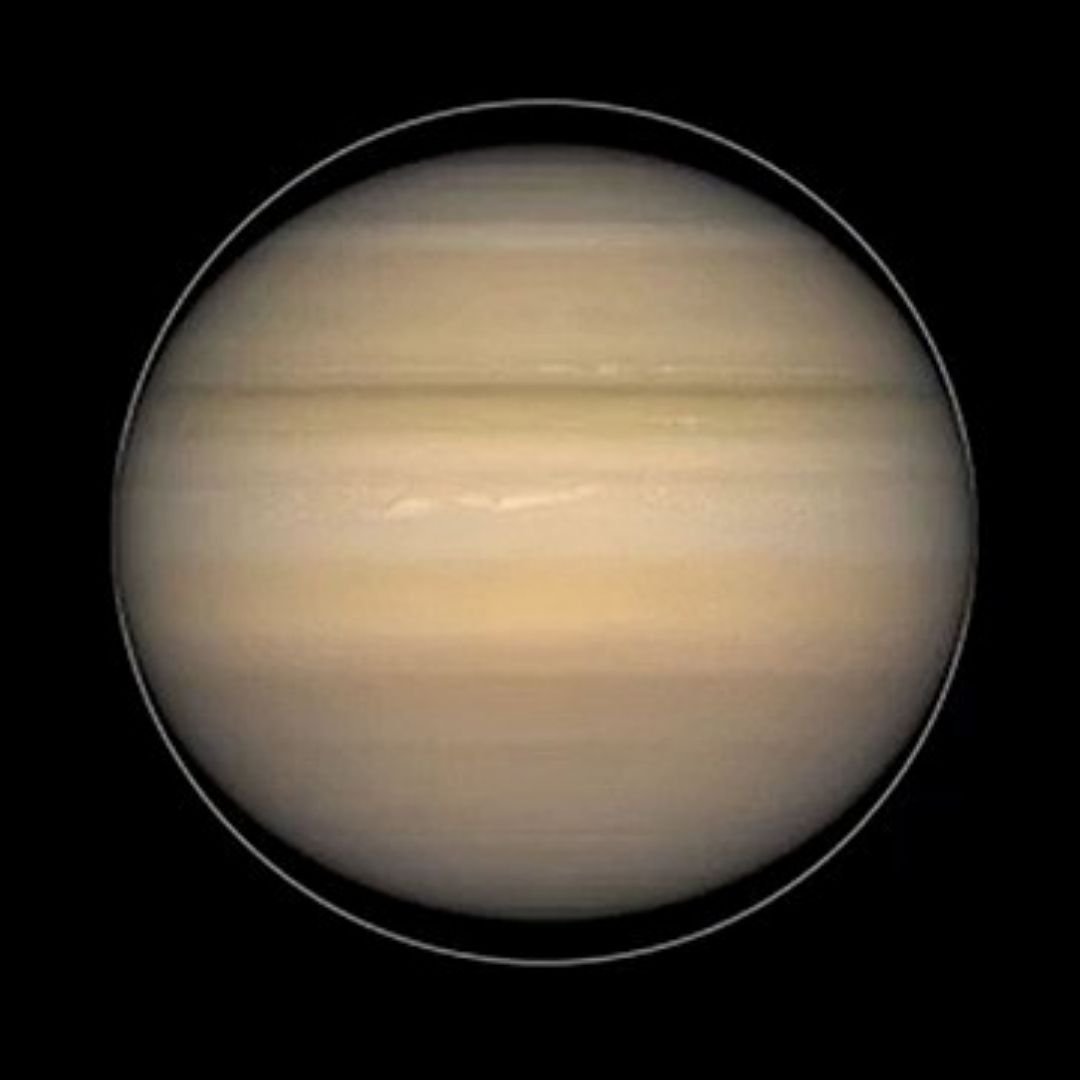
Saturn’s rapid rotation and low density cause the planet to bulge at its equator, making it the flattest planet in the Solar System. #FACT
@TheFactSite
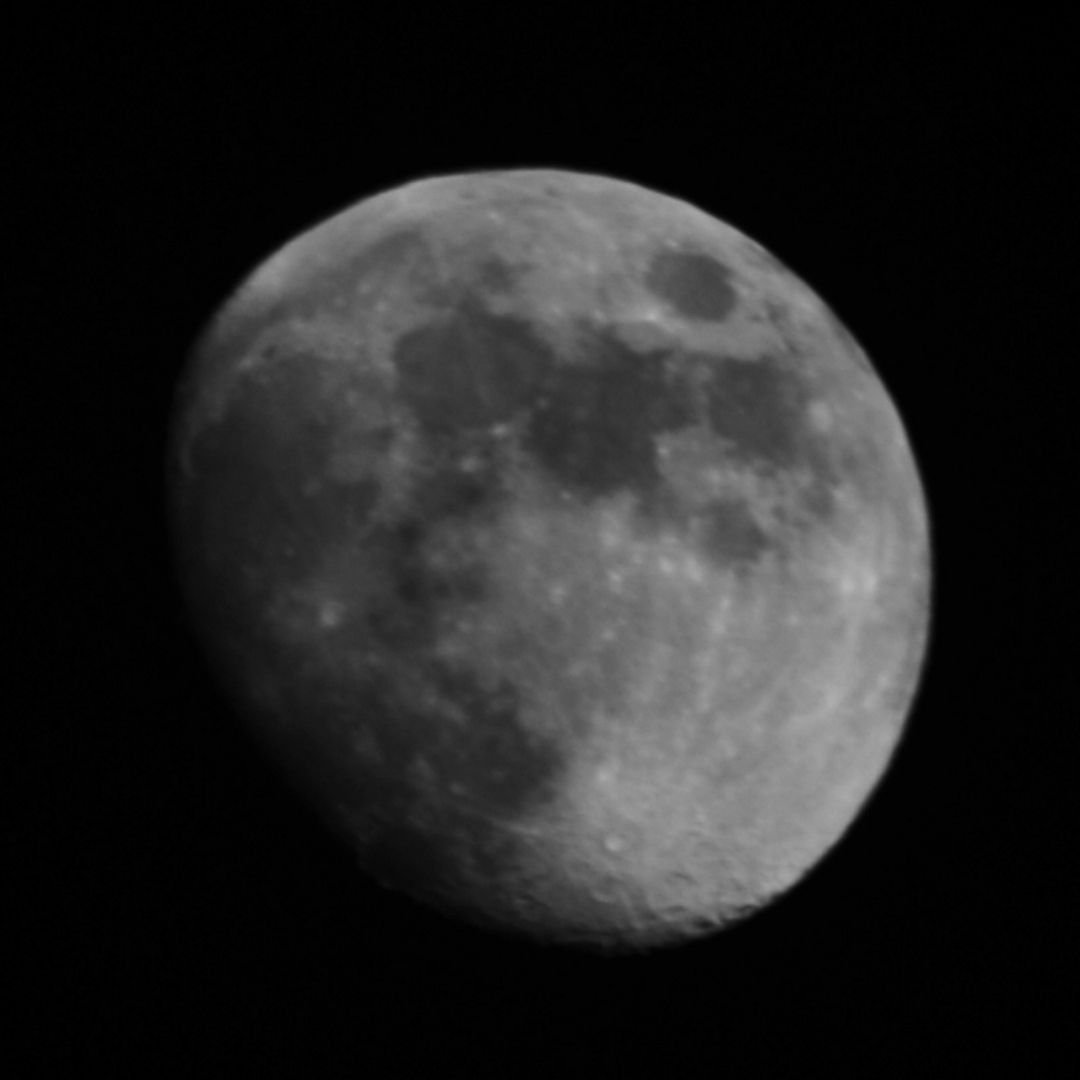
Due to Earth’s gravity, the Moon has a slight bulge on the side facing Earth, giving it a mildly egg-shaped form. #FACT
@TheFactSite
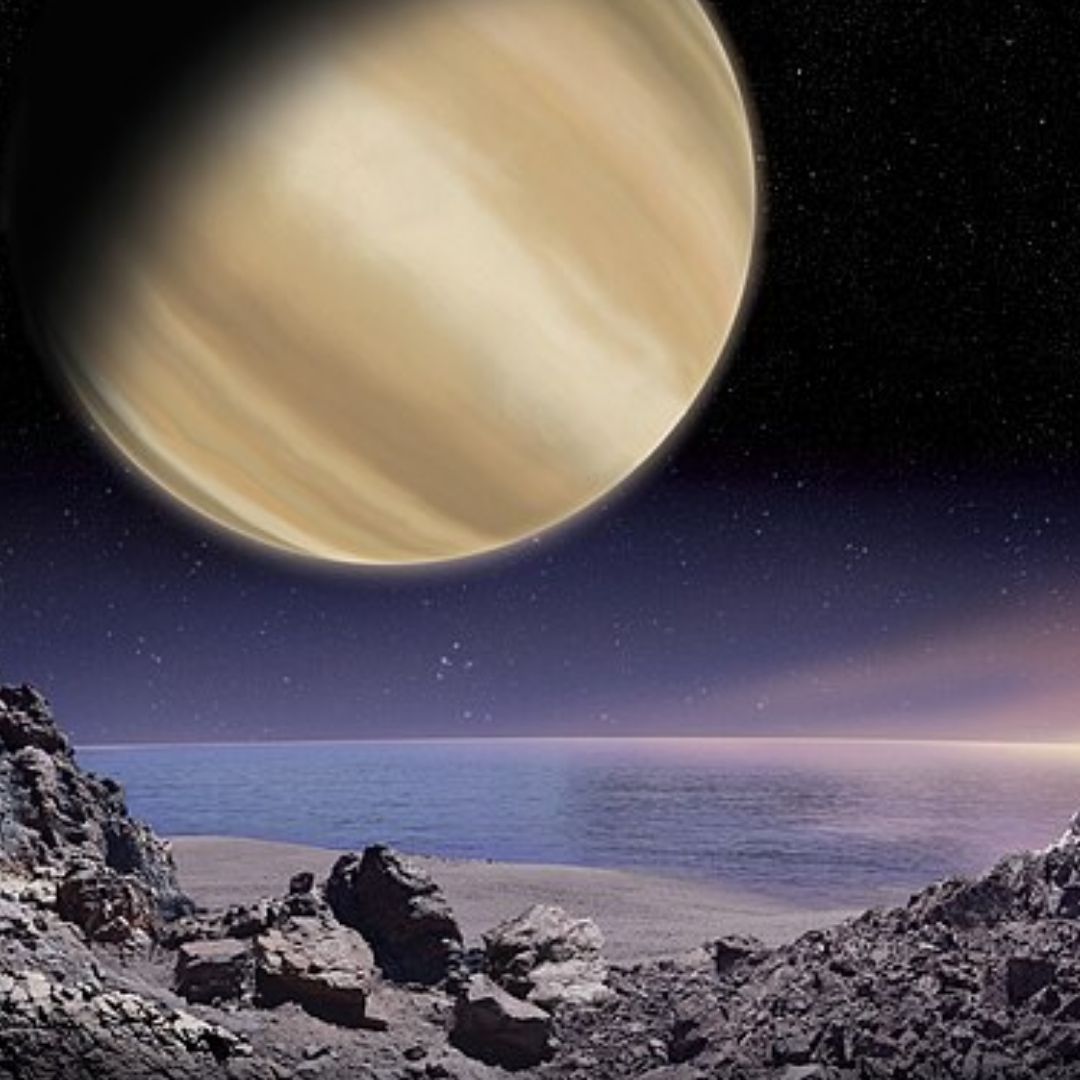
An exoplanet is a planet that orbits a star other than our Sun. #FACT
@TheFactSite
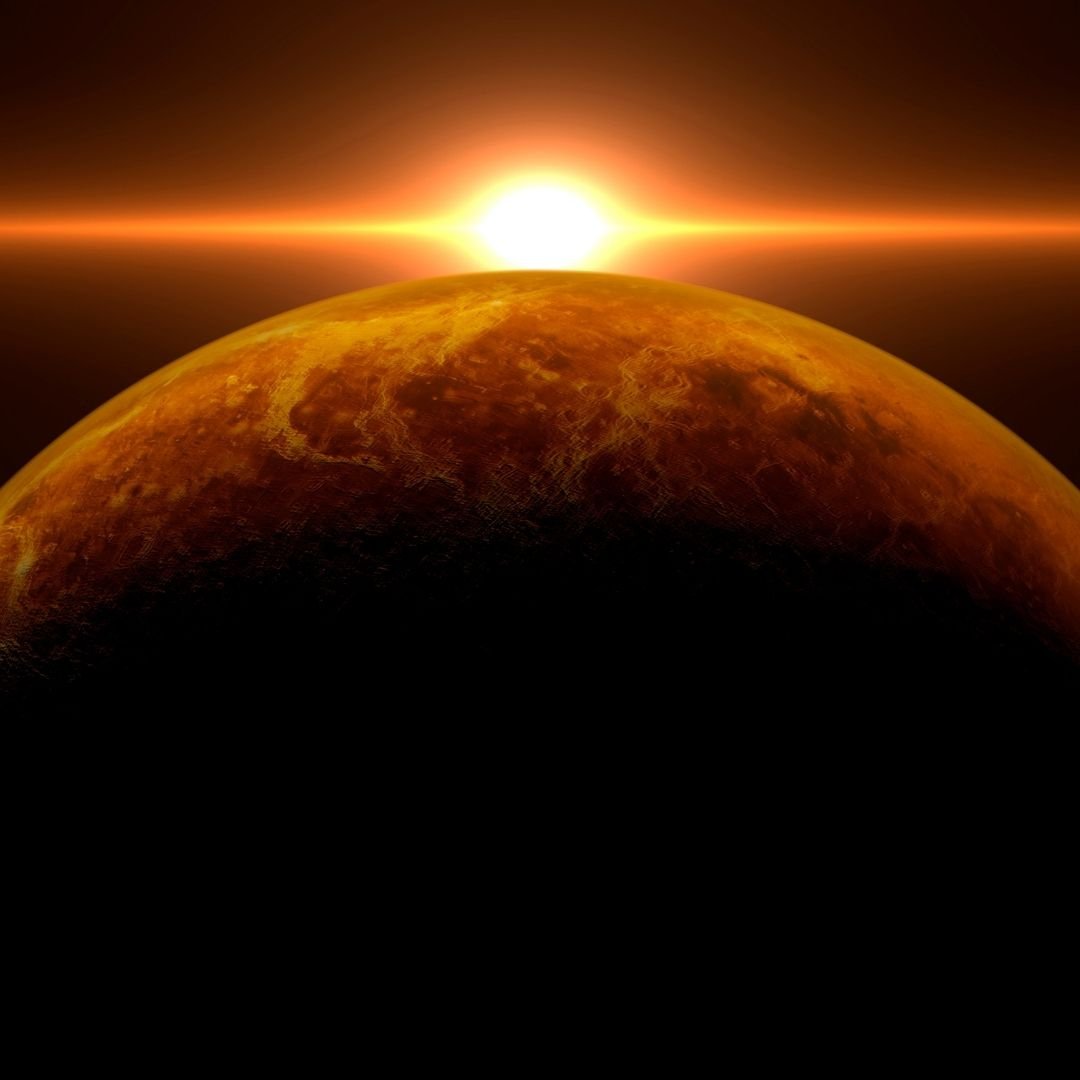
One day on Venus is 243 Earth days, while a year on Venus is 225 Earth days, making Venus’s days longer than its years! #FACT
@TheFactSite
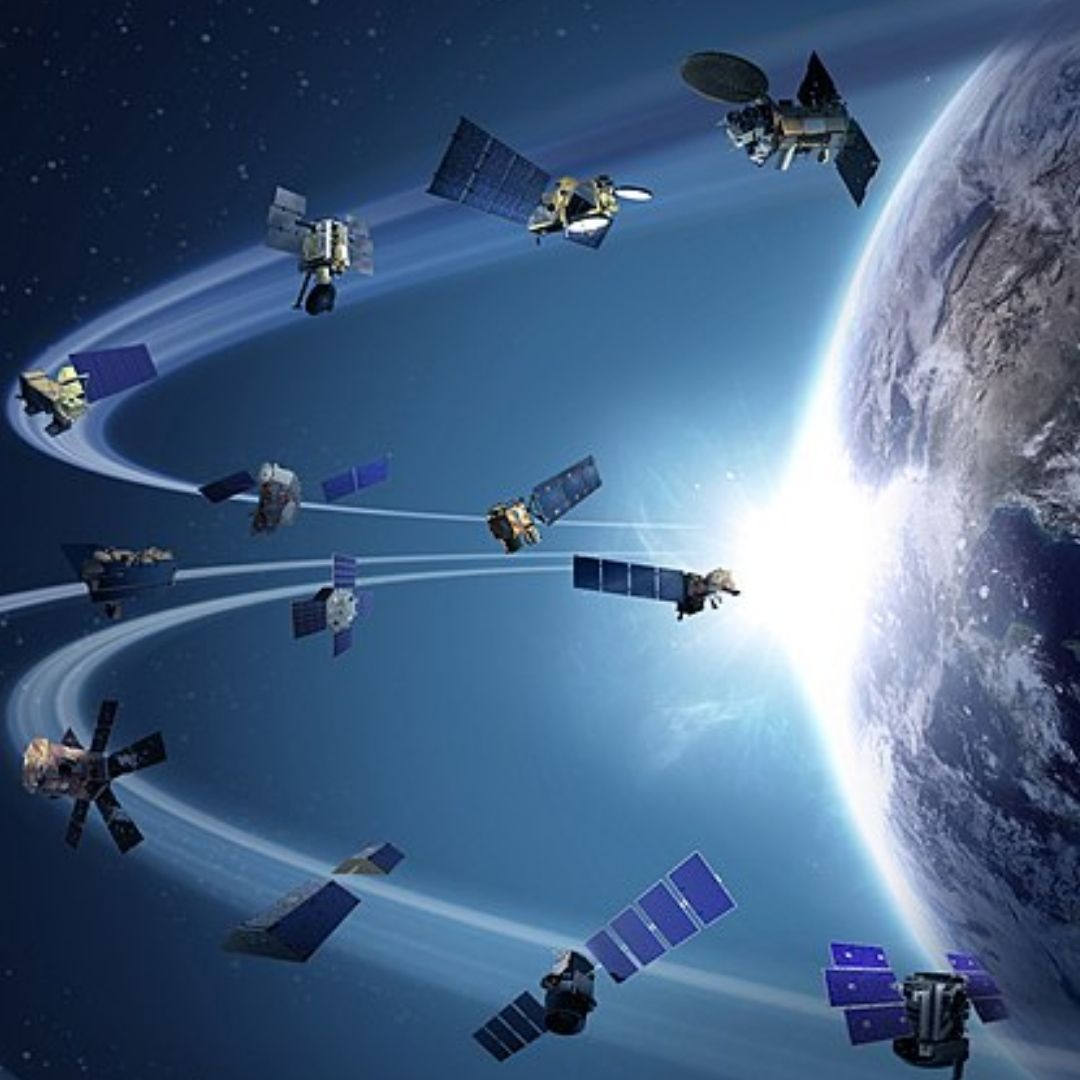
Every planet in our Solar System has been visited by a spacecraft. #FACT
@TheFactSite
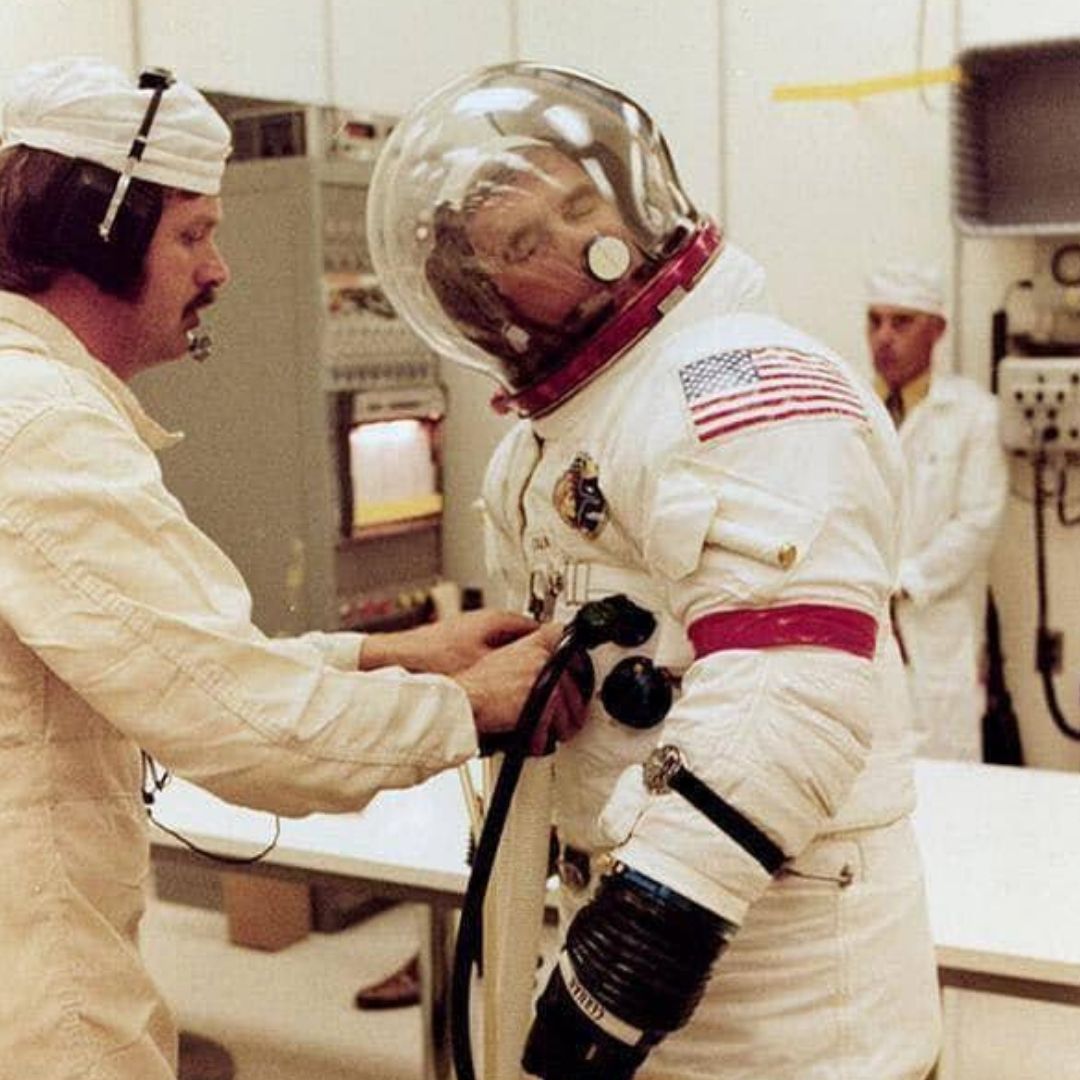
Some of the Apollo astronauts had the ingenious idea to stick Velcro inside their helmets so they could scratch their noses when they got itchy while in their spacesuits. #FACT
@TheFactSite
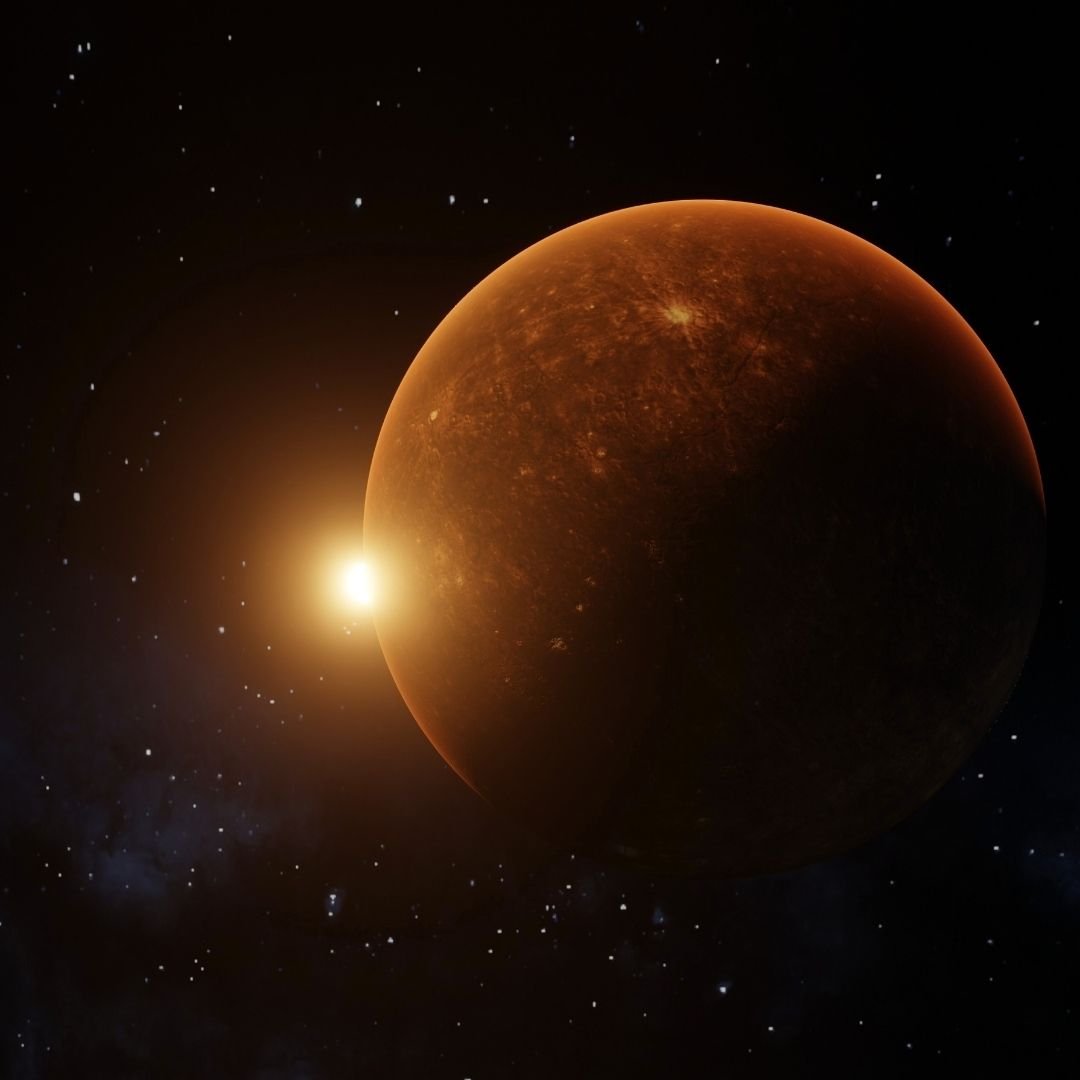
Mars travels around the Sun at an average speed of 14.91 miles per second (24 km/s). #FACT
@TheFactSite
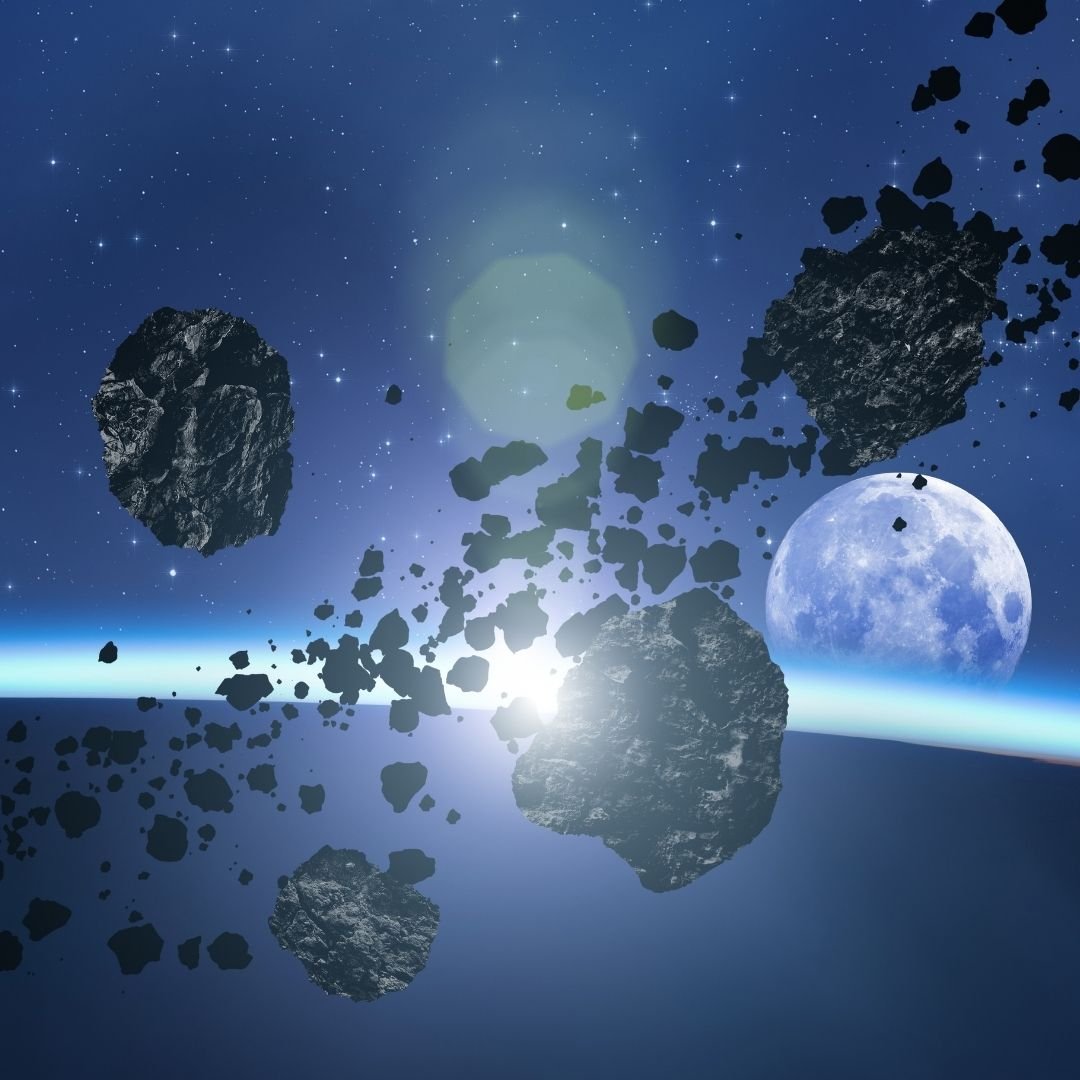
Asteroids, comets, and meteoroids are different: Asteroids are rocky, comets are made of ice and dust, and meteoroids are fragments of either that were created in collisions. #FACT
@TheFactSite
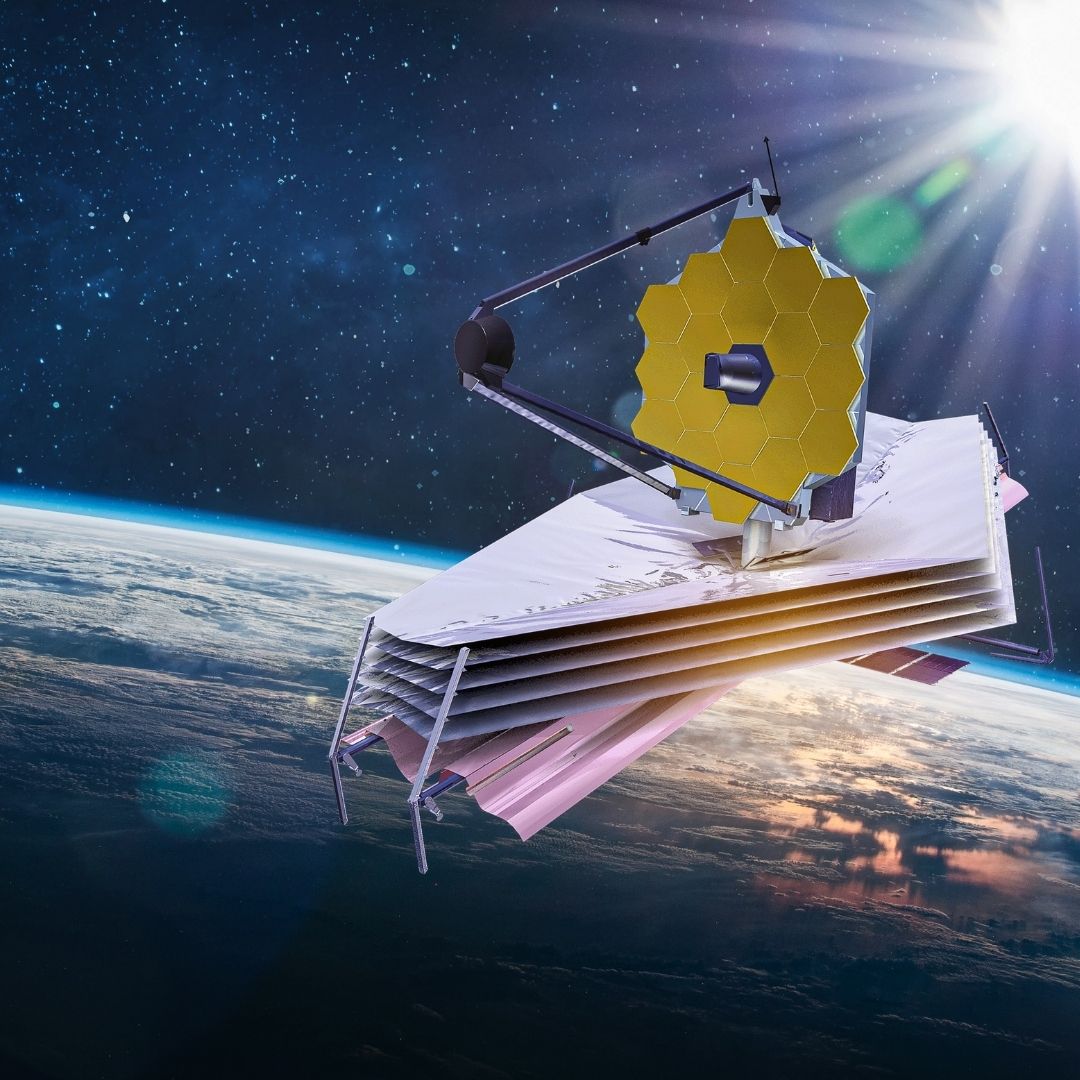
The James Webb Space Telescope was the first telescope to detect carbon dioxide in an exoplanet’s atmosphere. #FACT
@TheFactSite
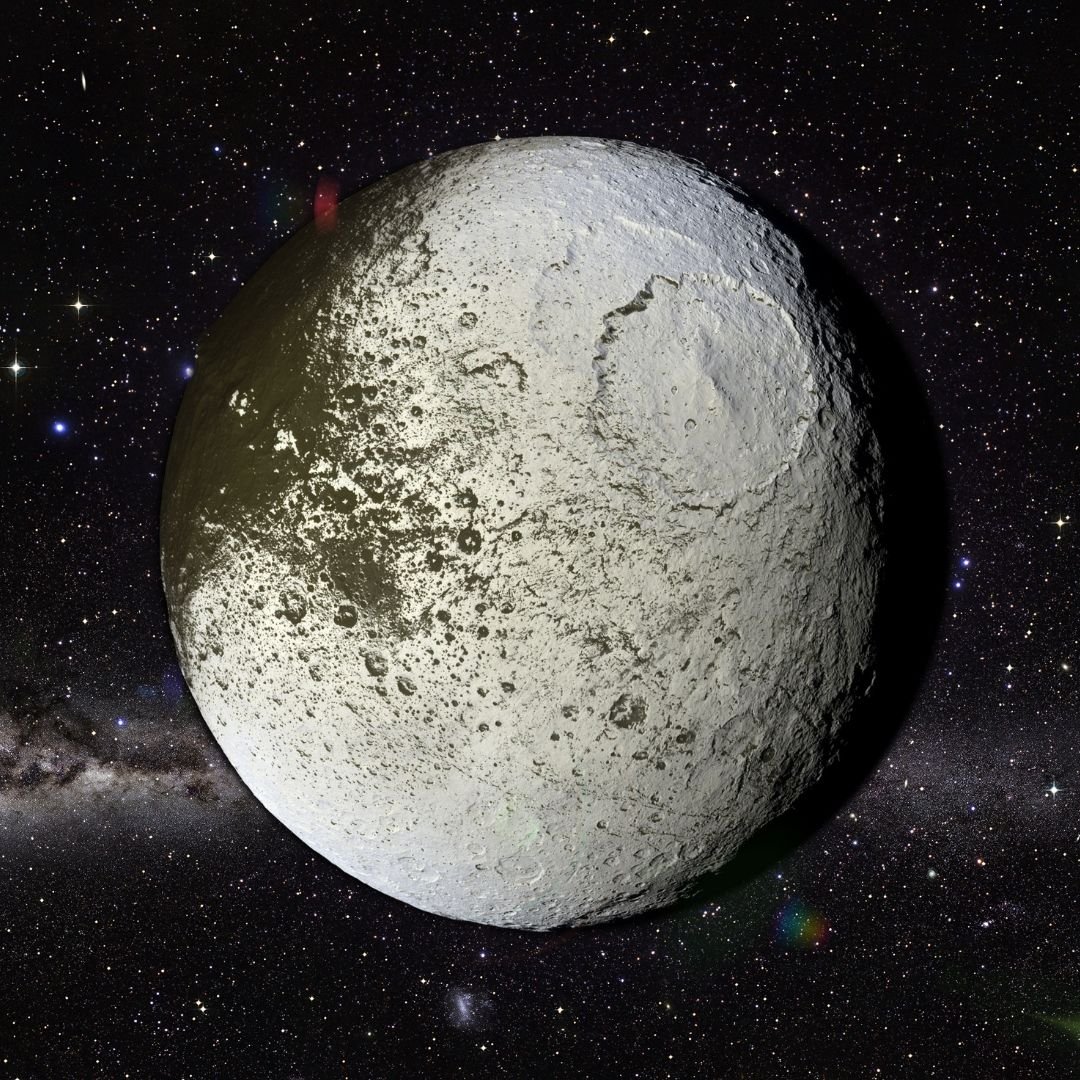
Saturn’s moon Iapetus has an orbit of 79 Earth days. #FACT
@TheFactSite
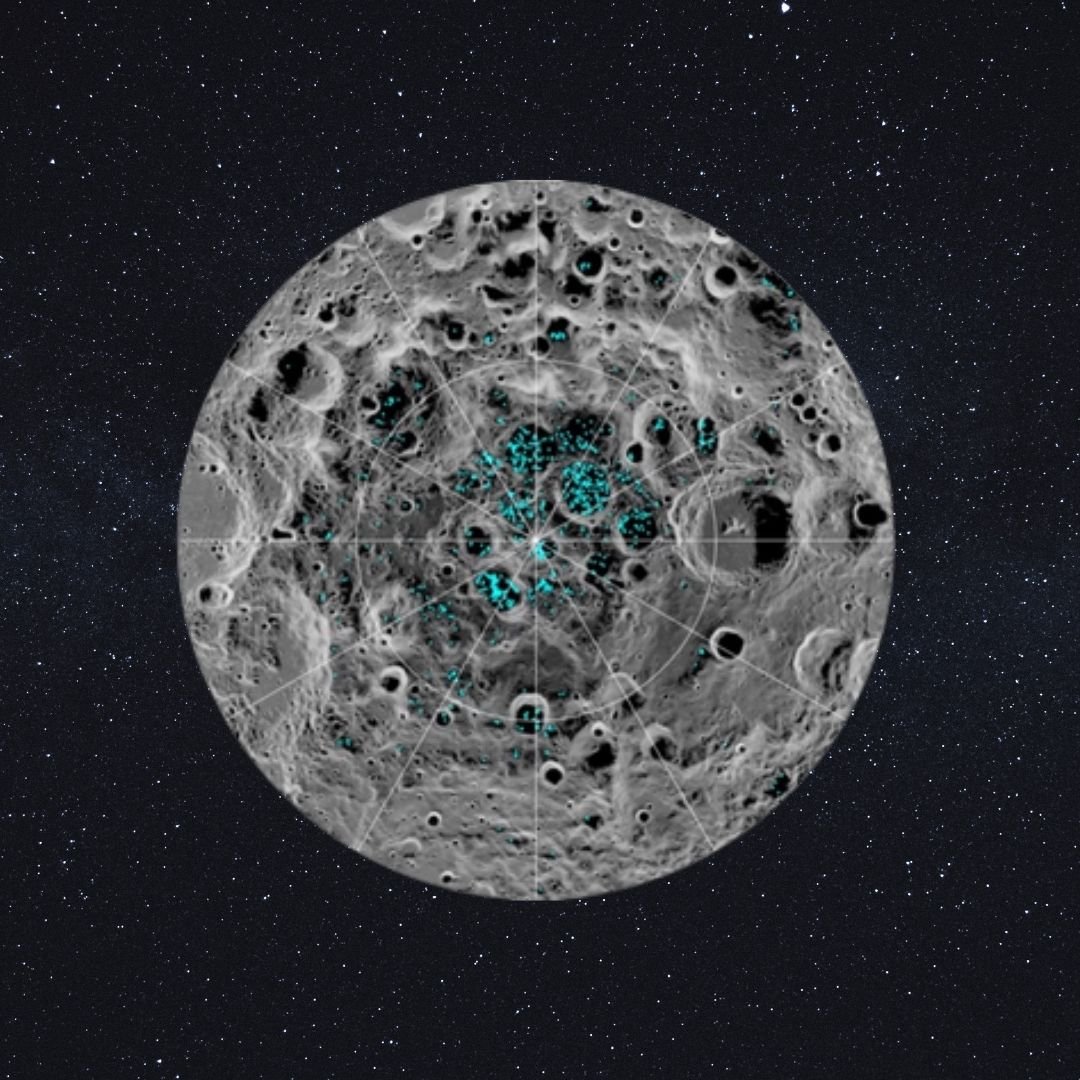
There’s water on the Moon, but it’s not in liquid form. Instead, water ice is found all over the Moon’s surface, with the highest concentrations at its permanently shadowed poles. #FACT
@TheFactSite
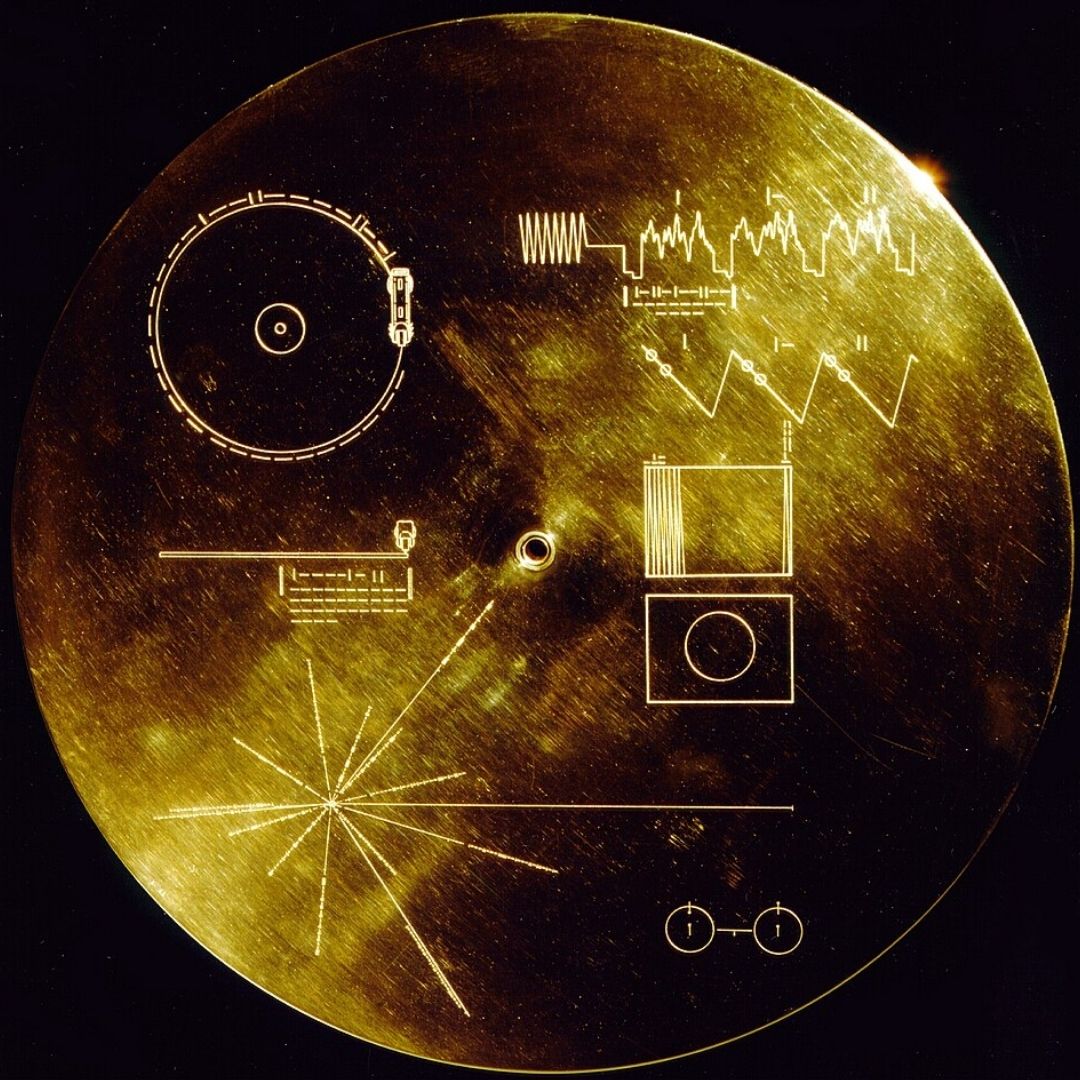
NASA’s Voyager space probes each carried record players and a golden record containing greetings in Earth’s languages and a variety of sounds from Earth. #FACT
@TheFactSite
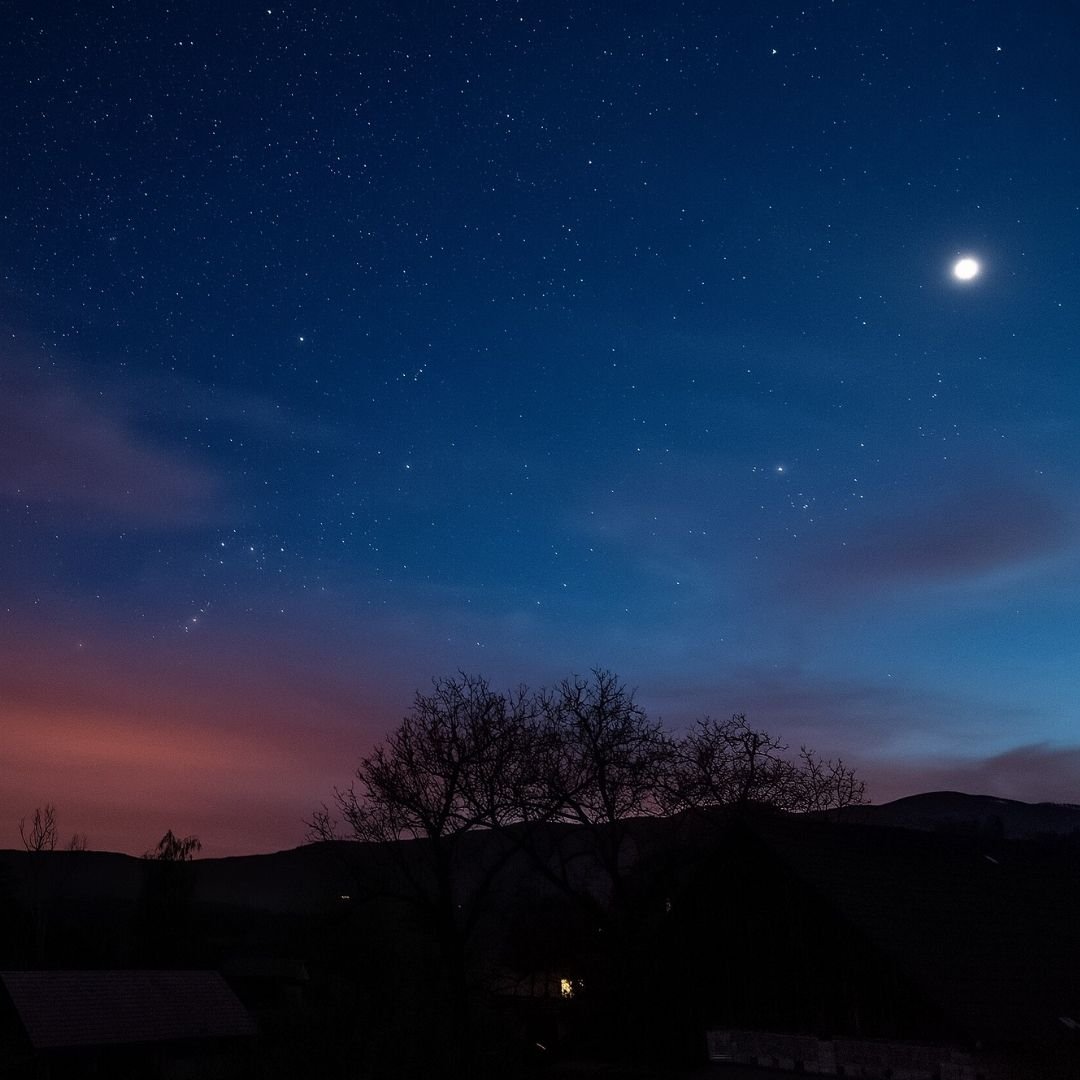
Venus is brightest when it’s a crescent and relatively close to Earth, about a month before or after passing between Earth and the Sun. #FACT
@TheFactSite
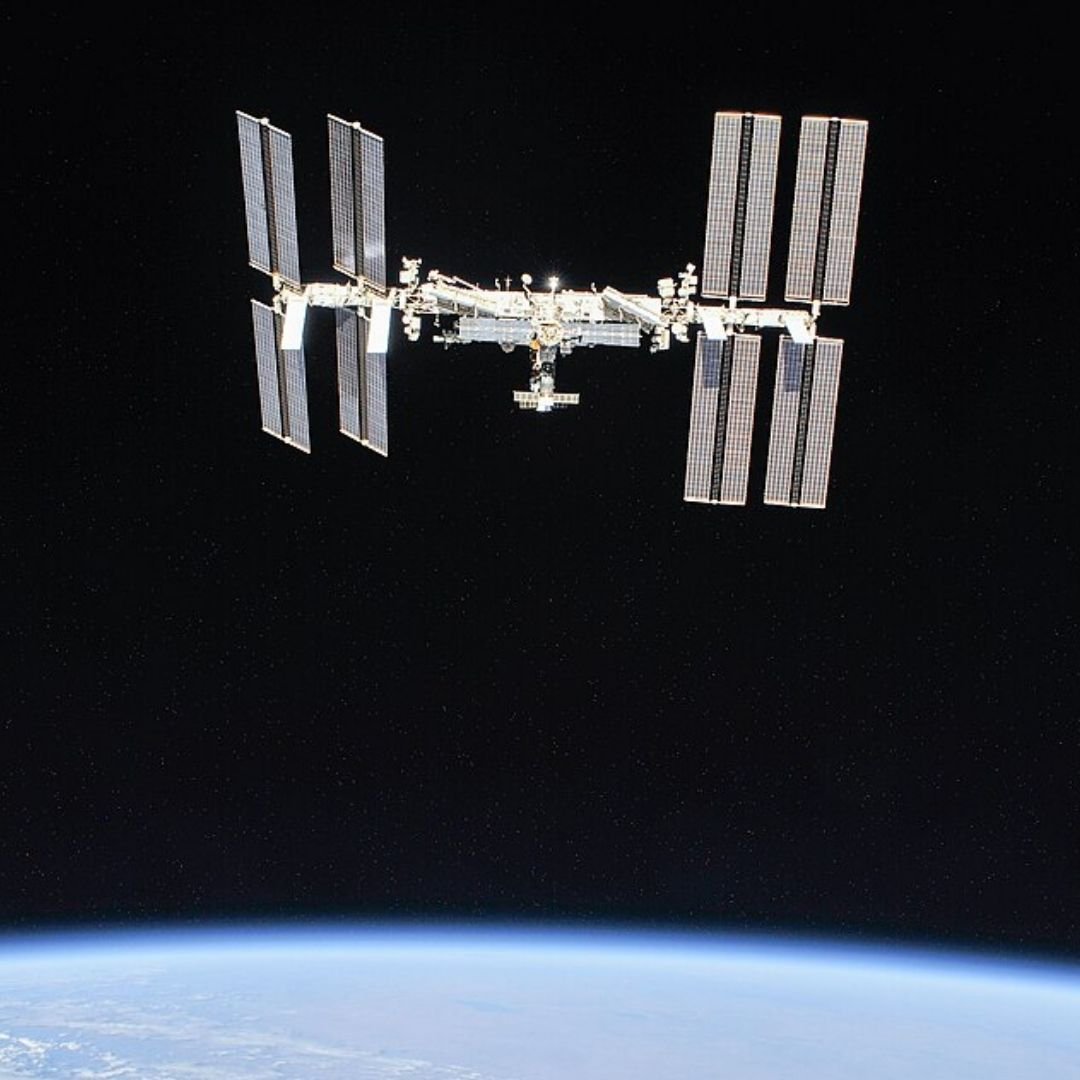
There’s about as much space on the International Space Station as a five-bedroom house. #FACT
@TheFactSite
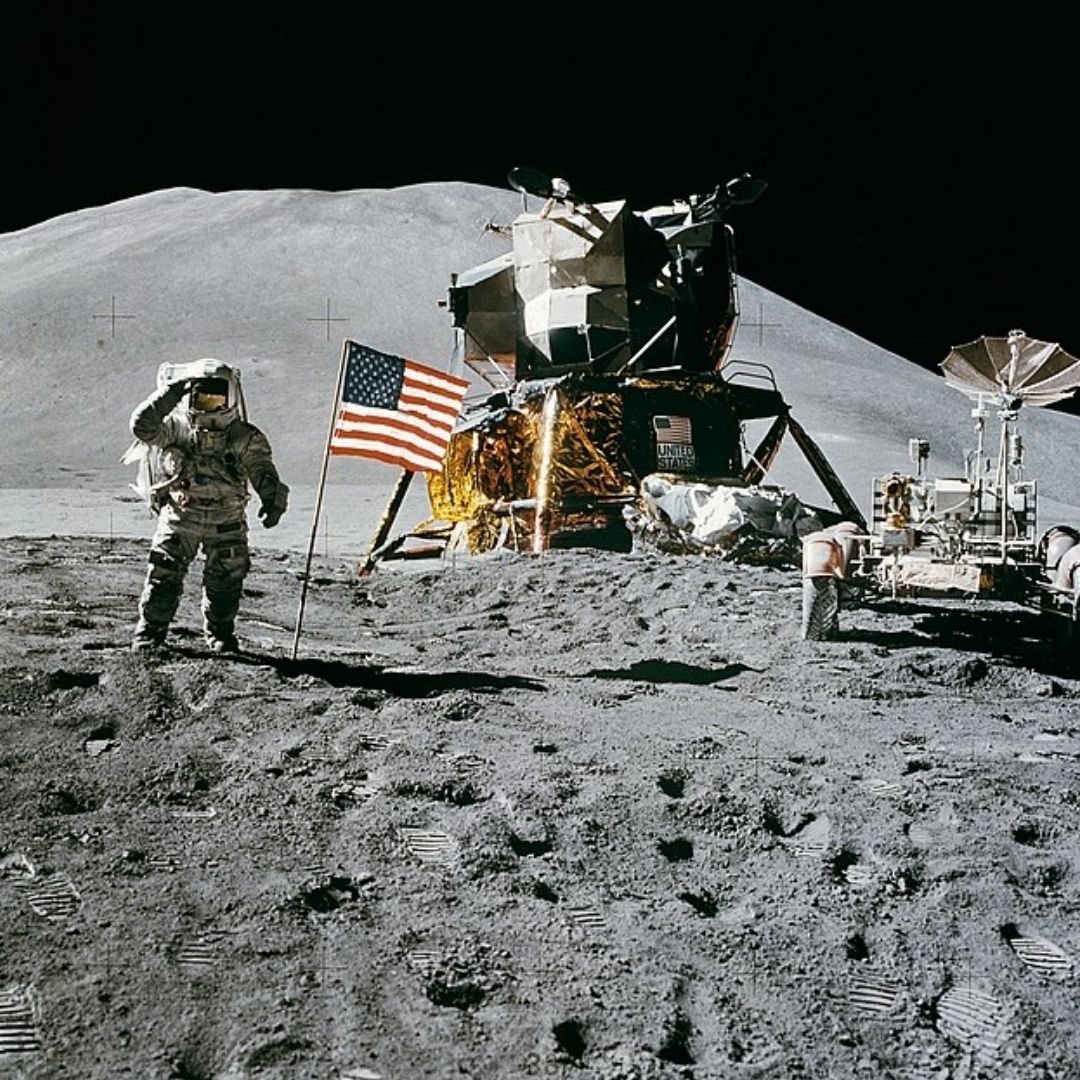
The U.S. flags placed on the Moon by NASA have likely all been bleached white by years of solar radiation. #FACT
@TheFactSite
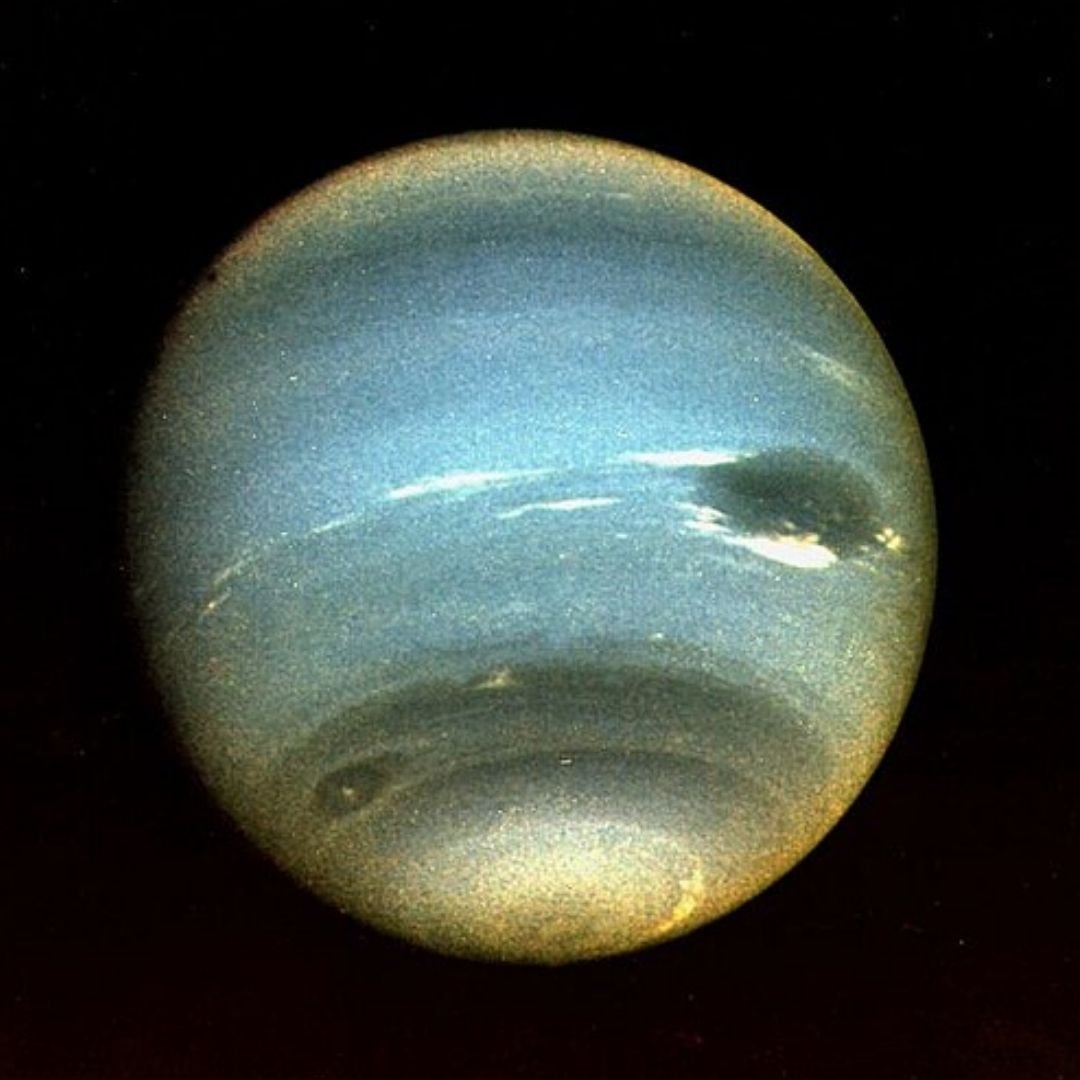
Neptune doesn’t look blue because of water; the ice giant gains its beautiful blue hue from the methane in its atmosphere. #FACT
@TheFactSite
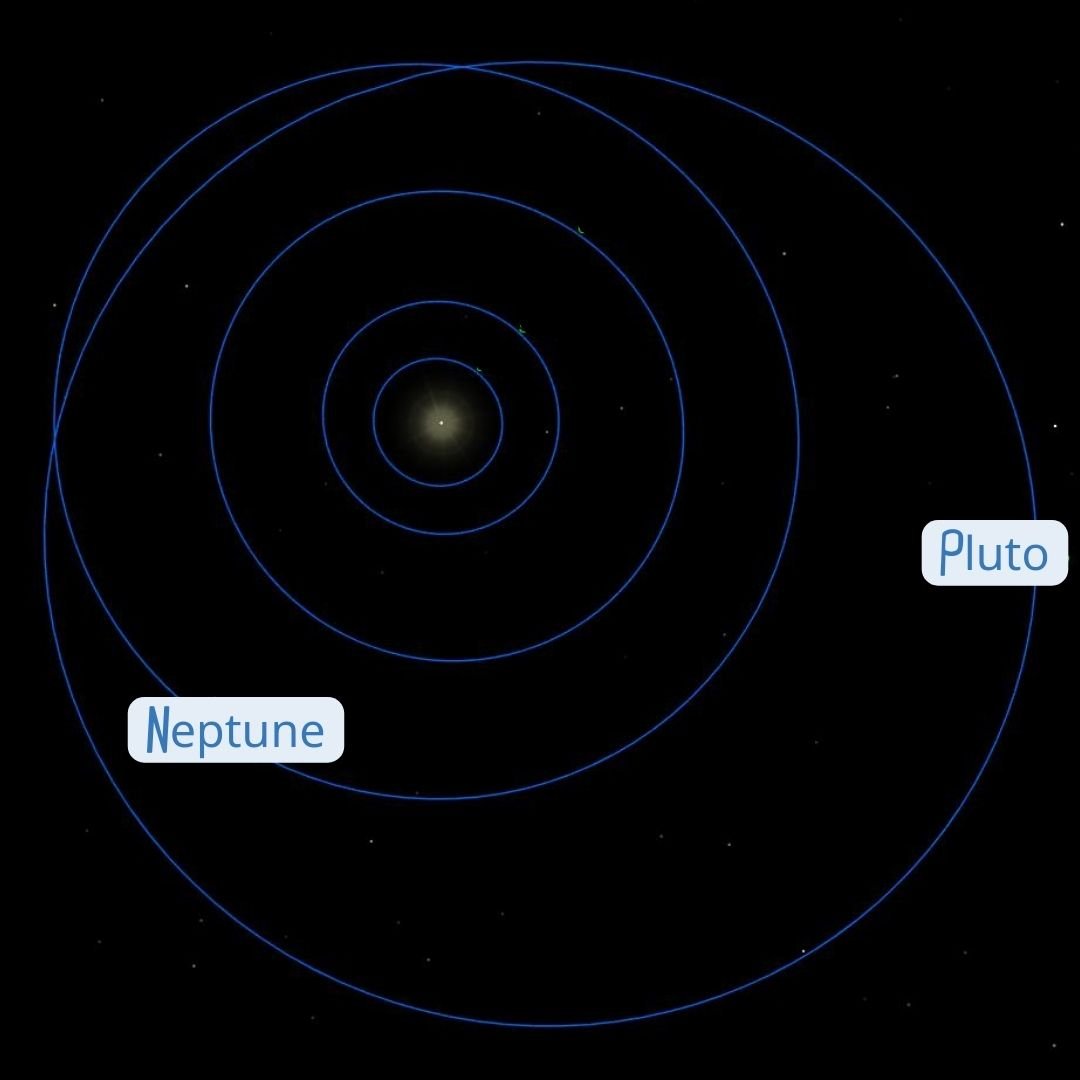
Every 248 years, Pluto spends 20 years closer to the Sun than Neptune. #FACT
@TheFactSite
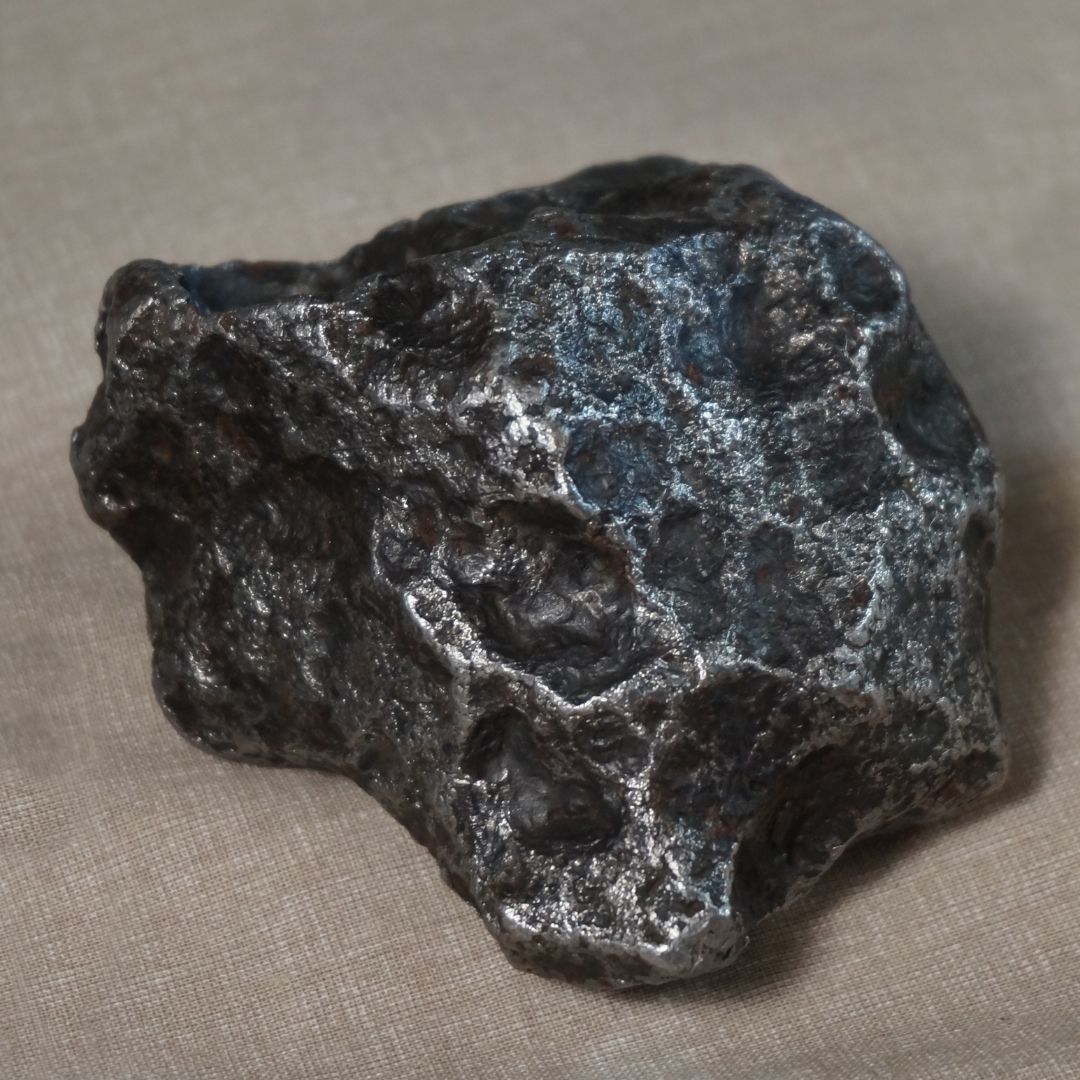
If a meteoroid makes it through Earth’s atmosphere and lands on Earth, it’s called a meteorite. Meteorites are only a fraction in size compared to the original meteoroid. #FACT
@TheFactSite
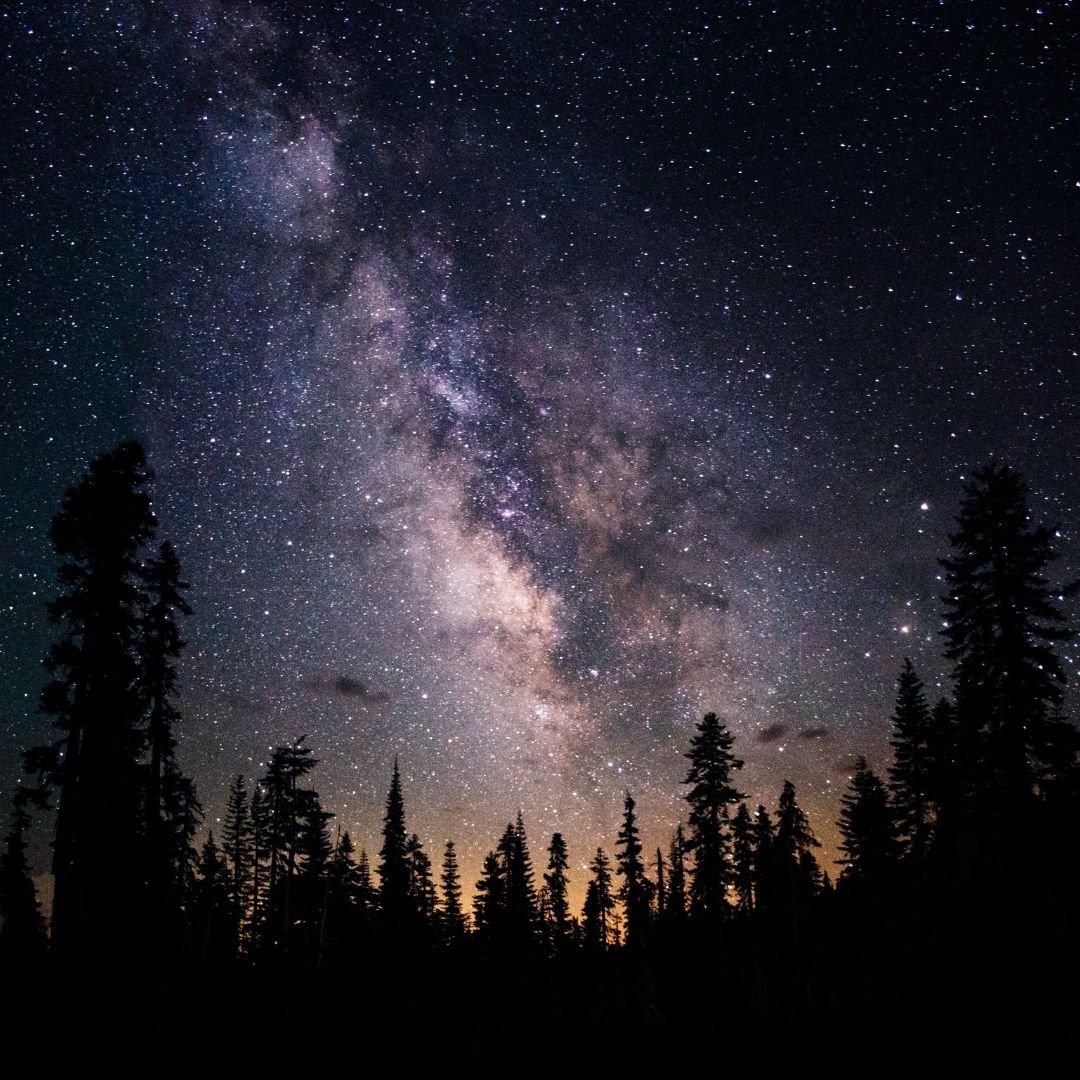
Approximately seven new stars are formed each year in the Milky Way. #FACT
@TheFactSite
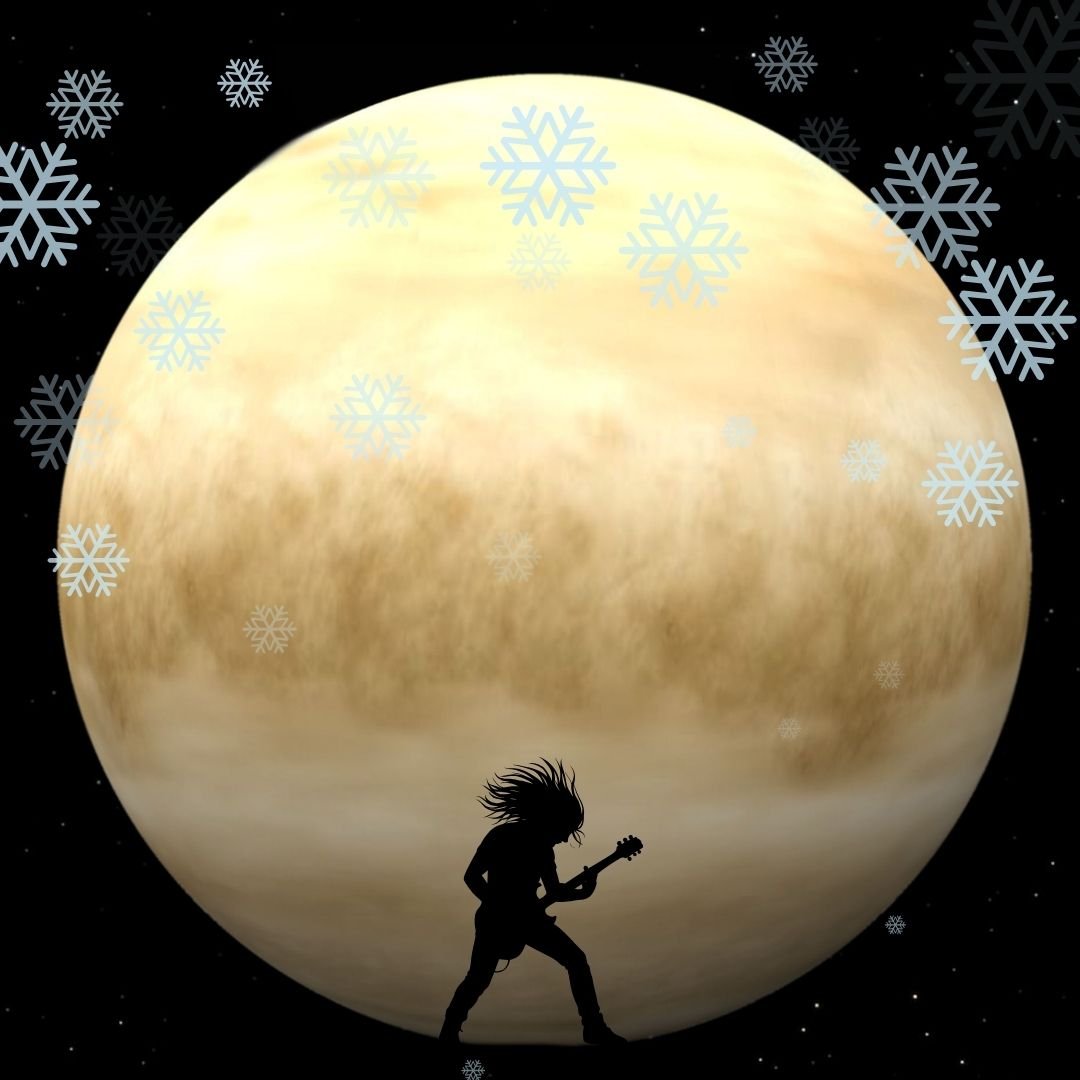
The clouds on Venus are made up of vaporized heavy metal compounds, so when it snows, it snows heavy metal. #FACT
@TheFactSite
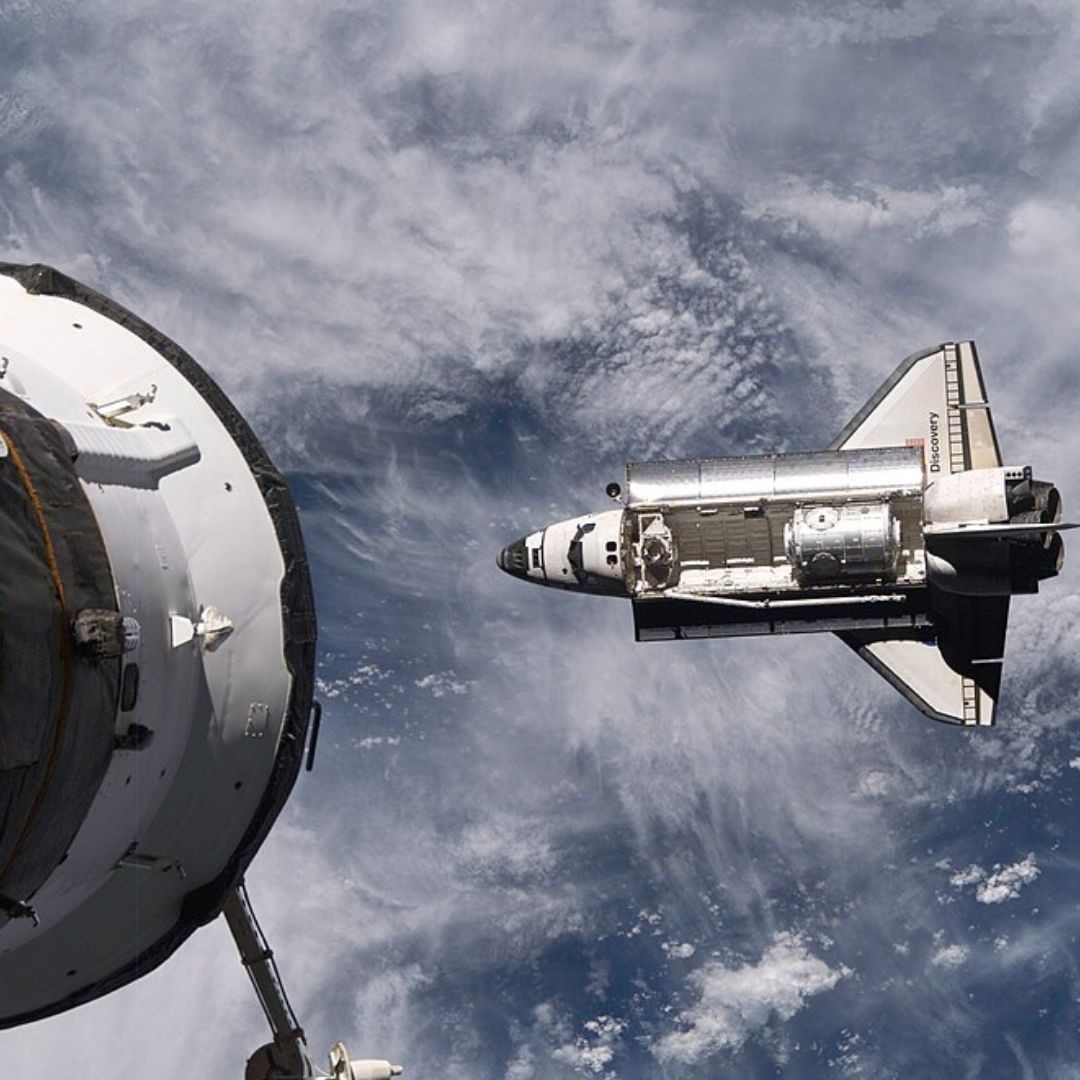
The International Space Station was launched into orbit piece by piece and assembled there, as no single rocket was powerful enough to carry the entire structure into orbit at once. #FACT
@TheFactSite
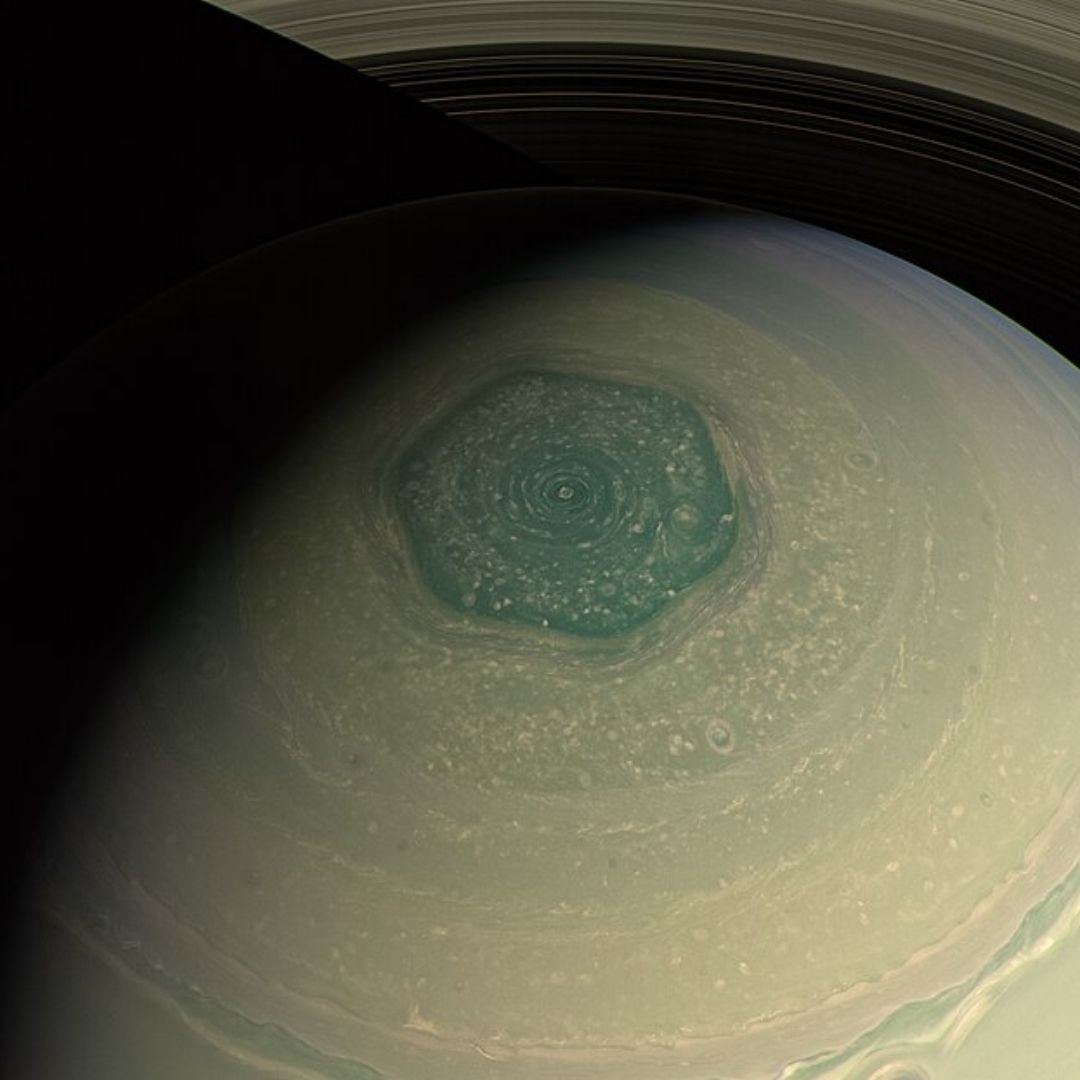
Saturn has an enormous hexagonal storm at its north pole that’s been raging away ever since it was first discovered by NASA’s Voyager mission in 1981. #FACT
@TheFactSite
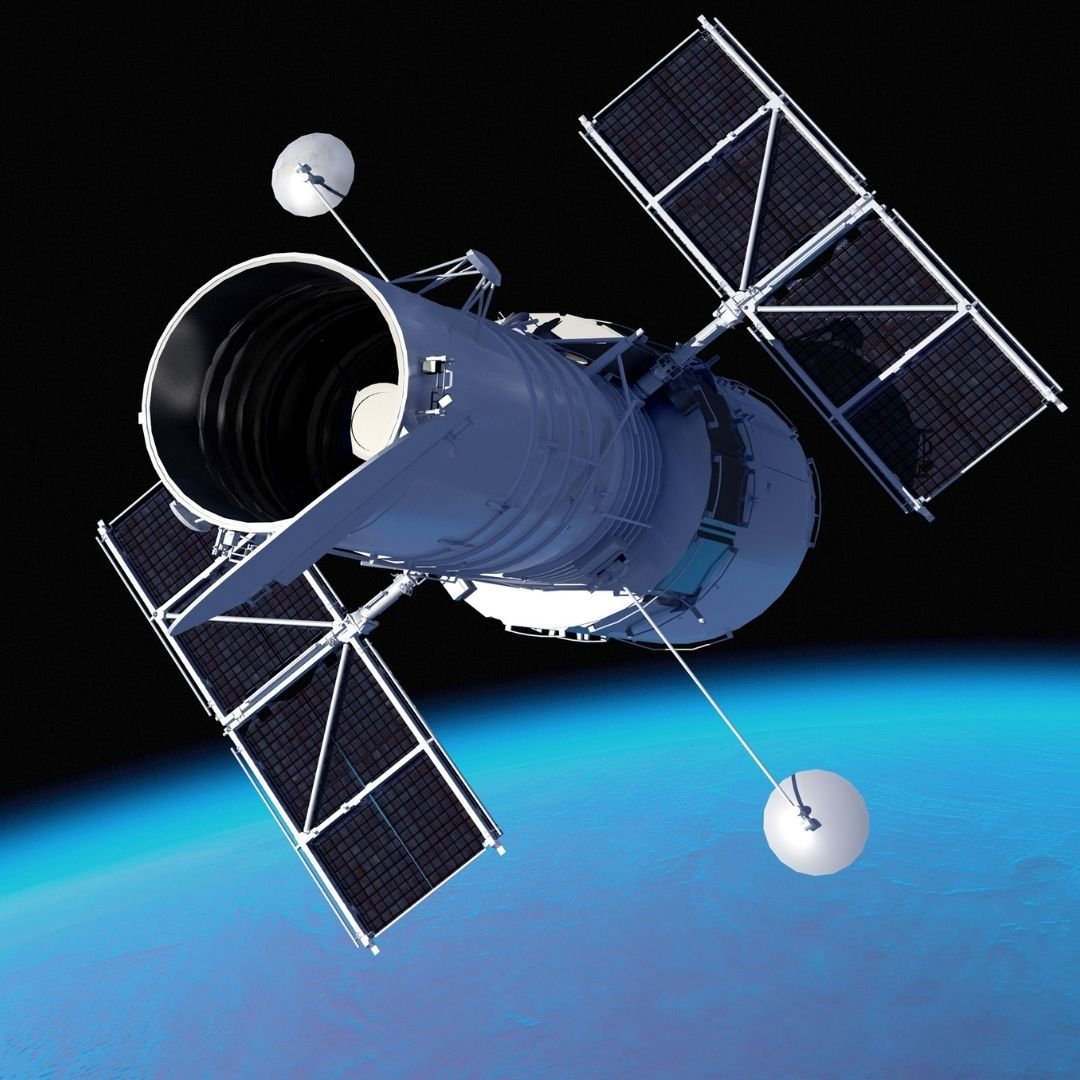
Telescopes in space work far better and are much more accurate than Earth-based telescopes, as their vision is not blurred by Earth’s atmosphere. #FACT
@TheFactSite
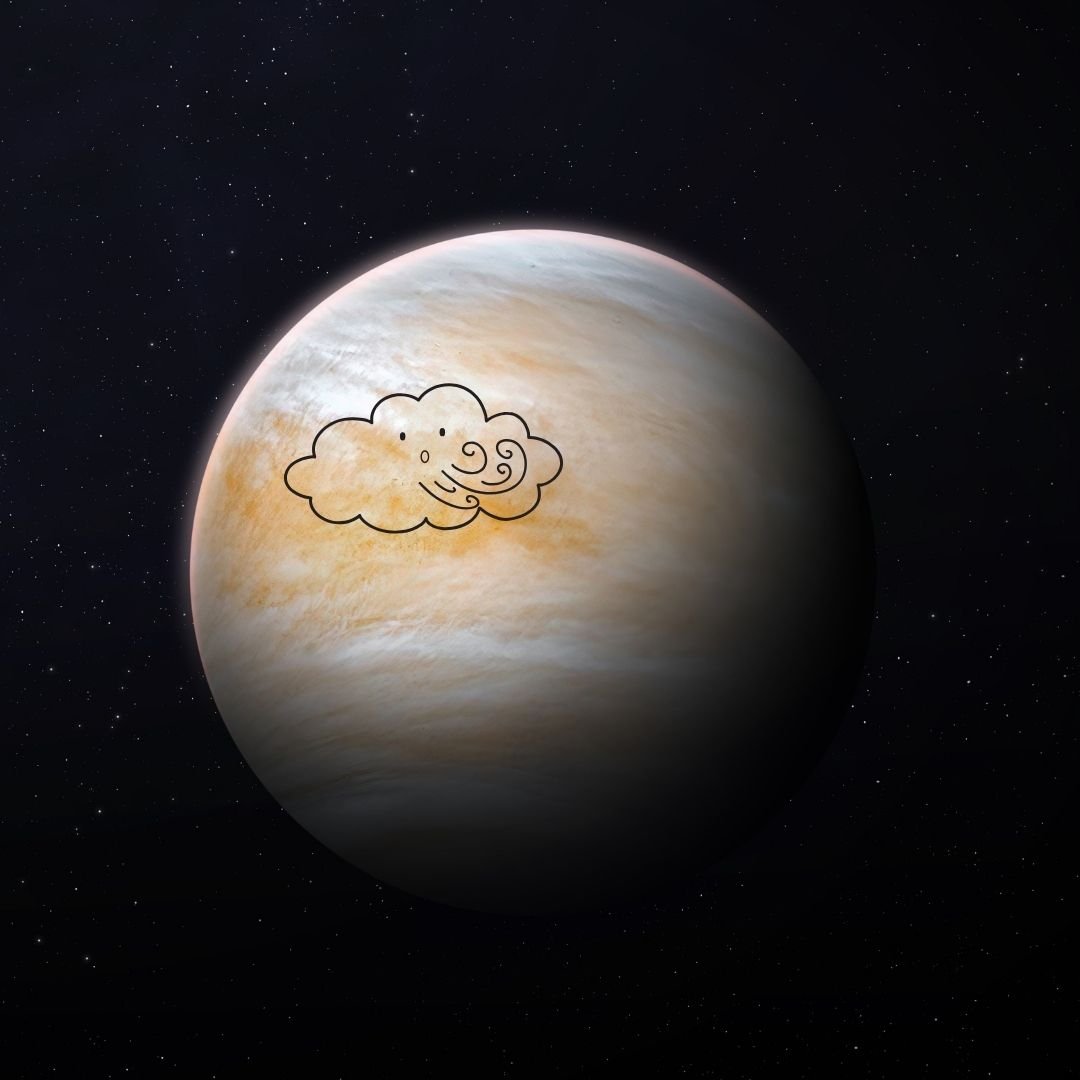
The wind on Venus can often reach speeds as high as 450 mph (724 km/h). #FACT
@TheFactSite
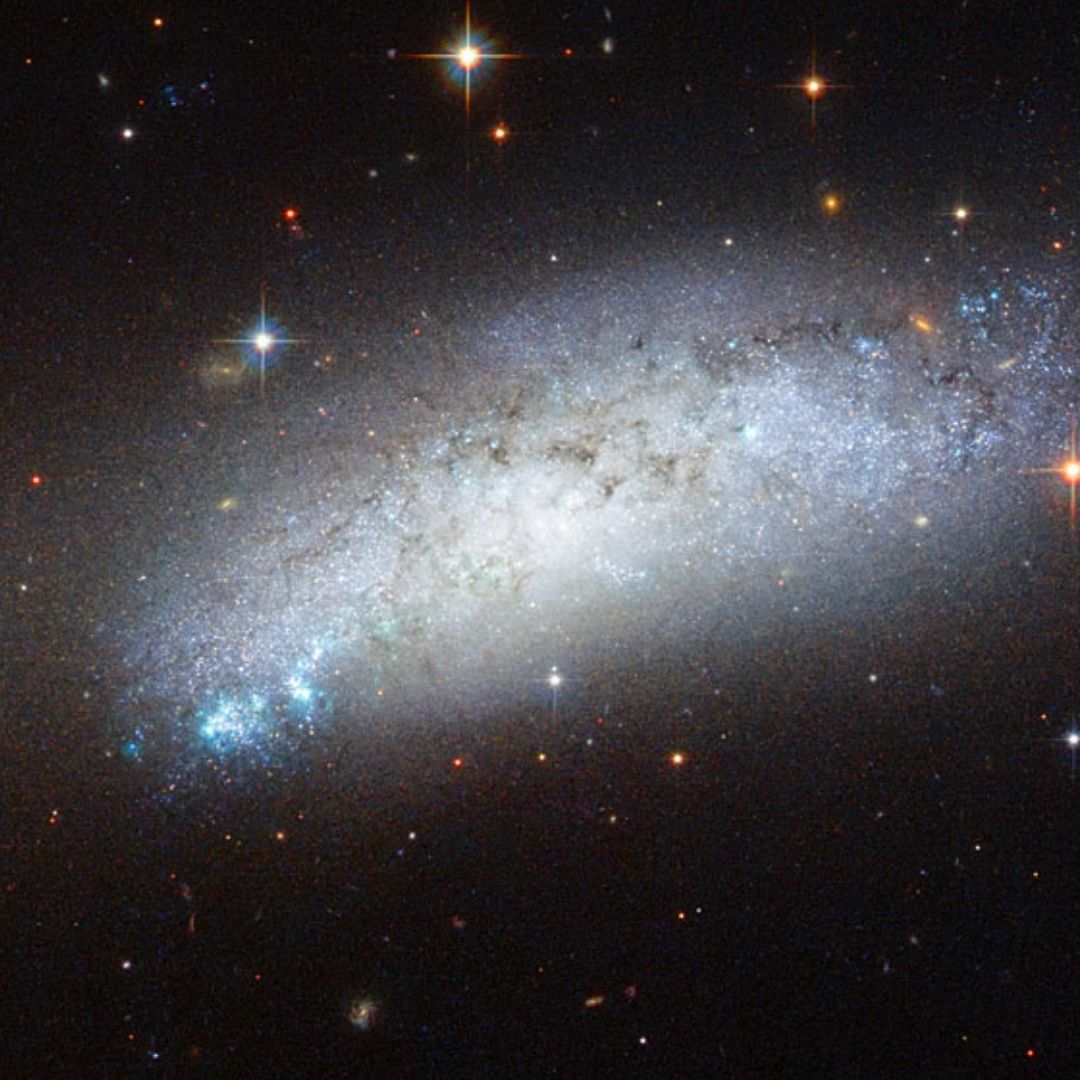
Galaxies are just giant collections of gas, dust, stars, and planets held together by gravity. #FACT
@TheFactSite
The International Astronomical Union (IAU) is the governing body that decides on the names of stars. #FACT
@TheFactSite
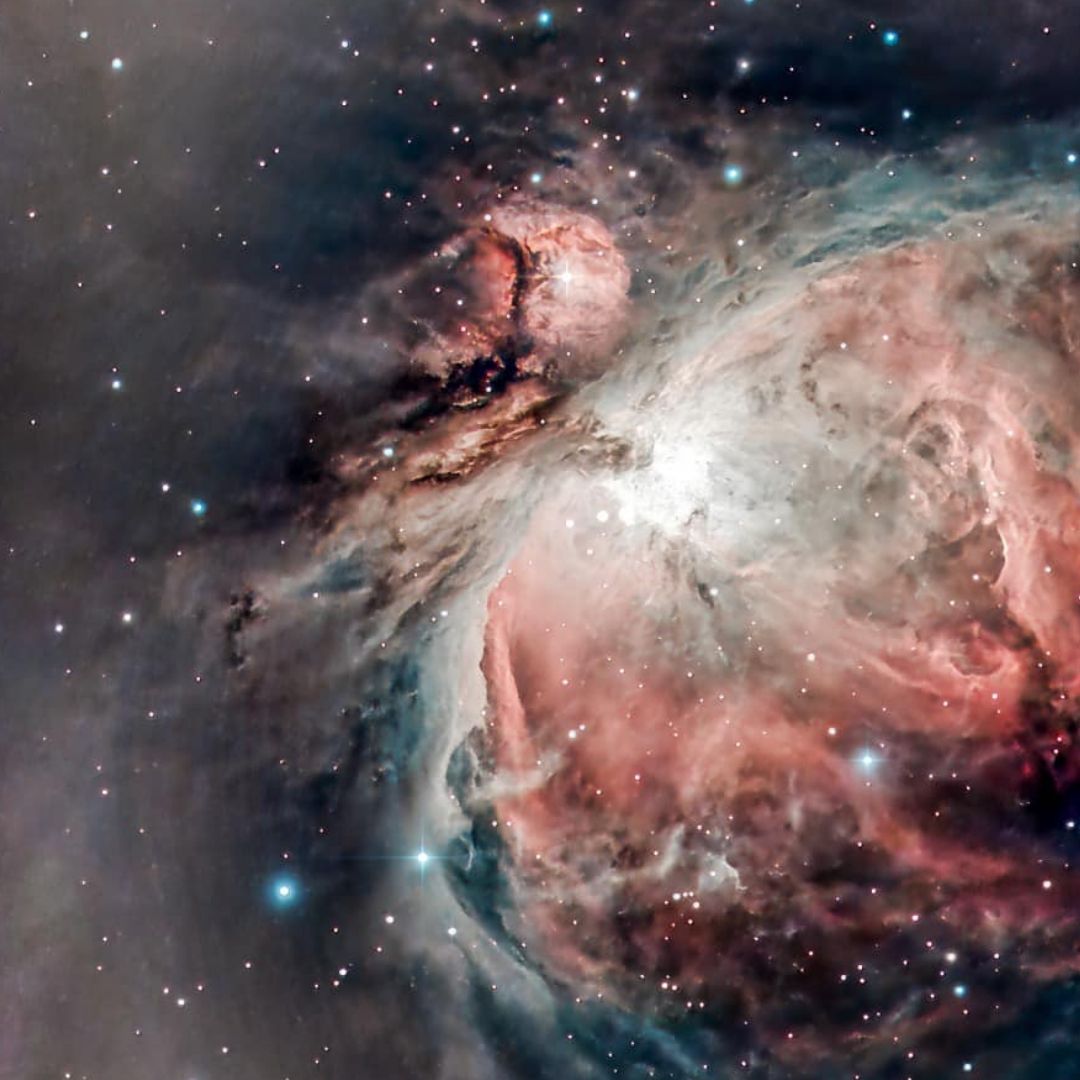
The Orion Nebula, in the Orion constellation, is a giant cloud of gas that’s constantly forming new stars. #FACT
@TheFactSite
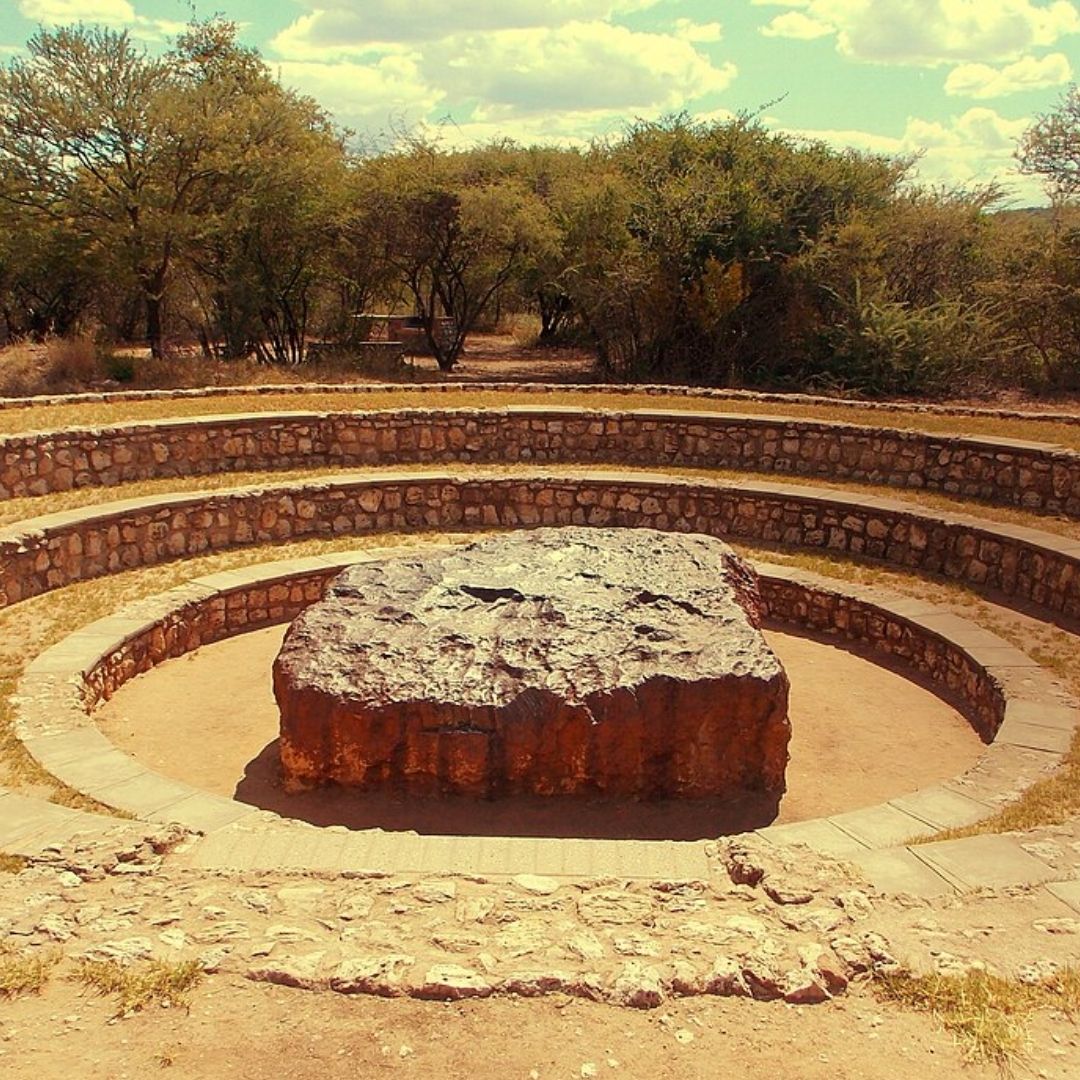
The largest known intact meteorite is Hoba, a 66-ton (60 metric tons) hunk of iron. It landed on Earth approximately 80,000 years ago in Namibia and has remained in place ever since. #FACT
@TheFactSite
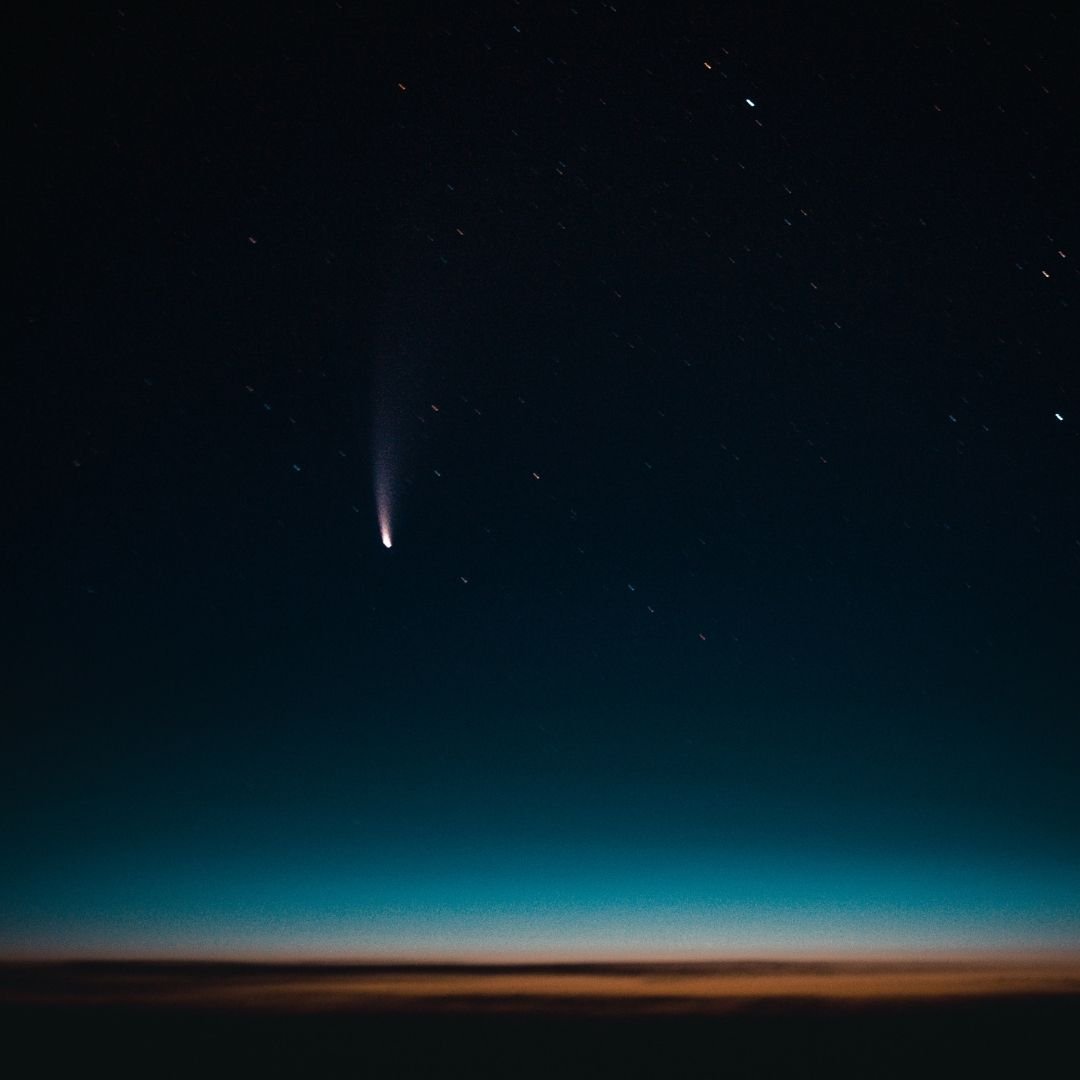
The smallest asteroid recognized by NASA is the 6-foot (2 m) wide asteroid 2015 TC25. #FACT
@TheFactSite
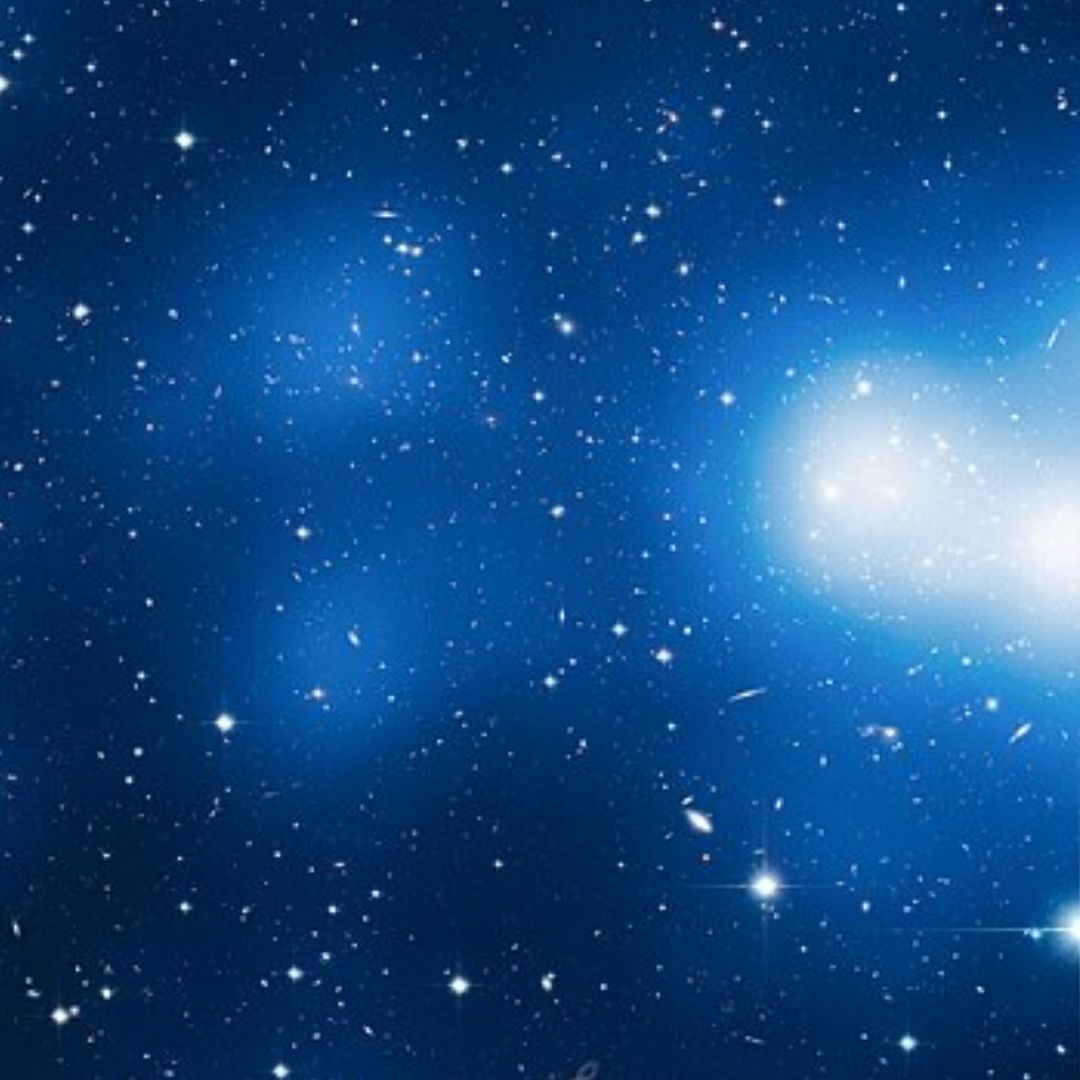
The largest known structure in the universe is the Hercules-Corona Borealis Great Wall, a vast cosmic filament composed of galaxies that spans over 10 billion light-years. #FACT
@TheFactSite
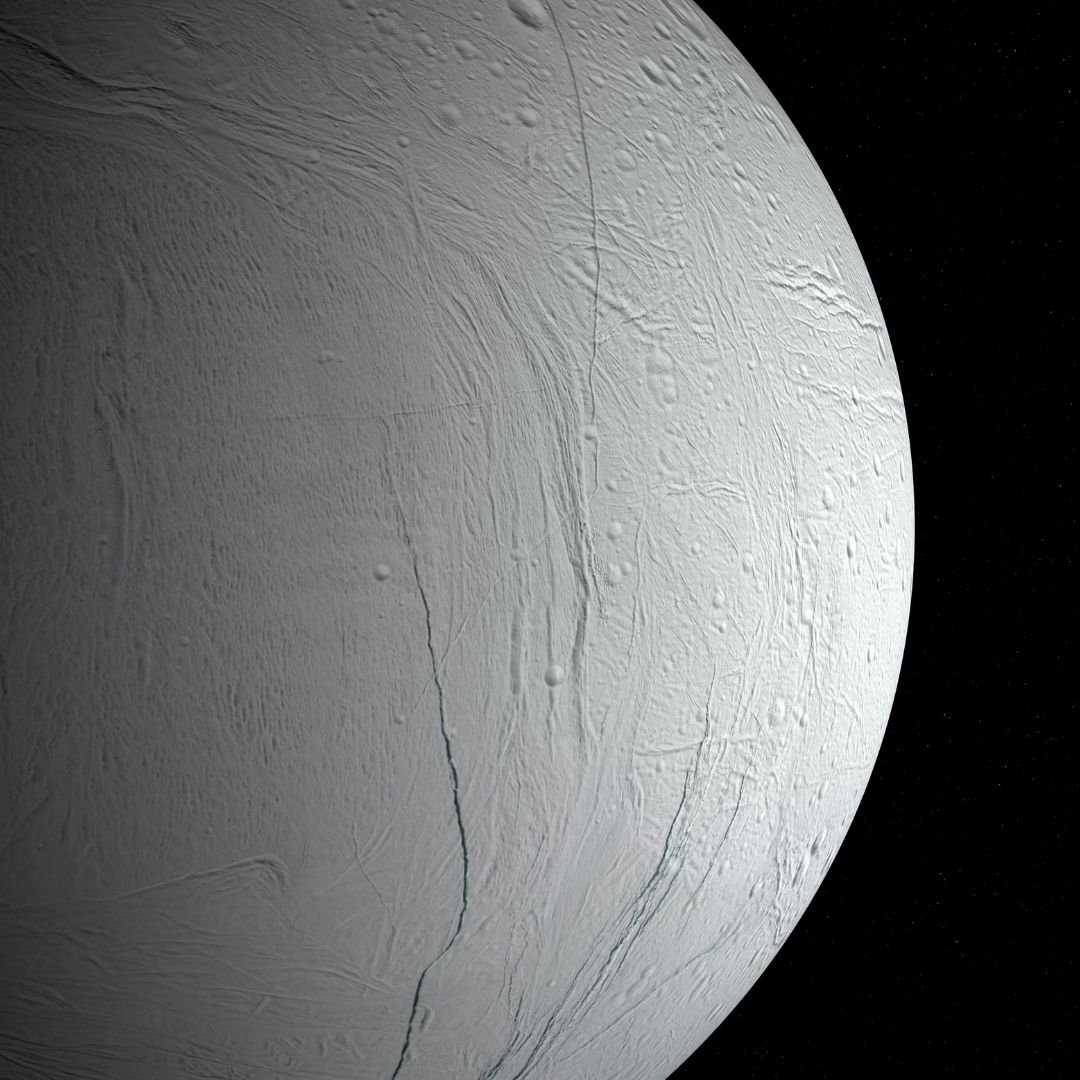
The south pole of Enceladus, one of Saturn’s moons, is covered in long, parallel fissures nicknamed “tiger stripes.” #FACT
@TheFactSite
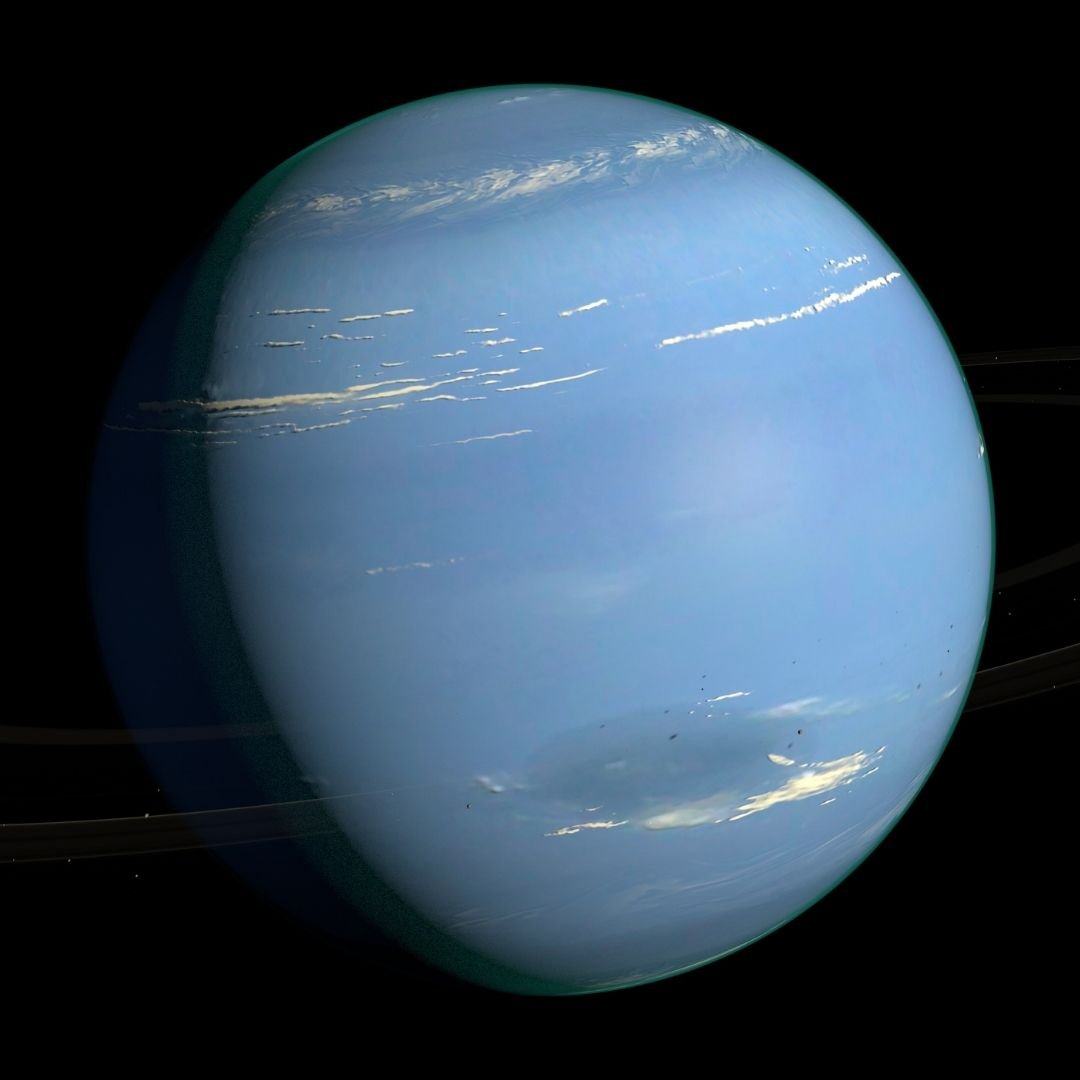
Neptune is home to the strongest winds in the entire Solar System, with speeds clocking in as fast as 1,200 miles per hour (1,930 km/h). #FACT
@TheFactSite
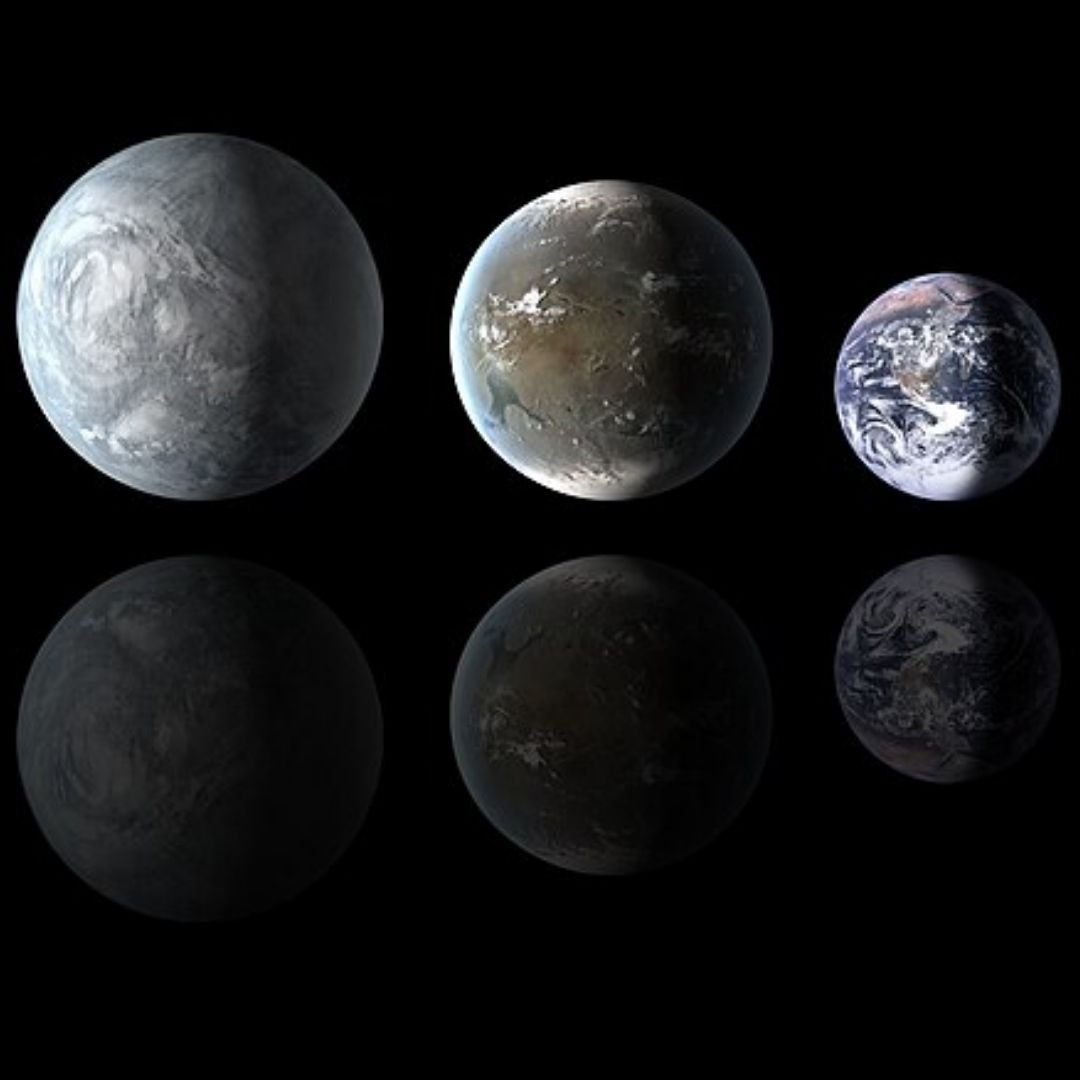
A super-Earth is a planet with less mass than icy giants such as Uranus or Neptune but more mass than Earth. #FACT
@TheFactSite
When looked at from space, stars don’t twinkle, as there’s no atmosphere in the way to distort their light. #FACT
@TheFactSite
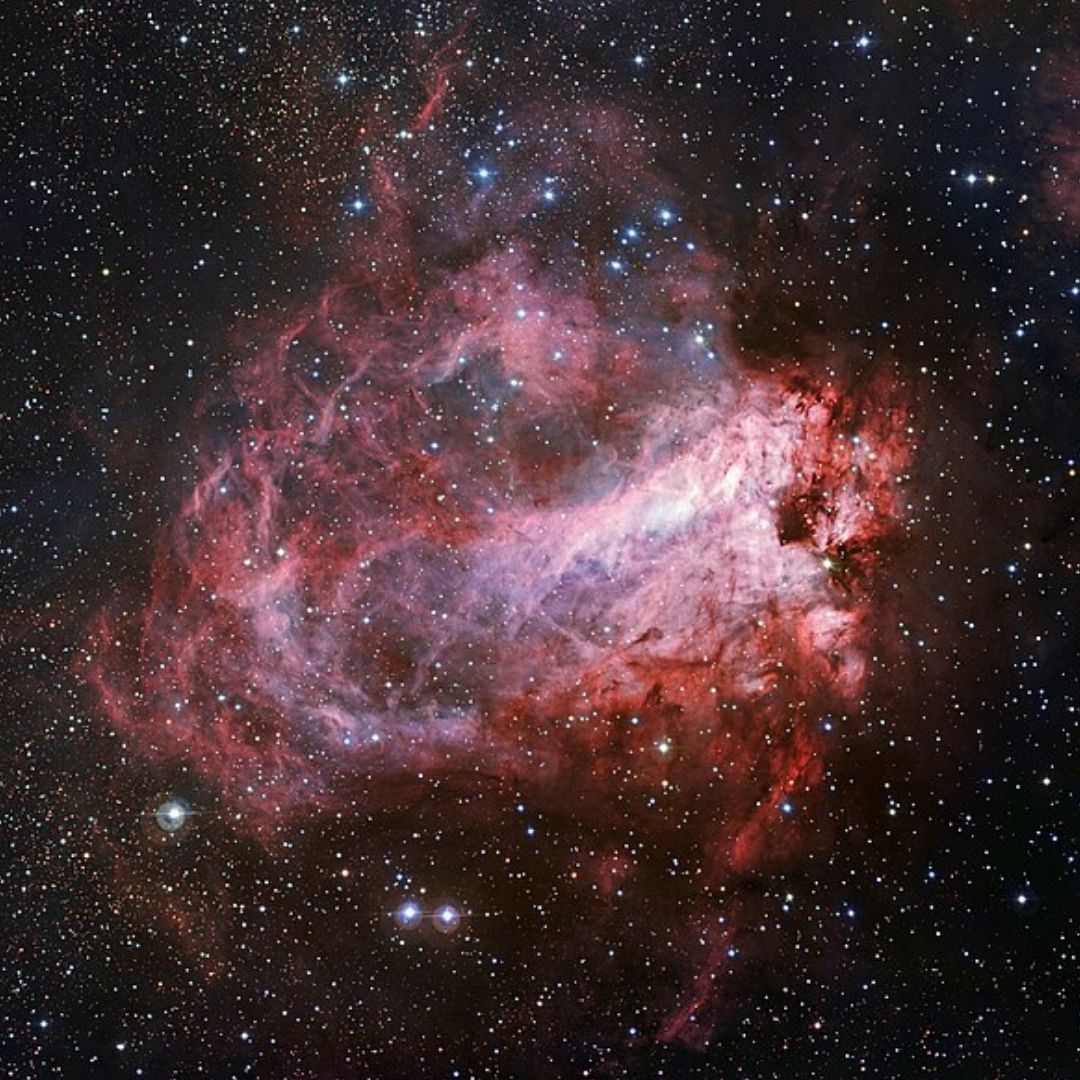
The Omega Nebula, measuring 15 light-years across, is one of the largest star-forming regions in the Milky Way. #FACT
@TheFactSite
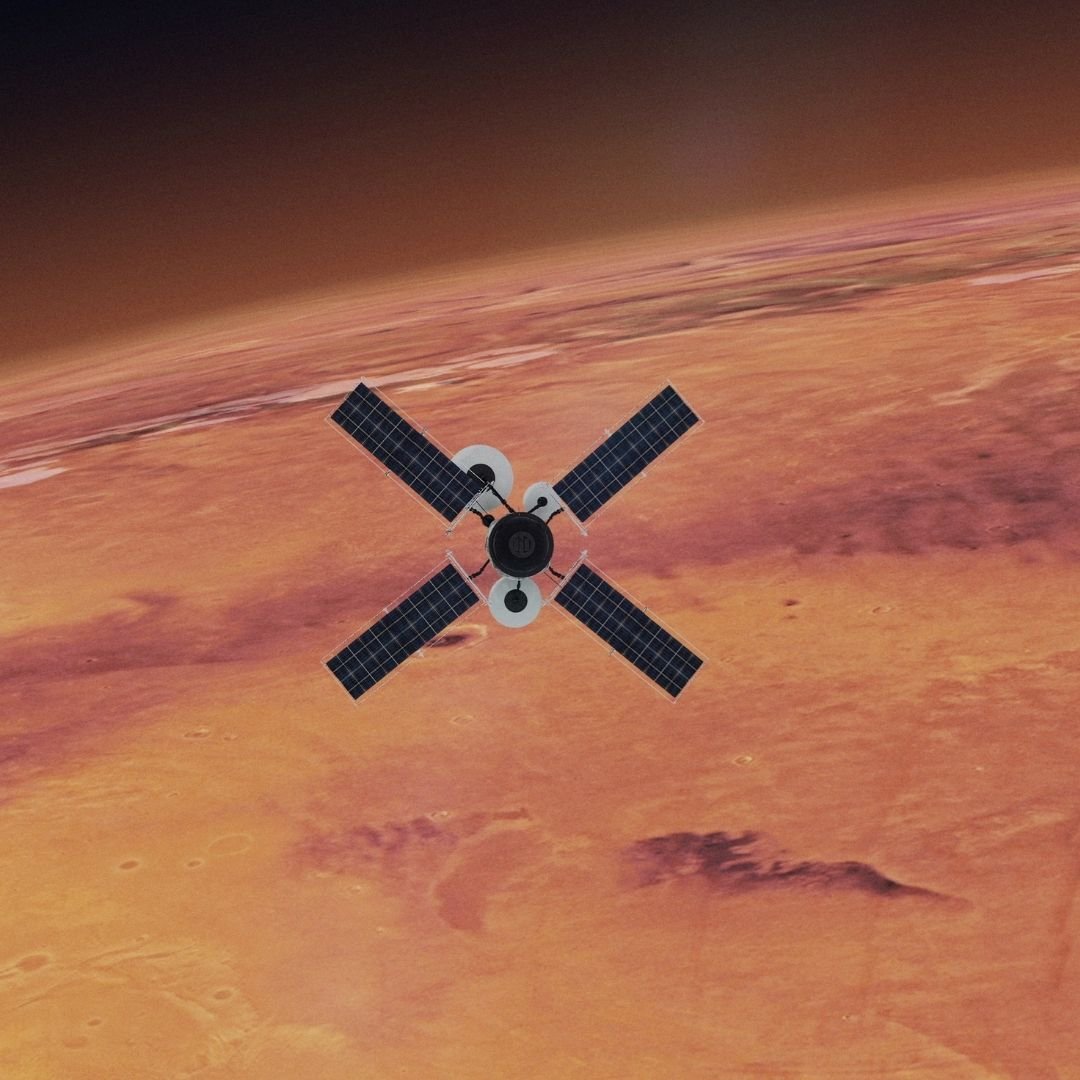
Besides Earth, Mars has more spacecraft operating on and around it than any other planet. #FACT
@TheFactSite
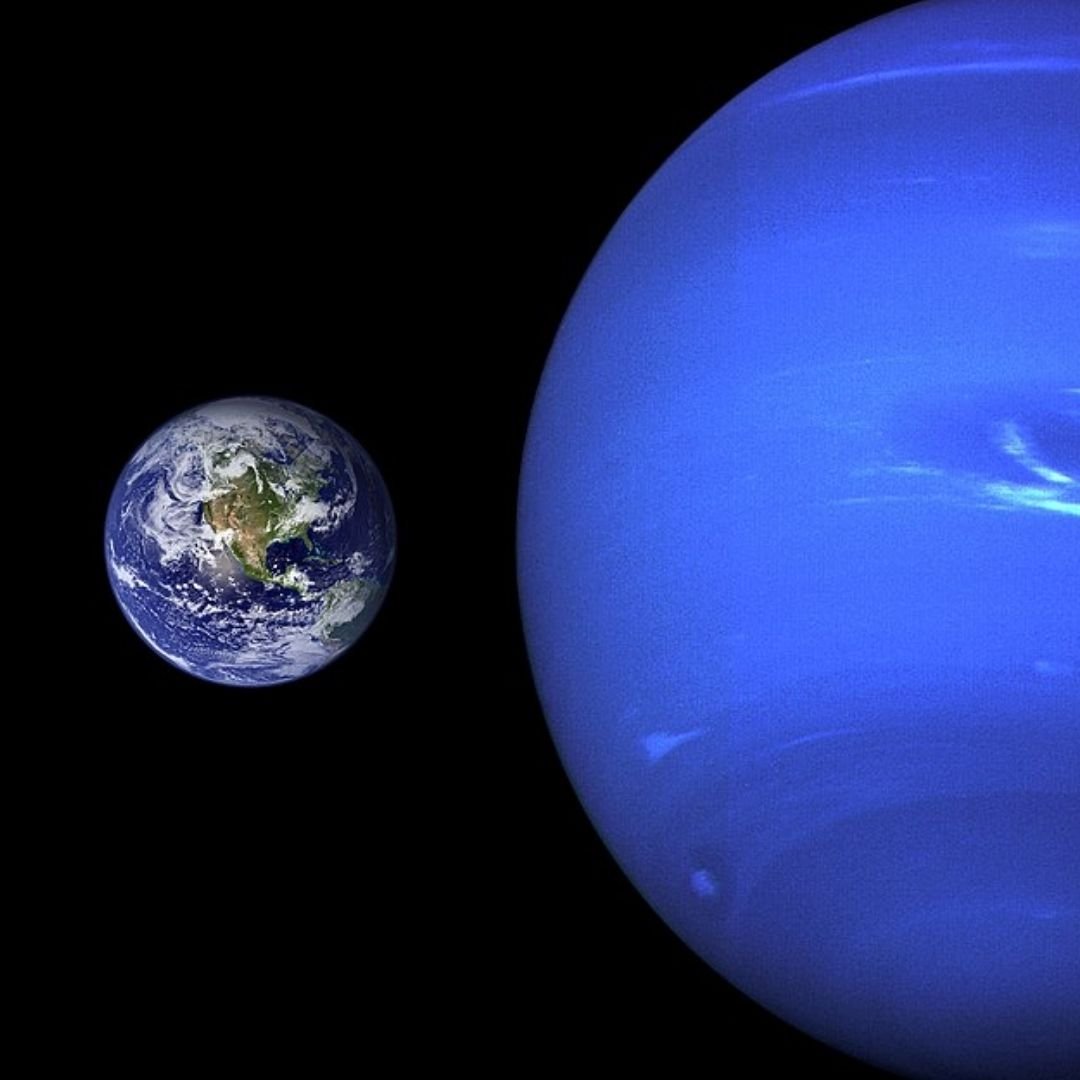
Neptune is the next largest planet after Earth, but the two differ greatly in size, as Neptune’s diameter is nearly four times that of Earth. #FACT
@TheFactSite
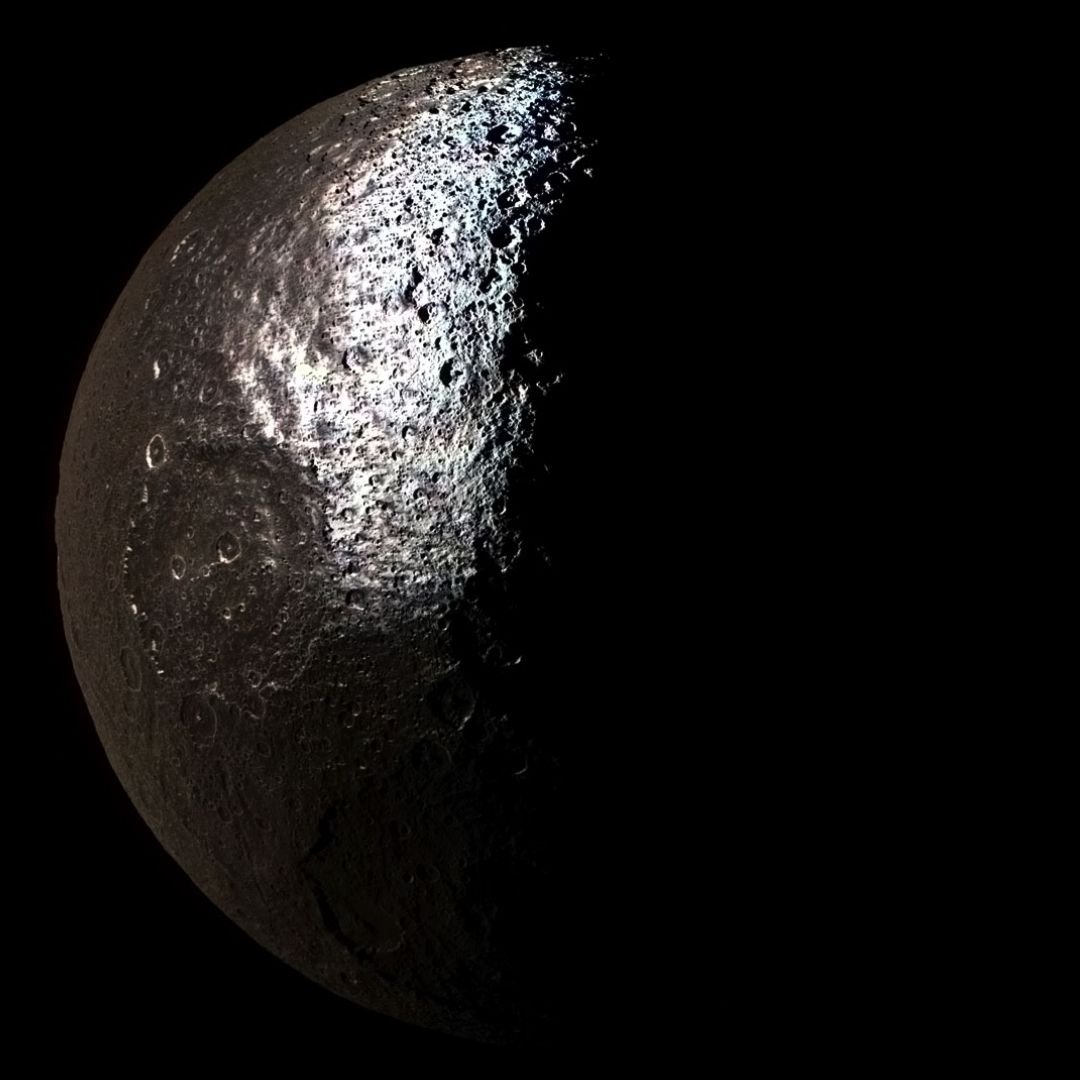
Iapetus, one of Saturn’s many moons, is perfectly two-tone: one half is bright and reflective, and the other half is dark and mysterious. #FACT
@TheFactSite
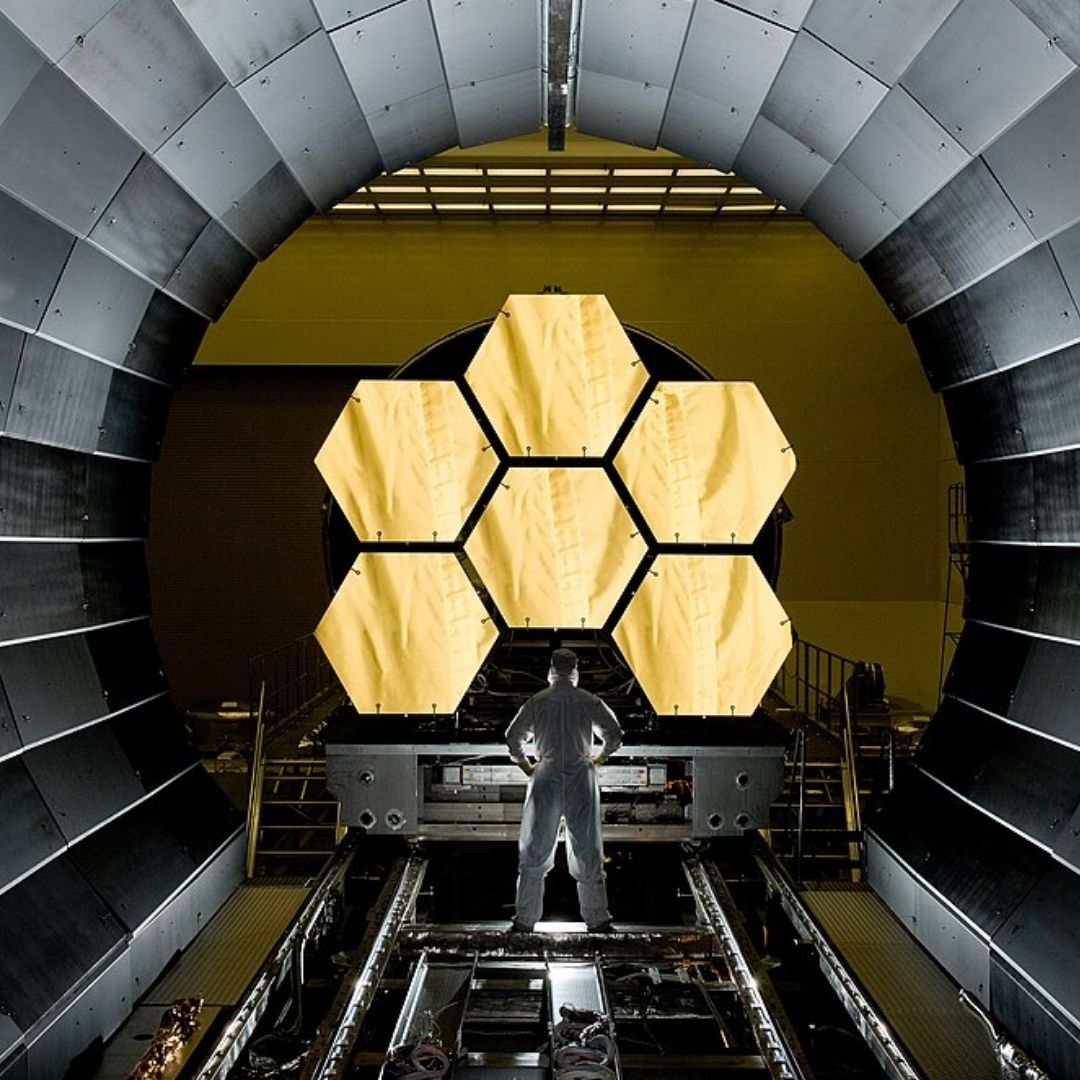
The James Webb Space Telescope, launched in December 2021, cost $10 billion, a figure that includes design, construction, and a portion of the operating costs. #FACT
@TheFactSite
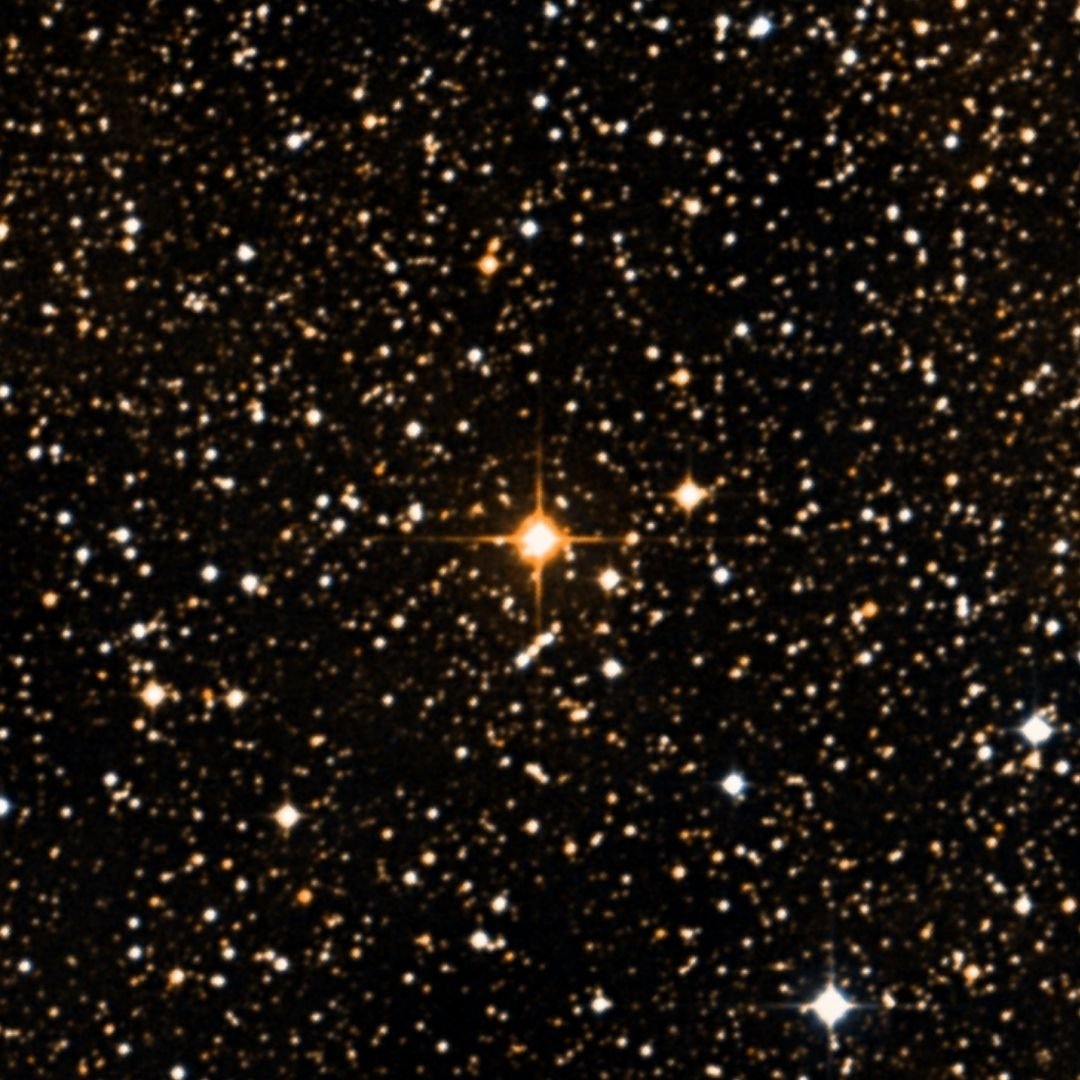
With a width of 738 million miles (1.2 billion kilometers), the largest known star in the Milky Way is UY Scuti, a red supergiant star that’s 1,700 times larger than the Sun. #FACT
@TheFactSite
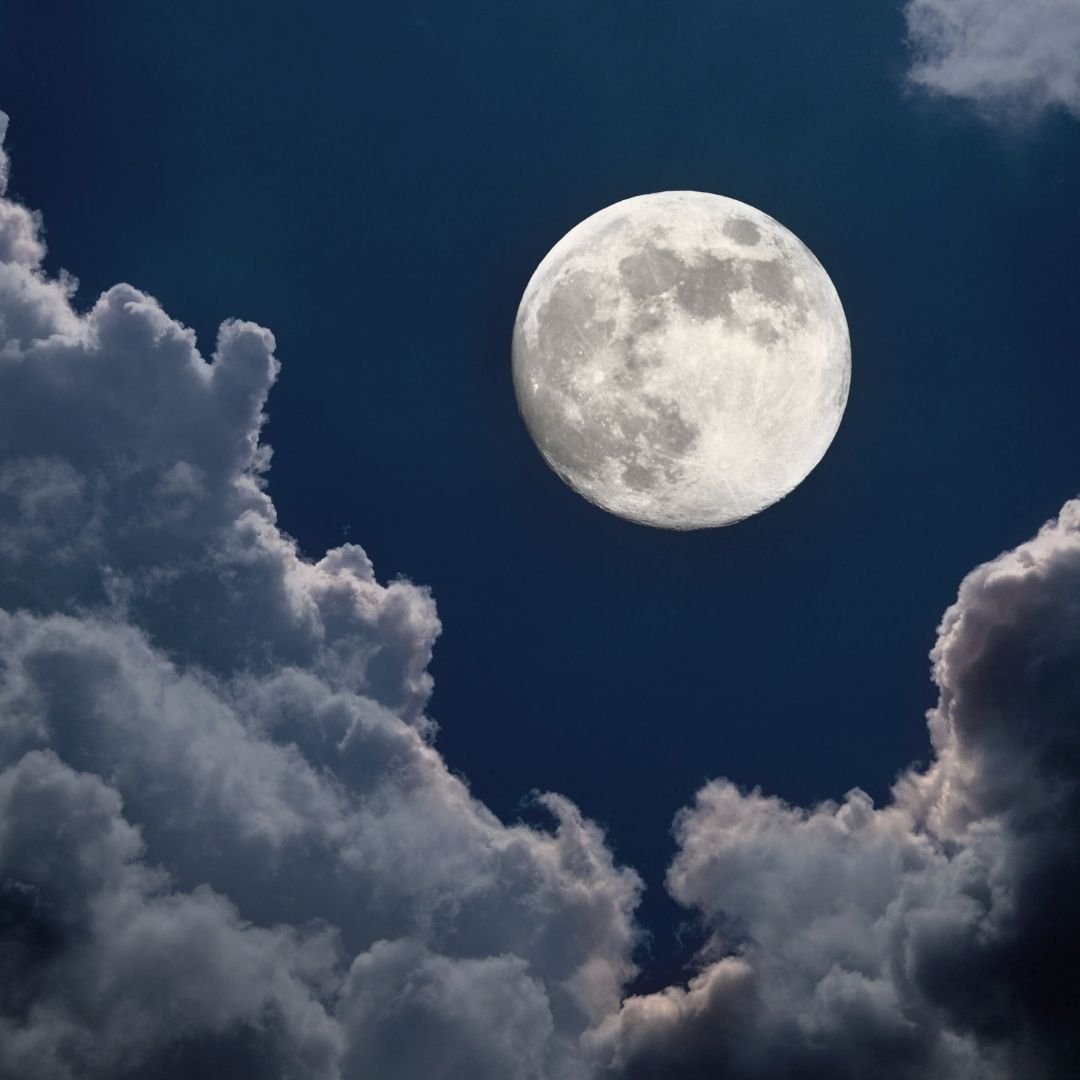
Earth is the only planet in the Solar System with just one moon. #FACT
@TheFactSite
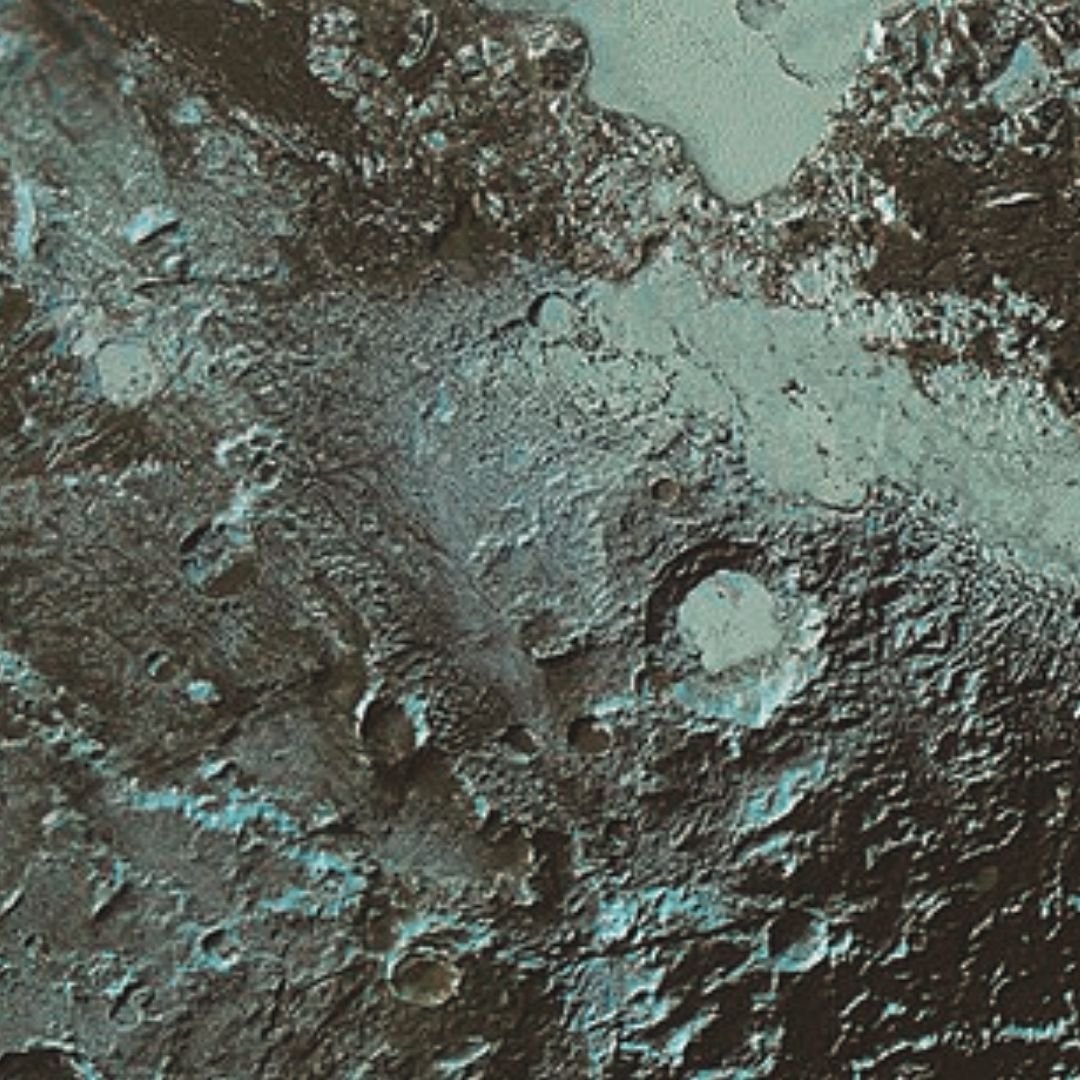
Pluto is a frozen wasteland, but it’s not just covered in frozen water. The dwarf planet is also made up of frozen nitrogen, carbon monoxide, and methane. #FACT
@TheFactSite
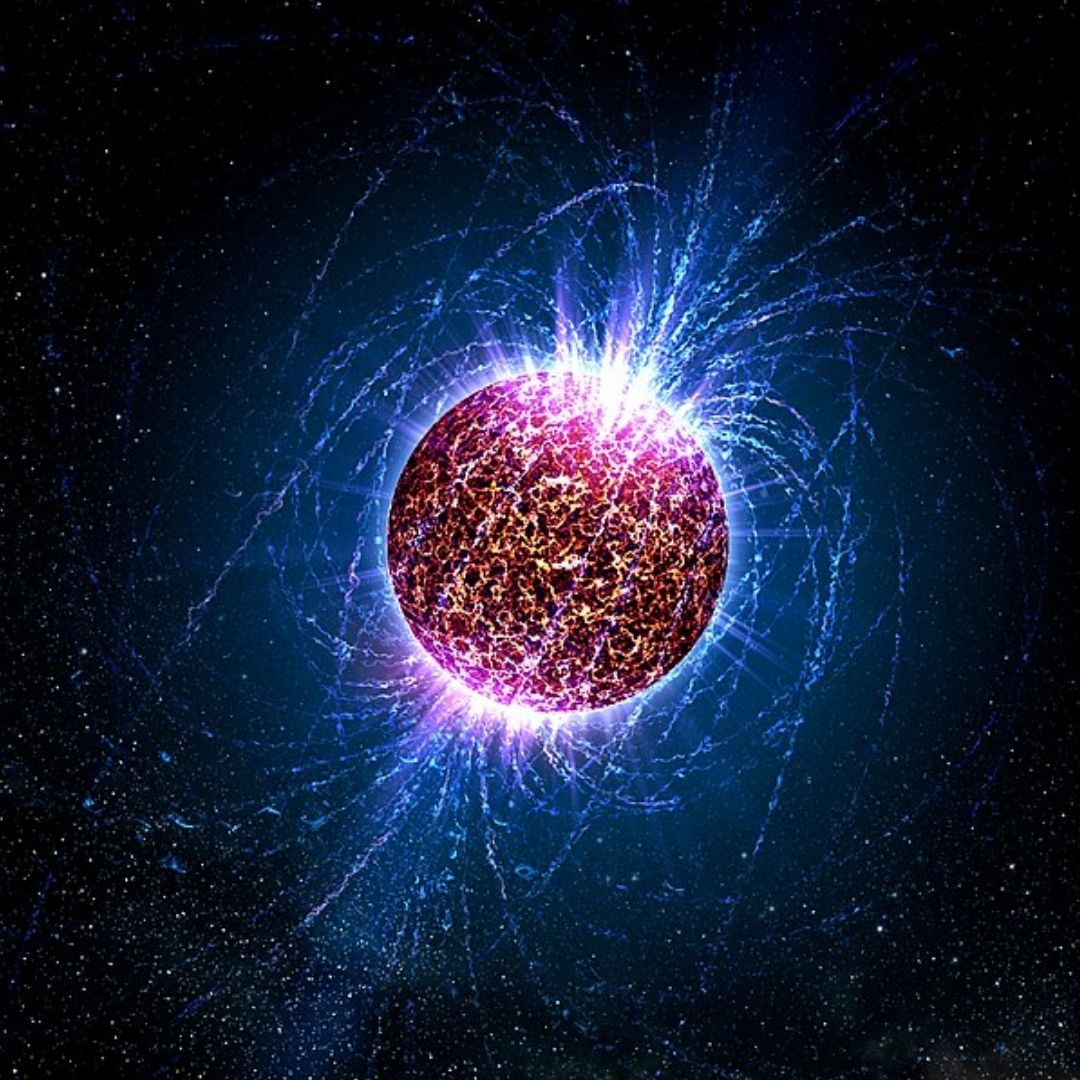
Neutron stars can spin up to 43,000 times per minute. That’s over 700 times per second! #FACT
@TheFactSite
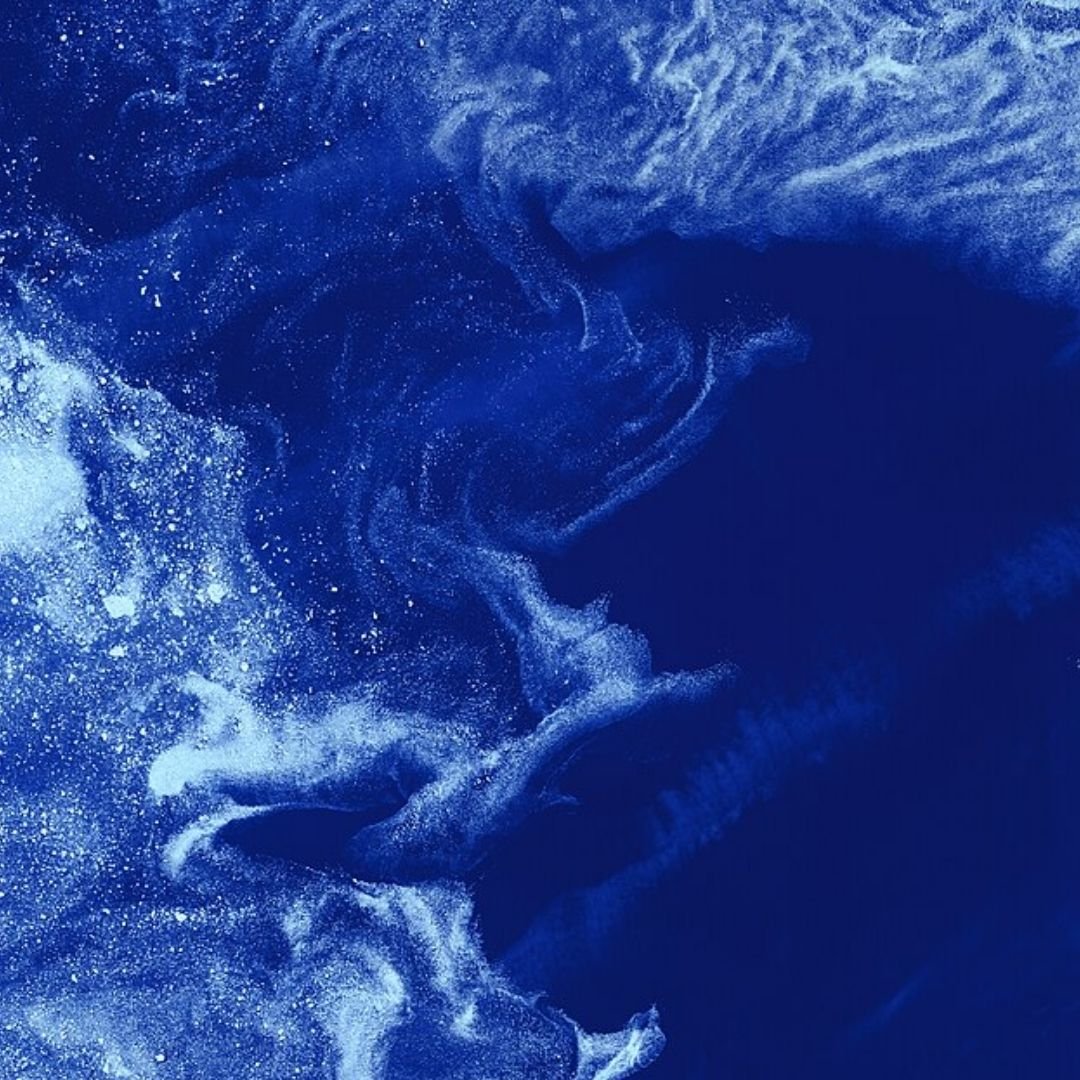
Up to half of Earth’s water formed before the Sun, originating from interstellar ices in the molecular cloud that birthed our solar system. #FACT
@TheFactSite
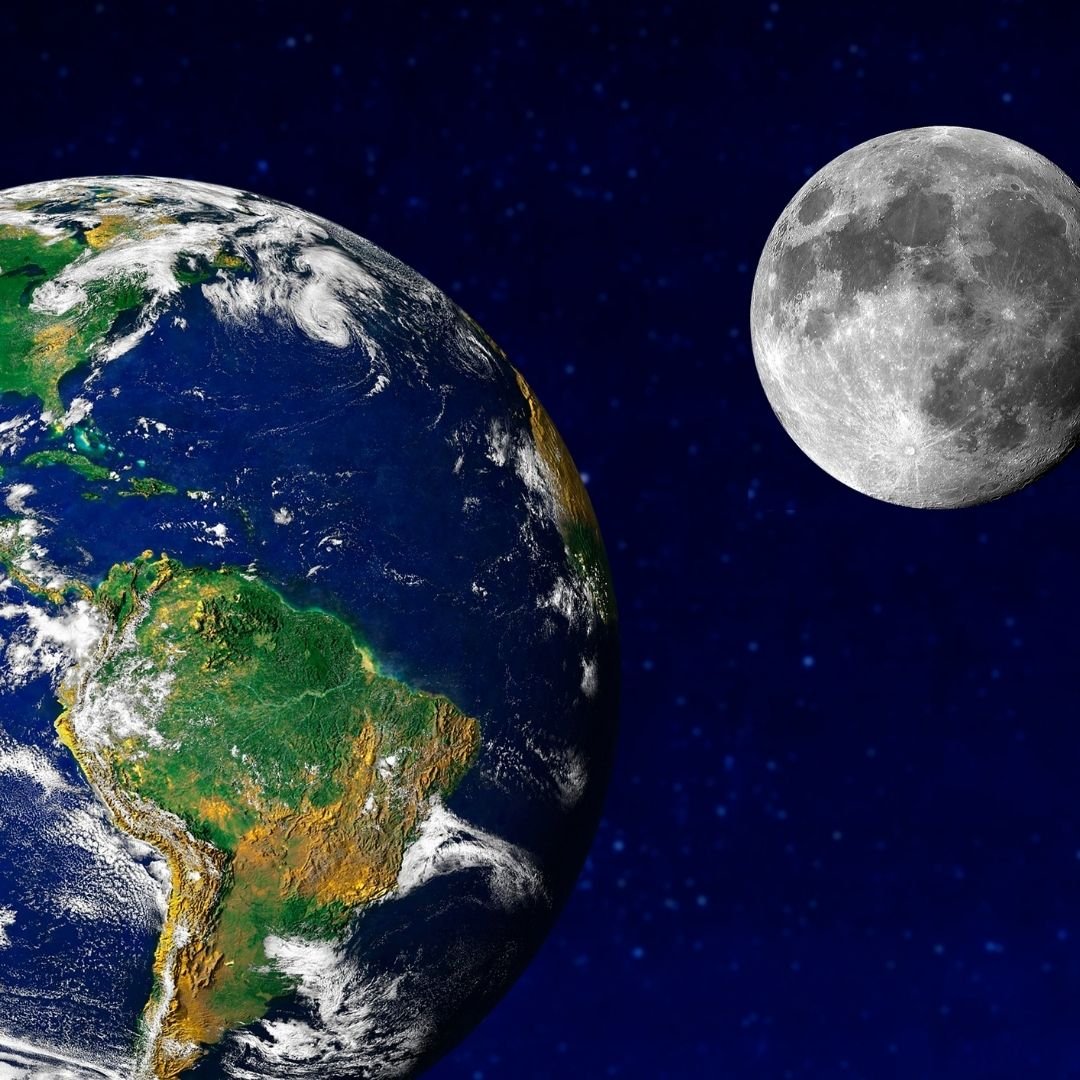
Earth’s diameter is about 3.7 times that of the Moon, but it has roughly 50 times more volume and 81 times more mass. #FACT
@TheFactSite
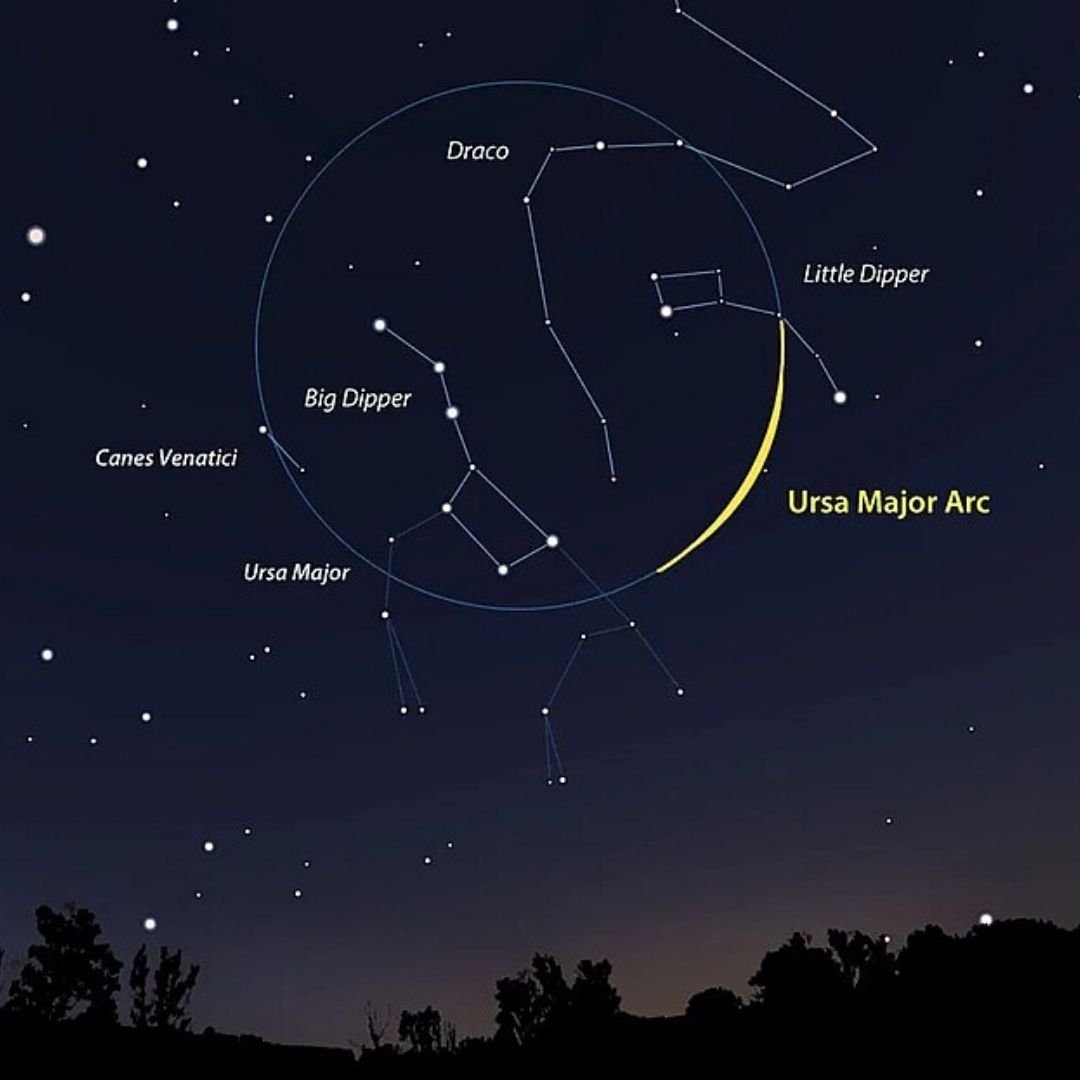
The Big Dipper is classified as a recognizable cluster of stars, known as an asterism, rather than a constellation, as it is part of the much larger Ursa Major constellation. #FACT
@TheFactSite
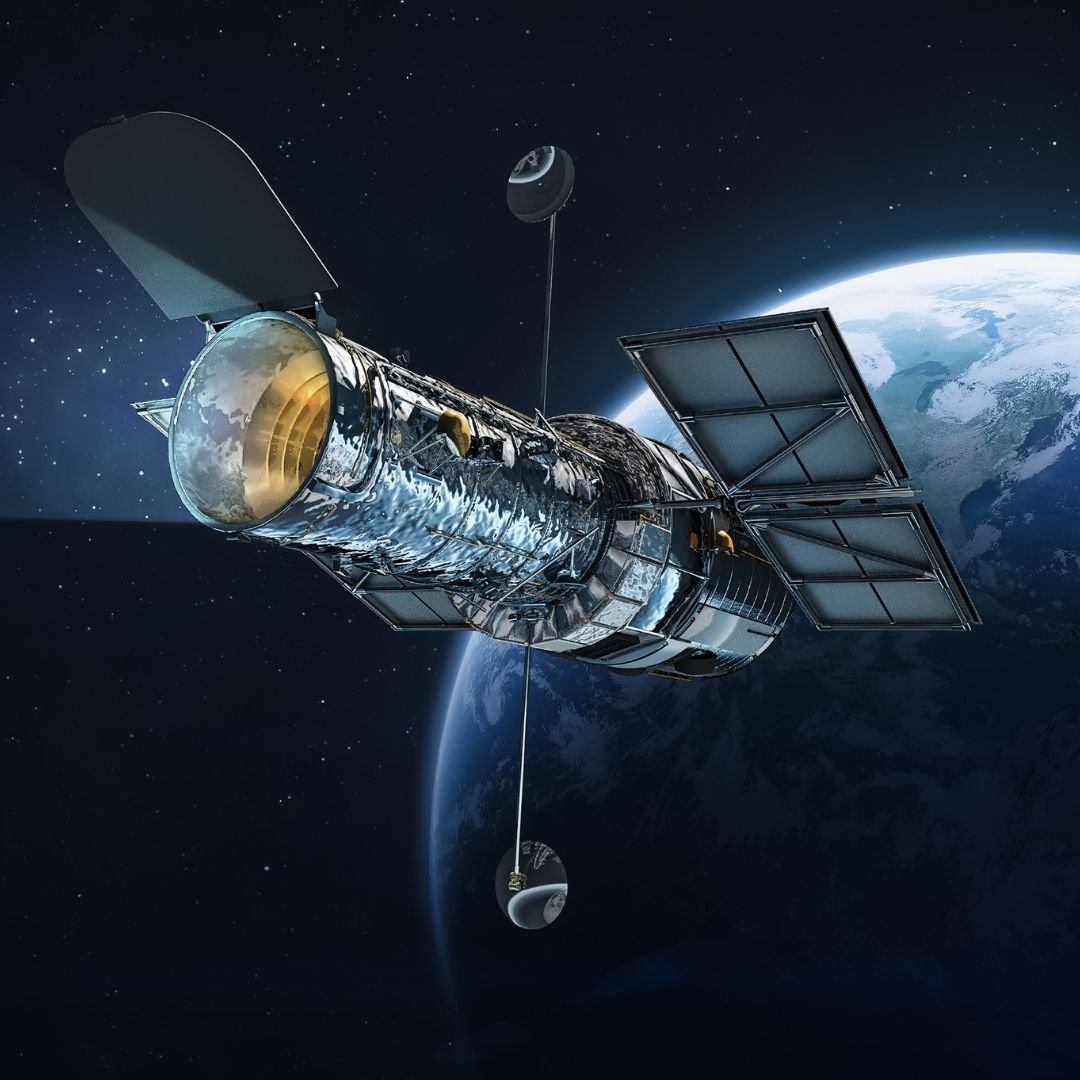
All space telescopes take photos in black and white. Astronomers colorize them afterward by assigning colors to different wavelengths to reveal details like composition and temperature. #FACT
@TheFactSite
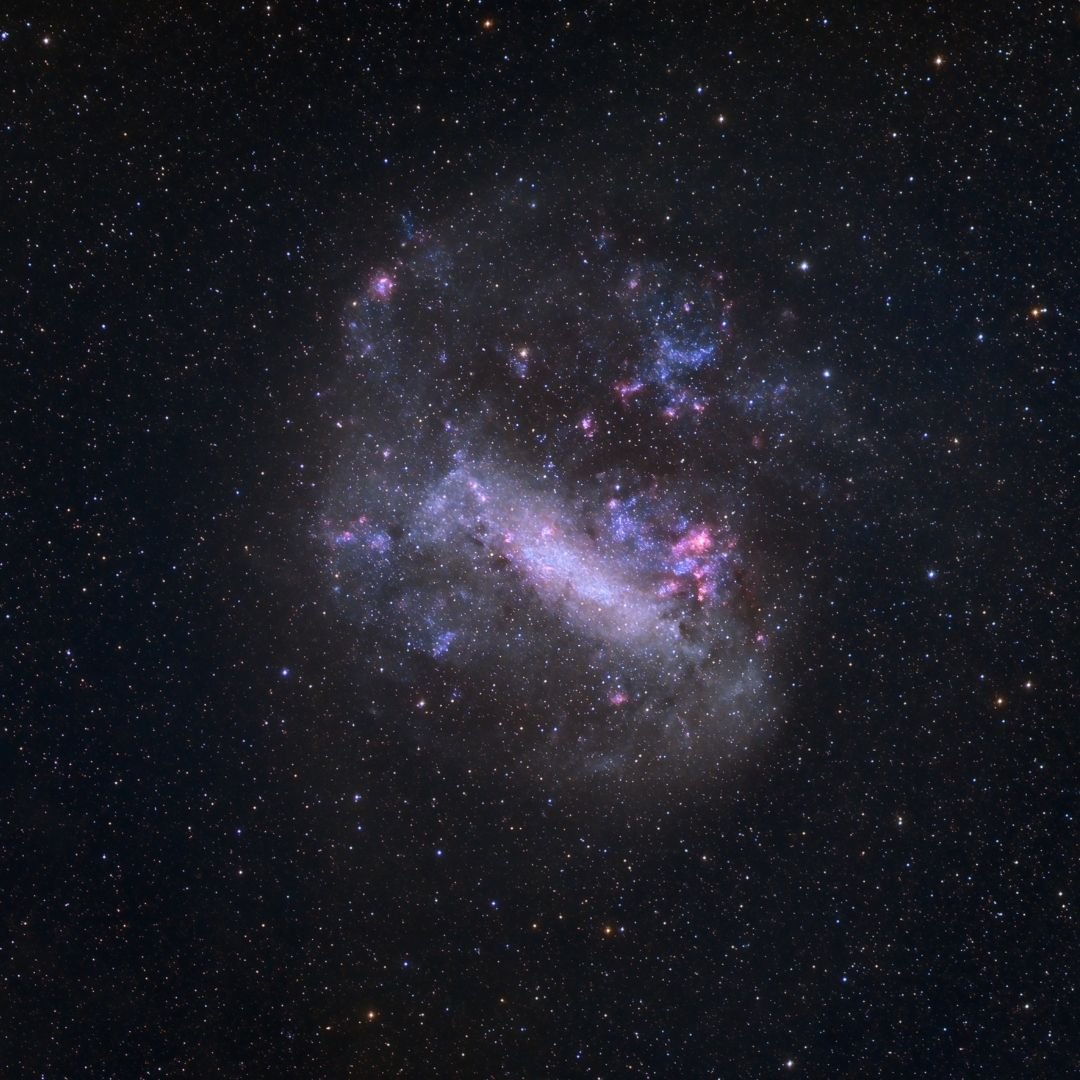
Our galaxy, the Milky Way, is slowly being deformed and twisted apart by a neighboring galaxy, the Large Magellanic Cloud. #FACT
@TheFactSite
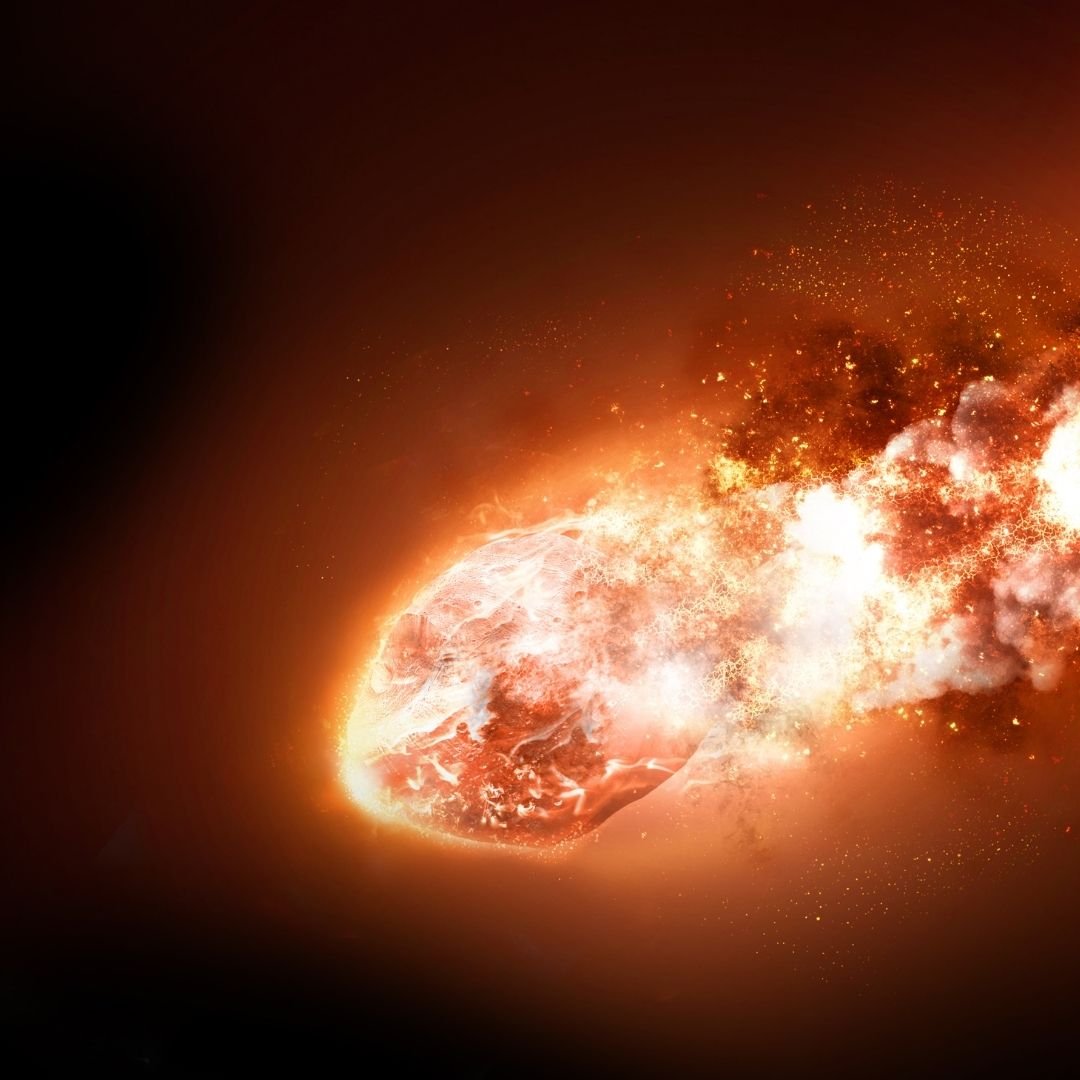
About once a year, a meteor the size of a small car burns up in Earth’s atmosphere. #FACT
@TheFactSite
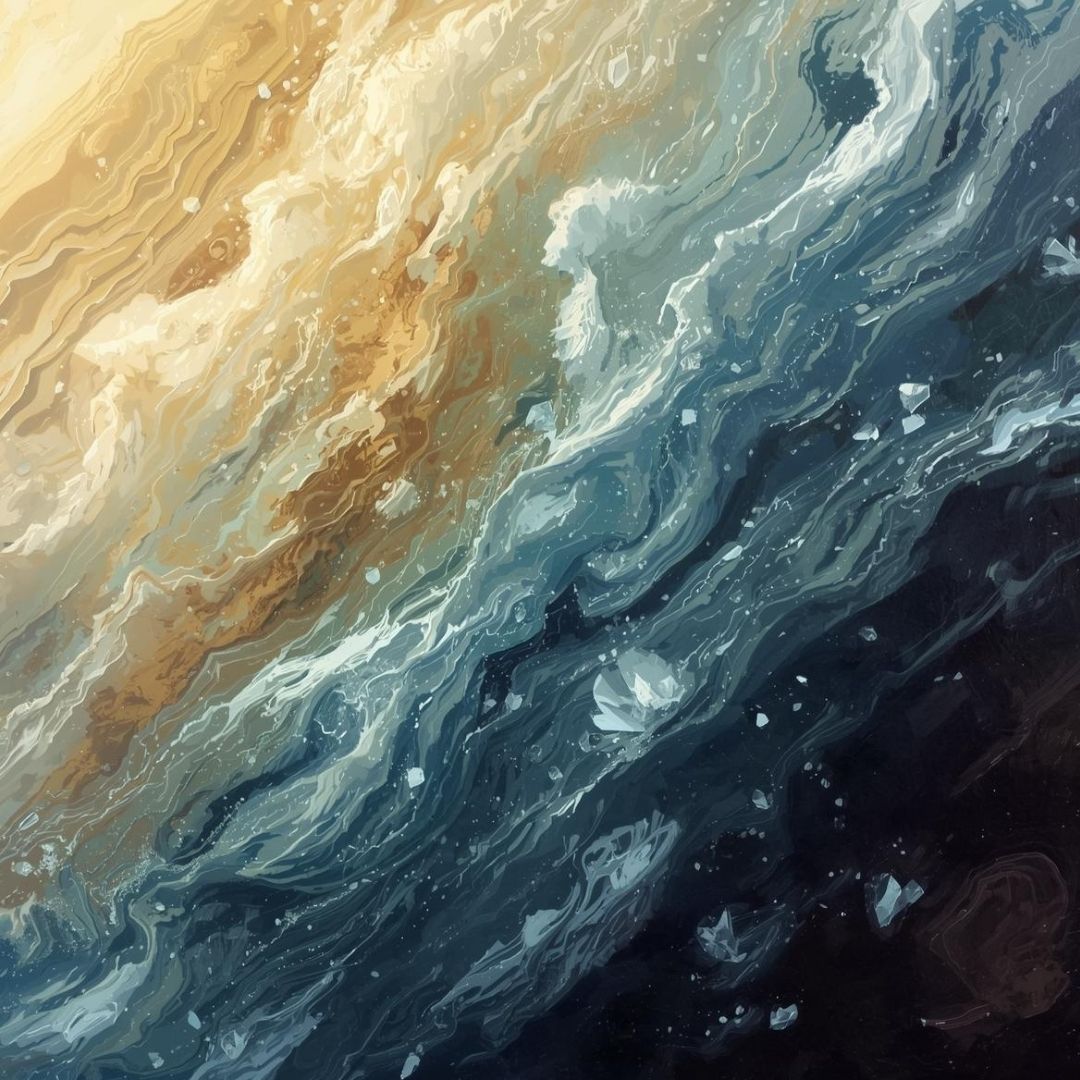
Uranus has wind. The planet’s wind speeds can reach up to 560 miles per hour (900 km/h). #FACT
@TheFactSite
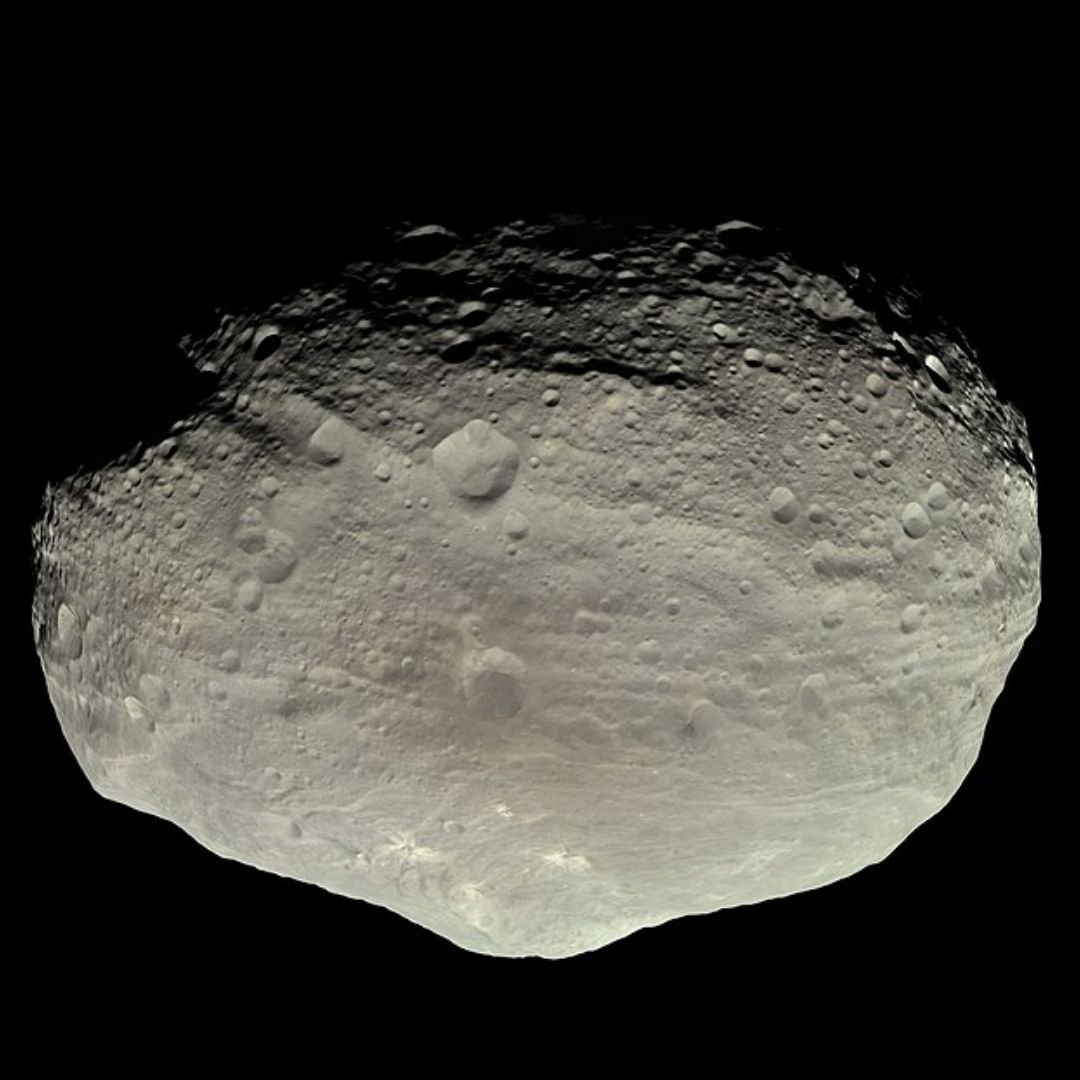
The brightest asteroid visible from Earth is 4 Vesta, which can occasionally be seen with the naked eye. #FACT
@TheFactSite
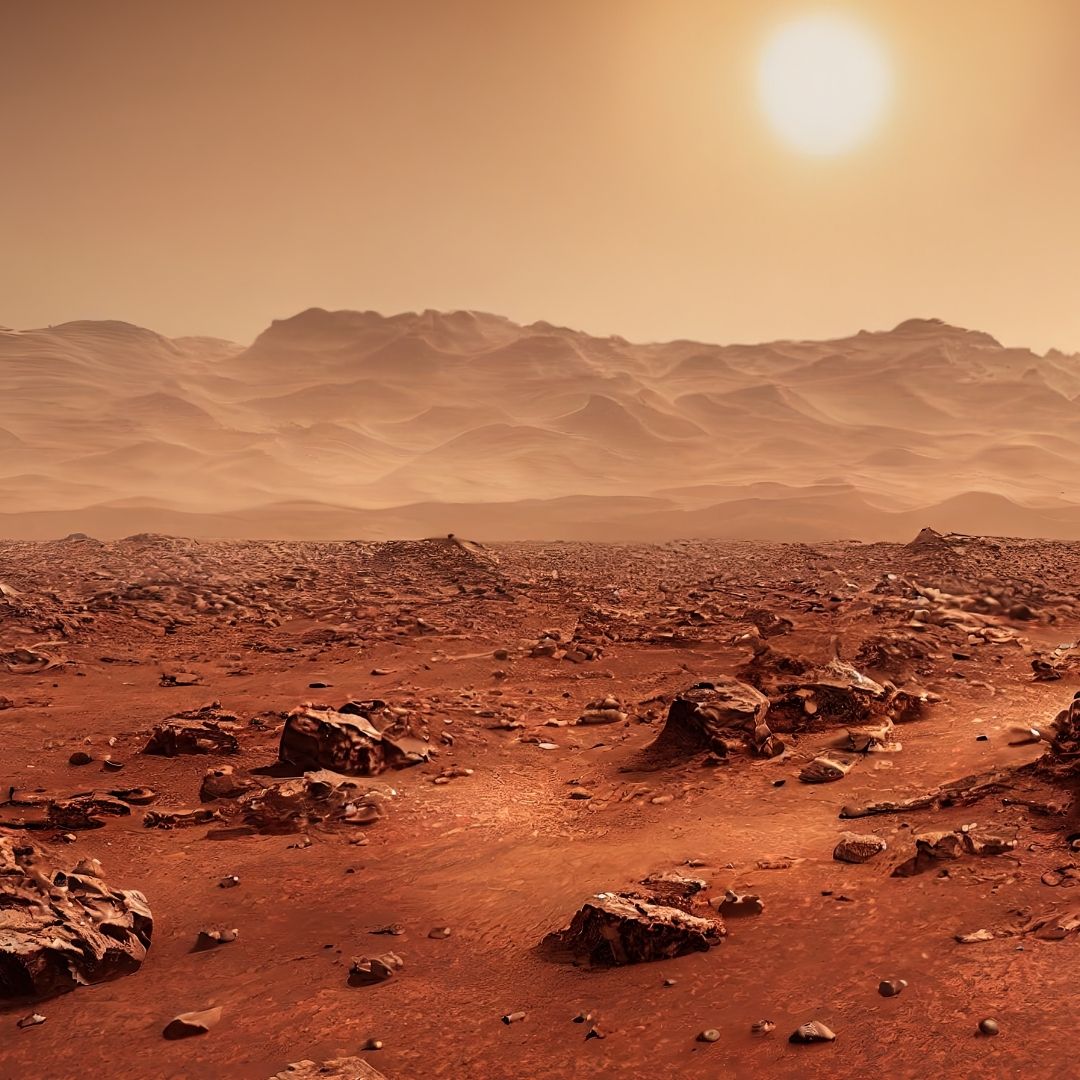
Three men from Yemen tried to sue NASA in 1997 for exploring Mars without their approval, claiming they inherited the red planet from their ancestors over 3,000 years ago. #FACT
@TheFactSite
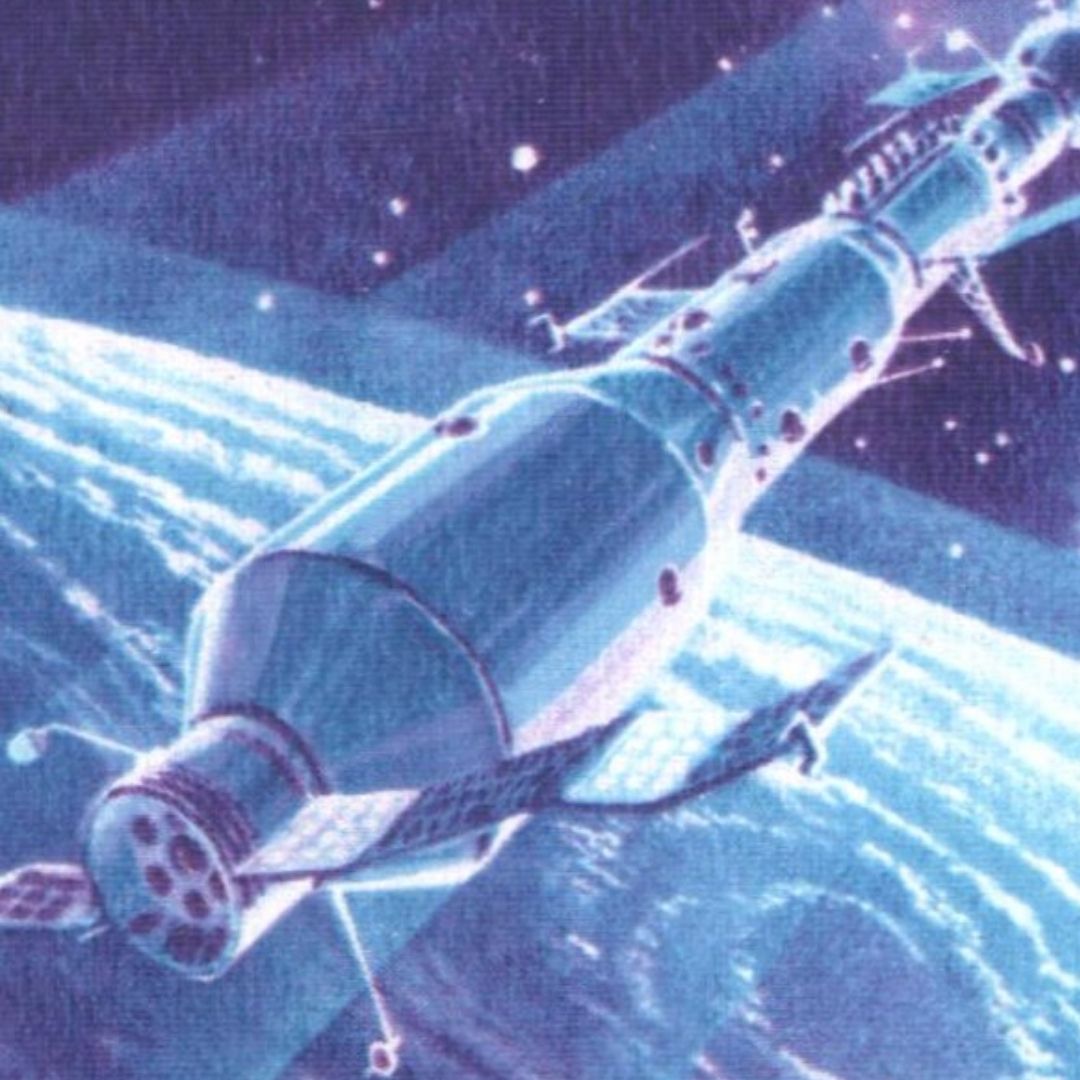
The world’s first space station was the Soviet Salyut 1, which spent 175 days in orbit in 1971. #FACT
@TheFactSite
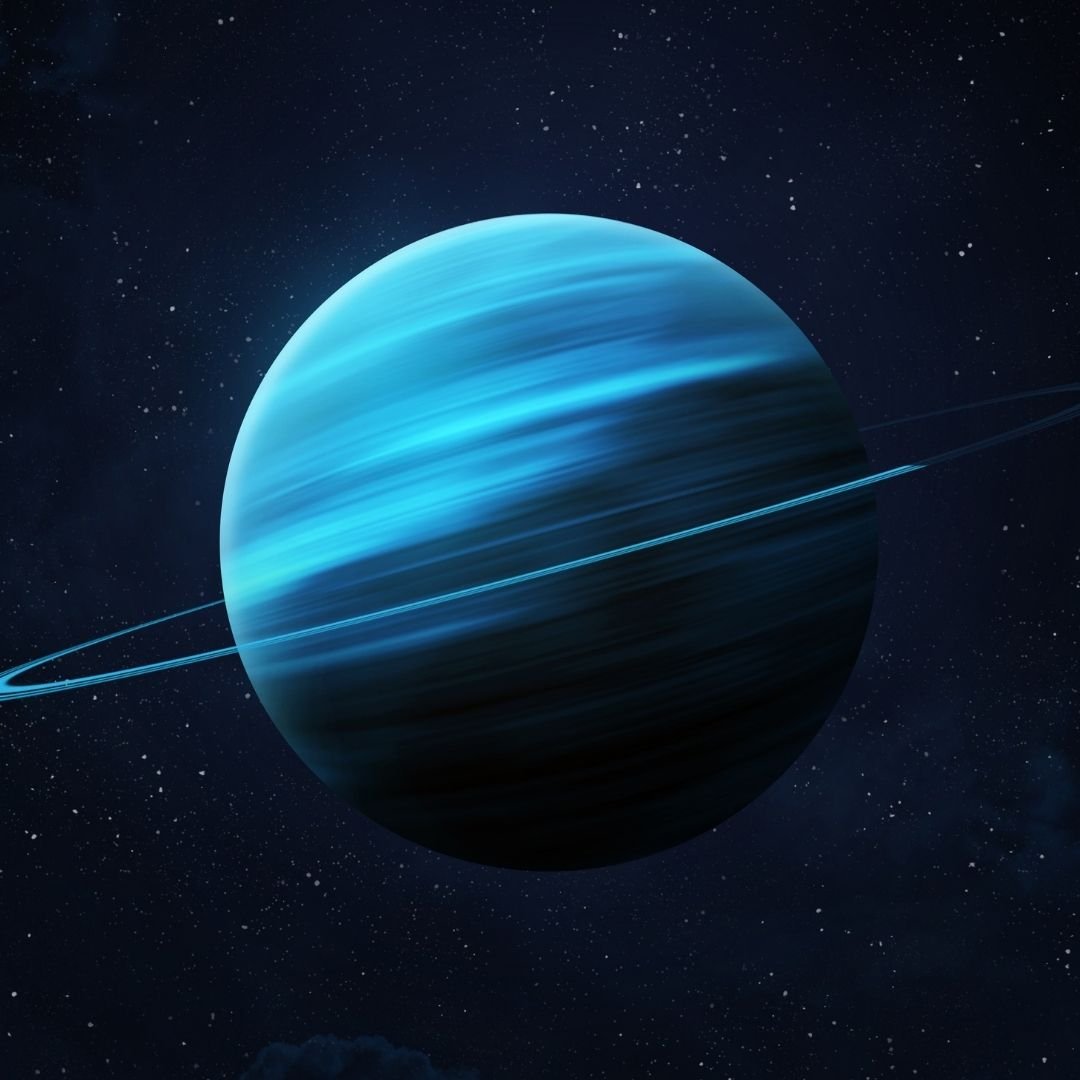
In Chinese, Japanese, Korean, and Vietnamese, Uranus is literally translated as the “sky king star.” #FACT
@TheFactSite
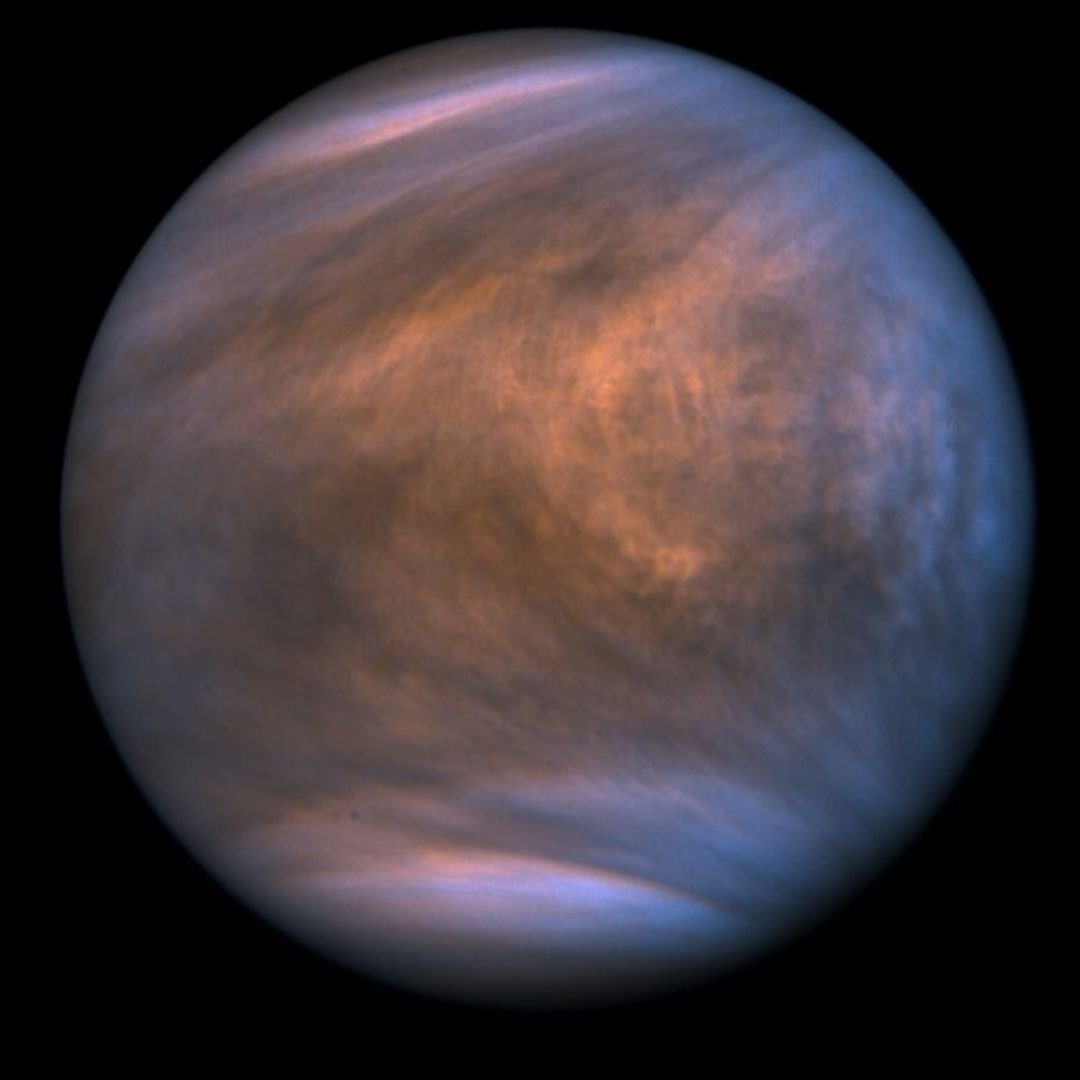
The upper atmosphere of Venus circles the planet every 4 days, while the planet itself rotates once every 243 Earth days. #FACT
@TheFactSite
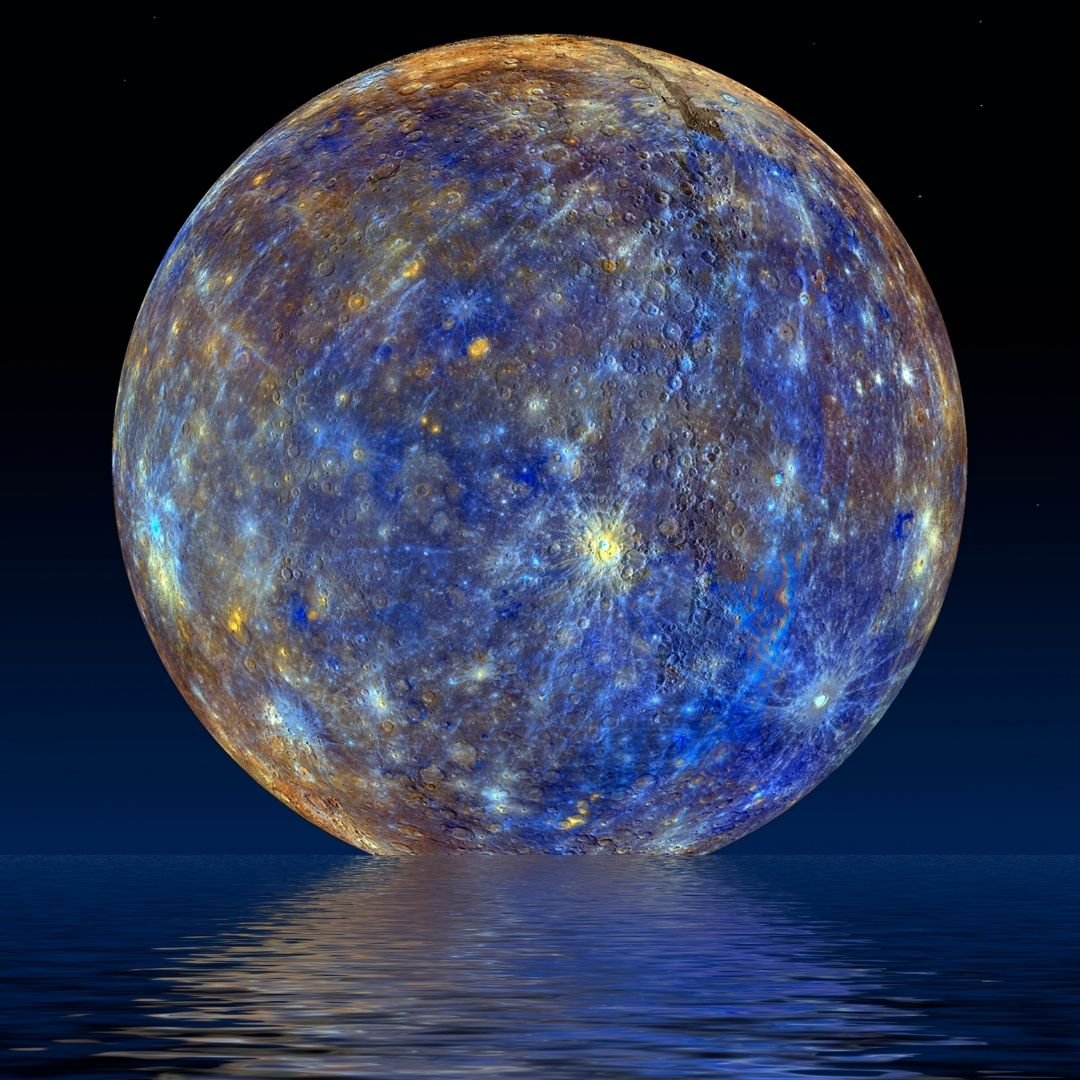
Mercury retrograde is a very real thing, but the idea that it affects human life is not supported by science. #FACT
@TheFactSite
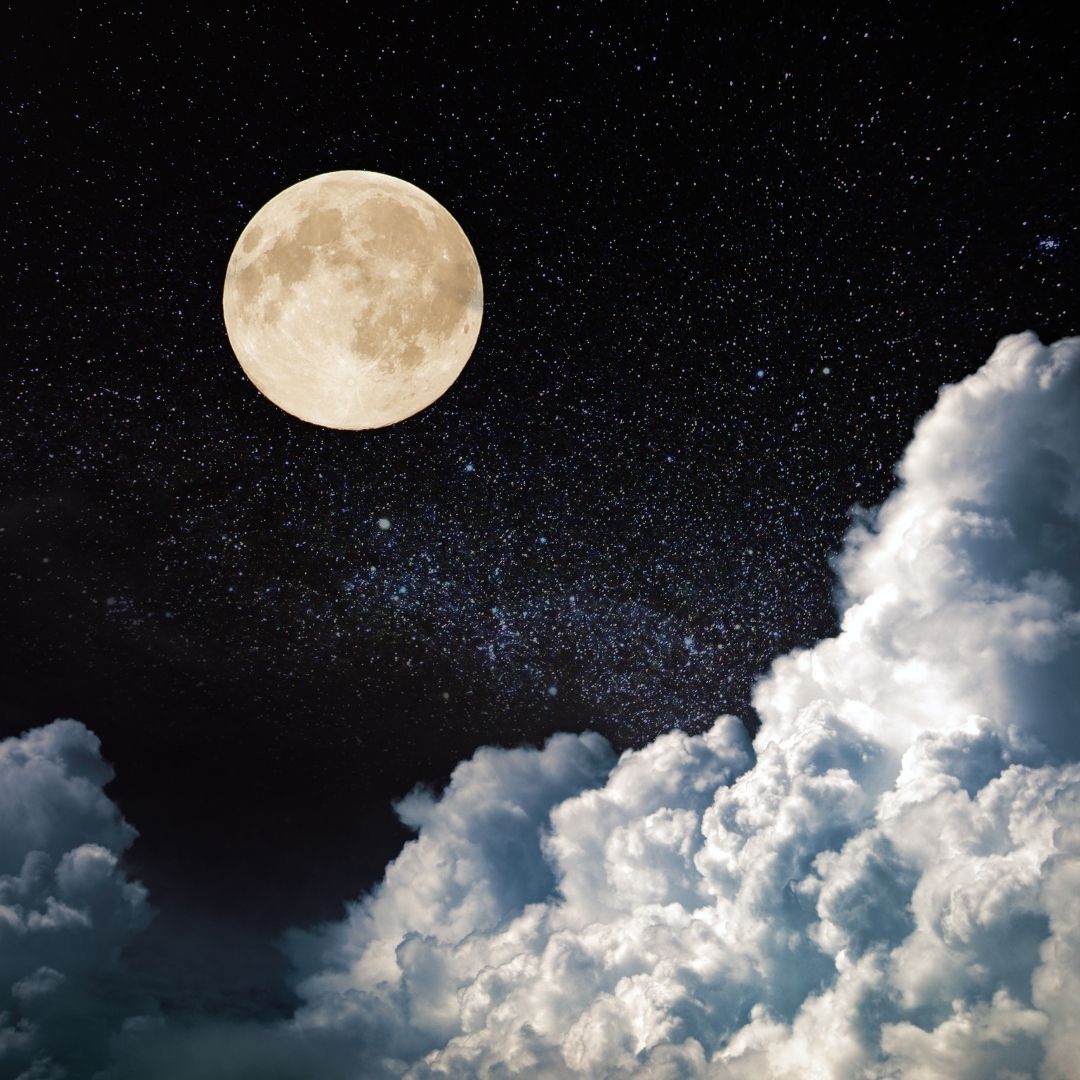
Studies show that people tend to sleep less and go to bed later in the days leading up to a full moon. #FACT
@TheFactSite
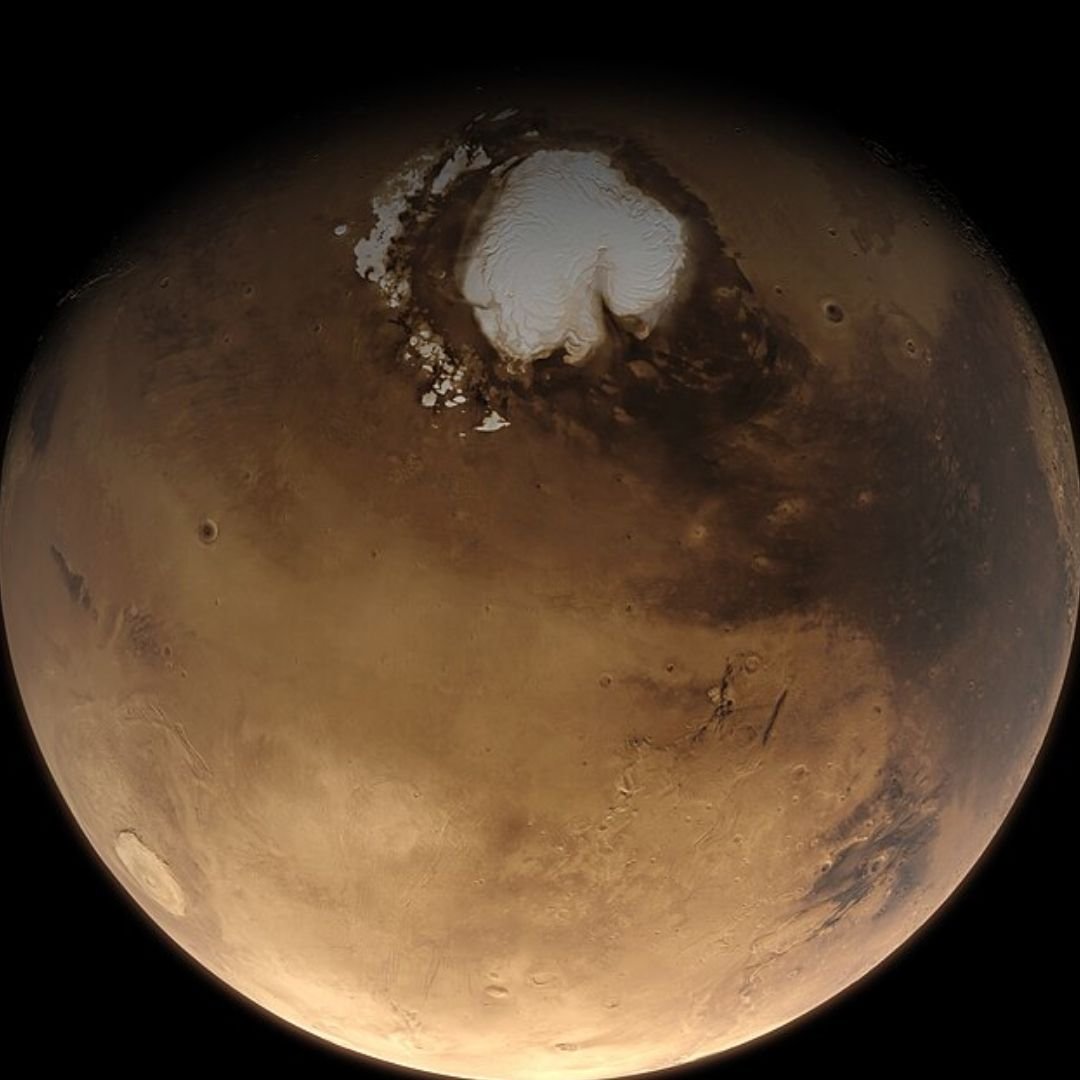
Like Earth, Mars has permanent ice caps at its north and south poles. #FACT
@TheFactSite
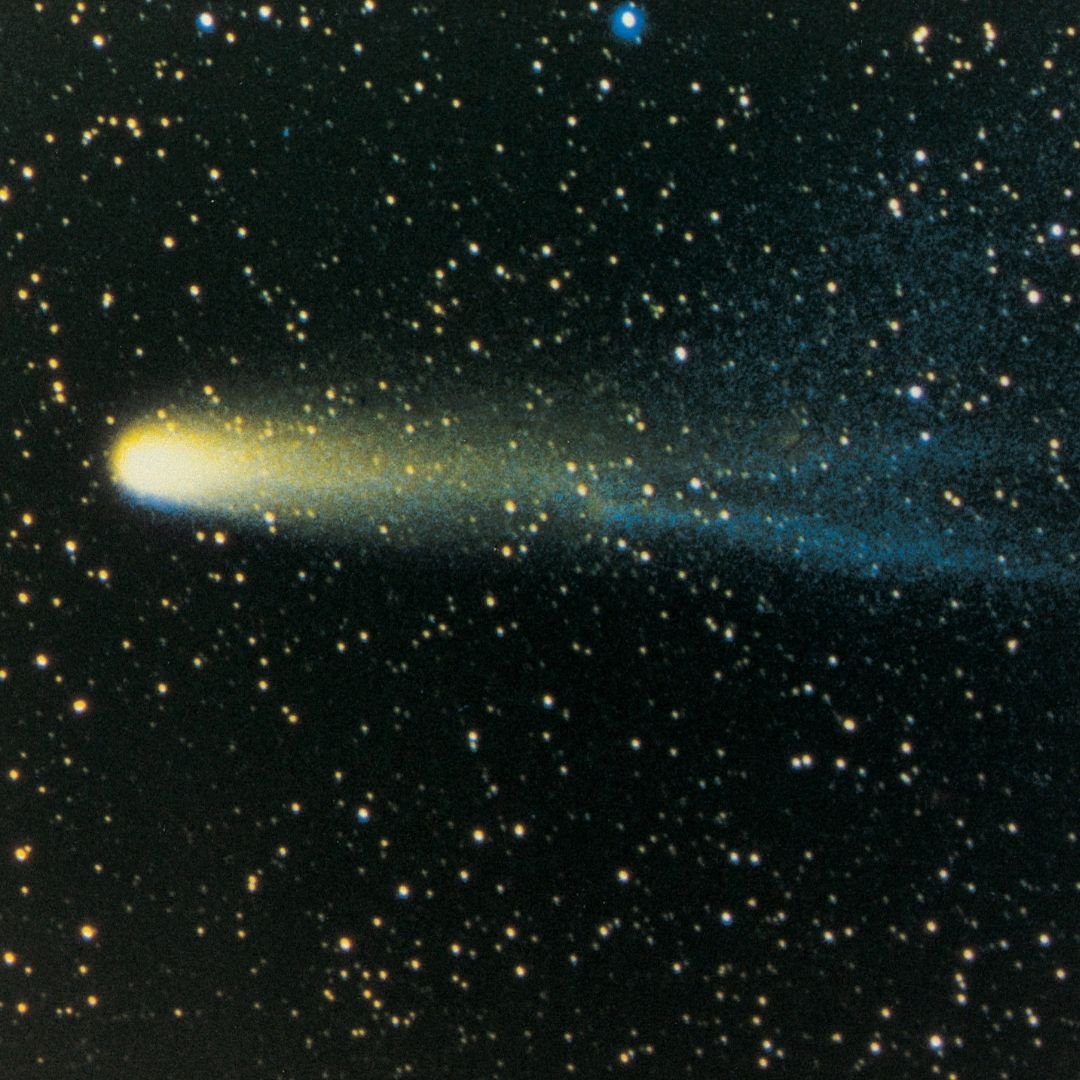
Halley’s Comet passes by Earth roughly every 75 years, making it the only known comet bright enough to be seen with the naked eye twice in a single lifetime. #FACT
@TheFactSite
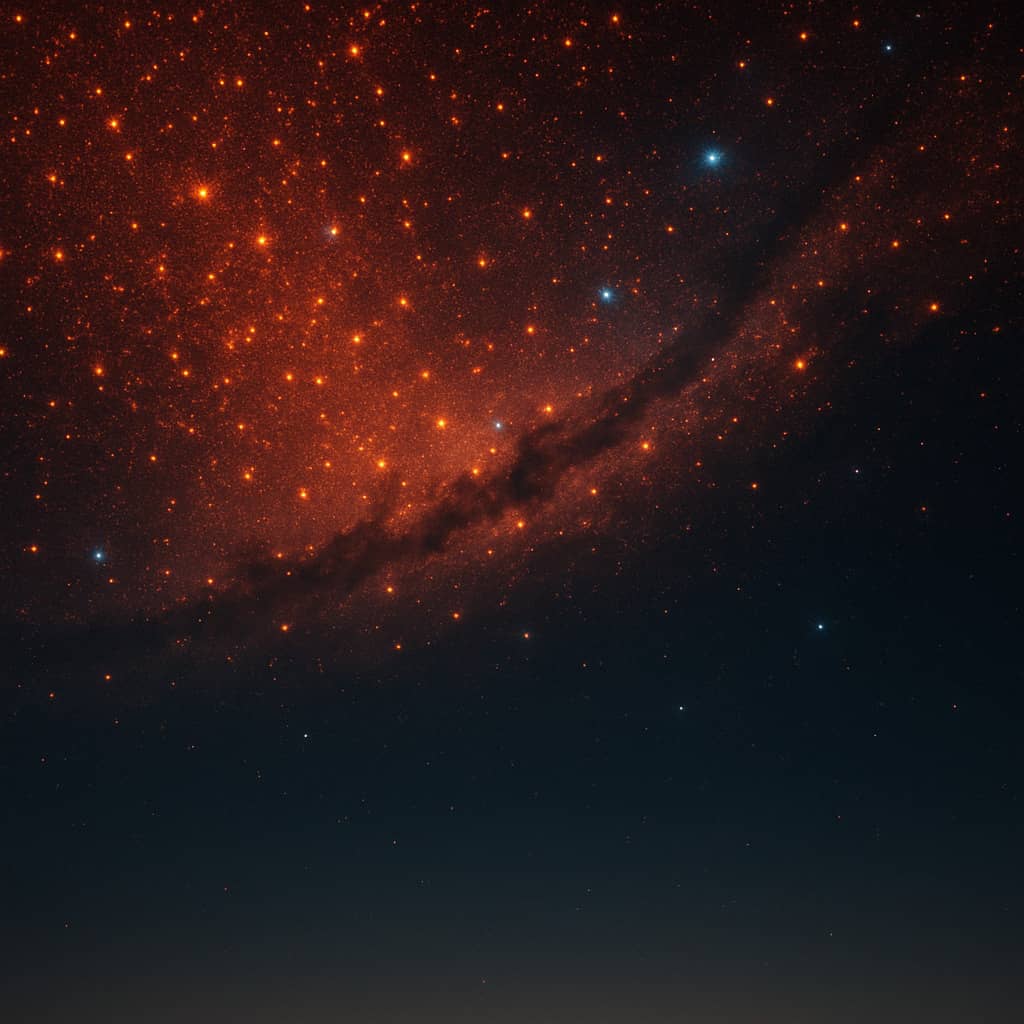
Red dwarfs make up about 70-75% of all stars in the Milky Way, making them the galaxy’s most common star type. #FACT
@TheFactSite
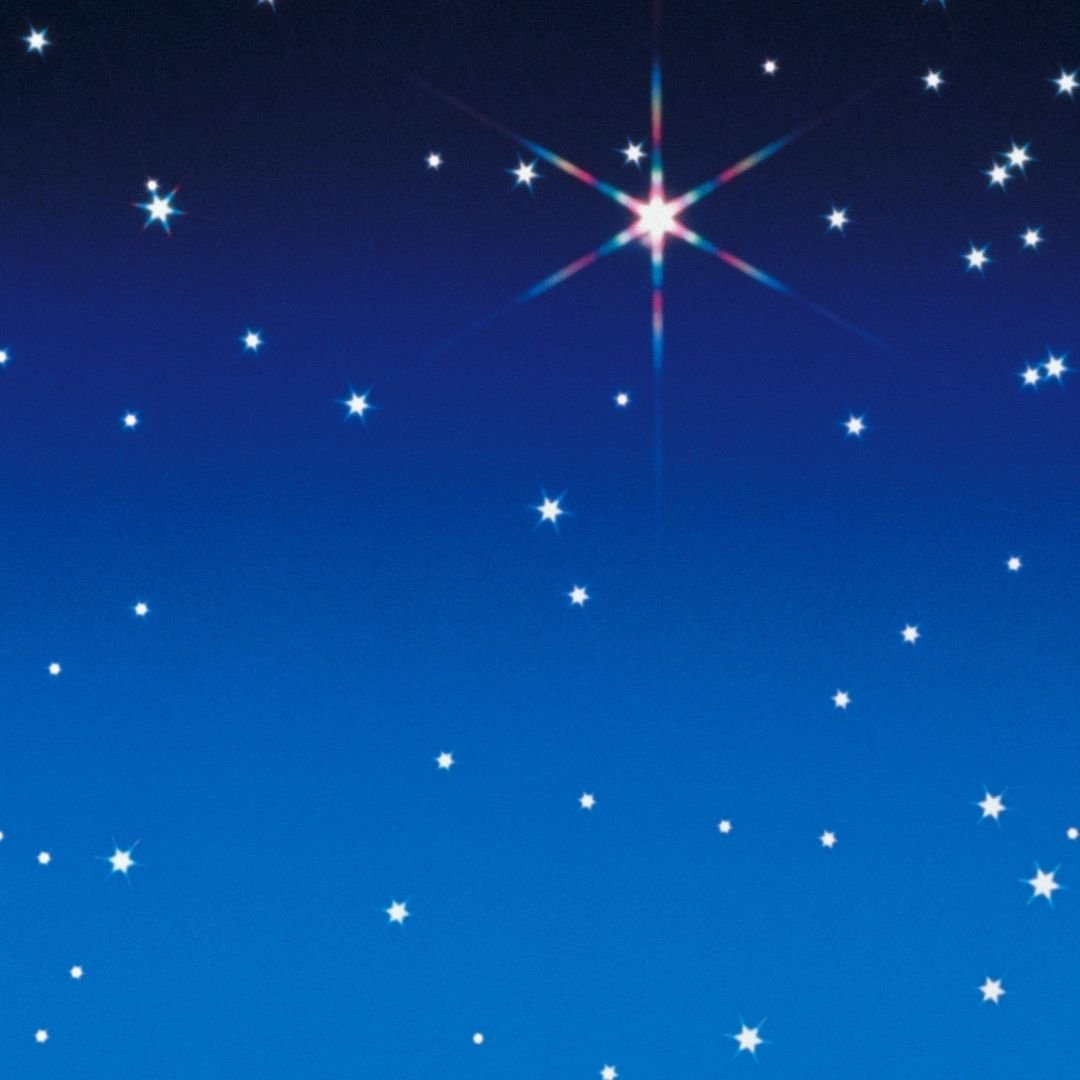
Stars appear to twinkle because their light is slightly distorted as it travels through Earth’s atmosphere. #FACT
@TheFactSite
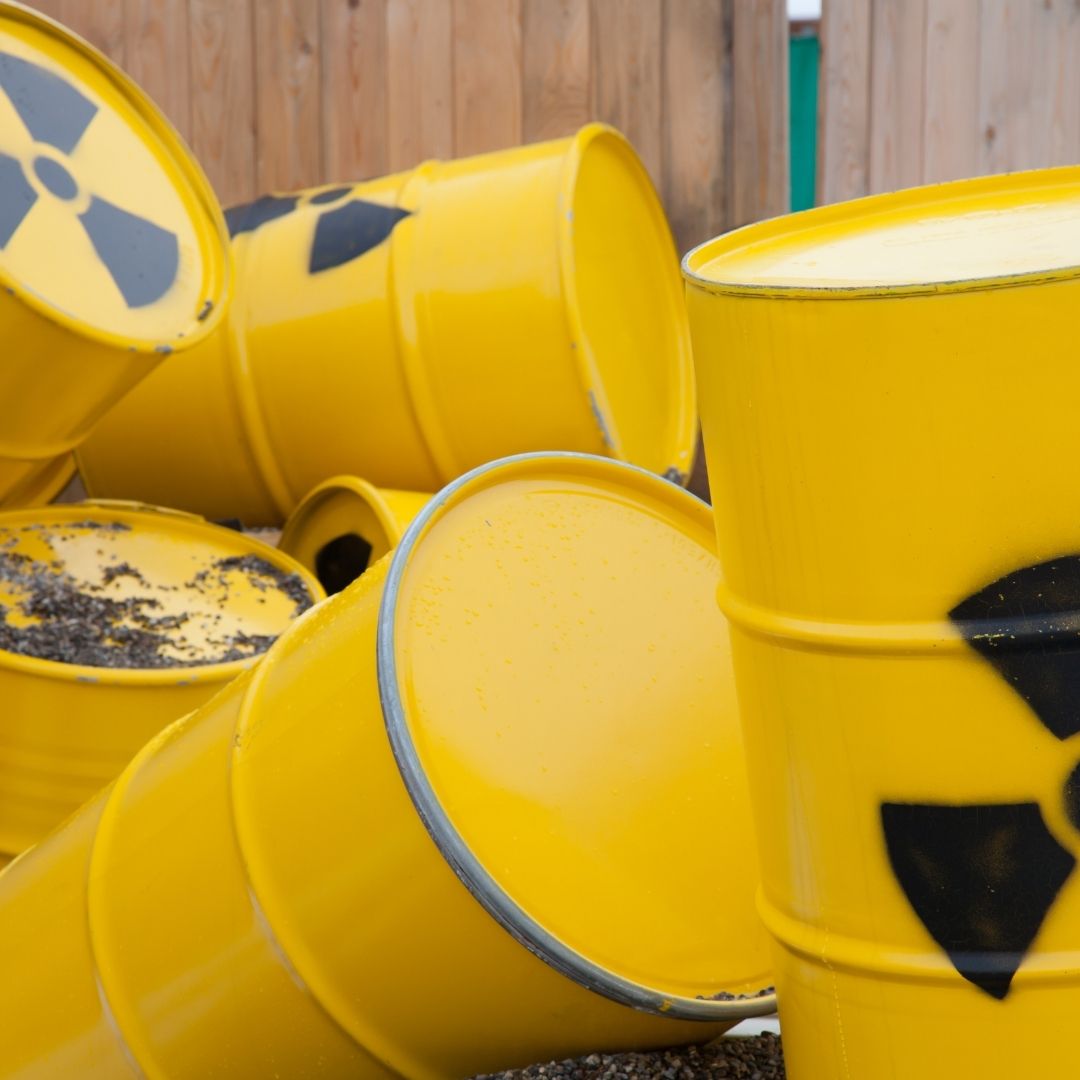
The element uranium, discovered in 1789, was named after the planet Uranus, which had been discovered just eight years earlier. #FACT
@TheFactSite
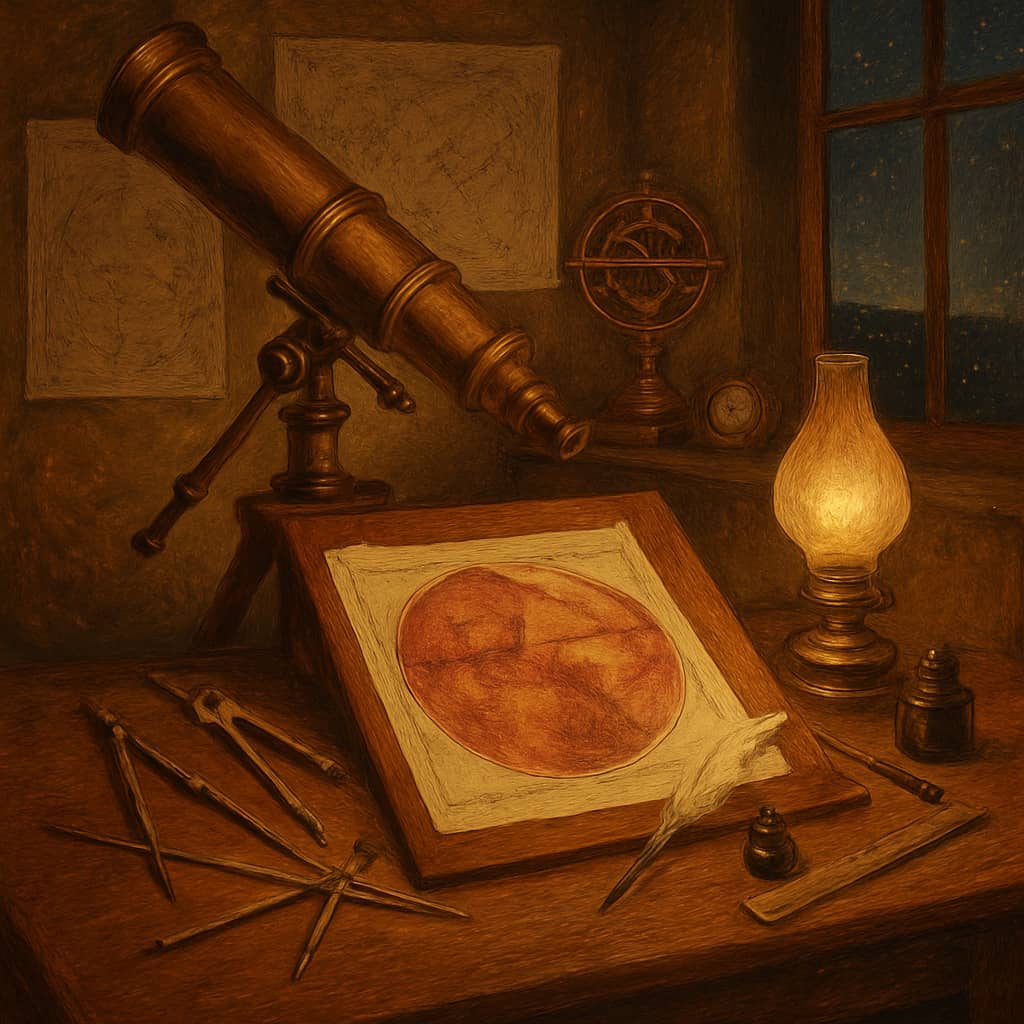
In 1840, German astronomers Wilhelm Beer and Johann Heinrich Mädler created the first comprehensive map of Mars. #FACT
@TheFactSite
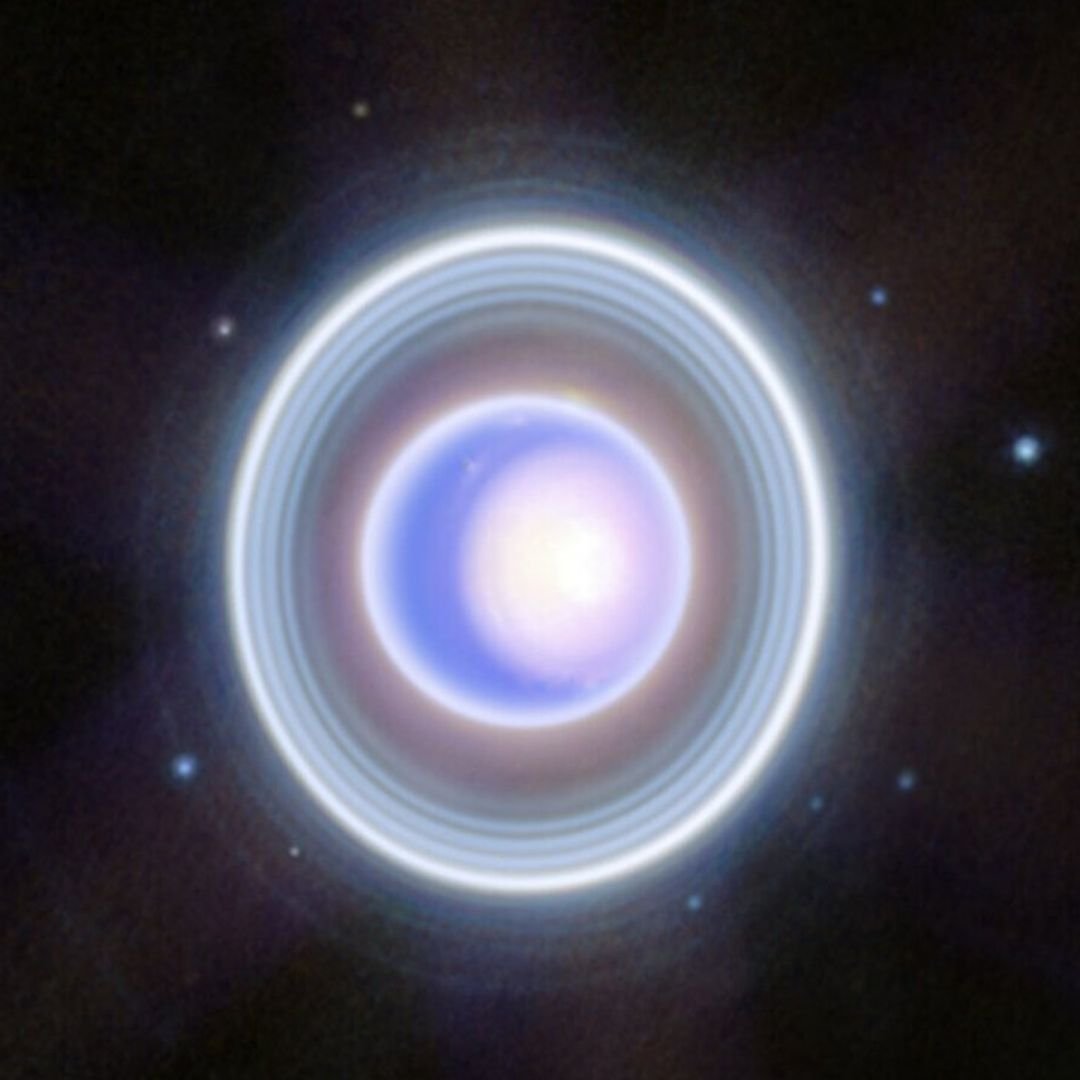
Uranus spins on its side with an axis tilted about 98 degrees, meaning its poles point nearly where most planets’ equators do. #FACT
@TheFactSite
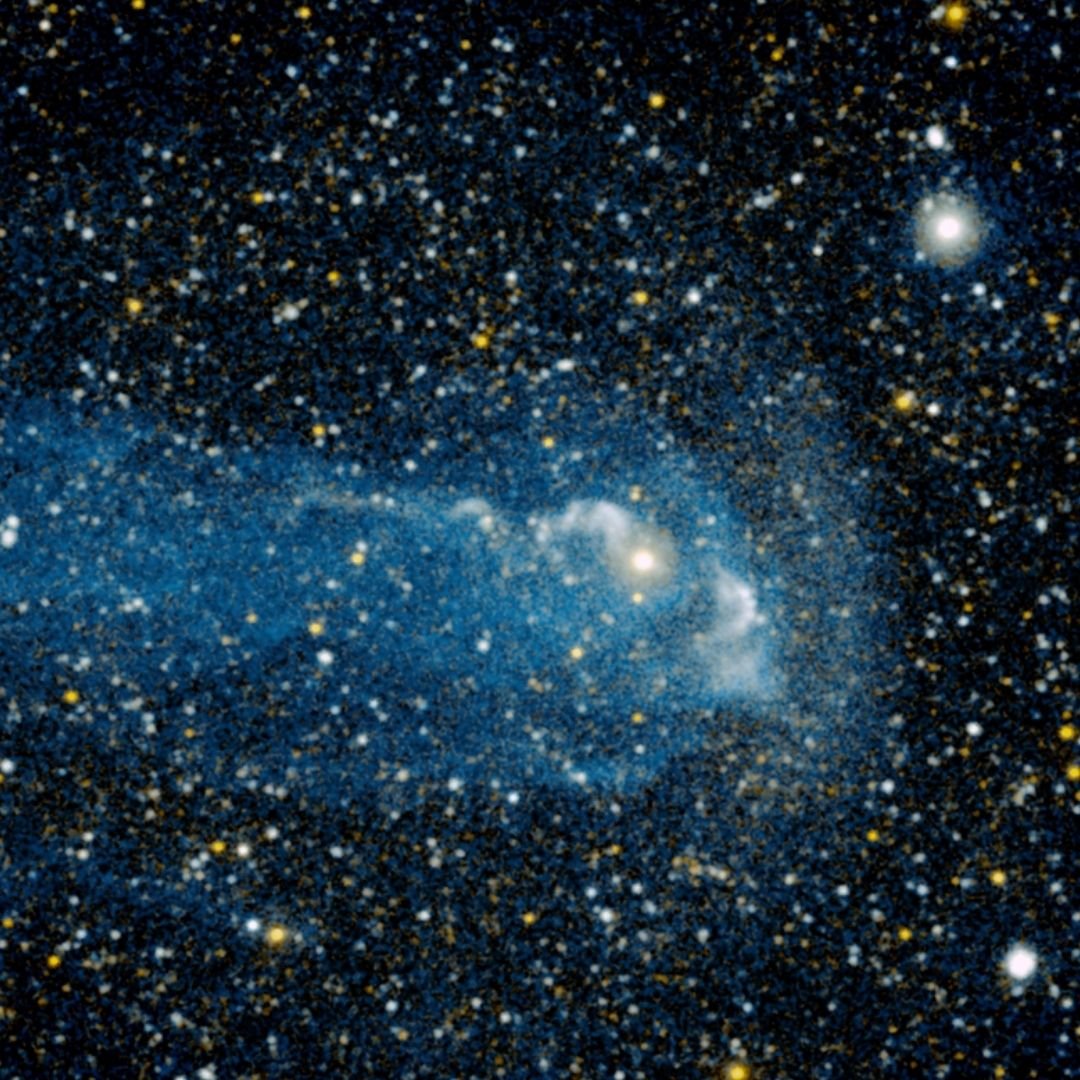
Mira, a star in the Cetus constellation, varies in brightness throughout the year. For a few days every year, it can be 1,700 times its normal brightness. #FACT
@TheFactSite
The dense, hot atmosphere of Venus would change how sound waves behave, so your voice would sound quite different from how it does on Earth. #FACT
@TheFactSite
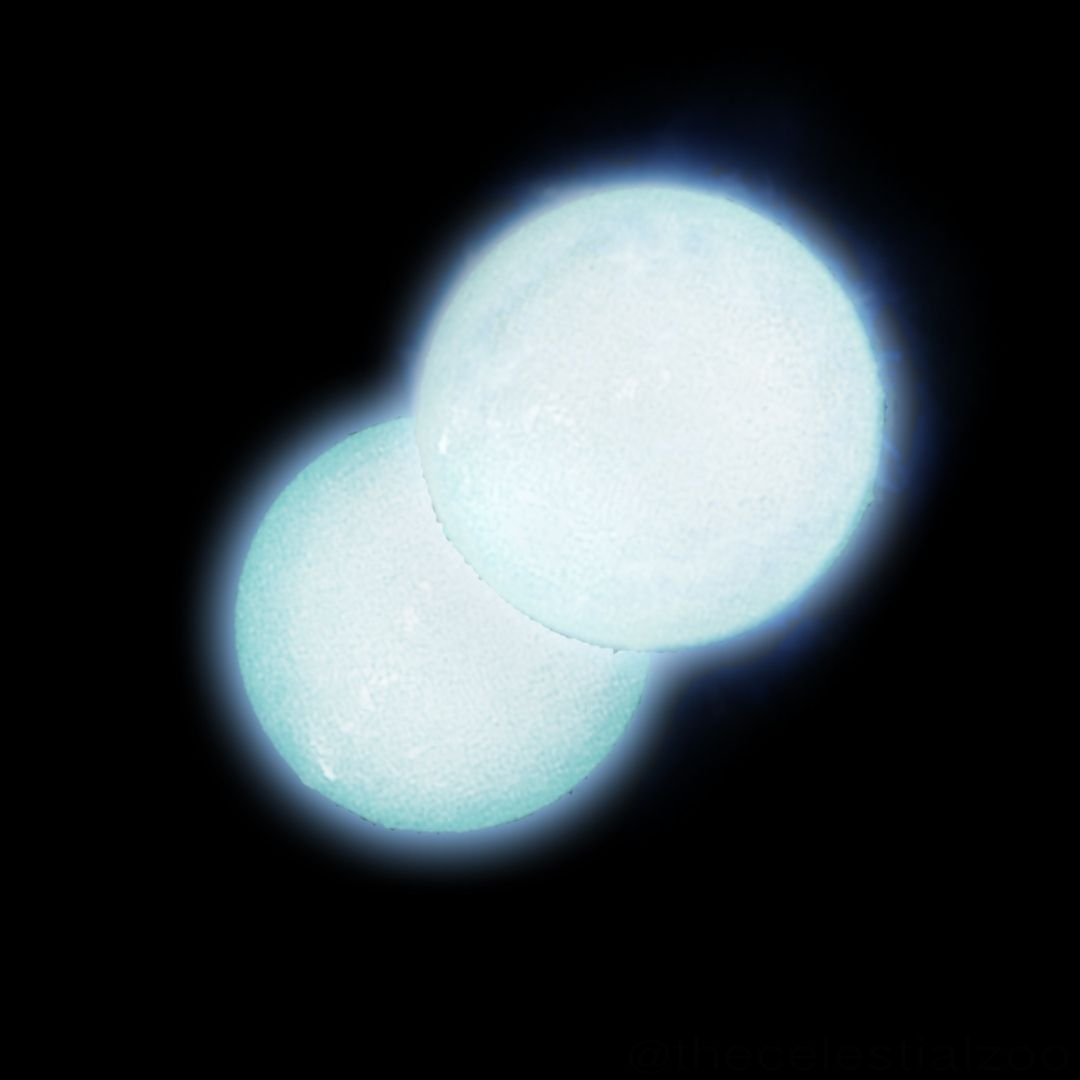
Roughly half of all stars like our Sun have a companion star, and larger stars are even more likely to form in pairs or groups. #FACT
@TheFactSite
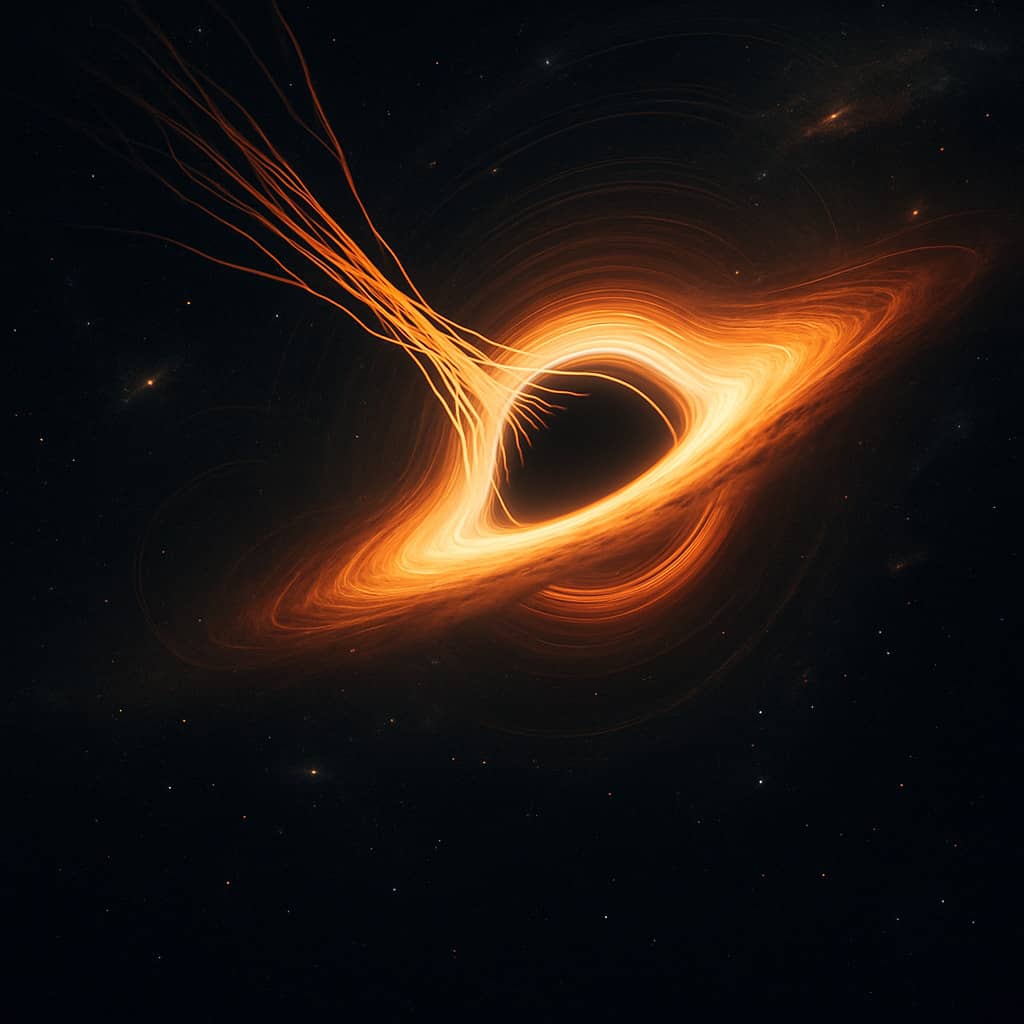
If you fell into a black hole, the immense gravity would stretch you out like spaghetti, a process scientists call “spaghettification.” #FACT
@TheFactSite
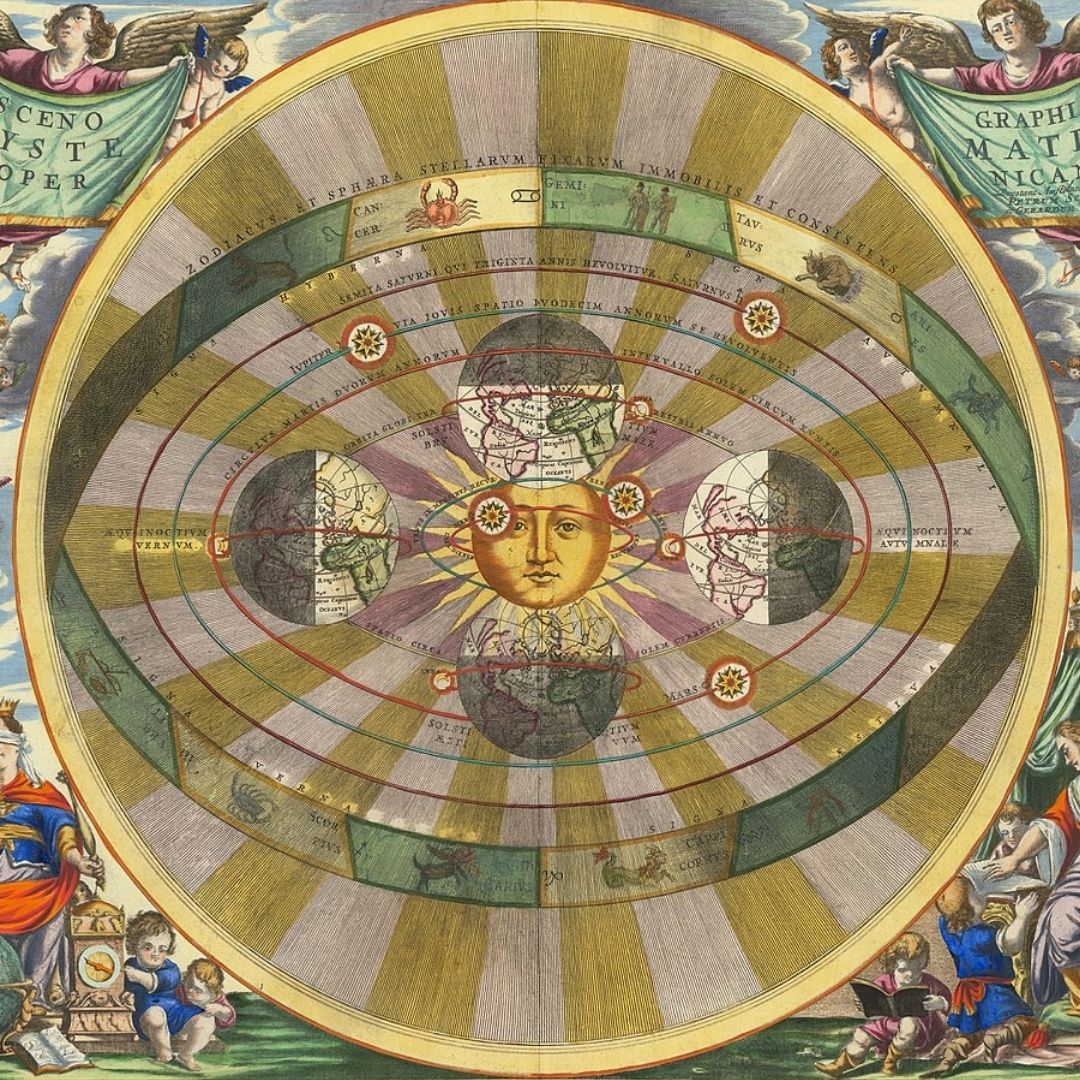
In the 3rd century BC, the Greek astronomer Aristarchus of Samos proposed that the Earth and other planets revolve around the Sun. #FACT
@TheFactSite
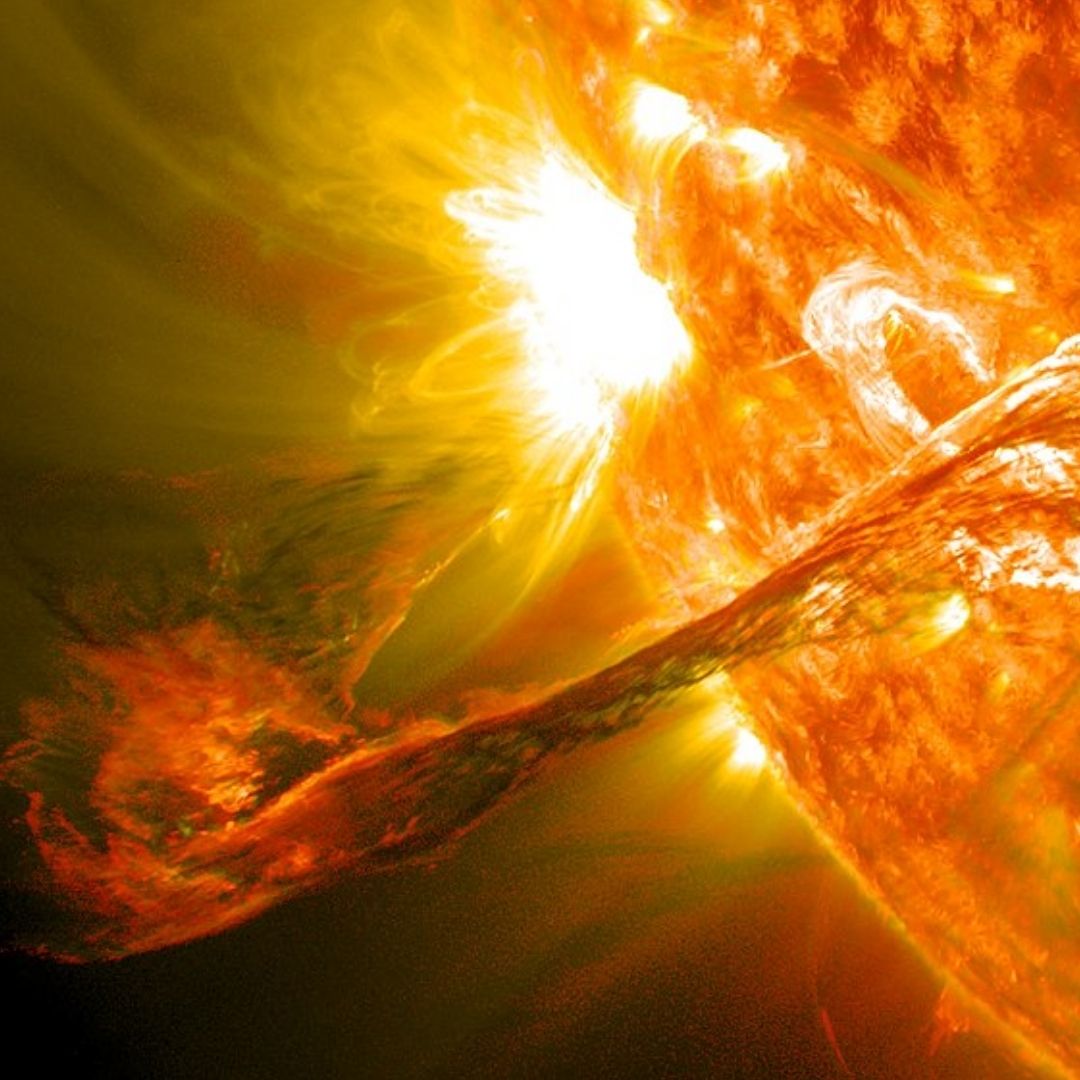
The Sun has no solid surface; it is most dense at its core, with its density gradually decreasing toward the outer layers. #FACT
@TheFactSite
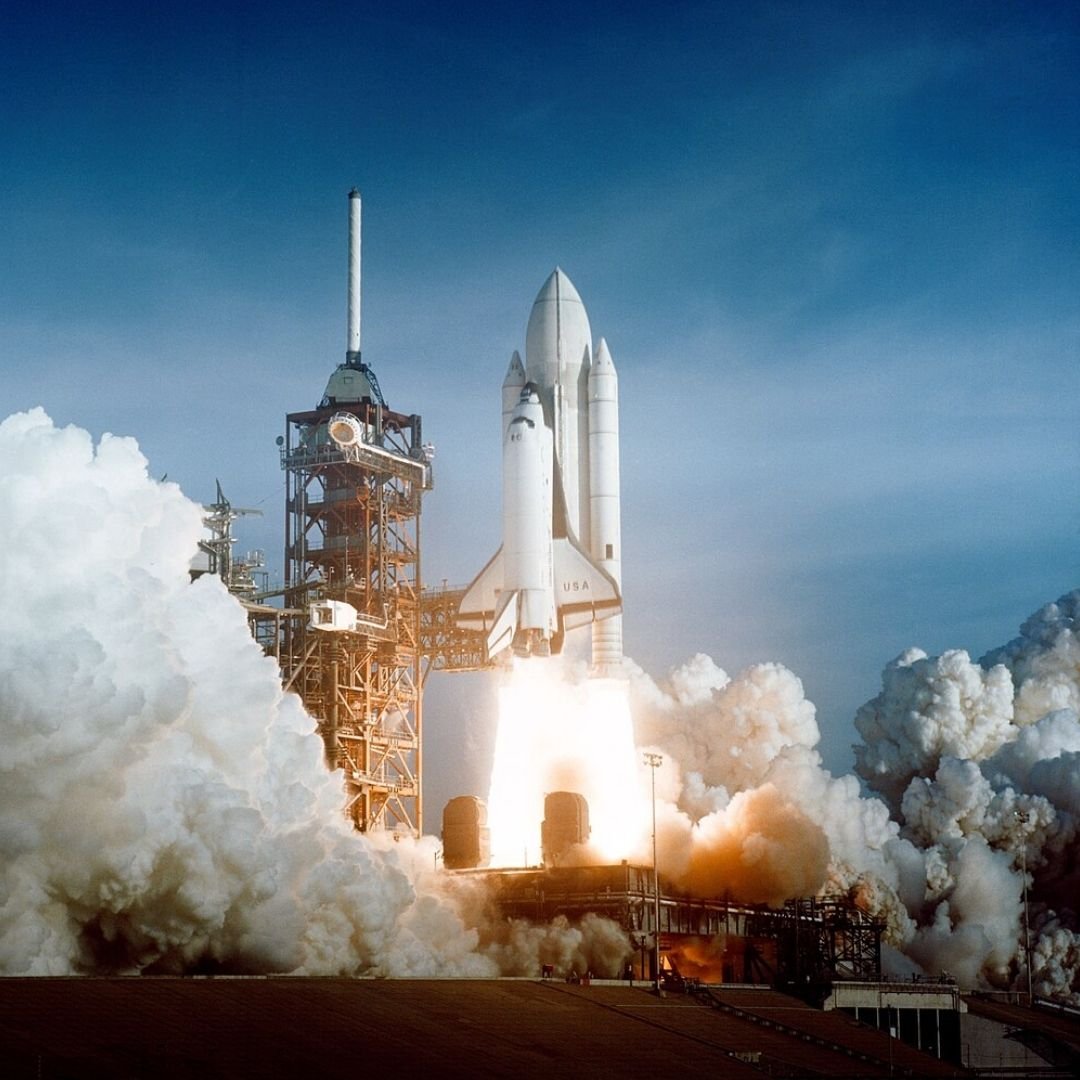
NASA’s space shuttles, flown from 1981 to 2011, reached orbit in just eight and a half minutes, reaching speeds of up to 17,500 miles per hour. #FACT
@TheFactSite
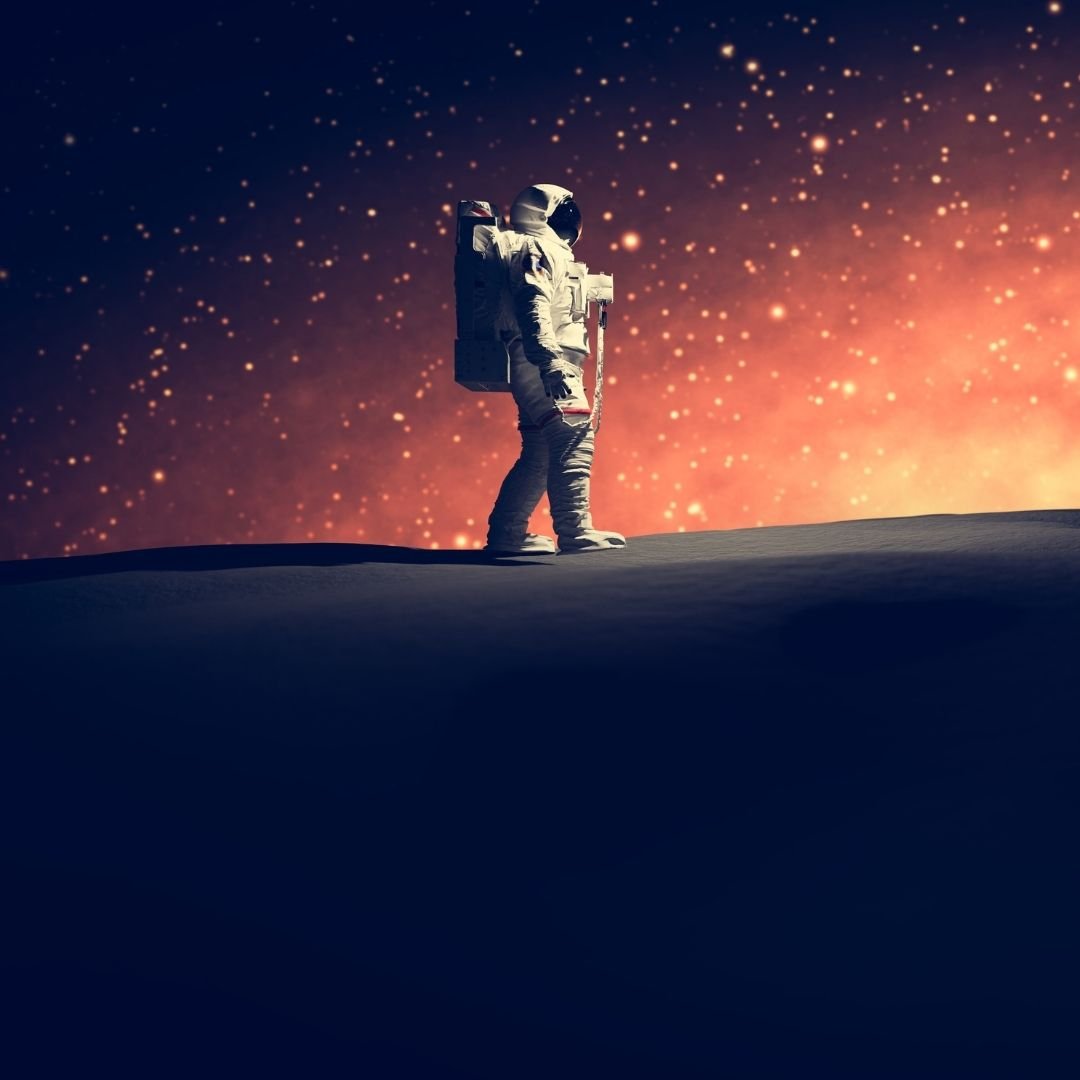
On December 17, 2024, Chinese astronauts Cai Xuzhe and Song Lingdong set a new spacewalk record of 9 hours and 6 minutes during China’s Shenzhou-19 mission. #FACT
@TheFactSite
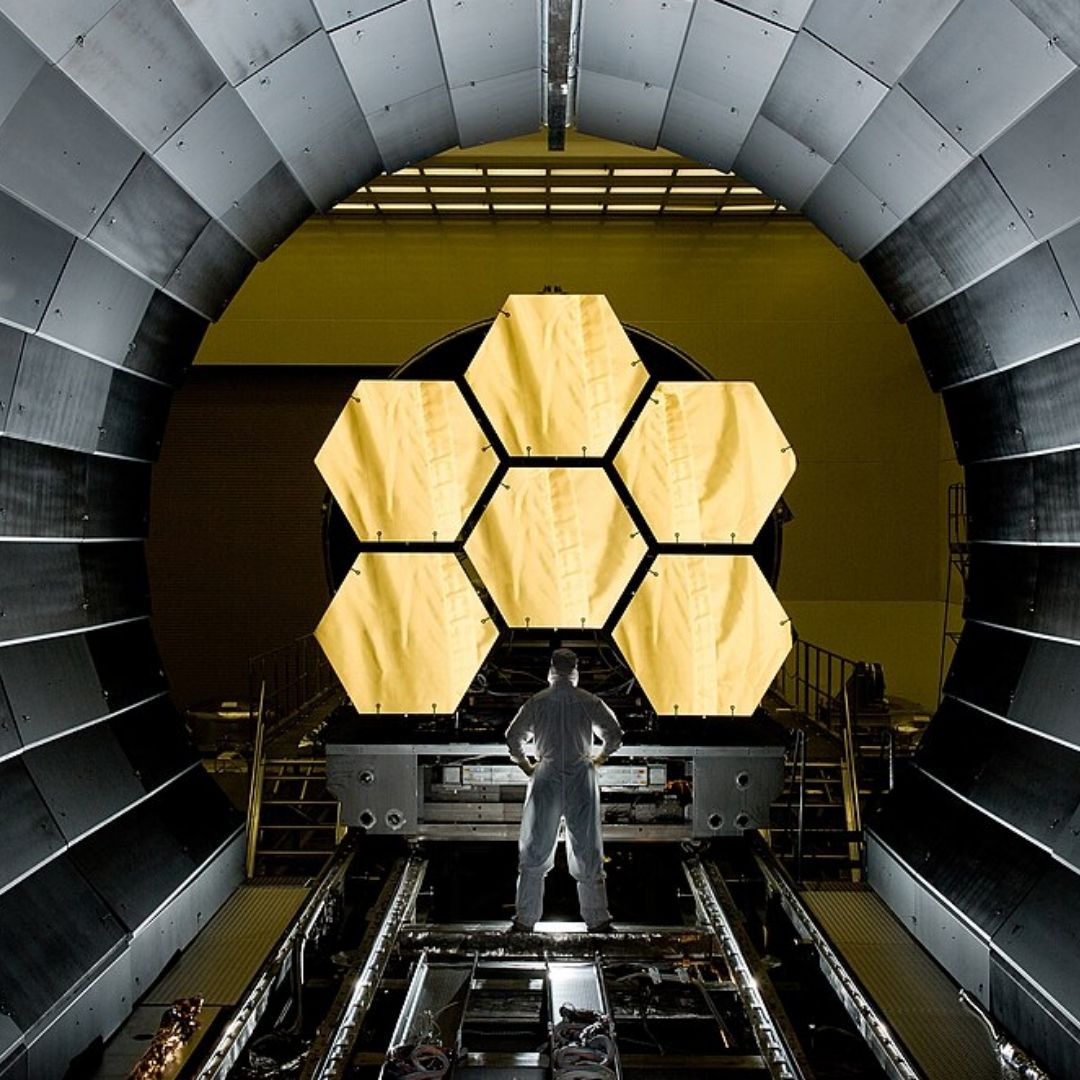
Space telescopes, such as Hubble and the James Webb Space Telescope, allow us to look back in time, capturing light that originated from distant objects billions of years ago. #FACT
@TheFactSite
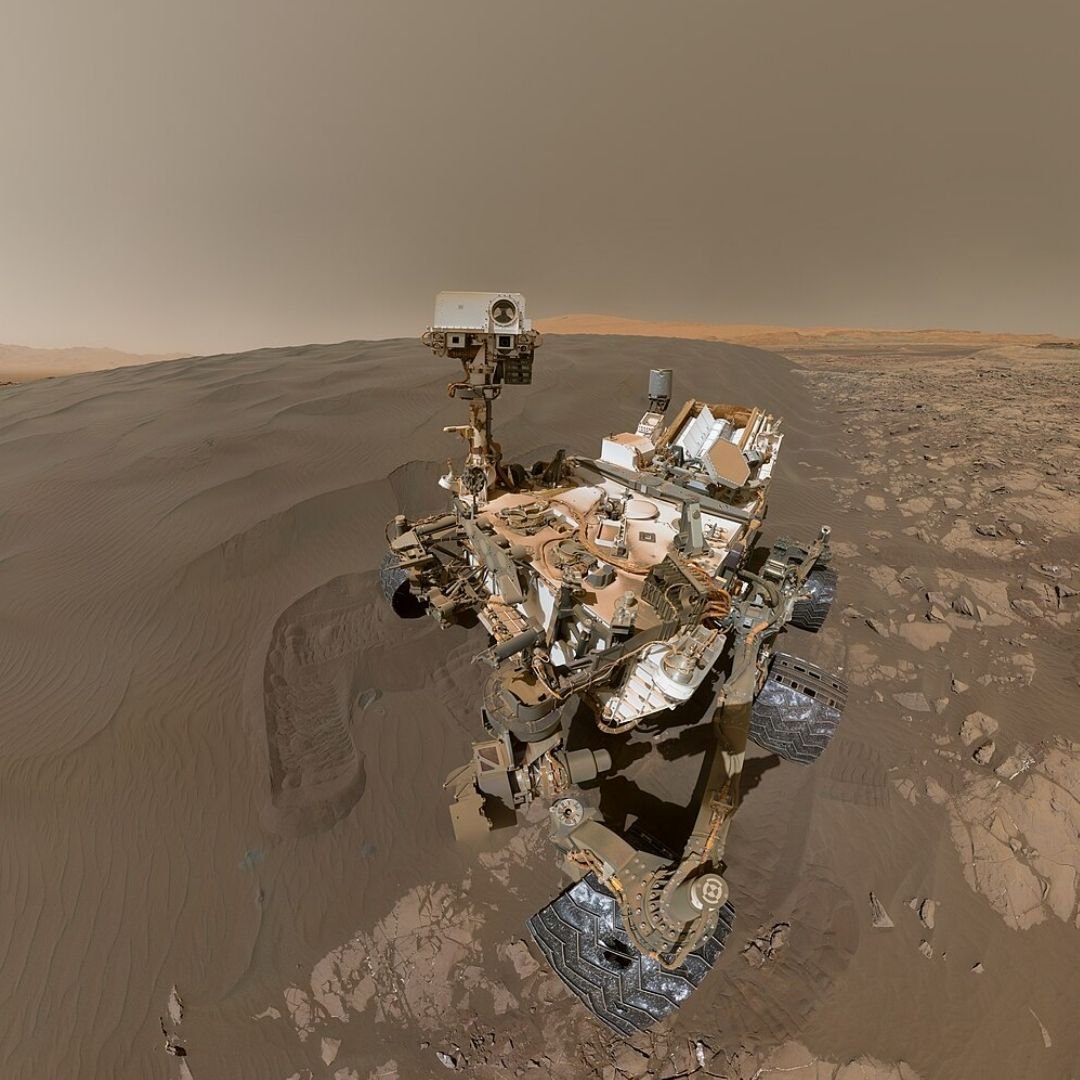
The Mars Curiosity rover is about the size of a small car, measuring roughly 10 feet (3 meters) in length and 7 feet (2 meters) in height. #FACT
@TheFactSite
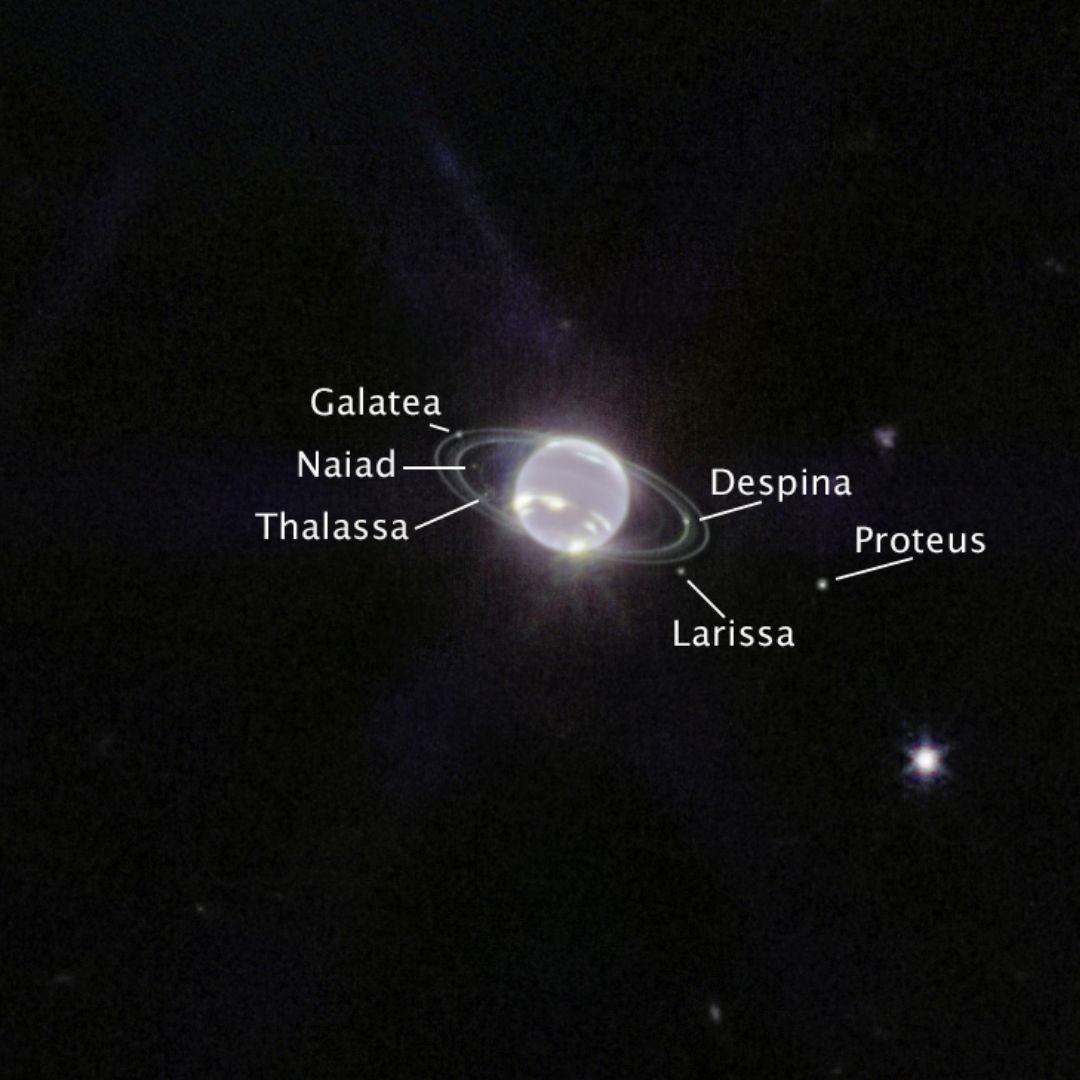
Neptune’s moons follow a water theme, taking their names from sea gods, water nymphs, and the children of Neptune in Roman mythology. #FACT

@TheFactSite
Humans were not the first living creatures in space; fruit flies earned that title when they were launched aboard a U.S. rocket in 1947 to study radiation exposure. #FACT
@TheFactSite
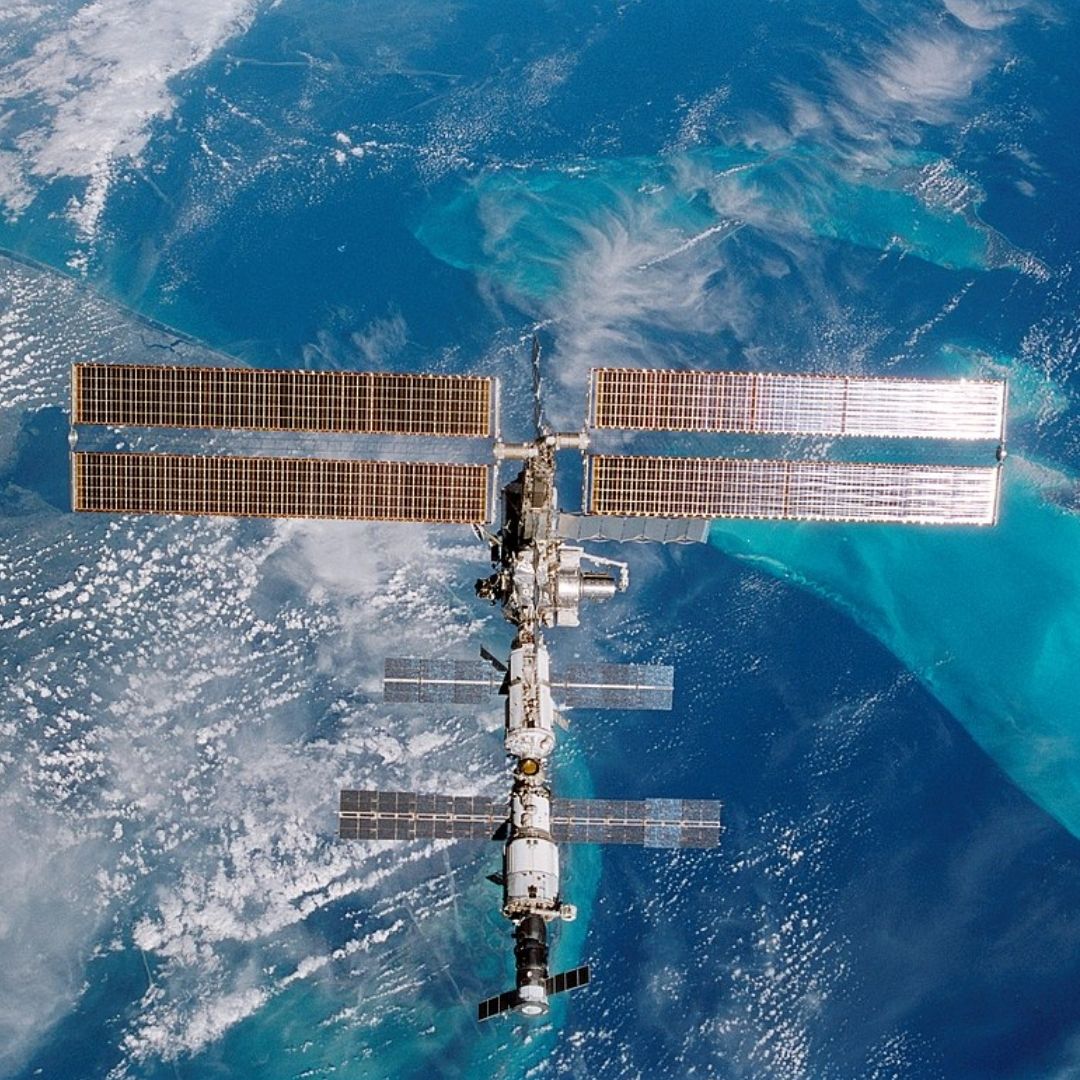
The International Space Station is the largest human-made structure ever assembled in space, measuring approximately 358 feet (109 meters) in length. #FACT
@TheFactSite
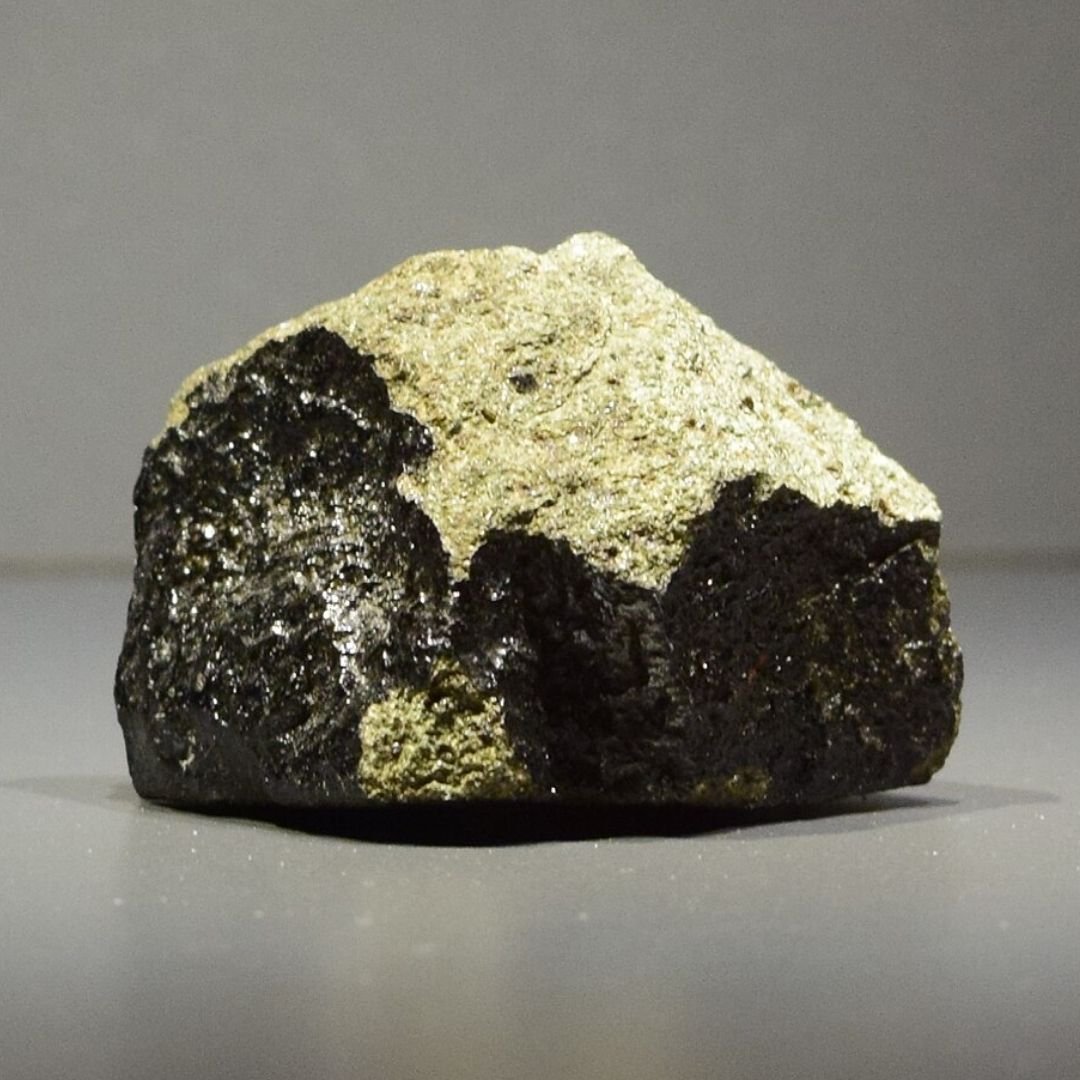
Out of more than 77,000 recognized meteorites found on Earth, only around 400 have been identified as coming from Mars. #FACT
@TheFactSite
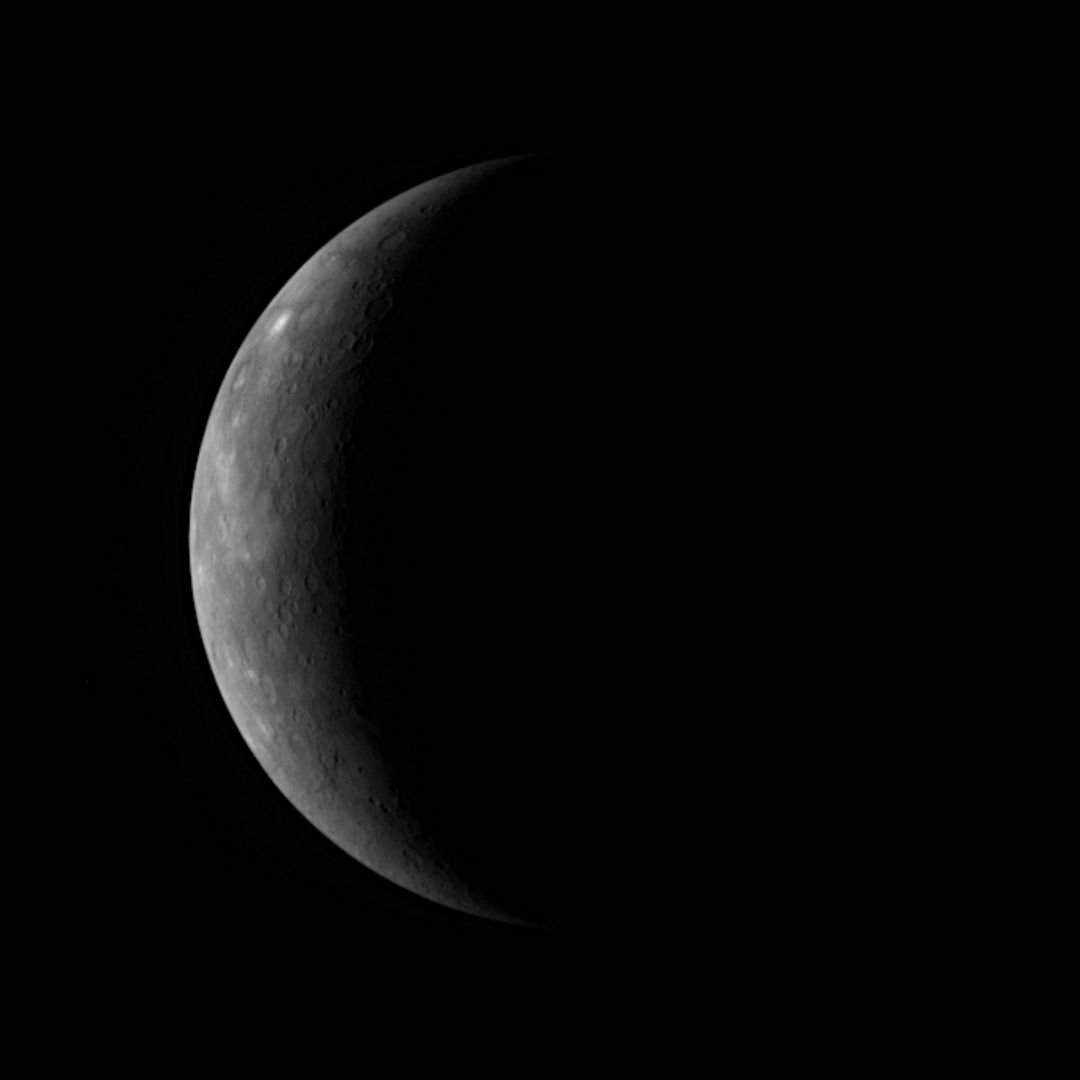
Mercury’s axis tilts less than one degree, but its oval-shaped orbit causes temperature changes similar to seasons on Earth. #FACT
@TheFactSite
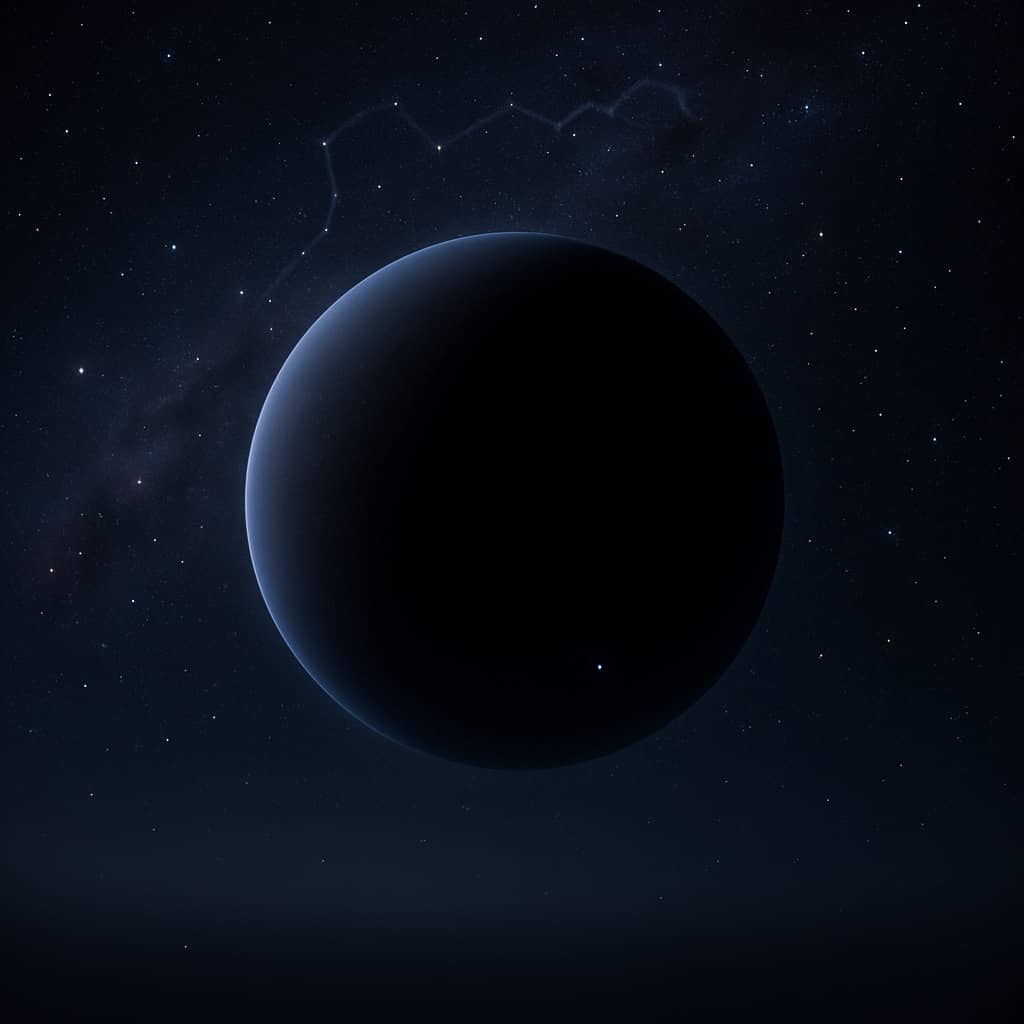
The darkest known planet in the universe is TrES-2b, a Jupiter-sized planet in the Draco constellation, which reflects less than 1% of the light that hits it. #FACT
@TheFactSite
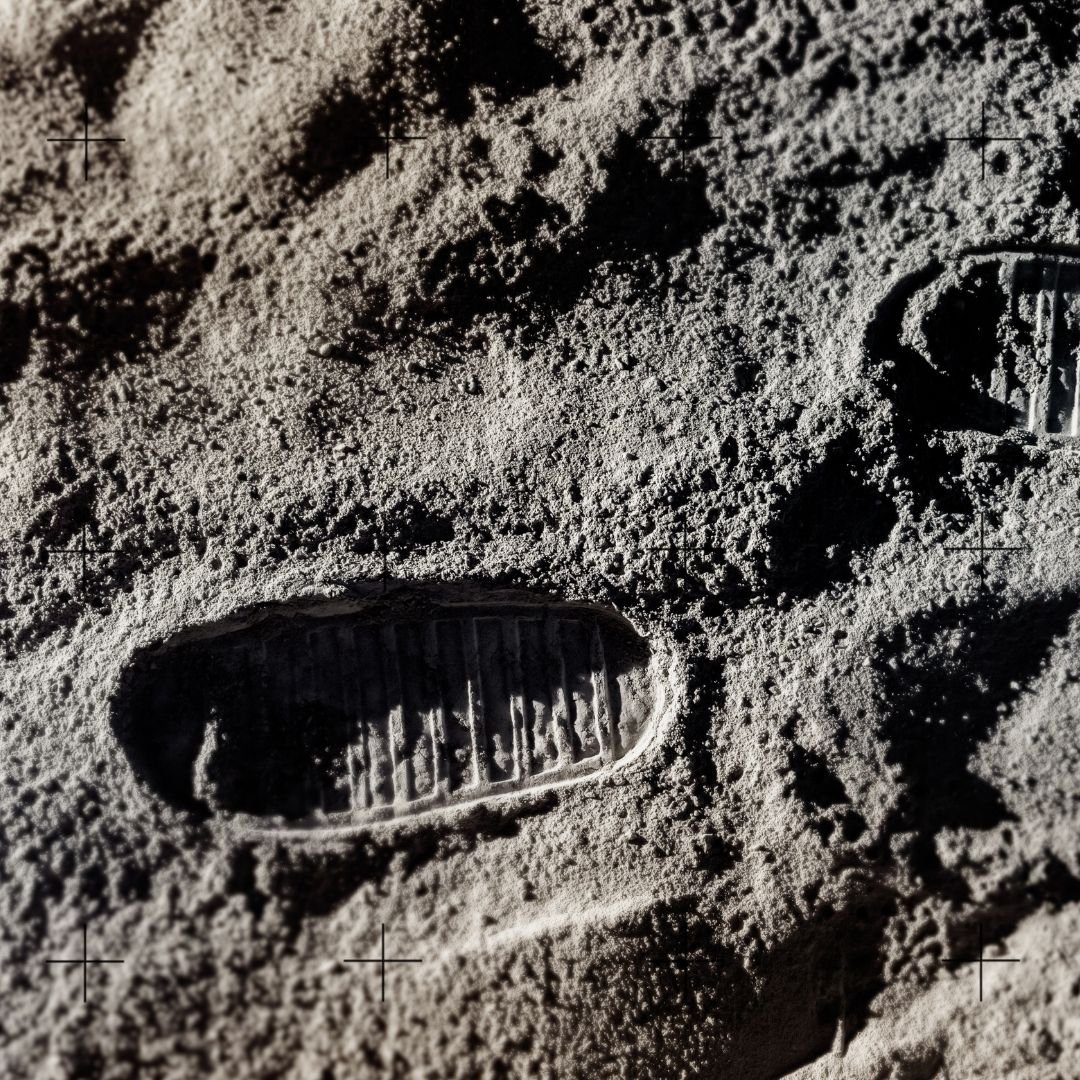
Humanity went from launching the first person into space to walking on the Moon in just ten years. #FACT
@TheFactSite
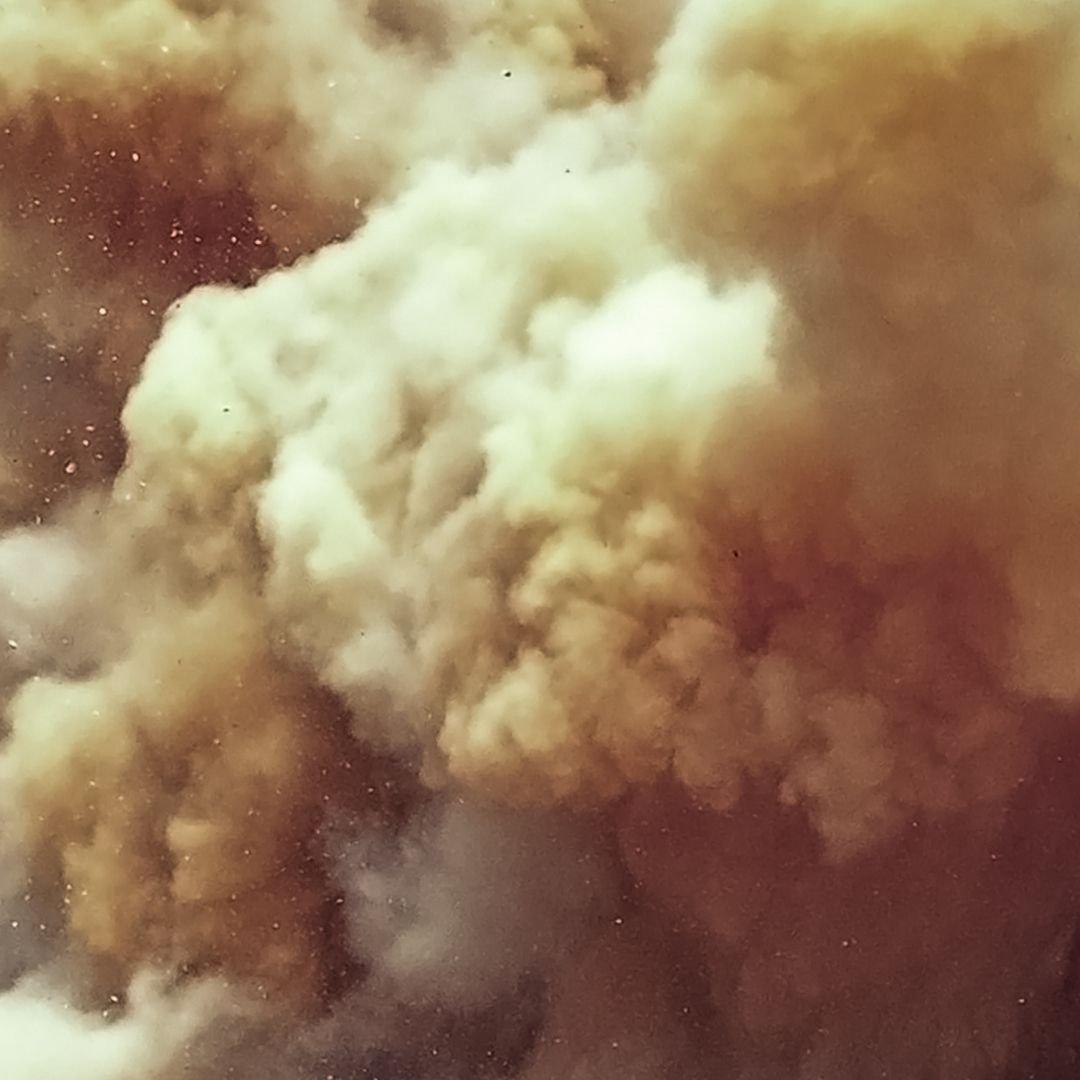
After walking on the Moon, many Apollo astronauts developed symptoms similar to hay fever, caused by sharp, microscopic particles of lunar dust that irritated their lungs. #FACT
@TheFactSite
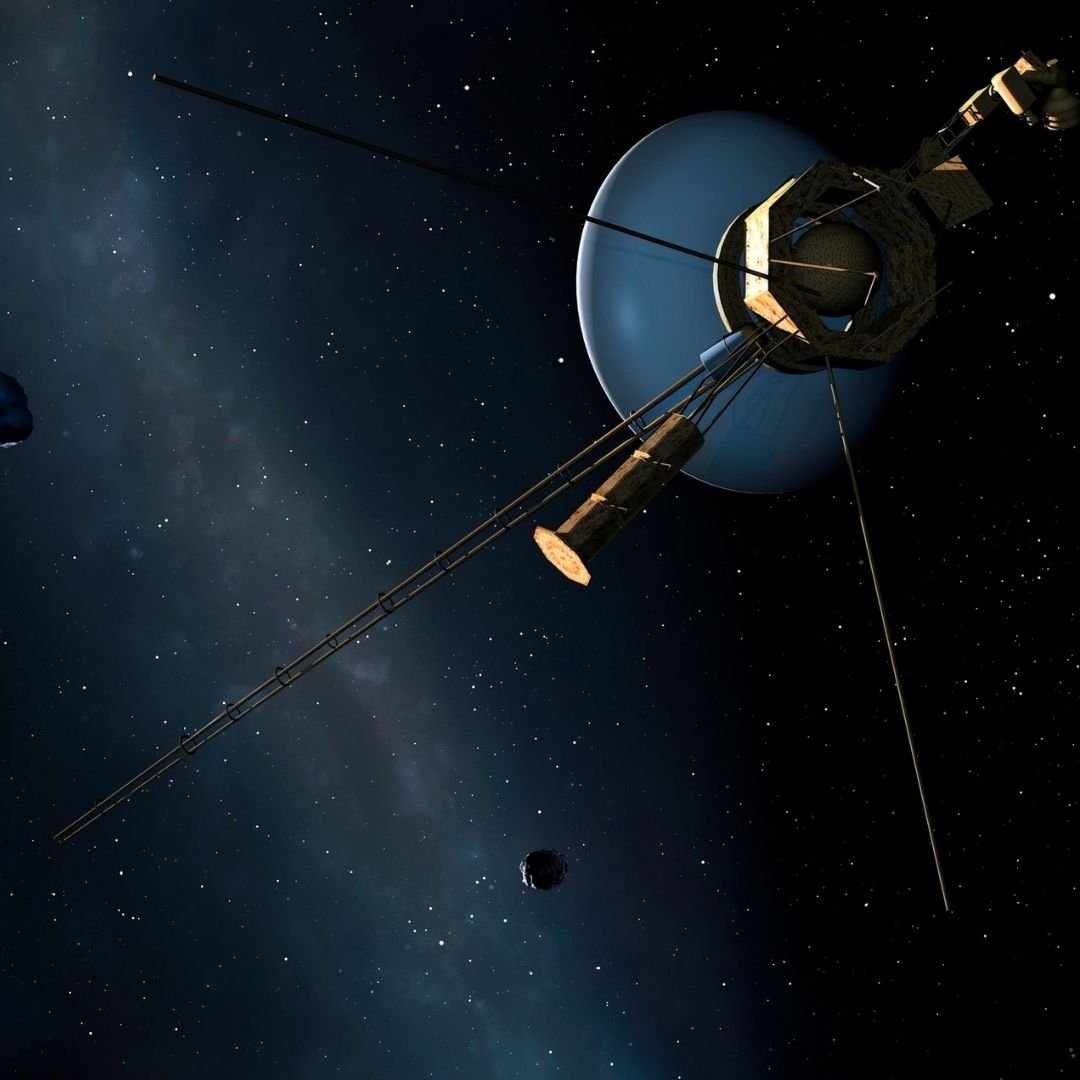
NASA’s Voyager 2 made the first and only visit to Uranus in 1986, capturing all of our close-up images and data of the planet. #FACT
@TheFactSite
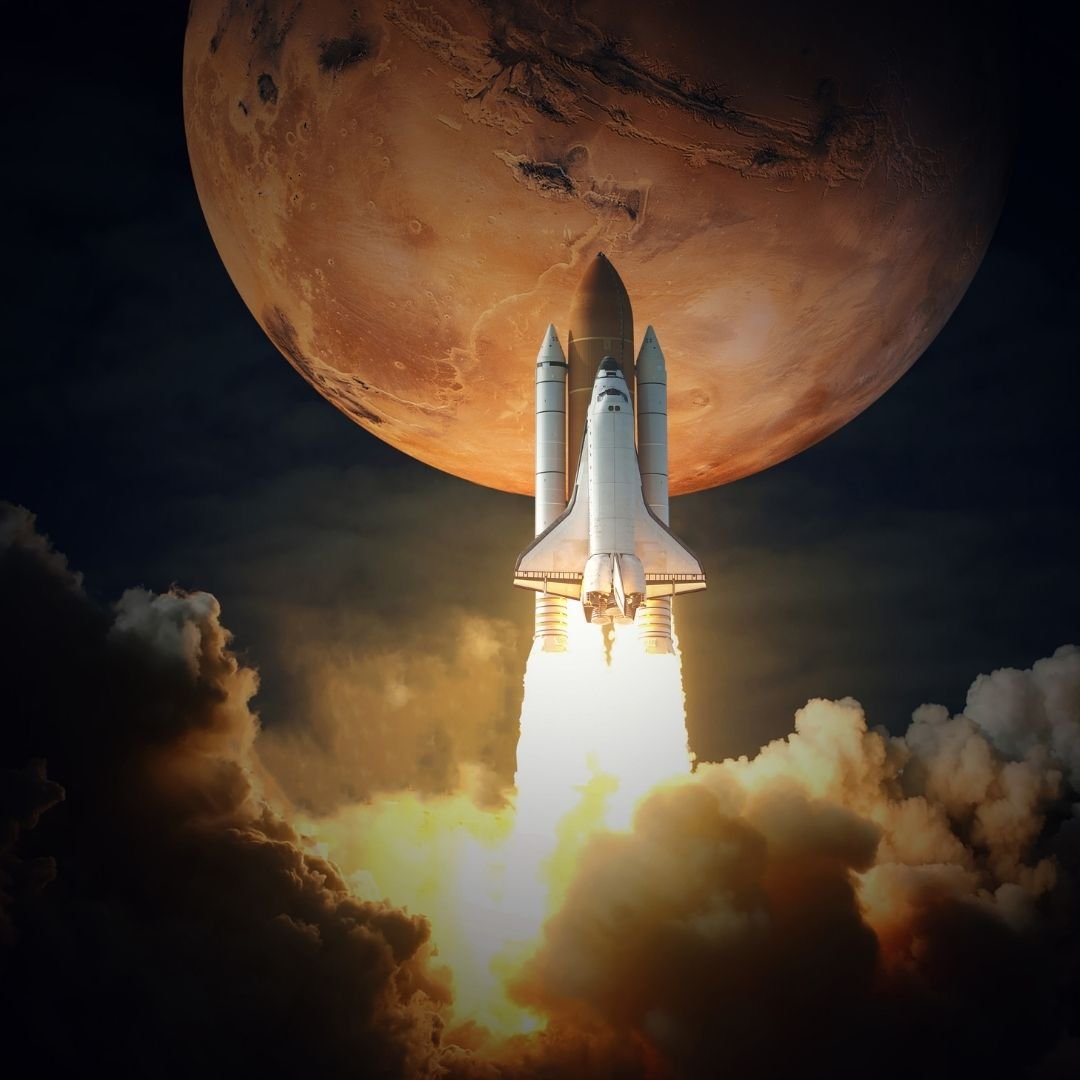
It takes about seven months to travel the roughly 300 million miles (480 million kilometers) between Earth and Mars. #FACT
@TheFactSite
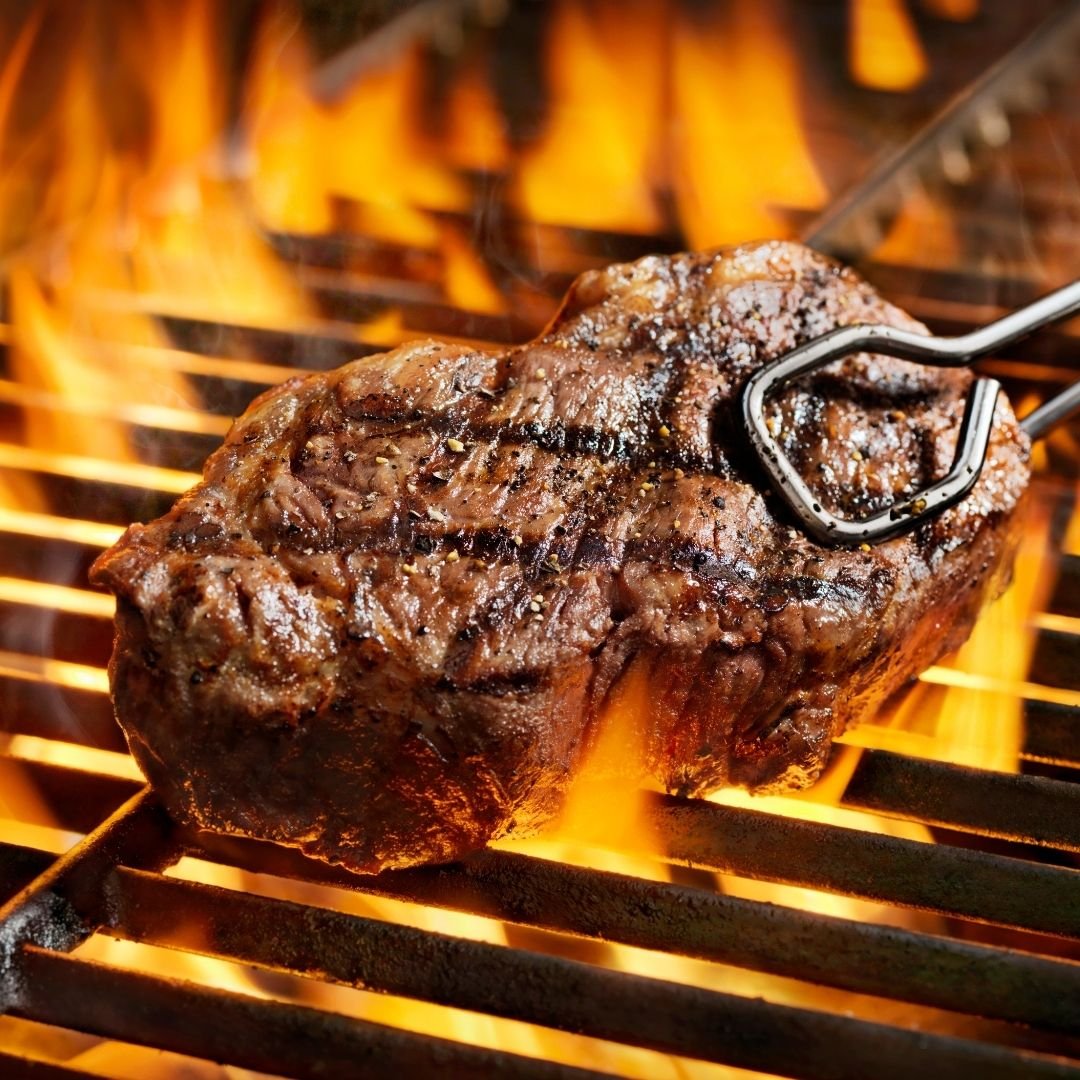
Space apparently smells like seared steak, hot metal, and welding fumes. This smell lingers on the spacesuits of astronauts after they perform spacewalks. #FACT
@TheFactSite
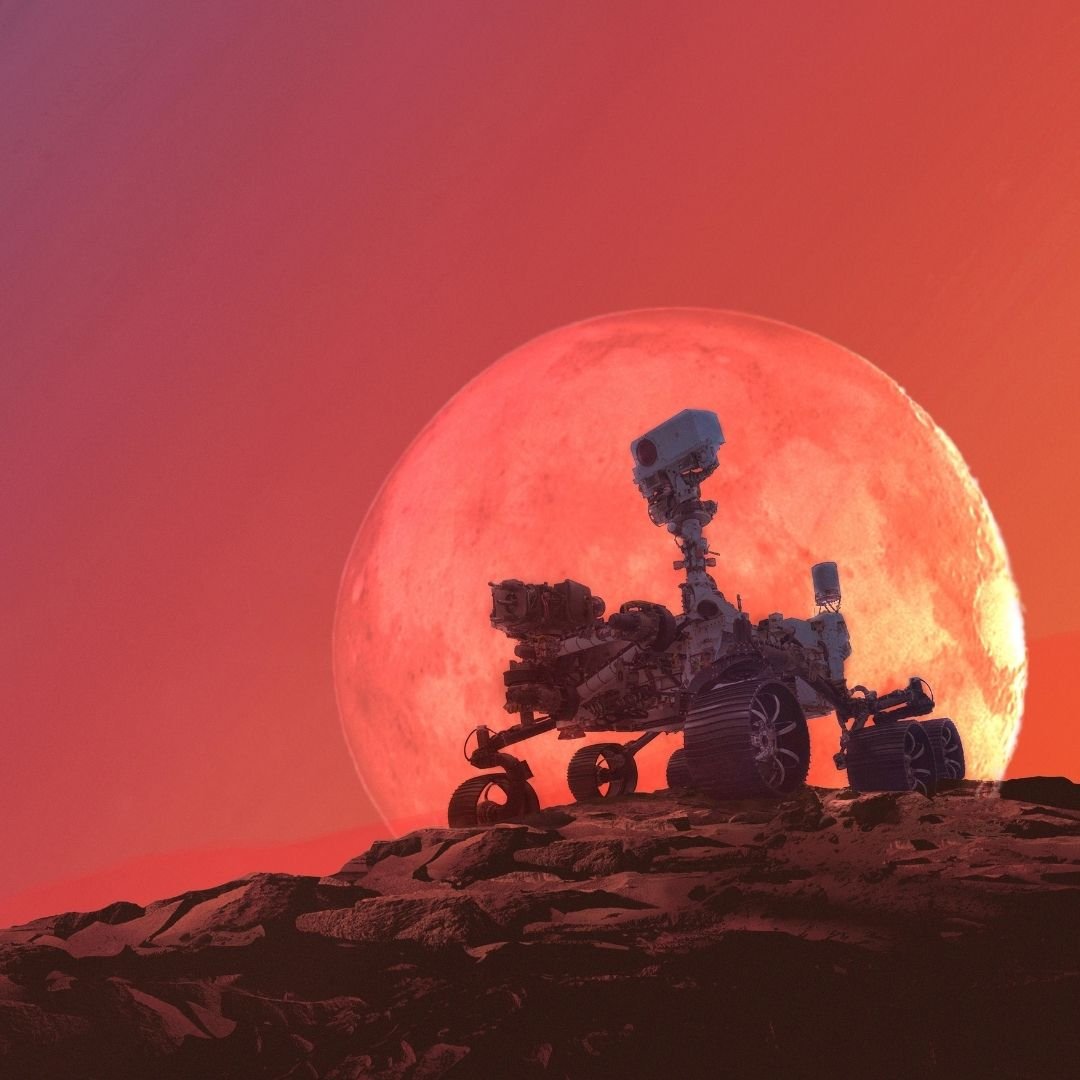
Mars’ surface has been more thoroughly mapped than Earth’s ocean floor. #FACT